Walter Ruttmann
Directing
Biography
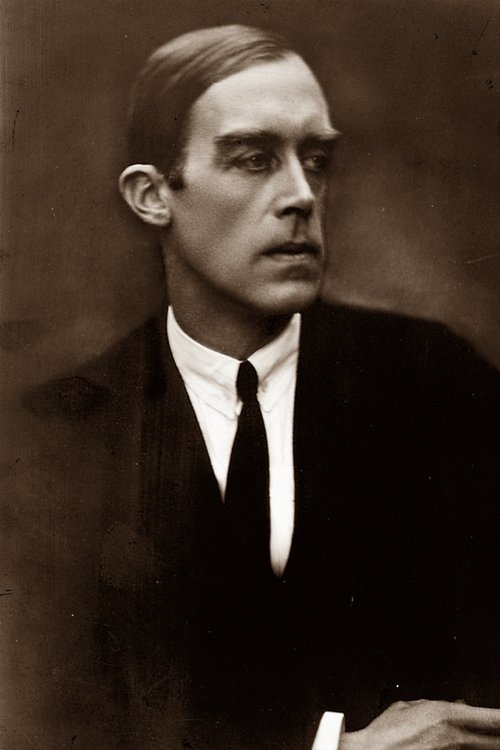
Walter Ruttmann (28 December 1887 – 15 July 1941) was a German film director and along with Hans Richter, Viking Eggeling and Oskar Fischinger was an early German practitioner of experimental film. Ruttmann was born in Frankfurt am Main; His film career began in the early 1920s. His first abstract short films, Lichtspiel: Opus I (1921) and Opus II (1923), were experiments with new forms of film expression. Ruttmann and his colleagues of the avant garde movement enriched the language of film as a medium with new formal techniques. Ruttmann was a prominent exponent of both avant-garde art and music. His early abstractions played at the 1929 Baden-Baden Festival to international acclaim despite their being almost eight years old. Ruttmann licensed a Wax Slicing machine from Oskar Fischinger to create special effects for Lotte Reiniger. Together with Erwin Piscator, he worked on the film Melody of the World (1929), though he is best remembered for Berlin: Die Sinfonie der Großstadt (Berlin: Symphony of a Great City, 1927). During the Nazi period he worked as an assistant to director Leni Riefenstahl on Triumph of the Will (1935). He died in Berlin of wounds sustained when he was working on the front line as a war photographer.
Known For

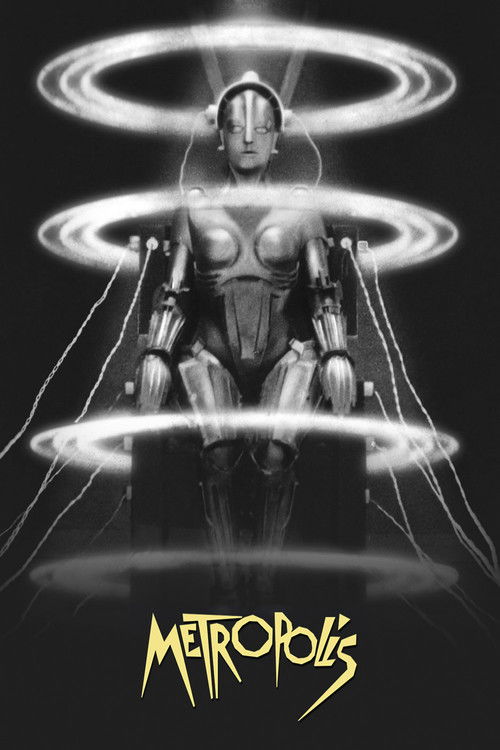
In a futuristic city sharply divided between the rich and the poor, the son of the city's mastermind meets a prophet who predicts the coming of a savior to mediate their differences.
Metropolis

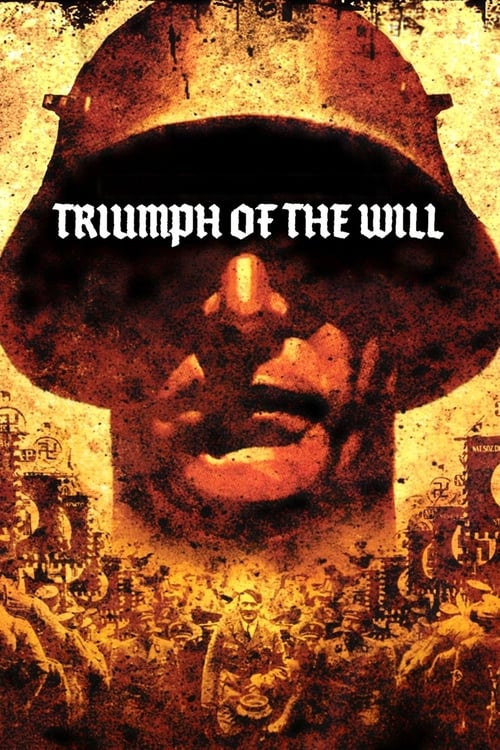
A showcase of German chancellor and Nazi Party leader Adolf Hitler at the 1934 Nuremberg Rally.
Triumph of the Will

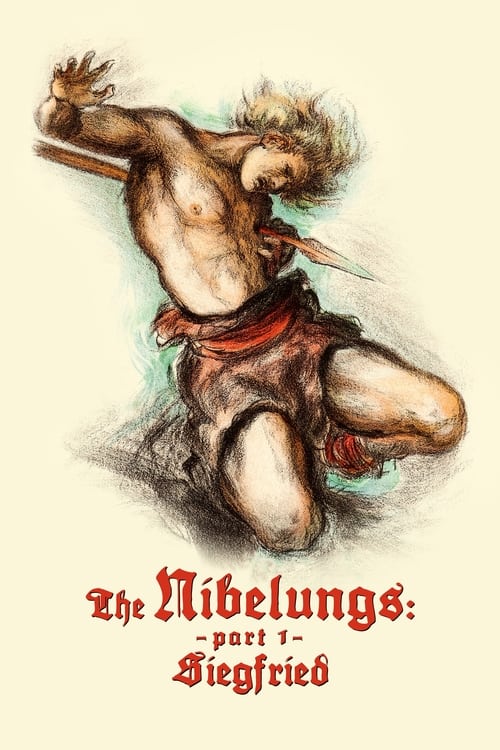
Siegfried, son of King Siegmund of Xanten, travels to Worms, capital of the Burgundian kingdom, to ask King Gunther for the hand of his sister, the beautiful Kriemhild.
Die Nibelungen: Siegfried

A day in the city of Berlin, which experienced an industrial boom in the 1920s, and still provides an insight into the living and working conditions at that time. Germany had just recovered a little from the worst consequences of the First World War, the great economic crisis was still a few years away and Hitler was not yet an issue at the time.
Berlin: Symphony of a Great City

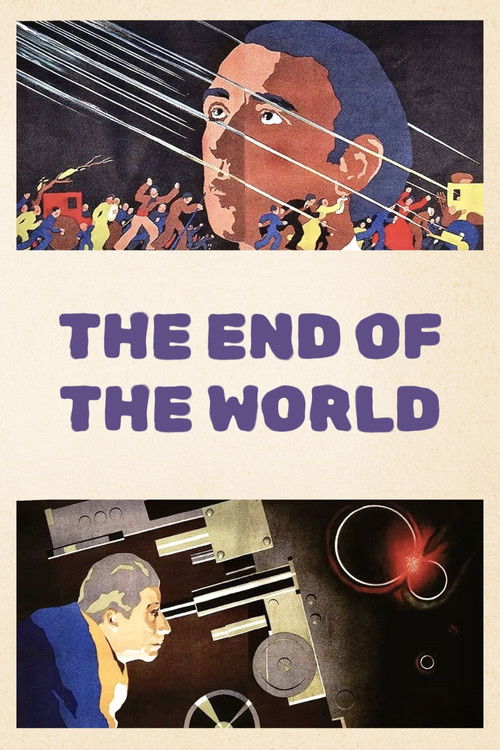
The plot concerns a comet hurling toward Earth on a collision course and the different reactions to people on the impending disaster.
The End of the World

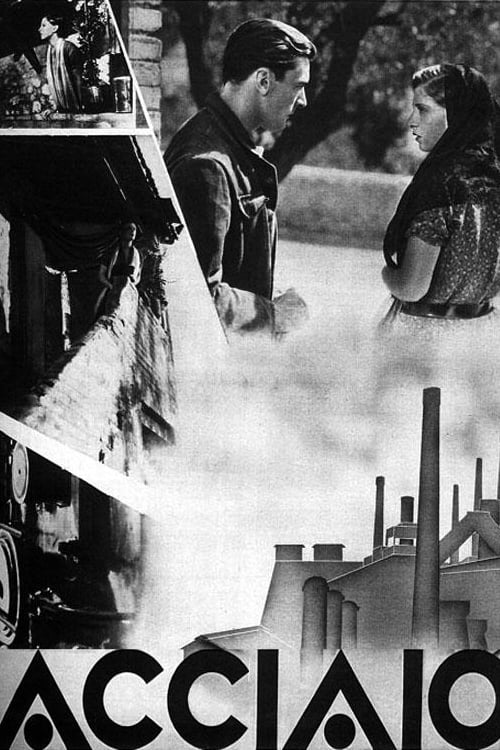
In the huge steel factories in Terni (Umbria, Italy), two friends: Mario and Pietro, fight for the love of the same girl, Gina. Pietro dies because of a work accident at the factory. The other workers think Mario is responsible for the death of his friend. Mario, who is innocent, is forced to quit, but his love for Gina and his dedication to his job help him out of his crisis.
Steel

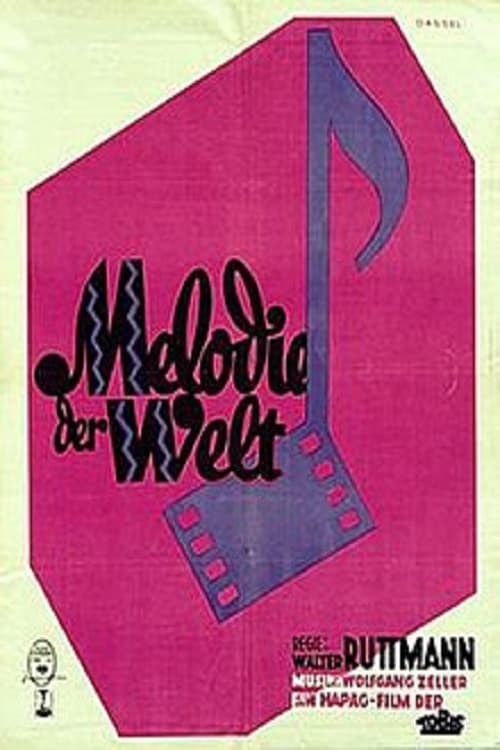
An impression of the state of the world in 1929, contrasting similarities and differences in religion, customs, art and entertainment from all over the world. The film is constructed like a symphony.
Melody of the World
Wochende (Weekend) is a film initially commissioned by the Berlin Radio Hour. Prior to Weekend, Ruttmann had made numerous celebrated avant-garde films, namely Opus I-IV, and the spectacular Berlin: Symphony of a City (1927). The advent of sound films dawned, and, interested in how spectators perceive sound, he premiered a film without pictures. On June 13th, 1930, the audience took their seats, the lights went down, and the sound of the film was heard. But the screen was completely blank.
Weekend

Against a dark background, several bright, curved or rounded shapes pulse towards the center of the screen, one at a time. They are followed by many other shapes, some irregular, some pointed, others rounded. The abstract shapes move into or across the screen in harmony with the musical score.
Lichtspiel: Opus I

This live-action short subject commissioned for the 75th birthday of German romantic composer Robert Schumann juxtaposes flowing water imagery with the piano playing of artist Nina Hanson.
In the Night
Hans Schilling, who emigrated to Chile shortly before World War 1, comes from Valparaiso to visit his old hometown of Stuttgart after an absence of almost 22 years. His brother Georg Schilling, who stayed in Stuttgart, picks him up at the train station. He proudly shows the homecomer the prospering, Swabian metropolis, followed by impressions of the city's architecture, economy and culture.
Stuttgart, die Großstadt zwischen Wald und Reben

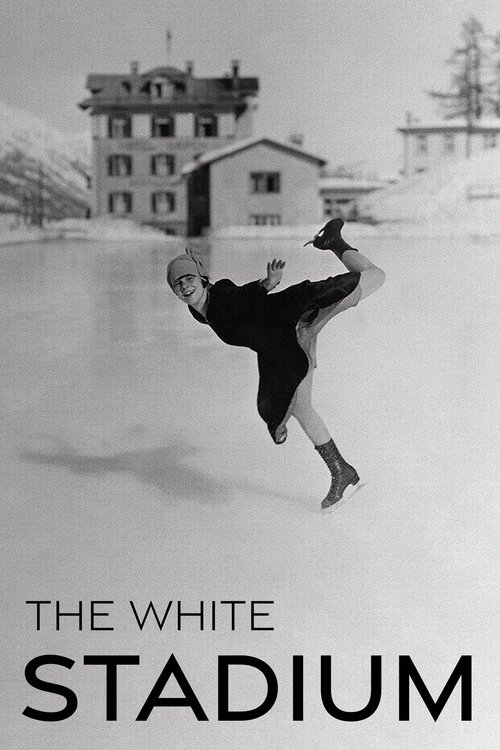
A profile of the 1928 Olympic Games in St. Moritz, Switzerland.
The White Stadium
A Nazi propaganda film meant to glorify German history and to persuade people that the Teutons weren't barbarians but had a notable culture of their own. The topic is embedded into a little story line of an academic giving a lecture.
Altgermanische Bauernkultur

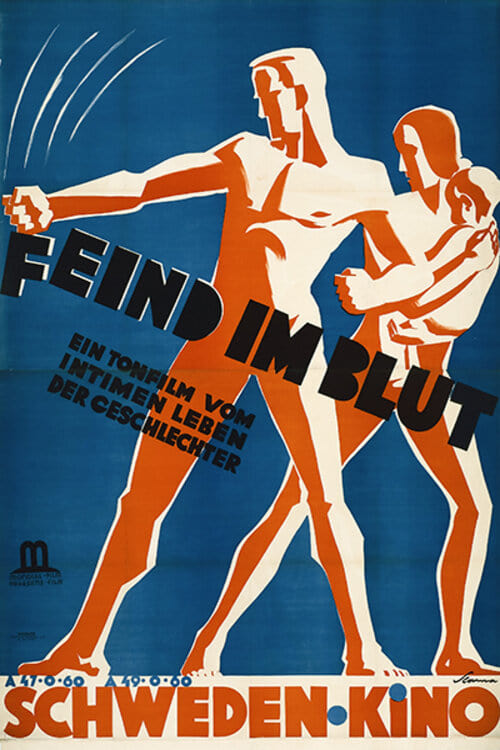
Blood and Soil (German: Blut und Boden) refers to the ideology focussing on a concept of ethnicity based on descent (Blood) and homeland (Soil). It celebrates the relationship of a people to the land that they occupy and cultivate and places high esteem on the virtues of the bucolic (as opposed to urban) living. From this propaganda film, we learn, how hard it is to be a peasant when liberals rule the state. A family of peasants is forced to sell their property and run away to a big city, where they are forced to live in the poverty. Thankfully when the Nazis take power, they may finally come back and live a happy life. Besides the main plot, there is also educational elements here: Germans are informed how few of them will remain in 2050 year if they don't start a mass reproduction.
Blood and Soil

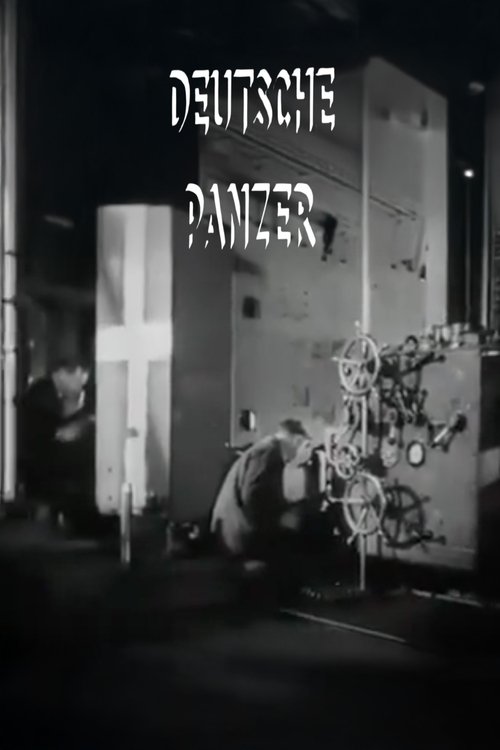
Documentary about the process of building tanks in Germany during the early days of World War II.
German Tanks
Commercial for the GESOLEI health and art exhibition in Düsseldorf.
The Climb

Short version of the Mannesmann film that premiered the previous year.
Mannesmann
Nazi propaganda film about the embryo of metal falling from the sky, extracted by the German industry for various purposes.
Metall des Himmels
Wehrmacht propaganda documentary about the might of the German armament factories and their inexhaustible reserves of war material made ready for use.
German Armaments
Adam and Eve are cast out of Eden. They discover that flowers can bring both joy and solace.