Camera
Adaptation of an avant-garde play about Rhoda, a hysterical heroine who feels oppressed by the people around her. She suffers through her birthday party, goes to see a doctor, plans a vacation, argues a lot and even breaks the fourth wall.
Merce Cunningham choreographed “Changing Steps” in 1973. In its original form “Changing Steps” consisted of a solo dance for each member of the company, 3 trios, 2 quartets and 2 quintets, which could be performed in order, and separately or overlapping if space allowed.
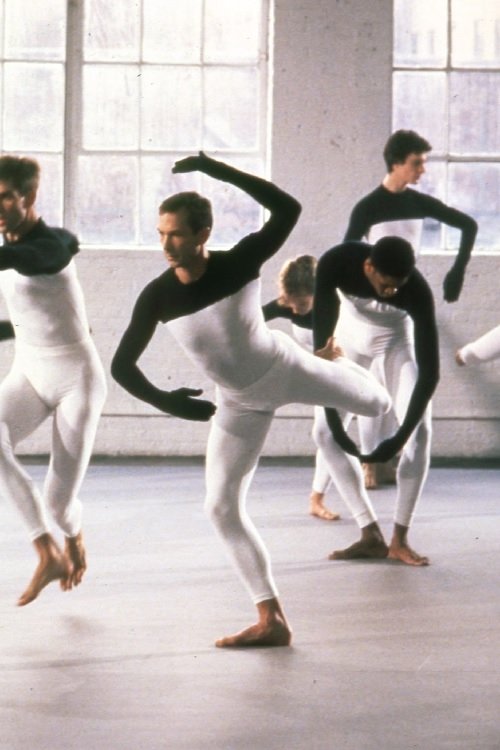
Cunningham said of his choreography for "Beach Birds", “It is all based on individual physical phrasing. The dancers don’t have to be exactly together. They can dance like a flock of birds, when they suddenly take off.” A work for eleven dancers, the rhythm for "Beach Birds" was much more fluid than other Cunningham dances, so that the sections could differ in length from performance to performance. John Cage composed the music, and painter Marsha Skinner provided the costumes and décor. The dancers were dressed identically in all white leotards and tights, with black gloves. Skinner’s backcloth was a white scrim on which the light varied in color and intensity, decided by a lighting plot that was devised using chance methods. While the timings did not relate to the dance structure, the gradual changes of light have been interpreted to imitate those that might occur from dawn to dusk on a beach.
A narrative "steeped in alienation," The Woman Next Door is the story of a reclusive male tenant in a New York City apartment, whose life is disrupted by the arrival of a new next-door neighbor. Spurred initially by simple curiosity, the tenant begins to anticipate and follow the woman's movements, eventually assuming the role of voyeur. Seen entirely from the tenant's point-of-view, this is a bleak narrative of anonymity, isolation, and expectation. Barr writes: "The man's life is so restrictive, that every sound she makes, every glimpse of her becomes a monumental event." With its echoes of Alfred Hitchcock and Michael Powell, its limited language and strict economy of means, this work relies on the visual structure and subtle ambient soundtrack to convey the narrative in a spare and minimal style.
Filmmaker Elliot Caplan pays tribute to the partnership of composer John Cage and choreographer Merce Cunningham.