Sound
Margit Eschenbach is a German photographer, film producer and film director.
Stories from the lesbian subculture in West Berlin, about being in love, clichés, desire, and conflict – "shot as a narrative, with real lesbians at real locations about real feelings."
Void, elegiac images - a story and loving and dying: A journey entrusts itself to the viewer's ability to associate and creates a collision of melancholy, softly red-filtered vacation images with an (apparently) totally unrelated story.
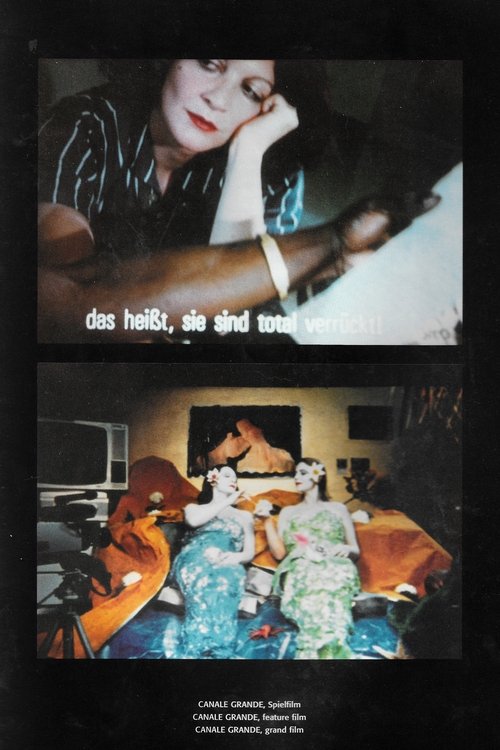
A young woman is fed up with the usual consumer's television and begins to make her own television, or more correctly, closevision. She is now a reporter who wanders around Berlin with her camera and 'telecasting apparatus' on her back. Her livingroom has been transformed into a studio and here the different programs are assembled and aired: statements, interviews, realistic and phantastic programs.
Documentary film about the therapy facility ‘Violetta Clean’, founded in Berlin in 1983, the first inpatient therapy facility in Germany for drug-addicted girls and women.
No description available.
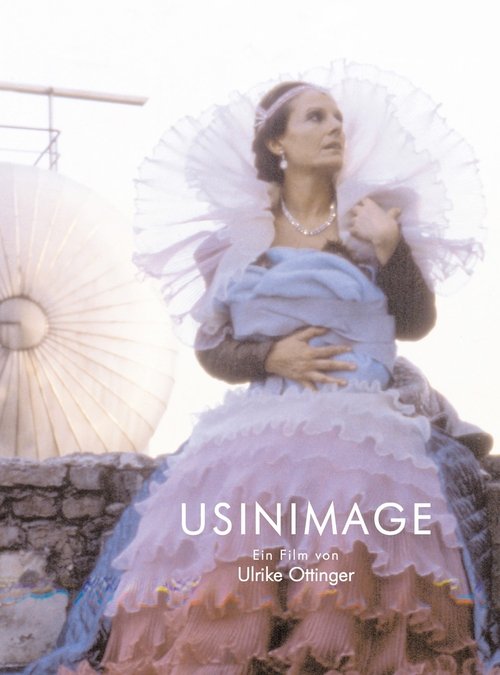
Selected industrial and city settings from the three films were documented again for Usinimage and intercut with the corresponding fiction film scenes, in order to give the landscapes a new accent through artistic defamiliarization and condensation. It is an exploration of city architecture, in which the shooting location serves not just as reflective or constrastive backdrop but rather becomes itself content.
A man gets on a train to Cologne. Inspired by a poem by Rolf Dieter Brinkman.
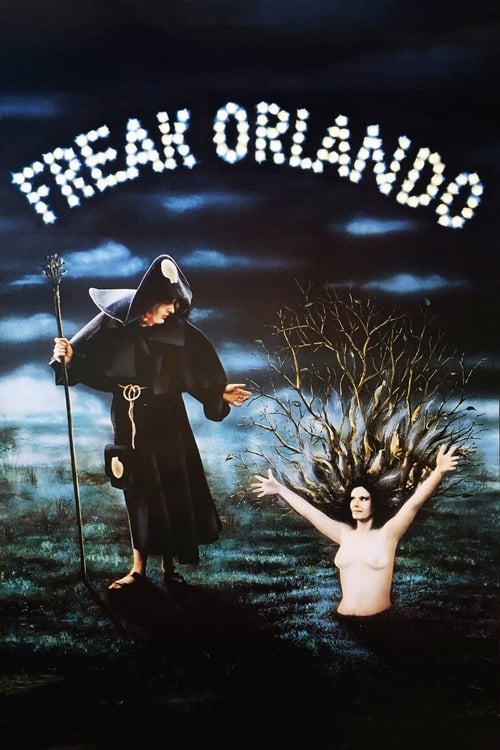
Five more-or-less distinct sections, all featuring "Freak" Orlando, a woman played by the late Magdalena Montezuma, who appears in various guises and deformities throughout.
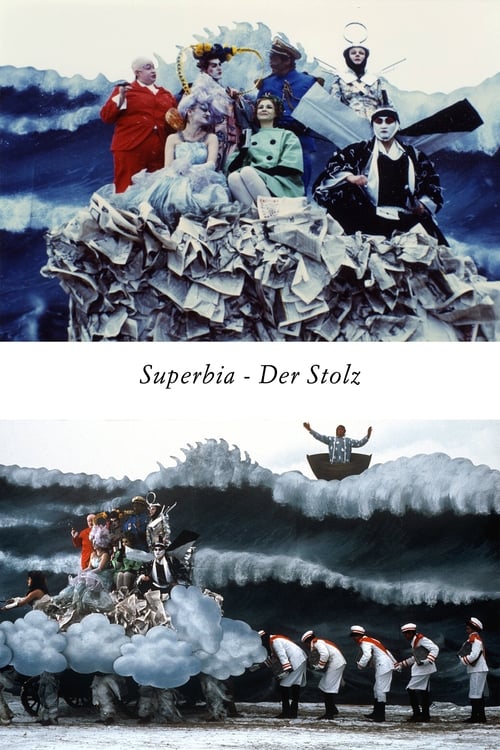
Pride is the first of the seven deadly sins. The introduction is made through early allegorical forms and figures (triumphal procession, dance of death, Baroque tragedy etc.) The triumphal procession of the giant haystack as a symbol of human vanities becomes a military parade of abrupt, functional and arrogant gestures. The most diverse musical fragments and rhythms intone the montage of details in the staged triumphal procession, juxtaposed with documentary images, including marches, ticker-tape parades and military review.
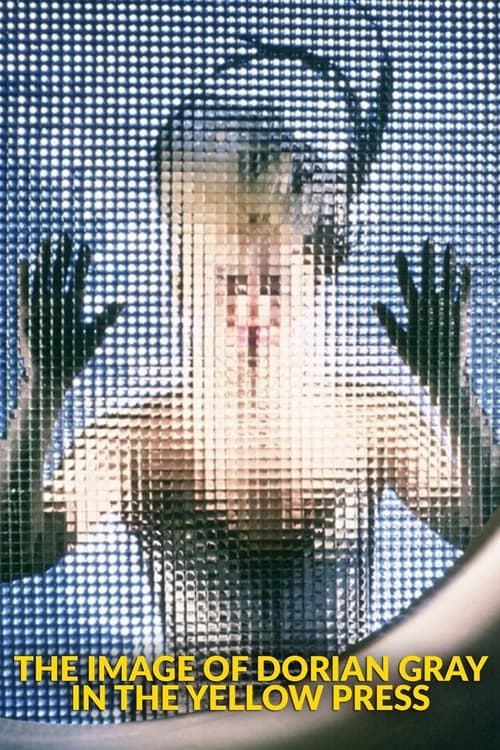
The final installment in Ulrike Ottinger’s Berlin Trilogy (following TICKET OF NO RETURN and FREAK ORLANDO) casts Delphine Seyrig as the nefarious Fritz Lang supervillain Dr. Mabuse, here the head of a powerful media empire that seeks to create headlines by manufacturing (and then publicly destroying) its own celebrity: the wealthy, handsome playboy Dorian Gray.
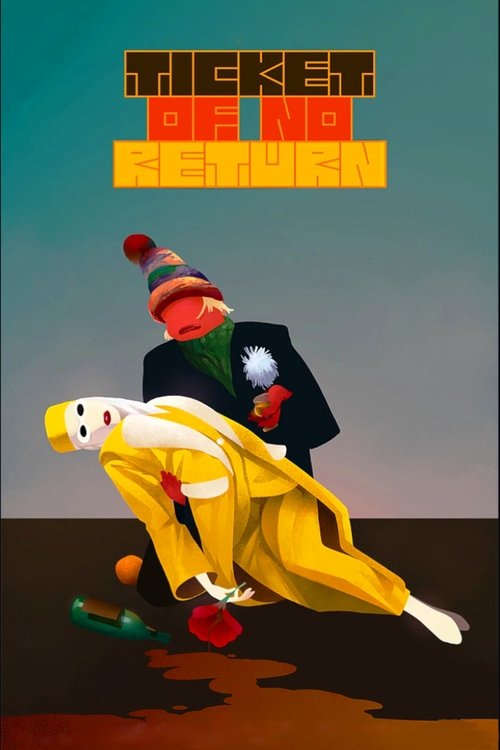
A sartorially resplendent woman of few words arrives in Berlin with plans to live out the rest of her days as a drunkard.
How do blind people perceive the world and which sensory impressions remain hidden from sighted people? The experimental film explores this question in a multi-layered way. A sculptor's workshop, a painting museum and an orchestra become the settings for the richness that the perceptions of the different senses bring with them. Sound and image merge and bring the theme to life.
Veronika is a young, devoutly religious Berlin woman from a strict bourgeois background diagnosed with schizophrenia. She experiences a profound mystical awakening, leading her to believe she is chosen by God to experience and absorb all human suffering through extreme asceticism and indiscriminate sexual encounters.
"Neither the beautified idyll nor the battlefield of sociological theories were the focus of Monika Hoffmann's portrait of Kreuzberg. The author has succeeded in uncovering a piece of cultural history. She assembled a mosaic of human fates." (Berliner Morgenpost, 4.4.1981)