Carl Mayer
Writing
Biography
Carl Mayer (20 November 1894 – 1 July 1944) was an Austrian screenwriter who wrote or co-wrote the screenplays to The Cabinet of Dr. Caligari (1920), The Head of Janus (1920), The Haunted Castle (1921), Der Letzte Mann (1924), Tartuffe (1926), Sunrise: A Song of Two Humans (1927), and 4 Devils (1928), most of them being films directed by F. W. Murnau. Mayer was a fundamental figure in the dramatic and narrative establishment of both German Expressionist cinema and Kammerspielfilm.
Known For

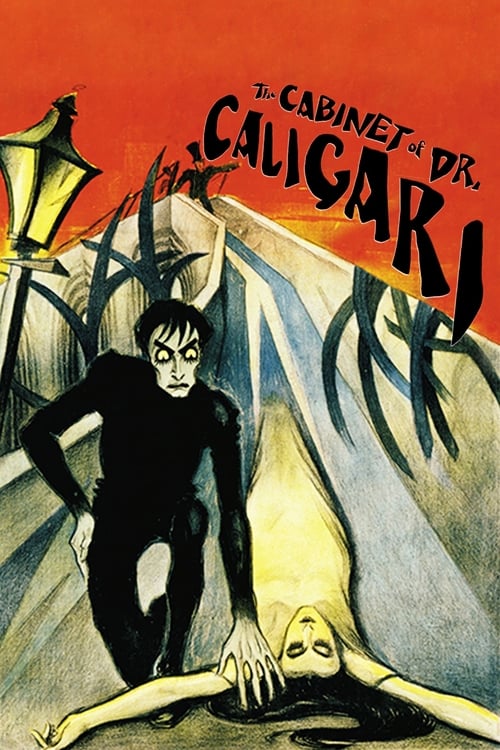
Francis, a young man, recalls in his memory the horrible experiences he and his fiancée Jane recently went through. Francis and his friend Alan visit The Cabinet of Dr. Caligari, an exhibit where the mysterious doctor shows the somnambulist Cesare, and awakens him for some moments from his death-like sleep.
The Cabinet of Dr. Caligari

A married farmer falls under the spell of a slatternly woman from the city, who tries to convince him to drown his wife.
Sunrise: A Song of Two Humans

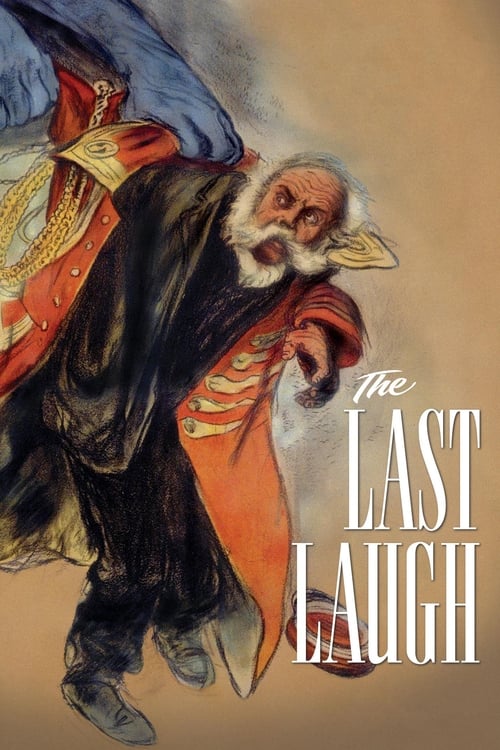
An aging doorman, after being fired from his prestigious job at a luxurious hotel, is forced to face the scorn of his friends, neighbours and society.
The Last Laugh

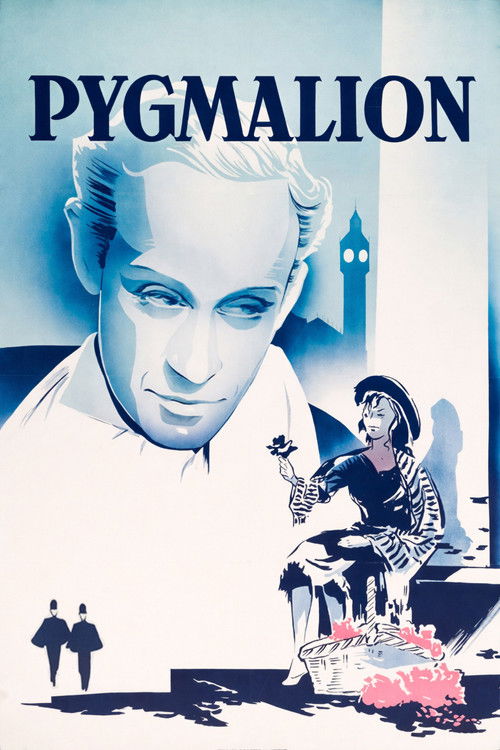
When linguistics professor Henry Higgins boasts that he can pass off Cockney flower girl Eliza Doolittle as a princess with only six months' training, Colonel George Pickering takes him up on the bet. Eliza moves into Higgins's home and begins her rigorous training after the professor comes to a financial agreement with her dustman father, Alfred. But the plucky young woman is not the only one undergoing a transformation.
Pygmalion

A day in the city of Berlin, which experienced an industrial boom in the 1920s, and still provides an insight into the living and working conditions at that time. Germany had just recovered a little from the worst consequences of the First World War, the great economic crisis was still a few years away and Hitler was not yet an issue at the time.
Berlin: Symphony of a Great City

Vanina loves rebel leader Octavio, who gets caught. He gets a pardon and marries Vanina. When he is captured again, Vanina helps him to escape prison. They are both caught, and after his execution she dies from grief.
Vanina

Dreaming Lips was lovingly assembled by filmmaker Paul Czinner as an "ideal" vehicle for his popular actress wife Elizabeth Bergner. The star plays Gabrielle, the glamorous, spoiled wife of world-famous orchestra leader Peter (Romney Brent). Left alone by her constantly touring husband, she inaugurates a romance with brilliant but reclusive violinist Miguel de Vaye (Raymond Massey).
Dreaming Lips

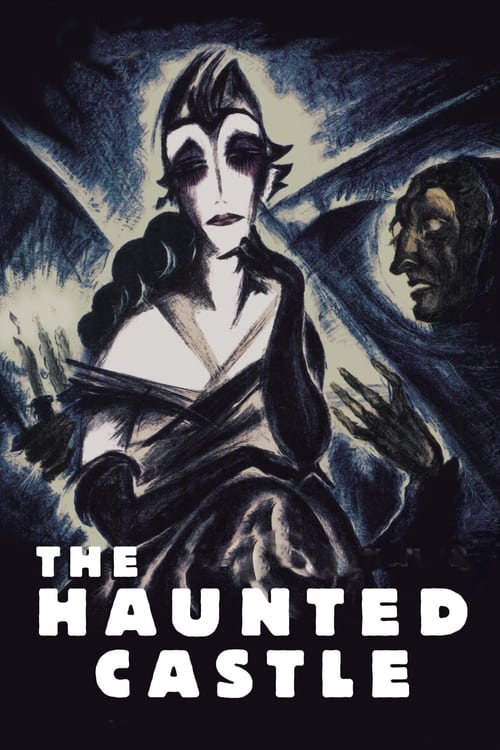
The sinister Count Oetsch scandalizes the aristocratic social gathering at Castle Vogelod as he announces his intention to "crash" the festivities. Baroness Safferstätt is expected shortly, and the guests are well-aware of the rumors that Count Oetsch murdered the baroness' late husband. Oetsch refuses to leave, vowing that he will reveal the identity of the real killer. Before the weekend is through, the Count and Baroness will reveal secrets too shocking to be believed!
The Haunted Castle

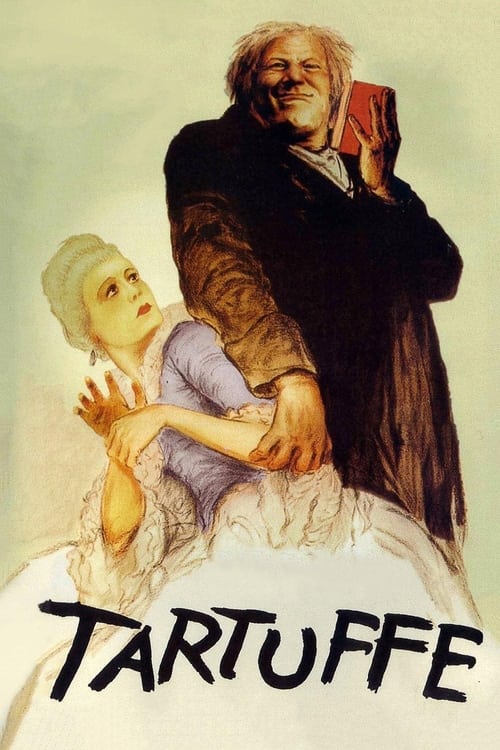
A young man shows his millionaire grandfather a film based on Molière's play "Tartuffe" in order to expose the old man's hypocritical governess who covets the young man's inheritance.
Tartuffe

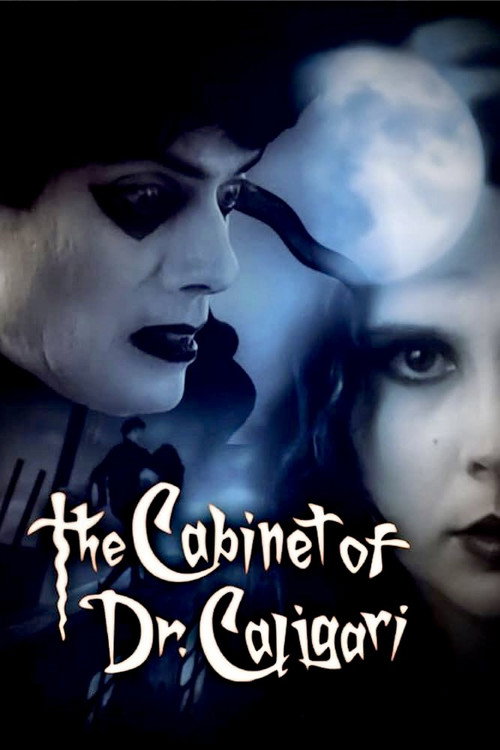
Remake of Das Cabinet des Dr. Caligari (1920). Shot entirely on green screen. Some exact shots from the 1920 film were superimposed to properly replicate the original. Francis relates the story of traveling magician Dr. Caligari and Cesare. Their arrival in a town coincides with savage killings.
The Cabinet of Dr. Caligari

Film version of Shakespeare's comedy of a young woman who disguises herself as a man to win the attention of the one she loves.
As You Like It

Since completing a portrait of Genuine, a high priestess, Percy becomes irritable and withdrawn. He loses interest in painting and refuses to see his friends, preferring to spend his time alone with the portrait in his study. After turning down a wealthy patron's offer to buy the picture, Percy falls asleep while reading stories of Genuine's life. Genuine comes to life from the painting and escapes.
Genuine: The Tragedy of a Vampire

While staying with her aunt at a fashionable spa, Else receives an unexpected telegram from her mother, begging her to save her father from debtor’s jail. The only way out, it seems, is to approach an elderly acquaintance in order to borrow money from him. Through this telegram, Else is forced into the reality of a world entirely at odds with her romantic imagination – with horrific consequences.
Fräulein Else

When the old, wealthy Doctor Schön takes Lulu under his wing, he has no idea that she will be his certain death. Young and beautiful, Lulu is endowed with tremendous erotic charisma that utterly enchants any man in her reach. Although Schön sees disaster approaching, he cannot let go of her. (Stumfilm.dk)
Earth Spirit

Four orphans, raised by an aging clown, becomes a high wire act in a circus. Lost film.
4 Devils

At the height of Reign of Terror Maximilien Robespierre orchestrates the trial and execution of several of his fellow leading French revolutionaries including Georges Danton.
Danton

Wilton, a hunchback, who was always scorned and ridiculed by women, returns from Java a rich man after having discovered a diamond mine. He romances Gina, who is on the rebound from a broken affair, and showers her with expensive gifts. After Gina reconciles with her boyfriend, she continues to see Wilton because of what he gives her. After he discovers her perfidy, Wilton develops a poison and mixes it into her lipstick, which will kill any man who kisses her. Lost film.
The Hunchback and the Dancer

Dr. Egil Börne, an eminent physician, comes under the spell of an unscrupulous cabaret dancer and deserts his fiancée. The plot finds echoes throughout the Weimar period, including Sternberg’s The Blue Angel. Conrad Veidt appears in a supporting role as a sinister blind painter, whose entrance eerily presages Murnau’s Nosferatu. Der Gang in die Nacht, the earliest surviving film by F. W. Murnau, is also, paradoxically, the only Murnau film for which the original camera negative exists.
Journey into the Night
The everyday lives of a poverty-stricken railway trackman, his wife and daughter in a remote, isolated house in a winter landscape. One day, they receive a telegram announcing the arrival of the section inspector, who is to live with the family. After his arrival, a downward spiral begins.
Shattered

A man must choose between his mother and his wife as the rivalry ratchets up throughout New Year's Eve. Like Pick's previous films, New Year's Eve does not use intertitles.