Anson Mak
Directing
Known For
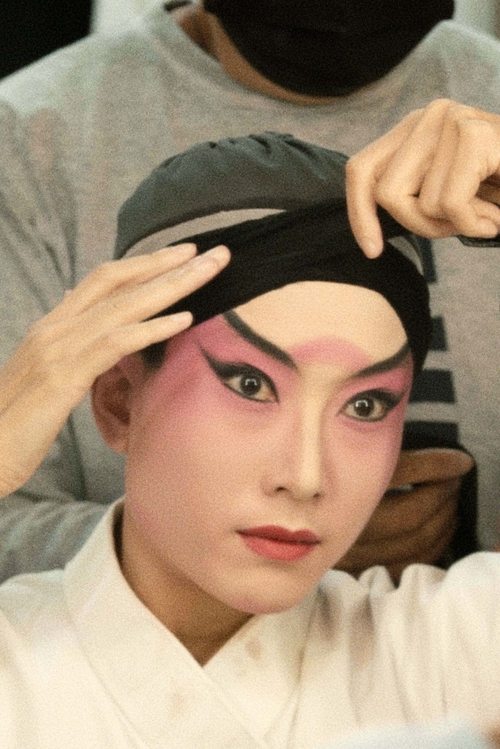
On stage, senior Cantonese opera singer Sam Chan is bright and well-received. Yet at backstage, how could she deal with her fear and difficulties and a complaint against her regarding National Security Law in Hong Kong?
The Black Wall
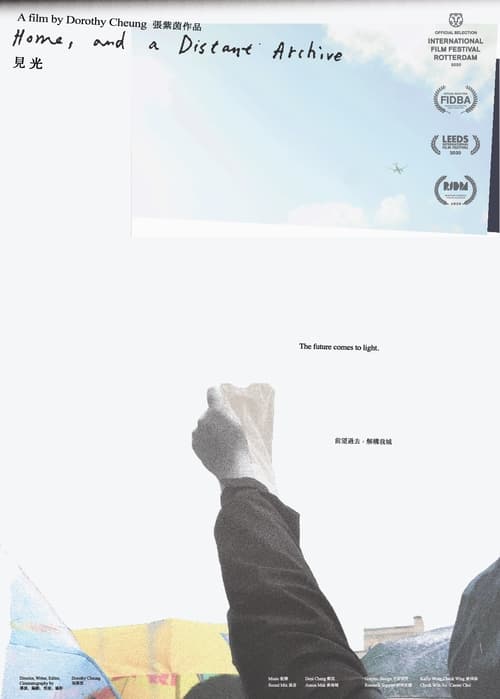
A poetic, experimental portrait of four Hong Kong women in London working to digitise records of the handover agreement between the United Kingdom and China. Impressionistic and precise, personal and expansive, Cheung's elegant, eloquent work decodes history and how politics are enacted.
Home and a Distant Archive
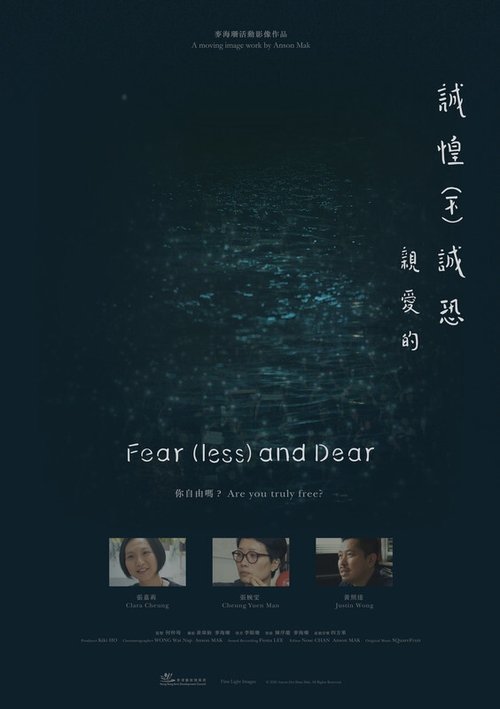
Hongkongers have been experiencing extremely difficult times due to the political movement caused by anti-Extradition Bill since the summer of 2019 followed by the COVID-19 pandemic. This film explores Hongkongers’ fear in various dimensions, be it a concept or actual physical experience, personal or political, private or public, or the mixing of these pairs.
Fear(less) and Dear
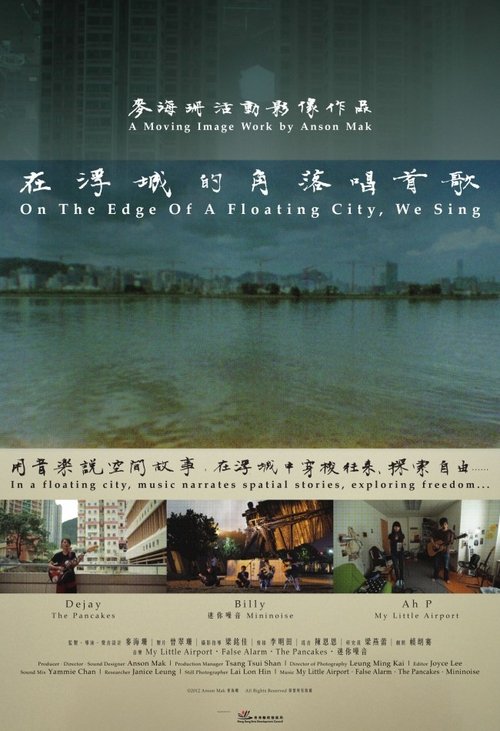
Hong Kong is called many things, but "musical" is rarely, if ever, among them. Mak's semi-experimental documentary looks at a handful of local musicians who are actively forging creative havens in the city's most unexpected corners, from old dai pai dongs to major tourist hubs to childhood neighbourhoods. As Ah P, Billy and Dejay choose to express themselves wherever, whenever, Mak's latest explores social and political issues in the context of the physical space, contrasts the subjective with the objective, and proves that the city indeed has a vibrant indie music scene.
On The Edge Of A Floating City, We Sing
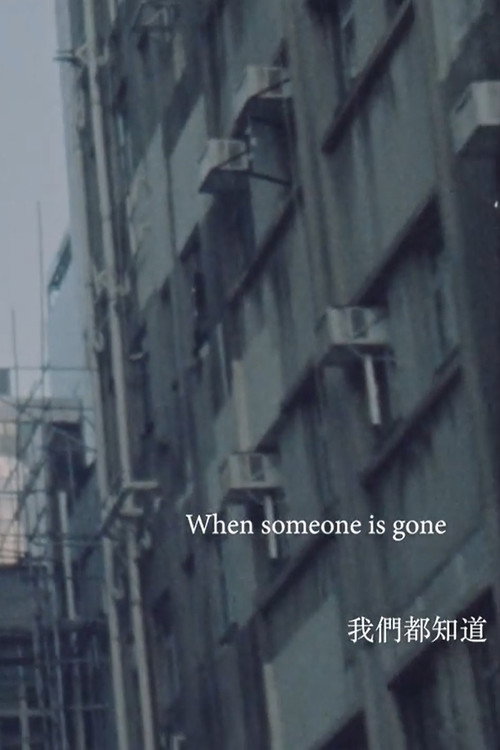
Reverberation is an experimental film that centres on Yau Ma Tei—a district in Hong Kong that was home to various independent art and cultural spaces in the 2010s and was also where the filmmaker began her practice. By overlapping new and archival images, the film delves into layers of memories to capture complex emotions about this district as well as the city as a whole.
Reverberation
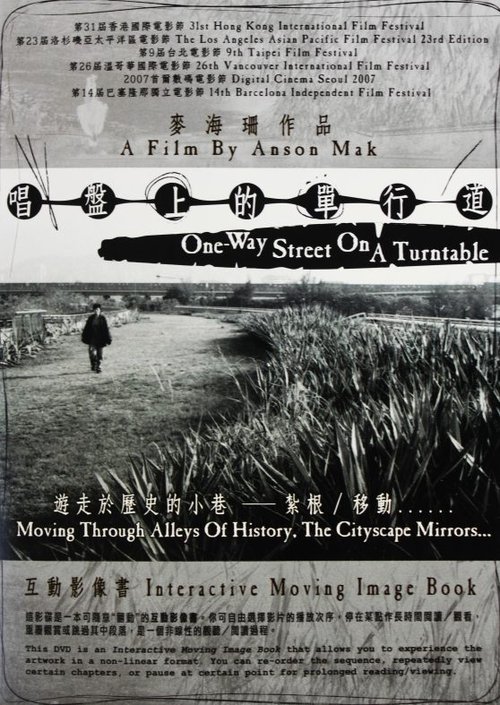
This essay film is about Hong Kong as a place, or rather as a series of places, each with their own series of histories. Mak is after public and private histories, and the ways they commingle, intertwine and sometimes even obliterate each other. Her materials are multiple: she takes what she calls “appropriated archival footage and propaganda films from the 60s and 70s done by the British Hong Kong Government," and cuts, loops, zooms, slows and manipulates them to make striking distortions. To these “official” materials, made strange through video manipulation, Mak adds black-and-white Super 8 video of her own, digitally altered to sometimes look battered and archival, highly worked into a beautifully ghostly, grainy, evanescently visible texture. Images are juxtaposed promiscuously in double and quadruple frames, often paired images of intangibly related material, elegantly matched to be thought provoking as well as to offer visual delight.
One-Way Street on a Turntable
In 1995, Anna Wu introduced a private bill on Equal Opportunities in Hong Kong covering sexual orientation, gender, age, disability, and family responsibilities. Anson Mak, with fellow activists from Queer Sister, organized playful, creative demonstrations as alternatives to traditional protests. Highlighting a pivotal moment in Hong Kong’s queer and feminist movement, this video documents the group’s actions and their discussions on identity, coming out, activism, and media representation.
Same Yet Different
This work explores the notion of differences and the impossibilities of clearly stating the importance of differences, regarding sound and images, visual and audio perception, sexual identity, Cantonese, written Chinese and English languages, representation by mass media and by ourselves, and interpretations of street actions.
Differences do matter 大不同
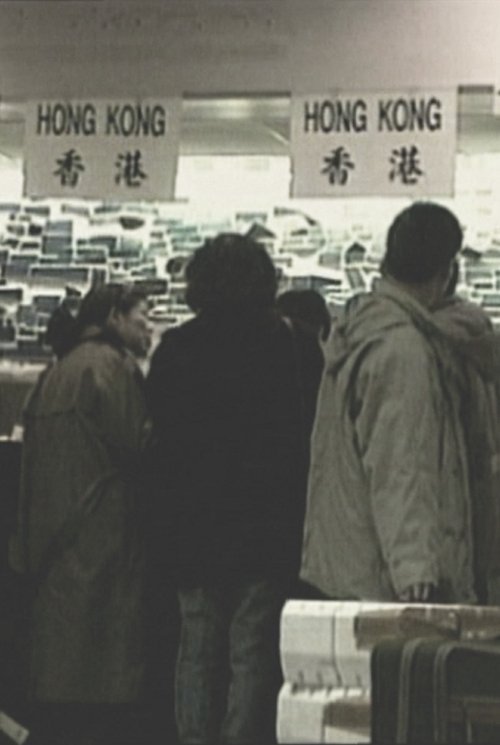
An average of 60,000 people emigrated from Hong Kong each year in early 1990s. An absolutely personal and biased sampling of this diaspora from an insider/outsider perspective just before the 1997 handover. Based on the personal experiences of individuals from Hong Kong in 1990s, Diasporama is an experimental documentary that addresses issues of the diasporic condition. In a series of intimate interviews that explore the relationship of the personal and the political, Yau Ching confronts notions of nationhood, identity, and post-colonialism. Inserting her own face and voice as a form of mediation, the artist herself becomes one of the subjects.
Diasporama: Dead Air
We see the world through a train window in Tra(i)nsient. Anson Mak captures the fleeting scenes that rush by: images of trees, buildings, power lines, rolling hills, and neighbourhoods, from sunrise through daytime to nightfall. Shot on a Super 8 camera, the video has a particularly grainy quality as light fluctuates over the course of a day. For the majority of the nearly twelve-minute piece, we hear the sound of falling rain and the clamouring of train wheels against the tracks; the viewpoint then shifts to a straight shot of Hong Kong, with the soundtrack changing to white noise. In the final moments, the film cuts to silent darkness. (From mplus.org.hk)
Tra(i)nsient
This early video work by Anson Mak unfolds in four parts: found footage exploring gender ambiguity in Cantonese Opera, a dance sequence in Central, an interview with a lesbian woman, and commentary from a friend in the form of a reflexive documentary. Together, these segments probe the representation and subjectivity of femininity and queer identity in early 1990s Hong Kong.