Acting
No description available.
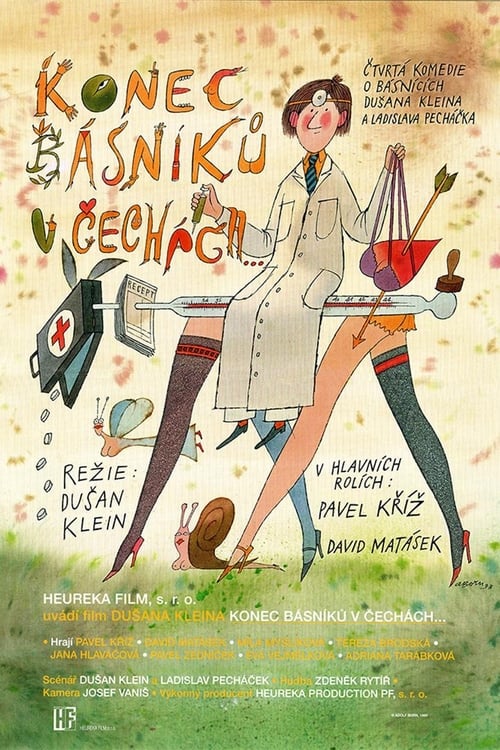
Dr. Štěpán, dismissed for his outspokenness, returns to his hometown determined not to bend his ethical principles to the ruthless new capitalism surrounding him. When he meets a young woman who may become the meaning of his life, he must confront the tension between his ideals and the demands of a changing world.
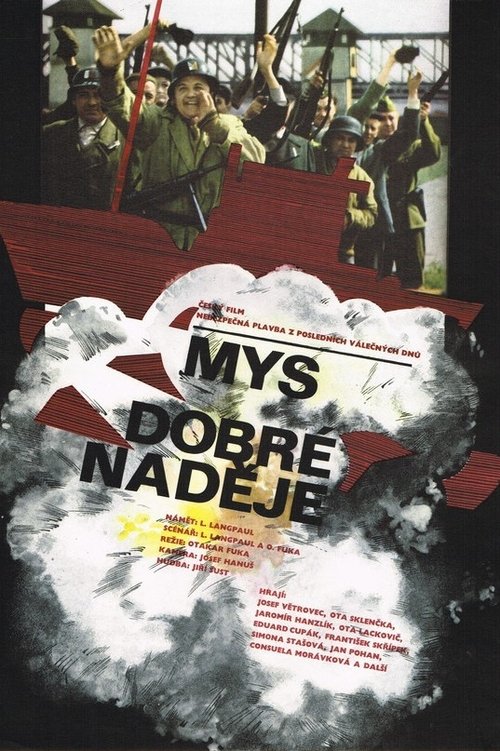
World War II is slowly coming to an end. On the German side of the border, panic slowly breaks out and the local commander orders the local port to be mined. The Czech boatmen take advantage of the sudden confusion and decide to carry out a crazy plan: steal a German ship full of explosives and sail towards Prague, which according to fascist plans is to become the last German stronghold...
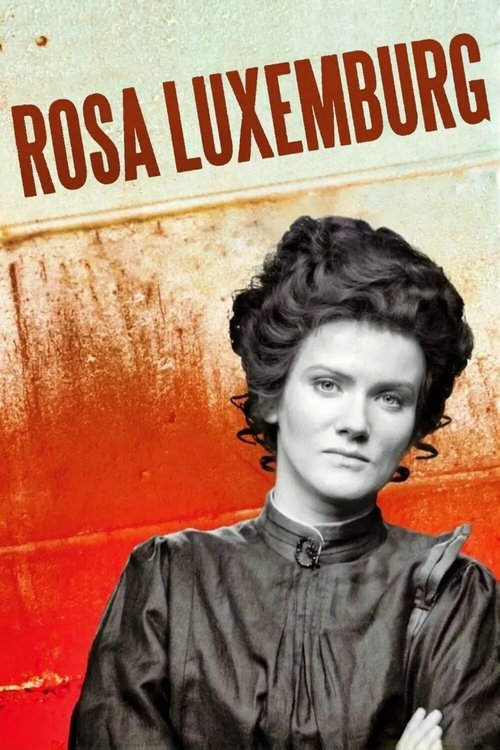
Polish socialist and Marxist Rosa Luxemburg works tirelessly in the service of revolution in early 20th century Poland and Germany. While Luxemburg campaigns for her beliefs, she is repeatedly imprisoned as she forms the Spartacist League offering a new vision for Germany.
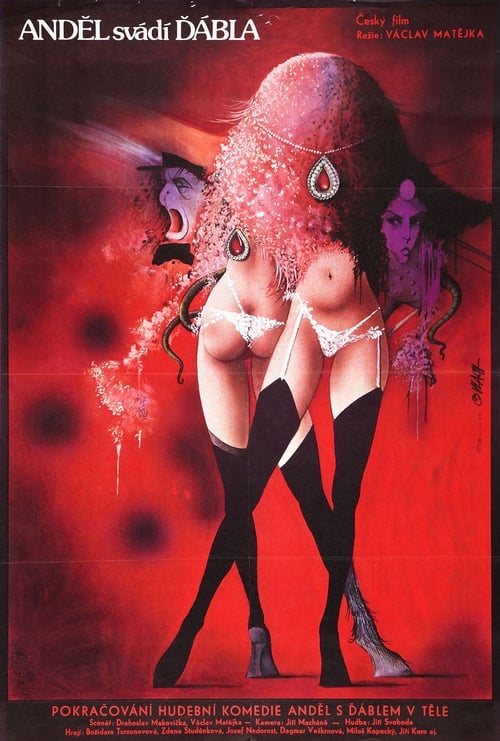
Once again, you can take a look behind the scenes of the Riviera Chateau on the Prague periphery, where a brothel for the socialites is hidden under the guise of an exclusive nightclub. The story takes place in 1930 and although several years have passed since the events of the first volume, the passions unleashed by the intrigues of the time have not cooled down. Once again you meet Renata, called Angel, formerly a prostitute, now the wife of the banker Justice and owner of the Riviera. The elegant Madame, who owned the business before and now works there as a mere manager, is plotting new schemes to get back everything she has...
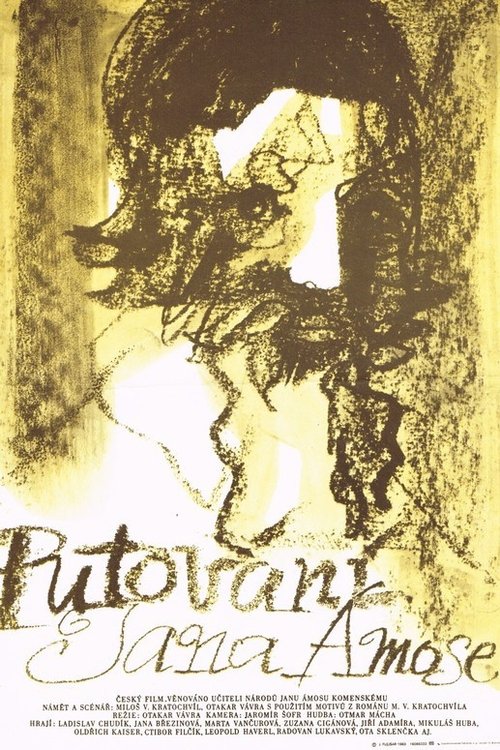
The distressing fate of the Czech great Jan Amos Komenský, forced to leave his homeland after the White Mountain disaster. It depicts his encounters with various European personalities of the 17th century - the Queen of Sweden, artists and scientists. It emphasises the hero's nobility, but also his inner resilience, which allowed him to overcome many personal and professional tragedies. The parable of The Labyrinth of the World and the Paradise of the Heart becomes part of the story. However, Comenius's concept is sculpturally lifeless and, in particular, the religious dimension is "erased" from it. The simplistic biography therefore does not avoid schoolboyish dryness.
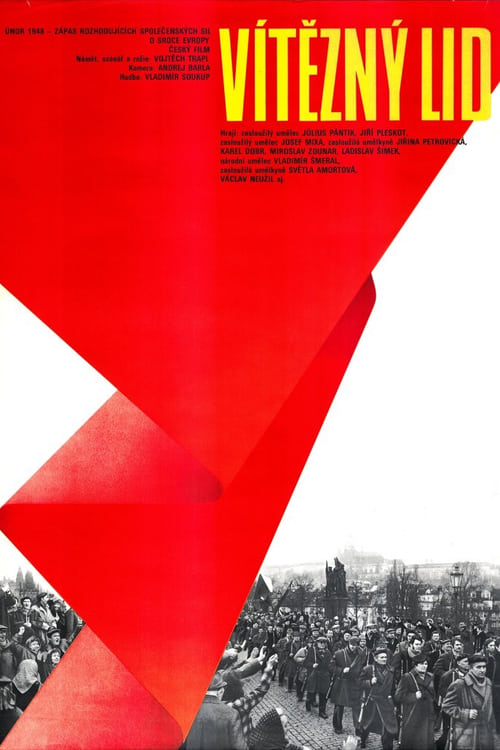
February 1948. The struggle of decisive social forces for the heart of Europe.
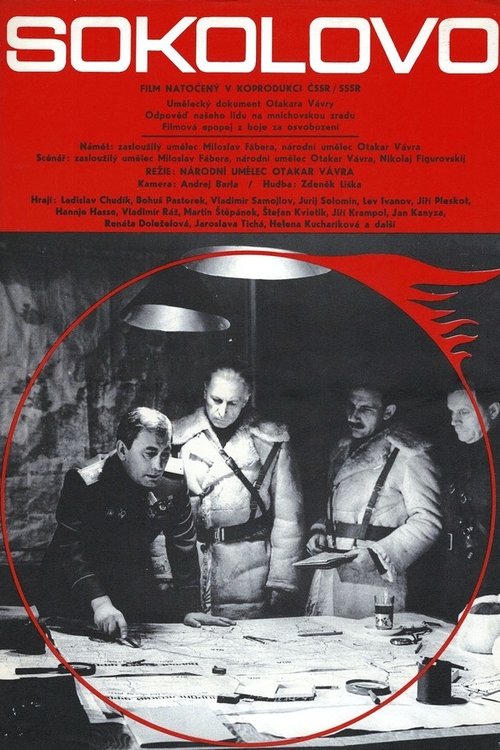
The plot begins in the Soviet Union showing first efforts to establish the Czechoslovak legion in 1942. The film also shows the assassination of Heydrich and the subsequent annihilation of Lidice. The main topis of the film is battles with German troops for Sokolovo.
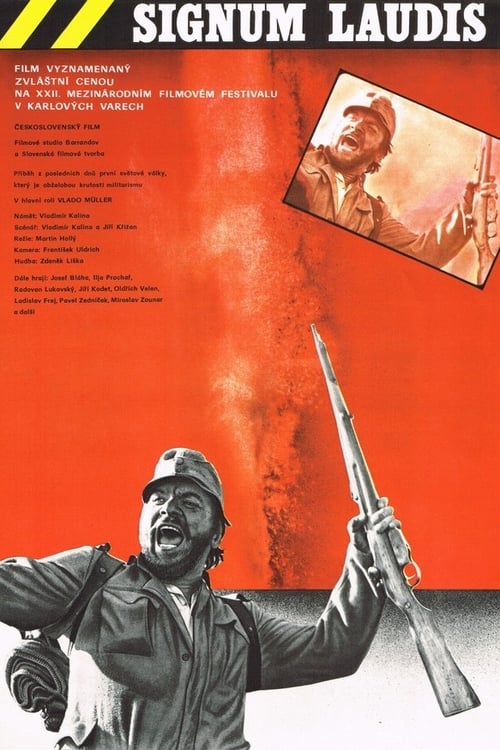
The trenches of World War I provide for a captivating backdrop to the drama of Corporal Hoferik. In his devotion to the Habsburg Monarchy, he fanatically carries out his military orders, but he ultimately suffers the Empire's disfavor.
Life of Czechoslovak soldiers in a military unit for the so called "politically unreliable" - the Technical auxiliary battalions, aka "the black barons". Although it might seem like a political satire and it's mostly funny, it shows the reality and the absurdity of military service under the communist regime. Based on a novel by Miloslav Svandrlik.
The film was based on the novel "Milión" by Karel Štorkán. The book and the film depict the events surrounding the great construction disaster in Prague in 1928, in which 46 construction workers died. The disaster thrilled the entire republic at the time, yet was never fully explained. The filmmakers focus on the story of Ing. Vondrák, the designer of the construction.
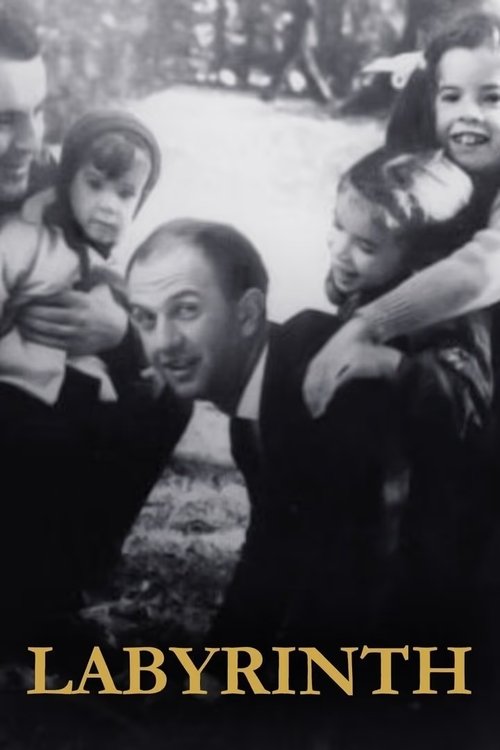
Film makes the creative process visible by letting its narrative flow in the mind of a foreign director who is researching a film about Franz Kafka in Prague. Based on the principle of dreams and free association, segments unfold that deal with the various points of view that Kafka's work, personality and fate offer. In the labyrinth of his mind, the fictional director projects himself into situations from the author's life, with Kafka himself as his guide. At the same time, he delves into the history of the persecution of the Jews and glimpses the monstrosity of the bureaucratic apparatus that Kafka anticipated but could not have foreseen the monstrous size and function it would grow to a few years after his death in the institutionalized genocide and overall machinery of Nazism.
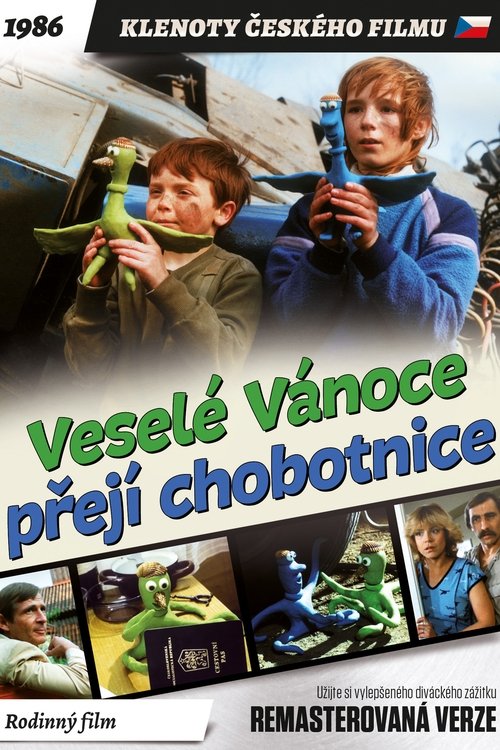
Eva and her younger brother Johnny own two sentient octopuses made out of strange matter. Will their parents divorce and ruin Christmas? Will a scientist find a way to use their pets as fuel? Live action film with stop-motion octopuses.
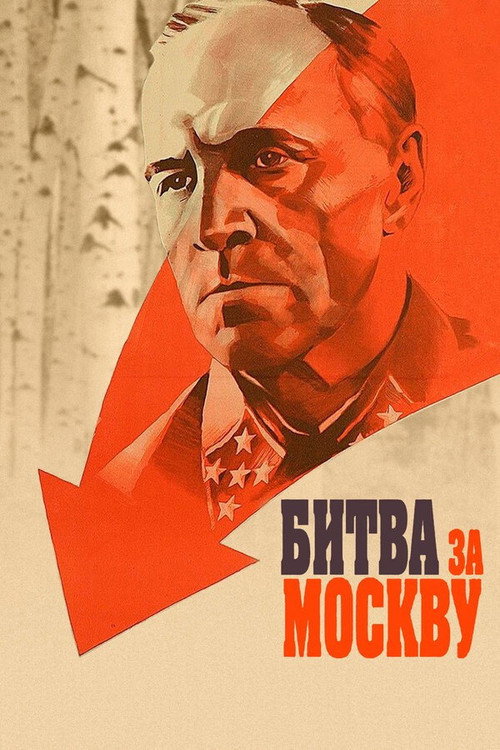
The Battle of Moscow is a 1985 Soviet multi-part war narrative, presenting a dramatized account of the 1941 Battle of Moscow and the events preceding it. The battle was the first major defeat of German Wehrmacht in the Second World War.
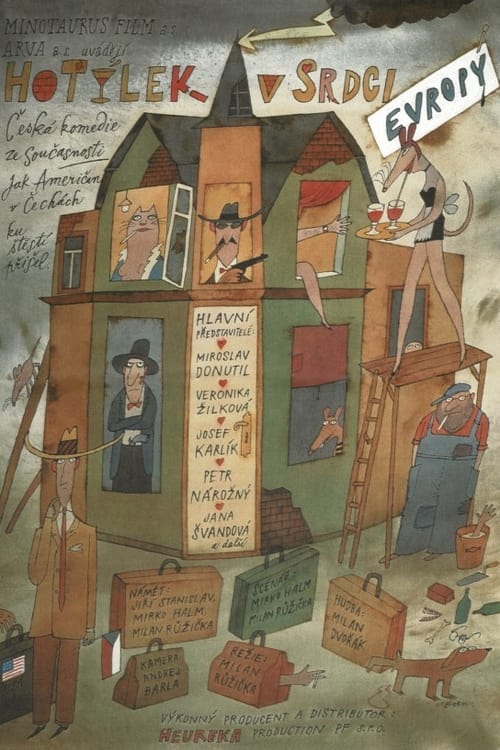
This comedy starring Miroslav Donutil tells the story of an American of Czech origin who returns to his homeland in the 1990s. At his parents' request, he is supposed to take over the family hotel in Prague and find a Czech bride. However, he has no idea what he will have to endure in the atmosphere of the 1990s, what condition he will find the property in, or what tragicomic situations he will have to go through before someone deprives him of his property. But in the end, he finds a girl who, unbeknownst to her, comes from the same background as him.
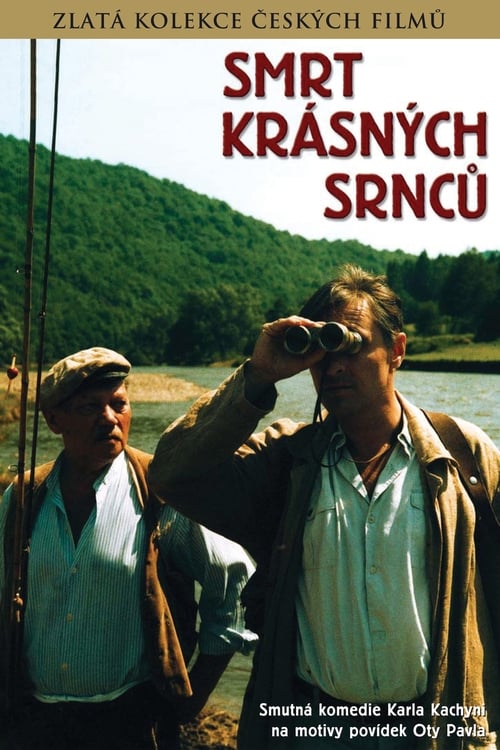
Leo Popper is a happy family man living in rural Bohemia in the years preceding the Nazi invasion. Out of economic necessity he moves with his family to the big city and becomes an enterprising vacuum cleaner salesman. There he embarks on a series of adulterous adventures, has encounters with boxing pros and famous portrait artists, and schemes to purchase the perfect pond to fulfill his passion for fishing. When the Nazis gain control, the comedy turns sour - he loses his lake, his job, and finally, his family.
A coming of age drama about a young boy Jirka who lives in Prague.
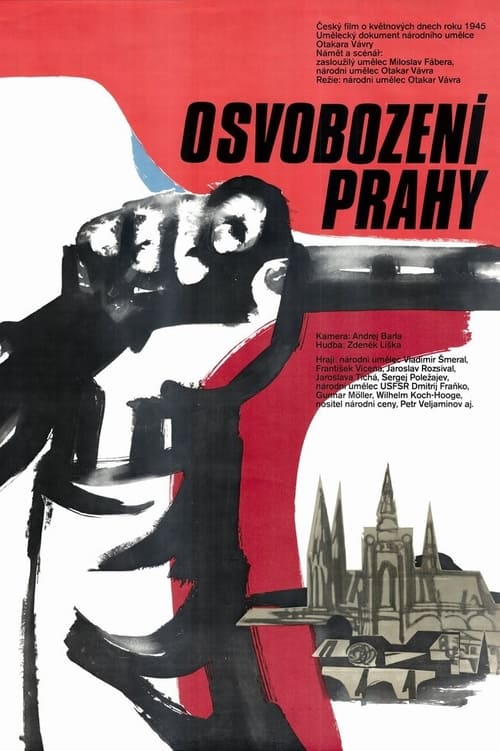
On 20th of April 1945 the Soviet army launches its attack on Berlin. The end has come for Nazi Germany and Hitler decides to commit suicide. In Prague K.H. Frank (Nazi Secretary of State and Chief of police in the Protectorate of Bohemia a Moravia) discusses with his commanders how to transform the city into an impregnable fortress, but the Praguers do not intend to wait any longer. From the early hours of 4th of May people start assembling in the streets and tearing down German signs. On the next day, the 5th of May, the uprising begins.