Acting
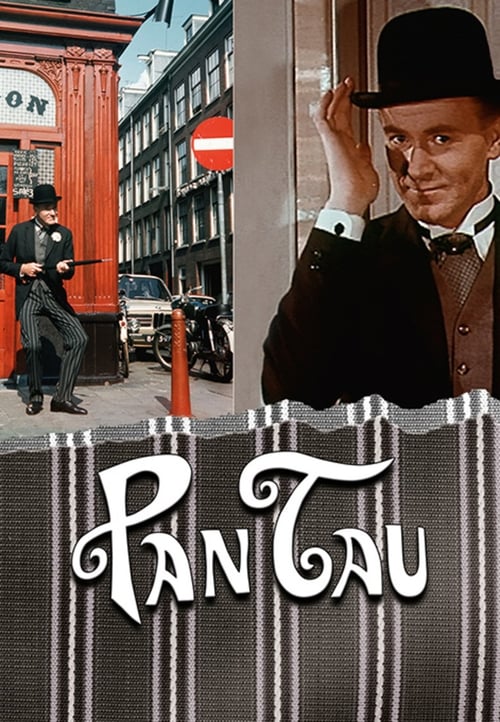
Pan Tau always had a gentle expression and a friendly smile, he was elegantly dressed in a stroller, with an umbrella and a white carnation in the lapel. Foremost, he was famous for his magic bowler hat. By tapping on his hat, Pan Tau was able to change his appearance into a puppet, to conjure up miscellaneous objects or to do other magic. His most characteristically behavior is that he would help children who were experiencing some sort of difficulties in-between their dreams and reality, like finding a place for skiing, settling family problems on Christmas, and even give a boy a good time at a fair when he is supposed to have piano lessons. To adults, he usually remained invisible.
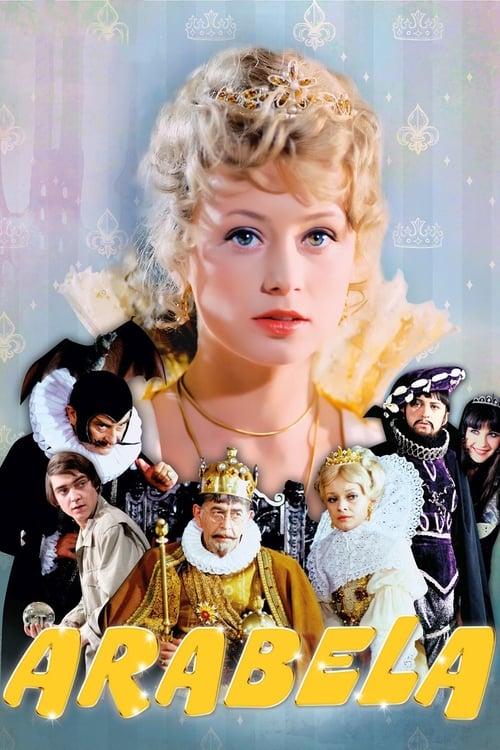
Arabela was a children's television series produced in Czechoslovakia which aired from 1979 to 1981. The series has 13 episodes and is in the Czech language.
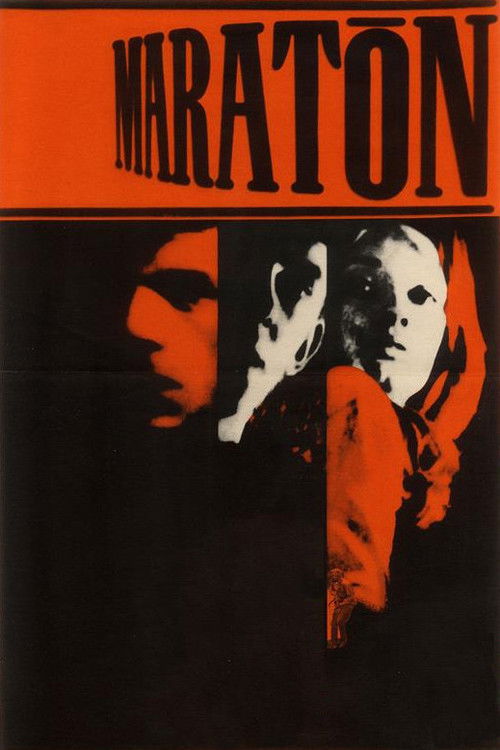
A group of outcasts, including a vagabond and a prostitute, gather at the outskirts of the industrial area of a large Czech city, one of the things that helps some of them survive is alcohol.
No description available.
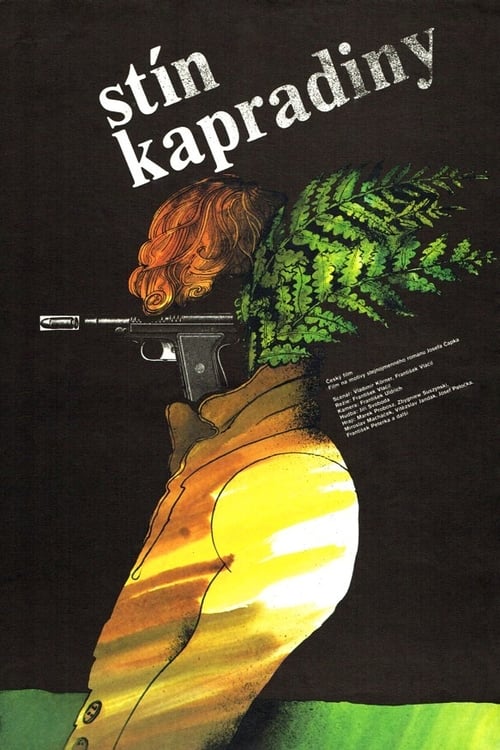
Based on the only extensive prose work by the surrealist painter Josef Capek, Shades of Fern most resembles the philosophical fairy tales and fables of Josef’s older brother, the legendary Czech novelist and playwright Karel Capek. Two young poachers, more boys than men, kill a gamekeeper when they are caught illegally hunting. Panicked, they retreat into a forest that grows steadily more forbidding and deadly as their fear for the future—and guilt over their action—mounts. Loosely based on hundreds of oral folk tales and legends that haunt the woods of Czechoslovakia, Vlácil’s contemporary updating artistically underscores the relationship between man and nature, crime and punishment, isolation and society, and guilt and memory.
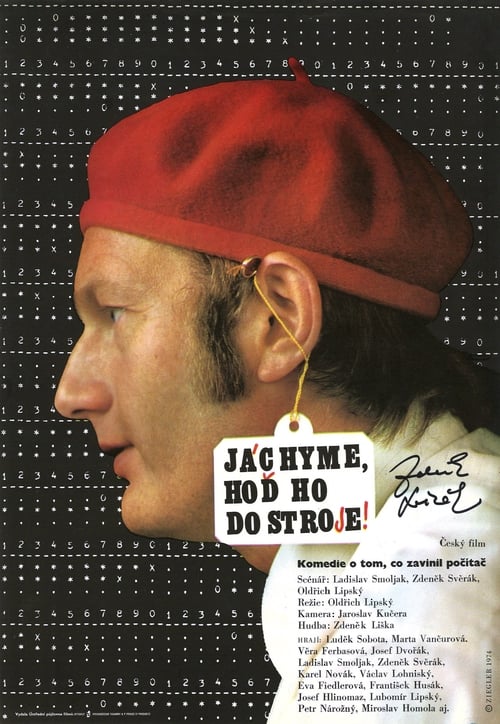
A sincere provincial young man, Frantisek Koudelka leaves to work in Prague. For the trip he buys a computer made horoscope with biorhythms charts, marked according to his date of birth, there are trappy, precarious, unsuccessful and even critical days and few successful days. The clumsy luckless person Frantisek has finally a guidance for his life.
Former Nazi Klaus Abard survives to the 1990s by taking anti-ageing pills. He plans to use a time travel trip to return to Germany in 1944 and present Hitler with a hydrogen bomb, so that he can win the war. Unfortunately the pilot, woman-chasing Karel Bures, dies on the morning of the trip and his earnest twin brother Jan impersonates him, without knowing about the plot.
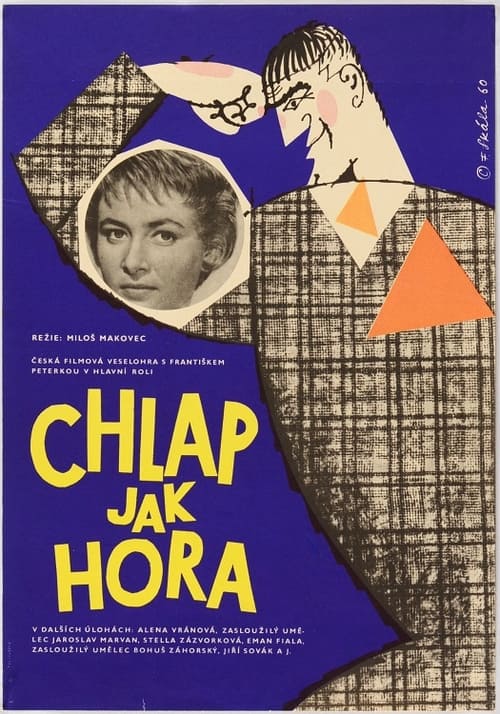
We learn that the greatest virtue of socialist competition is collective cooperation. This is what the young, physically fit assembler refuses to understand. He suspects his co-workers of overlooking his merits out of jealousy. And it takes him a long time to understand that the individual alone can do nothing, that only the collective has the necessary strength - and therefore the truth.
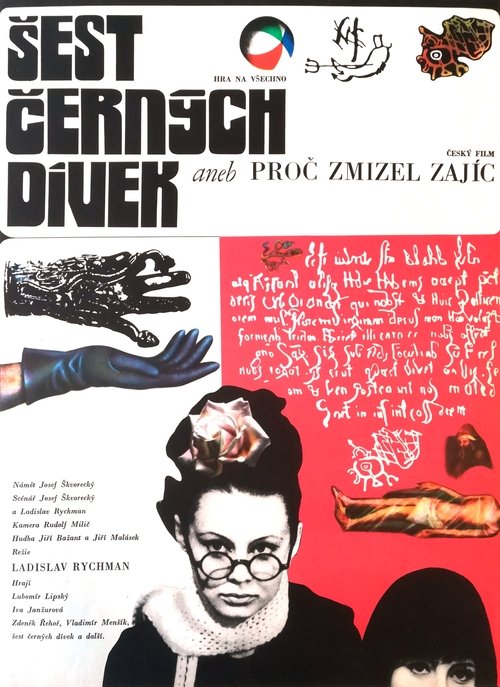
Detective Lieutenant Boruvka (Lubomír Lipský) is called to the State Scientific Library to investigate the loss of a precious manuscript, the Infernal Psalter of the Occult Sciences by Master Peregrinus from the eleventh century, written in a secret script which has only recently been deciphered by senior lecturer Zajíc (Josef Chvalina). Chaos is reigning in the labyrinth of passages and halls of the former monastery where the library is housed. In order to save space the director of the library has introduced a peculiar system. The books are arranged in the bookcases according to height and six girls dressed in black, the library assistants, are quite happy to cut volumes down to size in case of need. Boruvka refuses the case, since he is specialist in murders. He has to return to the investigation, however, when senior lecturer Zajíc disappears.
In the thick woods at the edge of the Bohemian Forest, two border guards are keeping watch - rifleman Kucera (Rudolf Jelínek) and dog handler Stencl (Josef Hajducík), whose sluggishness and clumsiness have won him the nickname Simpleton. The official army dog, the bitch Líza, picks up the scent of an alien dog on the German side - Black Wolf. She bites through her leash and runs away. Soon afterwards, the border boundary was interrupted. The two soldiers are wounded in the gunfire that follows, but Stencl's shot also hits the target and the intruder - an attractive woman in a black jersey - is dead. The investigation reveals that this agent knew someone among the local residents. The locals are all called in to identify the body but nobody admits to knowing the woman.
Ostrava - Kunčice , 1953: on the same day as the manifestation funeral for J. V. Stalin, the funeral of Brigadier Bédi Nevěřil, a tragic victim of the bureaucratic cadre machine... The story unfolds in the memoirs of another brigadier, former journalist Karel Kratochvil.
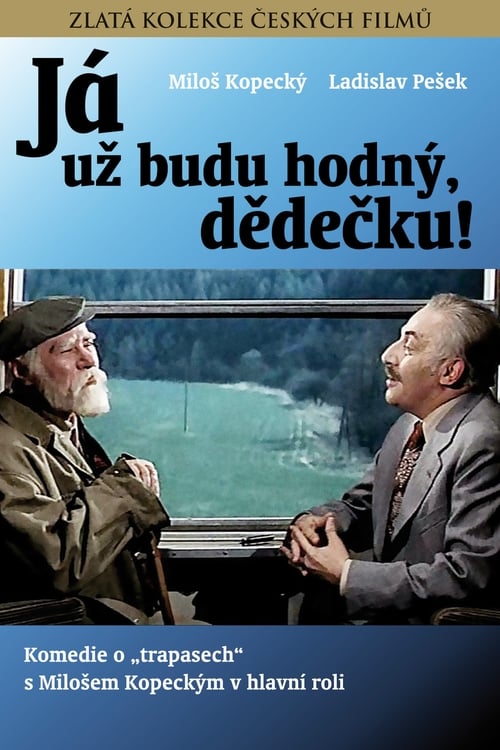
To the intolerant and bloody-minded Prague actor Bergner (Milos Kopecký) is the lead in Moliere's Misanthrope which he is studying now as tailor-made. On top of that he is malicious and he advises to the new actress Helenka (Dagmar Havlová) in such a way that she upsets the theatre director. If Bergner accuses somebody of a mischief and he is wrong, he never apologizes. When he almost crashes an older elegant lady by his car on the zebra crossing, instead of an apology he calls her an old ballet dancer... But in Brno's TV he takes part in a discussion on manners and he gives himself as an example of good manners and grace. In the train he meets a magic old man (Ladislav Pesek) who warns him and admonishes him to change his behavior. After he arrives to Prague the old man's threat comes true.
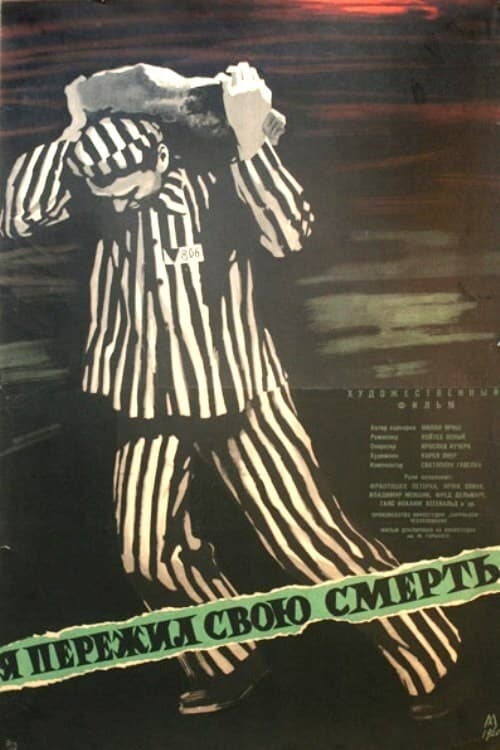
Telling the prisoners of a death camp. Boxer Tony Majer, who got into a concentration camp for a fight with the Gestapo, remembers the murderous work in quarries, on the cruel torture of the Nazis and prison solidarity that helped him survive.
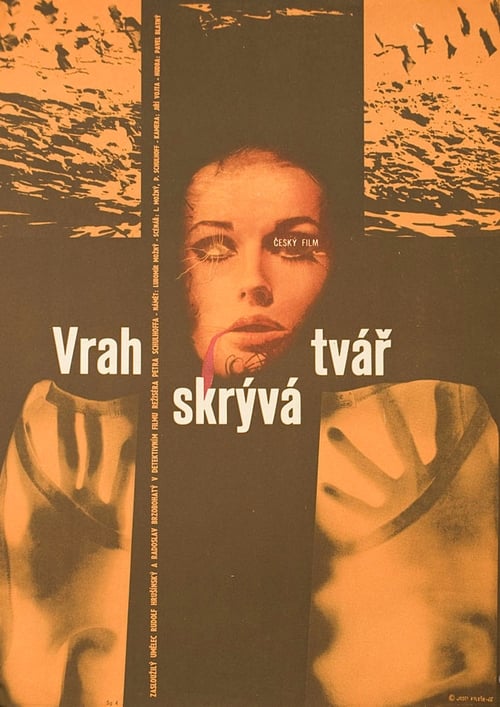
In the forest near the village of Drahovice, a nurse from the local health center is found murdered. Three months ago, another young woman died nearby and a sexual motive was proved in the case of her murder. In the case of the nurse, the motives are not so clear. Two criminologists from Prague - Major Kalas (Rudolf Hrusínský) and Lieutenant Varga (Radoslav Brzobohatý) - patiently collect all available leads and question the villagers.
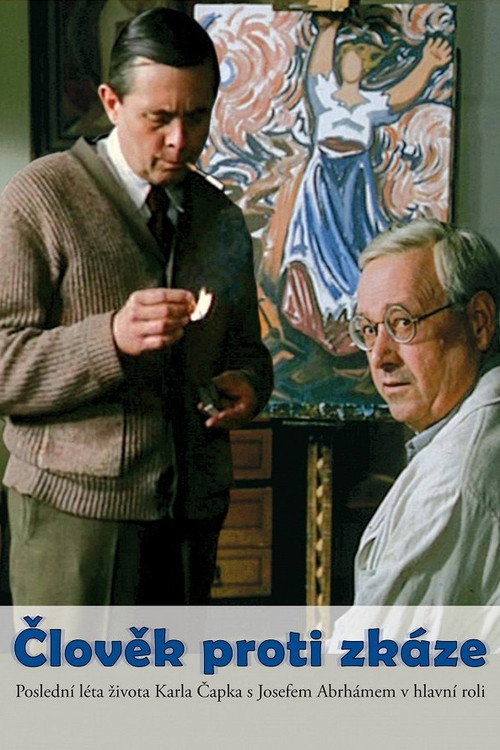
Biography of Karel Čapek.
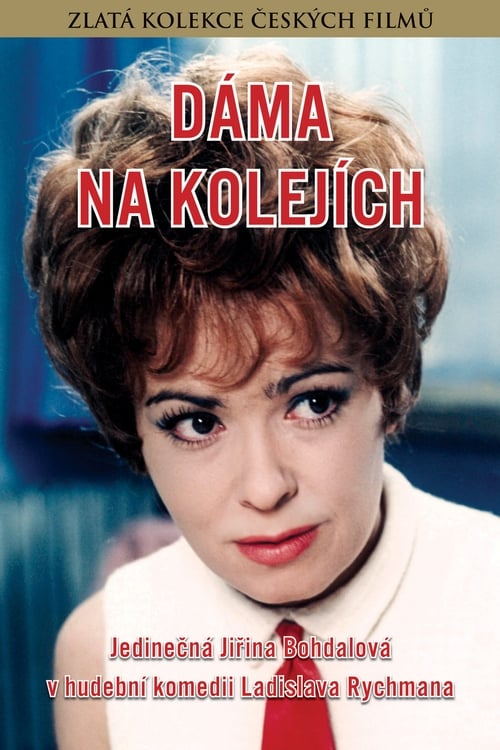
Tram driver Marie has far too much to do after her shift is over. But she likes to do it all since she loves her husband Václav sincerely. One day she spots him on the Lesser Town Square in Prague, kissing an attractive blonde good-bye. It seems to Marie that her small comfortable world has collapsed and she walks out of the tram in tears. But her sadness does not last long. She wipes off the tears and begins to act. She withdraws all the money from their savings books and buys off all the latest models from the Fashion Works. The visit to the beauty salon then completes her transformation into a lady.
It is 5 May 1945 and the uprising against the hated German occupiers has broken out in Prague. The Czech guards open the gate of the Pankrác prison to allow the prisoners to escape en masse. Many of them are shot dead by the German guards but young Ruda (Jaromír Hanzlík) manages to run away. He is taken care of by one of the Prague fighters, concierge Kytka. Kytka hides him in the flat of the house's owner where only the young maid Karla (Jana Brejchová) is left, ordering her to take care of Ruda.
Mr. Novak tells a lie to his neighbor Mrs. Bartackova that her husband is unfaithful to her and that is how it all started.
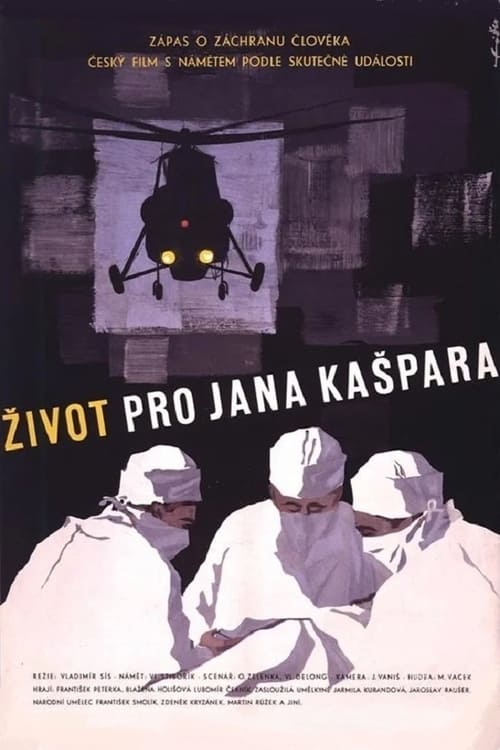
The bridegroom Jan Kaspar is an officer in the Klement Gottwald's Nová Hut rolling-mill. After bidding farewell to his freedom, he accidentally takes a sip from the bottle of tetrachlore which he stores at home. He disregards the dizziness, but the next day, he faints in the factory and has a brain concussion. During her regular tests, doctor Dudková is shocked by a high percentage of residual nitrogen found in Kaspar's blood. Doctor Bohácek, with whom Dudková consults, thinks that it is a liver disease and informs the head physician Filip. The doctors know nothing about tetrachlore and are in the dark about the case. Despite that, they immediately start to fight for Kaspar's life and their struggle consequently affects their personal lives.
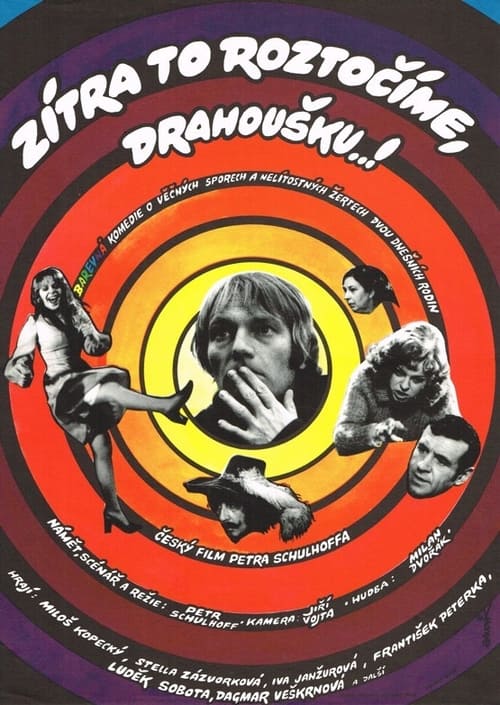
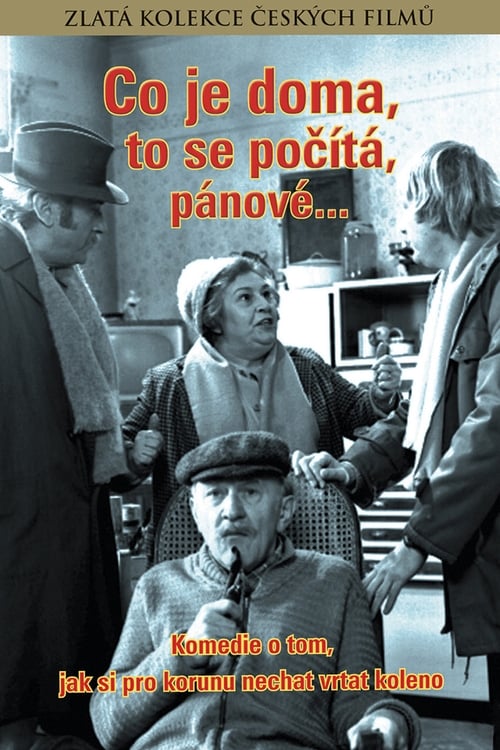
For the Novák and Bartáček families, money is king, and they'll do just about anything to get it. While René Novák pitches his parents a lucrative scheme to swindle as many people with the last name Novák in the country as possible, the Bartáček clan decides to pretend to be much poorer than they really are in order to siphon some dollars from an American relative. And it doesn't take long before these separate scams start to intertwine.