Acting
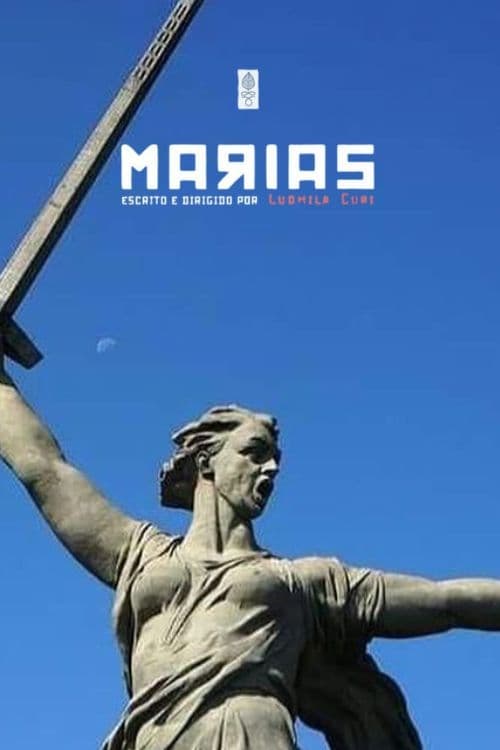
Marias is a road movie that travels through Brazil and Russia in search of a woman that took part in great moments of the last century and had been made invisible by machismo and political persecution.
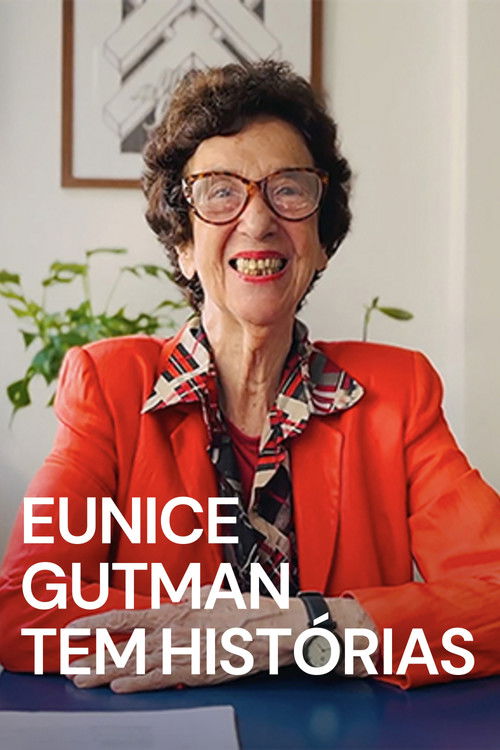
Through rare and striking footage from her own films, Eunice Gutman Has Stories revisits the journey of one of the pioneers of feminist cinema in Brazil. This is a tribute to the director, who will celebrate 50 years of work and 85 years of life in 2026.
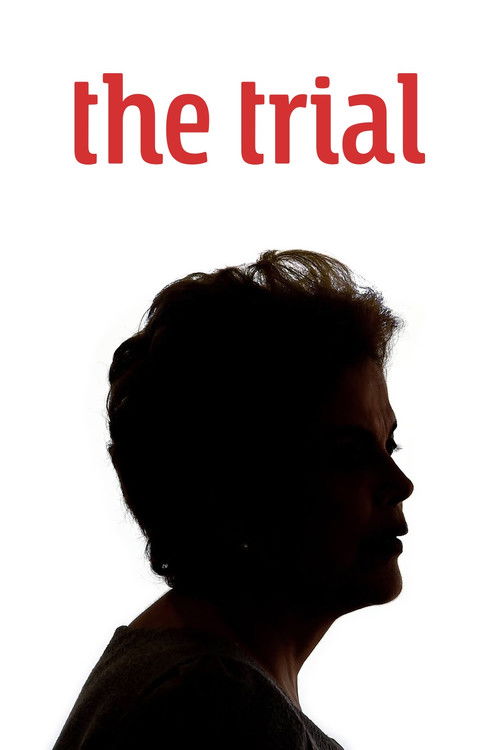
The impeachment and removal from office of Brazilian President Dilma Rousseff in 2016 was triggered by a corruption scandal involving, among others, her then vice-president Michel Temer. Director Maria Augusta Ramos follows the trial against Rousseff from the point of view of her defence team. This is a courtroom drama that unfolds slowly: the appearances of the various parties gradually turn the proceedings into something akin to theatre. Inside the courtroom, grand emotions are played to full effect whilst, on the other side of the doors, lobbyists and supporters pace the corridors. Meanwhile, outside, in front of Brasília’s modernist government buildings, demonstrators are chanting like a Greek chorus. Only the main character, Rousseff herself, remains professional and aloof.
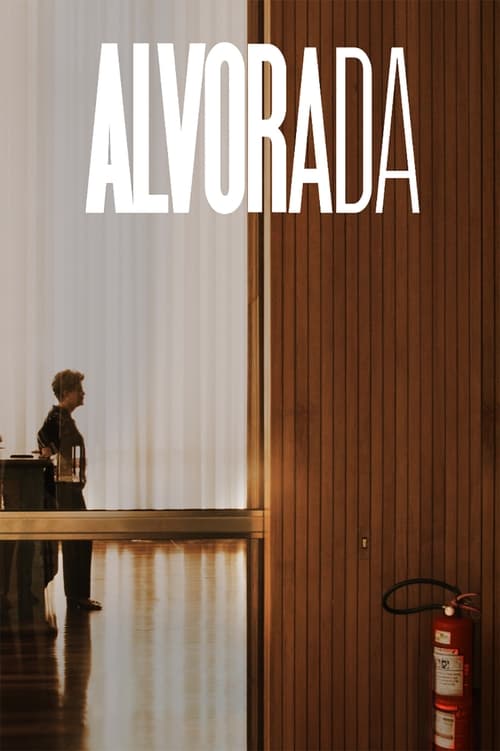
The film narrates, from an intimate point of view, the daily life of President Dilma Rousseff in her official residence, the Palácio do Alvorada, while awaiting the verdict of the impeachment process. Portraying the hallways of the palace, designed by Oscar Niemeyer, we see the coming and going of political meetings, the daily routine of the kitchen, the exchange of guards, whispers and phone calls. We feel the growing tension of officials, advisers and former ministers.
The film begins with the implementation of the Paulo Gustavo Law in São Manuel, a town of 40,000 residents in the countryside of São Paulo, to open a broader conversation: what happens when public funding reaches the cultural sector? And why is there still so much resistance to that? Through interviews with funded artists, cultural managers, policymakers, and spontaneous conversations with local residents, the film reveals a reality that goes beyond the borders of a single town, drawing a wider picture of the relationship between art, public policy, and everyday life. The documentary features historian Célio Turino, creator of the Pontos de Cultura program, and congresswoman Jandira Feghali, rapporteur of the Aldir Blanc Law. The screenplay is co-written by Turino and director bagadefente.
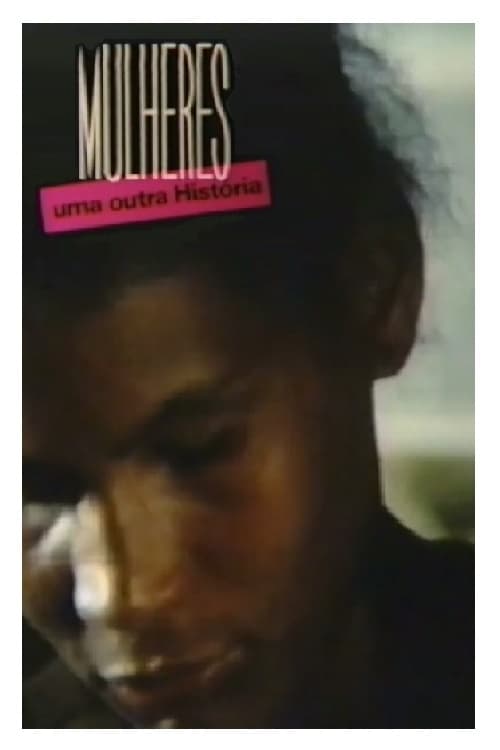
Filmed as Brazil was transitioning back into a democracy after over two decades of dictatorship, ‘Mulheres: uma outra história’ focuses on various aspects of women's participation in the Brazilian political scene and features interviews with some of the 23 women newly elected to the Constituent Assembly who managed to gain the approval of some of their proposals for the Brazilian Constitution which was being written at the time. The film features appearances from suffragist Carmen Portilho, who reminds viewers about the long history of struggle for women to earn the right to vote in the country, and Jandira Feghali and Benedita da Silva who would become some of the most influential political leaders in the country’s history.