FEEL IT.STREAM
Ziad Rahbani

Ziad Rahbani

Acting

Biography

Lebanese composer, songwriter, singer, playwright, journalist and director. He began composing since he was six years old. He also composed his first song for for his mother, Fairouz, at only seventeen years old. Ever since, Ziad began working with his mother and the Rahbani family in their theatrical works at that time, then he also began writing and directing his own plays, which began to bear his own mark and his political and social views, which include (سهرية، نزل السرور، بالنسبة لبكرا شو، فيلم أمريكي طويل، شيء فاشل، بخصوص الكرامة والشعب العنيد). He's also written and composed several songs for Fairouz (البوسطة، عندي ثقة فيك، سلم لي عليه، إيه في أمل), and has taken part in several radio shows (العقل زينة، ياه ما أحلاكم، نص الألف 500) Ziad's first artistic work was "Sadiqi Allah" (My Friend God), a collection of writings between the years 1967 and 1968 when he was in his teens. In 1973, at age 17, Rahbani composed his first music for Fairuz. Assi Rahbani, his father, was hospitalized and his mother Fairuz was to play the leading role in Al Mahatta by the Rahbani brothers. Mansour Rahbani, his uncle, who had written the lyrics of a song about Assi Rahbani's forced absence, gave Ziad the task of composing its music. The song "Saalouni El Nass" (People Asked Me) gained Ziad recognition.
Known For

El Ostaz Mamnoue
N/A

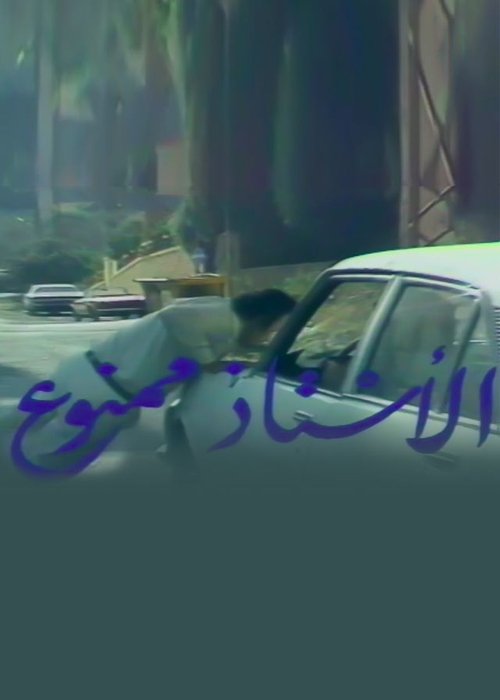
In a family comic framework, the work deals with the story of Fadel, who is known as Professor Mamnoue, who refuses Arabic is pronounced incorrectly and always objects to mistakes from the person in front of him, whatever their appearance.

El Ostaz Mamnoue

1986
Nahla
7.0

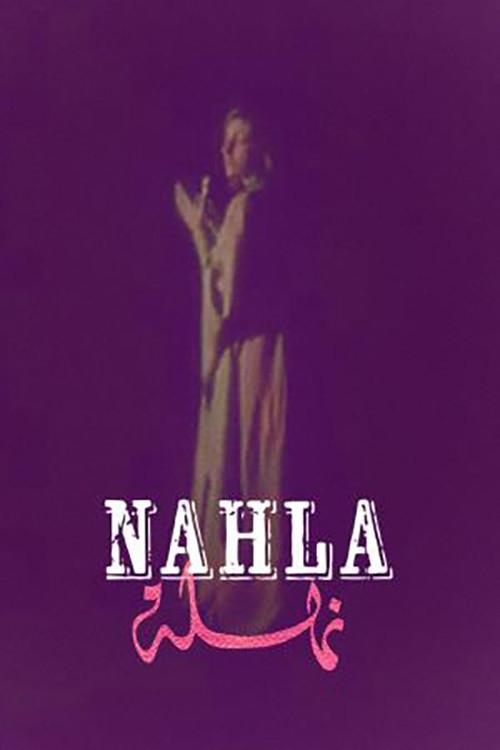
After the battle of Kfar Chouba in Lebanon in January 1975, Larbi Nasri, a young Algerian journalist, was caught in the whirlwind of events preceding the civil war. Linked to Maha, Hind, Raouf and Michel who surround Nahla, he witnesses the construction of the myth of Nahla, a singer adored by the Arab population. One day Nahla loses her voice on stage. The atmosphere of crisis that reigns around her is spreading like an infection. Larbi, fascinated, loses his footing and gets bogged down.

Nahla

1979
The Kite
5.4

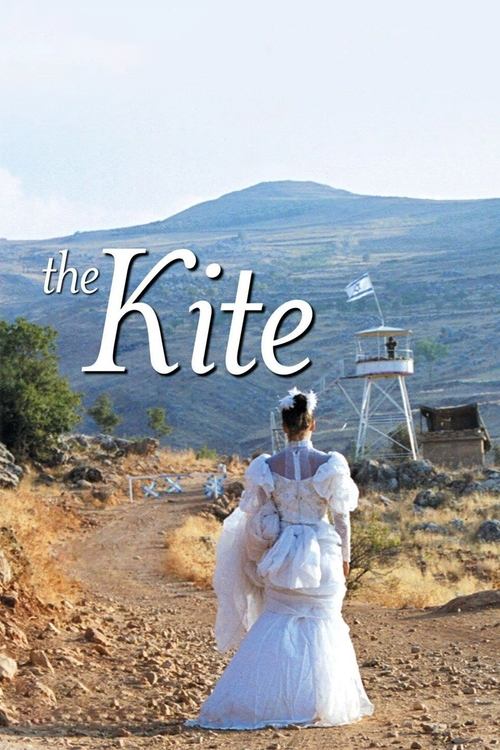
A young 15 year old girl, Lamia, lives in a southern Lebanese village on the border with Israel. She is given in marriage to her cousin on the other side of the border. As Lamia crosses the barbed wire she also passes from childhood into adulthood, as brutal as our countries and the events that are to follow.

The Kite

2004
Mays Al-Reem
8.0

The play takes place in the village of Mays Al-Reem, which Zayoun (Fayruz) arrives on her way to Kazaa Kahlon to attend the wedding of her cousin, along with the wedding dress. Zayoun is a free, civil, and decision-making civilian girl. Her car broke down in Mays Al-Reem, and she asked about a car repair workshop in Al-Dayaa.

Mays Al-Reem

1975
A Civilized People
7.0

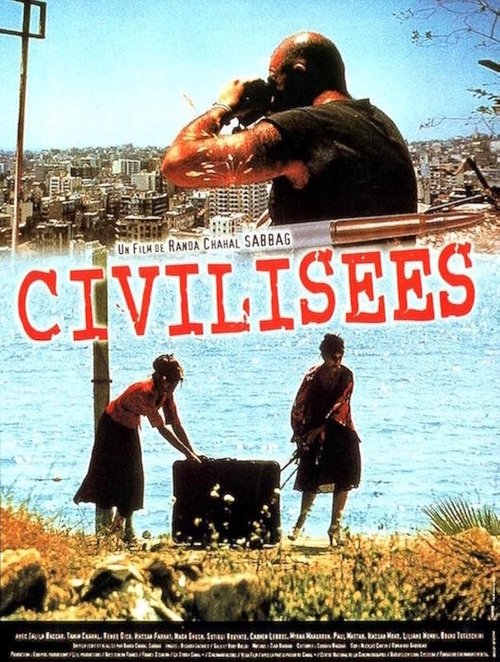
Lebanese director Randa Chahal Sabbag spins this bleak war drama about the brutal absurdity of the urban warfare of Beirut during the 1980s. Opening with the shocking image of kittens being blown apart, the film loosely follows the travails of Bernadette (Nada Ghosn), a naïve country girl sent to the city as a maid for a mansion long since abandoned by the owners. There she meets Therese (Renee Dick), a veteran house cleaner who takes her under her wing. One day, while accompanying her friend to the cemetery, she meets a rakish Arab militiaman, and the two fall in love.

A Civilized People

1999
Return to Haifa
7.0

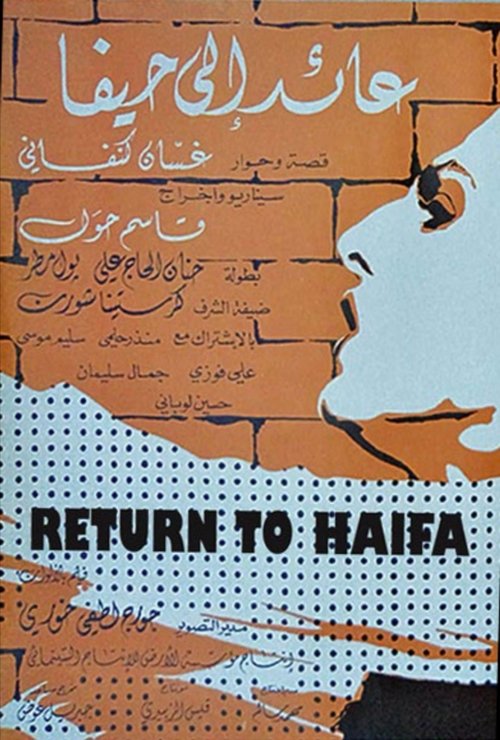
Return to Haifa is based on Kanafani’s novel the plot of which takes place in 1967, when Palestinian refugees living in the newly occupied territories had an opportunity to visit the places from which they had been expelled in 1948.

Return to Haifa

1982
Whispers
5.5

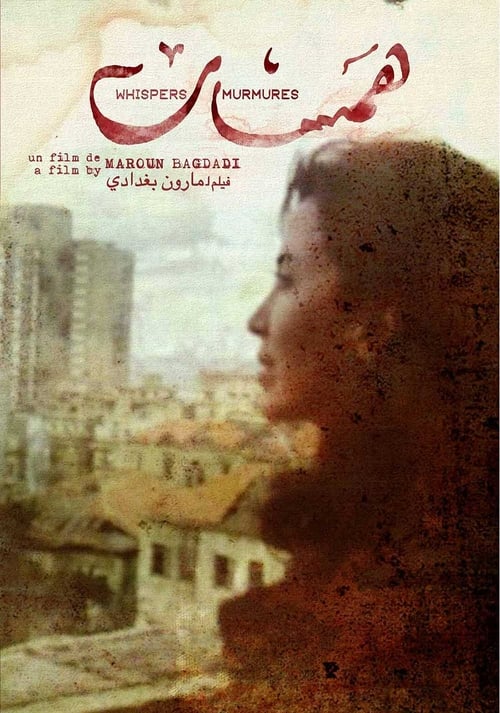
At every station, between sites filled with poetry and nostalgia for a bygone era, the poet's dashed dreams and idealized vision of her country coincide with the director's own.

Whispers

1980
Joy Descended
N/A

No description available.

Joy Descended

1974
American Motion Picture
10.0

During the early years of the Lebanese civil war inside a mental hospital located in West Beirut, we met seven patients and two drug addicts inside the walls of this hospital who suffer from severe cases, some of which came as a direct result of what happened during the war.

American Motion Picture

1980
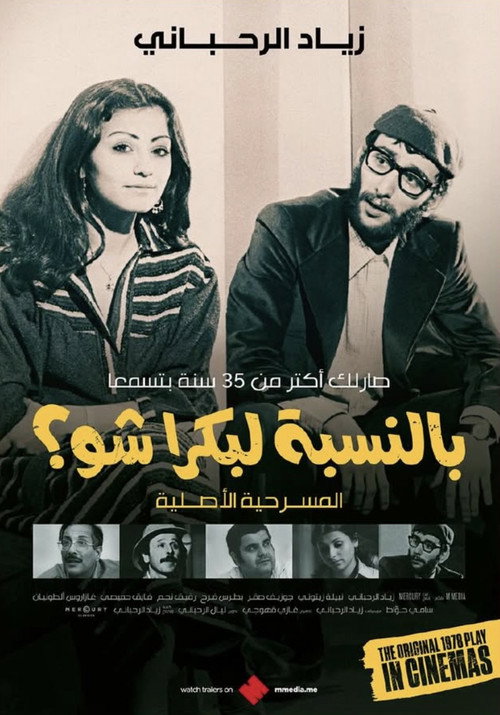
What About Tomorrow?
10.0

Zakaria and Soraya, a married couple, decide to move to live in the Lebanese capital, Beirut, in order to improve their living conditions, and they join work in a bar in Hamra Street, which accepts the various segments of Lebanese society, which forces them to make many concessions in order to achieve the desired social advancement.

What About Tomorrow?

1978
Houdou Nisbi
N/A

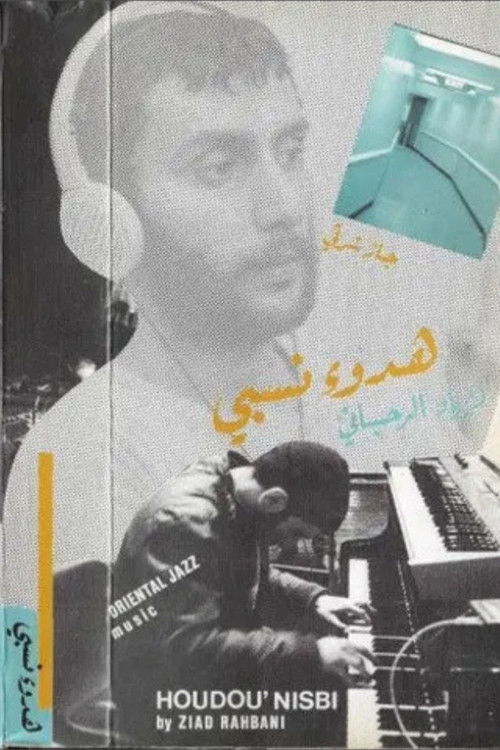
A trip with Ziad Rahbani and his team into the making of "Houdou Nisbi".

Houdou Nisbi

1985
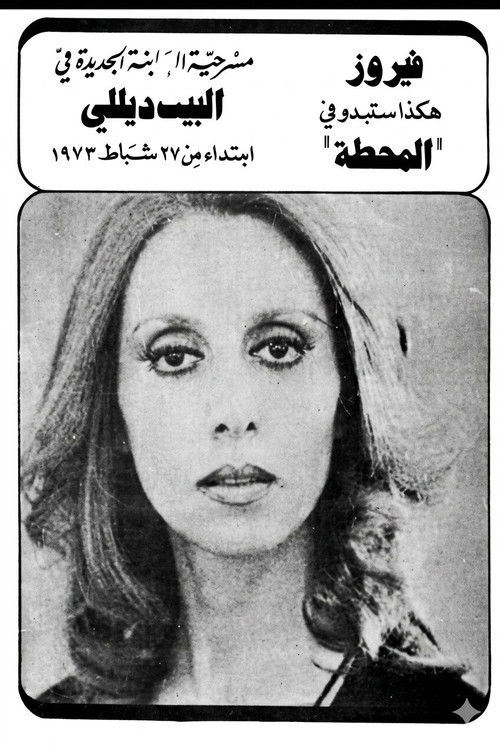
The station
N/A

Warda is a strange girl who appears in a field to convince people that it is a train station and that a train will arrive with the promise of a better life. The station's rumor reaches the mayor, the police chief, and the school teacher, who come to find out the truth. After they refuse to believe Warda's claim, they accuse her of causing chaos and problems.

The station

1973
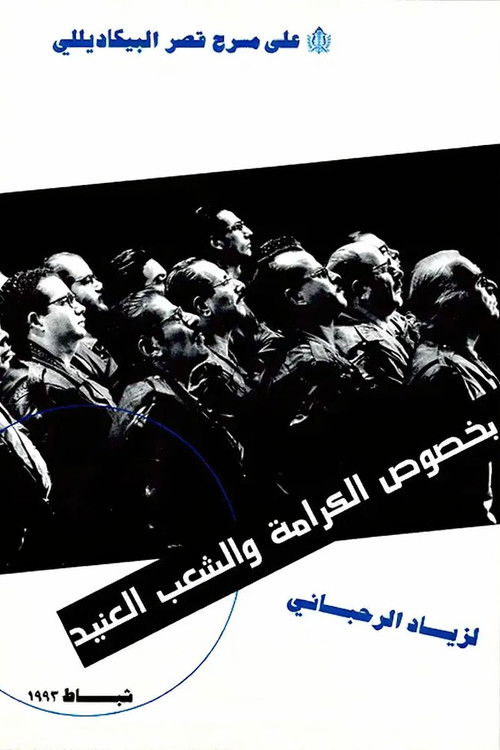
Regarding dignity and stubborn people
10.0

The events highlighted the resilience of the people of southern Lebanon in the face of any assault on their dignity, revealing how the enemy confronted a fierce opponent united in all its movements, currents, and factions.

Regarding dignity and stubborn people

1993
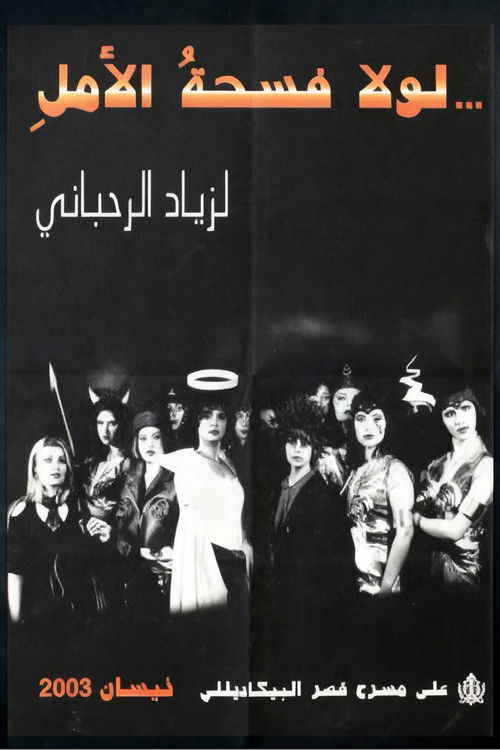
If it weren't for the space of hope
N/A

Continuing the events regarding dignity and the stubborn people, and the officer's control over the area where the events take place in southern Lebanon, led by an advisory council with crazy laws.

If it weren't for the space of hope

1995
Alive: Music from Beirut
N/A

The movie "Alive" by Ziad Rahbani, released in the early nineties, includes various video concerts that were held in the late eighties, after the release of "Relative Calm" CD.

Alive: Music from Beirut

1991
Sahriye
N/A

In this 1973 theatrical production, written by Ziad Rahbani and directed by Nicholas Abu Samah, the story unfolds in a humble Lebanese village café in search of a new singer. Set entirely within Ahwet Nakhlet el Tineen (Dragon Palm Café), run by the proud owner and performer Nakhle, the play follows his quest to replace himself as the café's main attraction. After a failed audition process, a talented newcomer (Marwan Mahfouz) arrives with a captivating voice. Fearing his daughter Yasmeen's (Georgette Sayegh) growing affection for the young singer, Nakhle initially refuses to let him perform—until a change of heart alters the course of all their lives. The play is celebrated for its iconic musical numbers, including classics like "Ya Bint El Ma'awan" and "Nattarni."

Sahriye

1973