Teta Tsybulnyk
Directing
Biography
Teta Tsybulnyk was born in 1987 in Kyiv, Ukraine. She studied sociology and social anthropology at Central European University (Budapest) and worked as a program coordinator at the International Festival of Film and Urbanism “86”. Co-founder of the film and art union ‘ruїns collective’, producer of independent films.
Known For
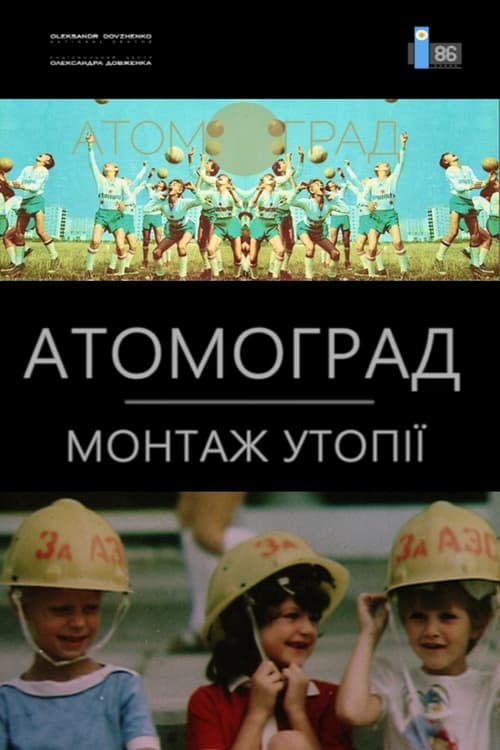
An audiovisual study on the utopian territory of the Ukrainian nuclear cities. The film is made of TV and film chronicles of 1970-86, filmed in six Ukrainian nuclear cities. The construction of nuclear cities, the nuclear power plants satellite towns, has started in the USSR in 1950s, in Ukraine in 1970s. The building of these new type cities was accompanied by the hype of the 'eternal' kind of power conquest and recreation of the utopian Lenin's images. The nuclear cities embodied the leading ideological, city planning, ecological, and scientific ambitions. In 1970-80, when the Soviet state was going through the social and ideological crisis, the nuclear cities were the reservations of the Soviet utopia. This is a film about overcoming the contradictions of the final USSR years, based on the image of a utopian nuclear city.
Atomopolis. Assembling Utopia

ZONG explores the phenomenon of the swamp from different perspectives: as a locus of fears in the folklore of agricultural societies; as an exploited landscape in the industrial age; as a complex system of ties between species within the posthumanist paradigm.
Zong

An attempt to question human gaze upon nature, recognize subjectivity of a tree and approach its radical otherness. Film looks into the case of fifteen "winners" of the National Trees of Ukraine competition and explores the image of a tree as reflected in the language of legislation, journalism and poetry.
dendro dreams
The lights go out. Three friends in the dark share memories of their love for cinema and seem to bid farewell—whether to one of their own leaving abroad or to their cinephile youth. After, they drift into a bohemian gathering at the old Master Klass House of Culture, then fade into a screen dawn. The revolution is over, emigration never came, the cinemas are closed. What remains are melancholy, escape, and memory.
Goodbye, Cinephiles
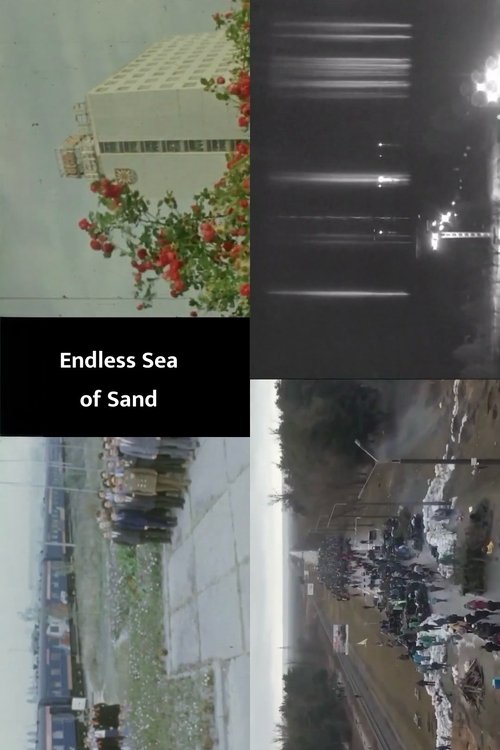
On March 4, 2022, the Russian troops occupied Zaporizhzhia Nuclear Power Station, the largest nuclear power plant in Europe. The day before they entered its satellite town, Enerhodar, and attacked resisting civilians who barricaded the road to the nuclear power plant. Founded in the early 1970s, Enerhodar (‘the energy gift’) was meant to serve the thermal power station and the nuclear power plant. Its construction was part of the Soviet modernist project championing industrialization, urban growth and new nuclear technologies. After its occupation, Zaporizhzhia Nuclear Power Plant was turned into a time bomb. The infrastructure of ‘peaceful atom’ was weaponized and used as a means of nuclear blackmail. In a grim twist, the colonial Soviet ambition to control the forces of nature culminated in Russian war atrocities and ecocide of the planetary scale.
Endless Sea of Sand

A young girl makes images, which does not bring her any income. She can hardly afford renting a room where she spends most of her time. At a certain moment, she experiences an incident that she wants to share with her brother. Will they be able to talk?
Room to Live
A reflection on modern globalized cities, their controversial past, and personal spatial memory.
The Pink Map
Experimental visuals of water and salt terrains reveal the rhythms and textures of Ukraine’s natural environment.