FEEL IT.STREAM
Robert Sabatier

Robert Sabatier

Writing

Biography

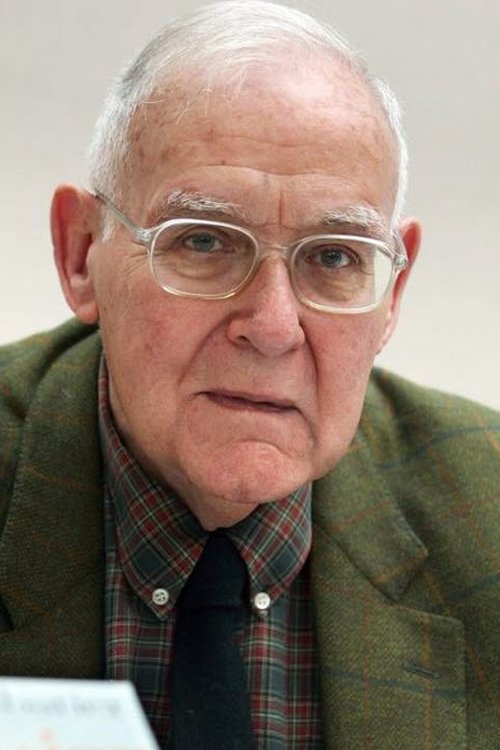
Robert Sabatier (17 August 1923 – 28 June 2012) was a French poet and writer. He wrote numerous novels, essays and books of aphorisms and poems. He was elected to the Académie Goncourt in 1971, as well as to the Académie Mallarme. He is also the author of Histoire de la poésie française: La poésie du XVIIe siècle Among his notable works is the autobiographical series of novels "Roman d'Olivier" about growing up in the streets of a poor quarter in Paris during the 1930s. A title from the series, Les Allumettes Suédoises (The Safety Matches, also translated under the title The Match Boy), was adapted for French TV by Jacques Ertaud. According to Kirkus Reviews, the book Les Allumettes Suédoises sold 200,000 copies. Other autobiographical installments include "Olivier 1940" and "Les Trompettes Guerrières". More recent works include Diogène about the Cynic philosopher of ancient Greece. As a poet, Sabatier was awarded Le Prix Guillaume Apollinaire in 1955. A small selection of Sabatier's poems have been published in English translations by the American poet X.J. Kennedy and others in the anthology Modern European Poetry (edited by Willis Barnstone et al., published by Bantam Books, NY, 1966). Kennedy's translations of Sabatier include the poems "Vegetal Body" and the elegiac "Mortal Landscape" where Sabatier wonders "The bird is flown, the monster not yet born where shall we go in this demolished world?". In an introduction to Sabatier, Barnstone states: "The poet's despair has sharp edges . . . but the bitter violence that strikes at the reader of these poems has its roots in an earlier joy that persists like a dream." Sabatier's poetry is deeply colored by memory and division: "He held the image that he loved so tight/his body itself cast two shadows." Before his death, Sabatier was writing his memoirs. Source: Article "Robert Sabatier" from Wikipedia in English, licensed under CC-BY-SA 3.0.

Known For

Apostrophes
8.5

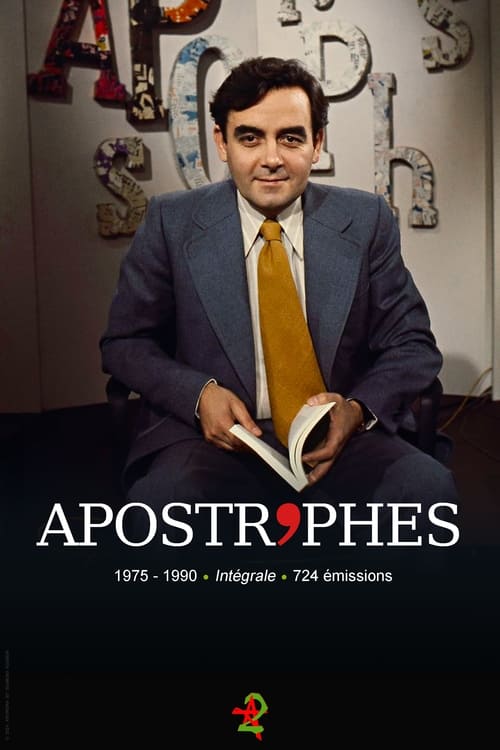
Apostrophes was a live, weekly, literary, prime-time, talk show on French television created and hosted by Bernard Pivot. It ran for fifteen years (724 episodes) from January 10, 1975, to June 22, 1990, and was one of the most watched shows on French television (around 6 million regular viewers). It was broadcast on Friday nights on the channel France 2 (which was called "Antenne 2" from 1975 to 1992). The hourlong show was devoted to books, authors and literature. The format varied between one-on-one interviews with a single author and open discussions between four or five authors.

Apostrophes

1975
Sacrée soirée
5.7

No description available.

Sacrée soirée

1987
Nulle part ailleurs
6.1

No description available.

Nulle part ailleurs

1987
No image
6.0

No description available.

Samedi soir

1971
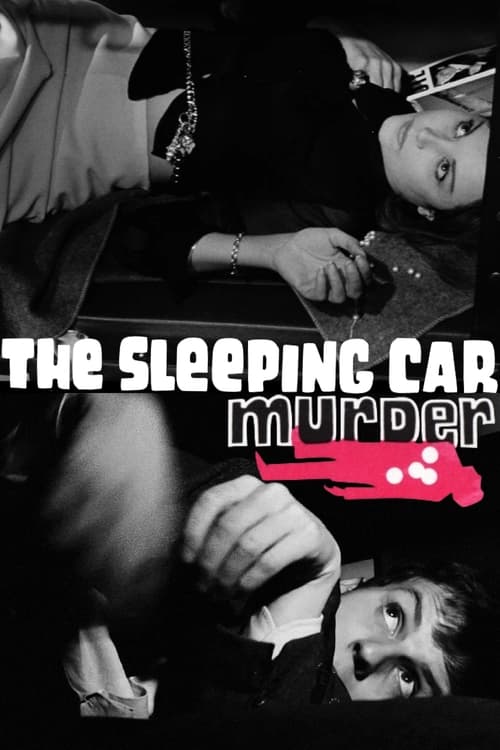
The Sleeping Car Murders
6.9

Six people travel by overnight train from Marseilles to Paris. When they arrive, one of them, a young woman, is found dead in a sleeping berth. The police, led by Inspector Grazzi, investigate the other five passengers, suspecting that one among them was responsible. However, as the investigation is stepped up, the others start turning up dead. It's up to the remaining two to solve the case, lest they become the next victims.

The Sleeping Car Murders

1965
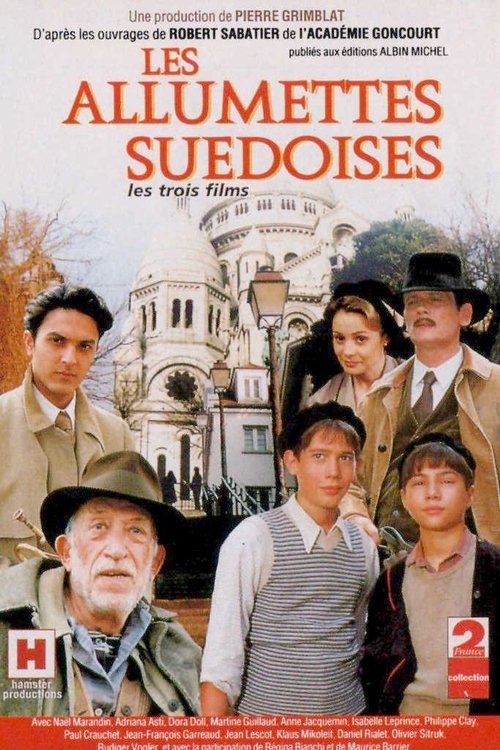
Les Allumettes suédoises
N/A

No description available.

Les Allumettes suédoises

1996
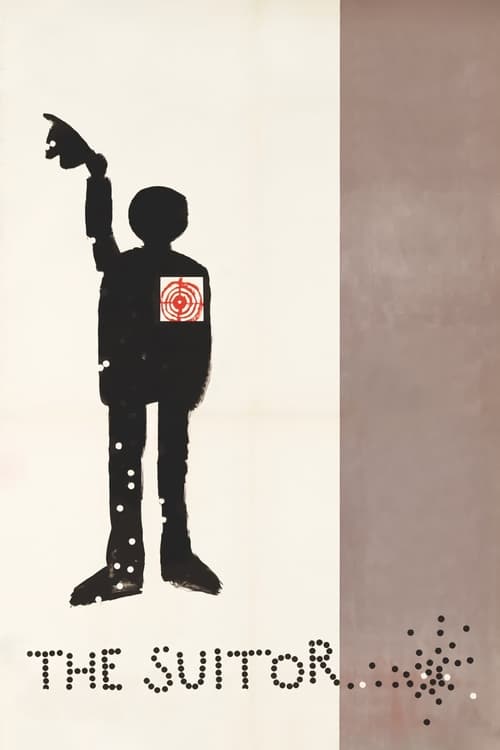
The Suitor
6.5

Absent-minded yet cultured, Pierre answers his parents demands to wed by ignoring both astronomy and the housemaid, instead falling head-over-heels for rich damsels.

The Suitor

1962
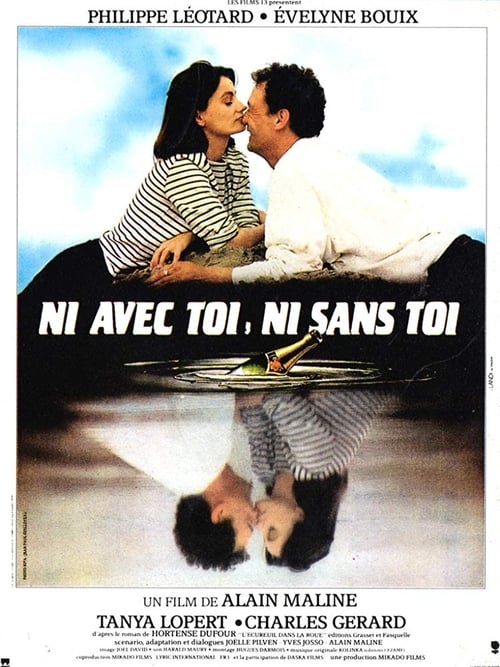
Ni avec toi, ni sans toi
7.0

The miseries of alcoholism, both for the alcoholic and anyone close to him, are the focus of this routine story about Mathilde, a devoted wife, and her husband Pierre, who is addicted to the bottle. The opening scene is at a New Year's party where Pierre disappears, and Mathilde starts remembering their life together in flashbacks that tell the whole story. Mathilde is ever-suffering, and Pierre is on the whole revolting, so why she hung in there for so long is hopefully made clear in these flashbacks.

Ni avec toi, ni sans toi

1985
No image
N/A

No description available.

Michel Tournier

1983