Acting
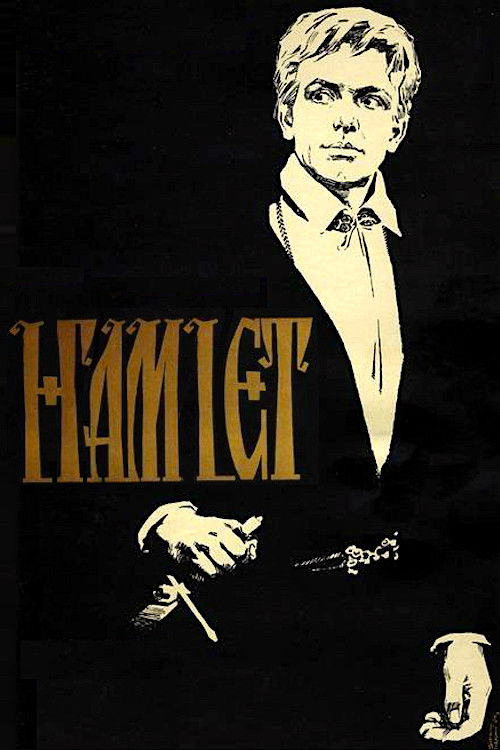
Shakespeare's 17th century masterpiece about the "Melancholy Dane" was given one of its best screen treatments by Soviet director Grigori Kozintsev. Kozintsev's Elsinore was a real castle in Estonia, utilized metaphorically as the "stone prison" of the mind wherein Hamlet must confine himself in order to avenge his father's death. Hamlet himself is portrayed (by Innokenti Smoktunovsky) as the sole sensitive intellectual in a world made up of debauchers and revellers. Several of Kozintsev directorial choices seem deliberately calculated to inflame the purists: Hamlet's delivers his "To be or not to be" soliloquy with his back to the camera, allowing the audience to fill in its own interpretations.
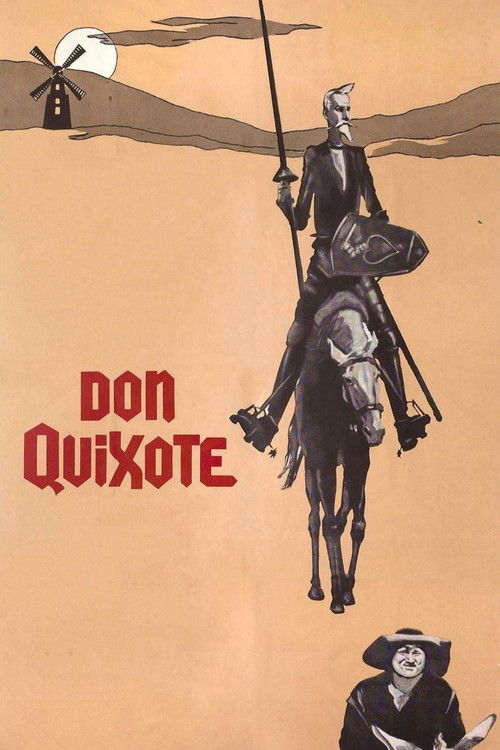
Senor Quexana has read so many books on chivalry that he believes that he is the knight Don Quixote de la Mancha. So Don Quixote sets off on his horse, accompanied by his squire Sancho Panza on a mule, to perform valiant deeds. They mistakenly save the Lady Altisidora who is so amused that she invites them to visit the Duke to provide some merriment at court. Among other deeds, Don Quixote frees some prisoners, who then turn upon him, and Don Quixote attacks a windmill that he imagines is a monstrous wizard.
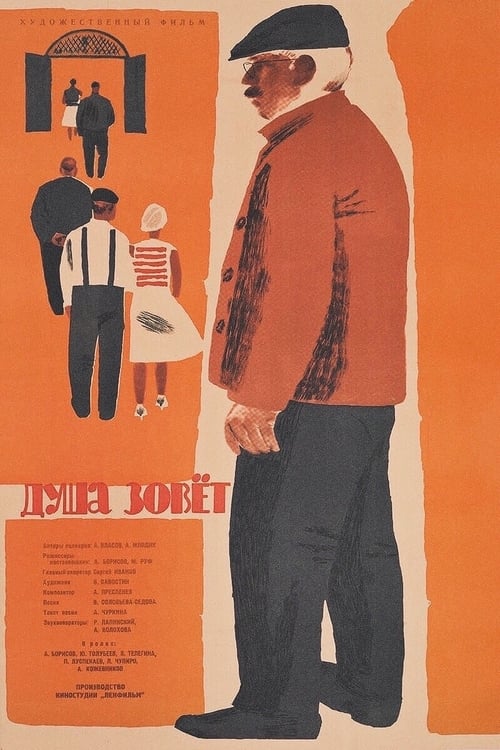
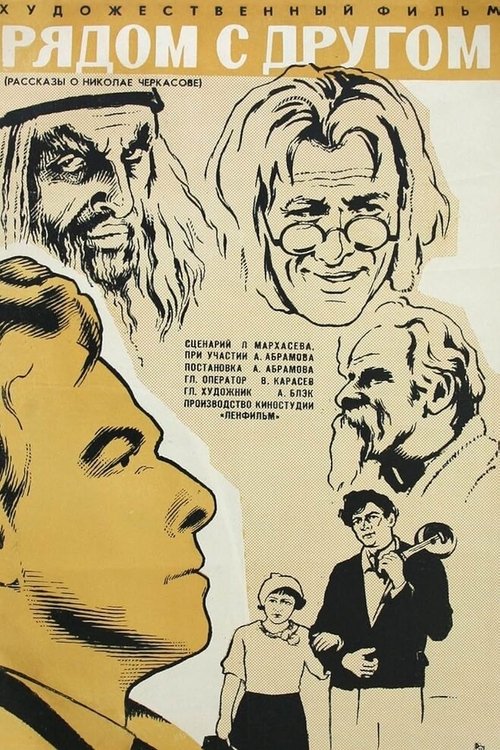
Two old Leningrad workers, Sukhov and Solyanov, have a long-standing friendship — they worked at the same plant, lived in the neighborhood. Now Solyanov, at the insistence of his son, decides to retire. But it is not so easy to part with his native plant, which, as it turned out, still needs an old personnel officer...
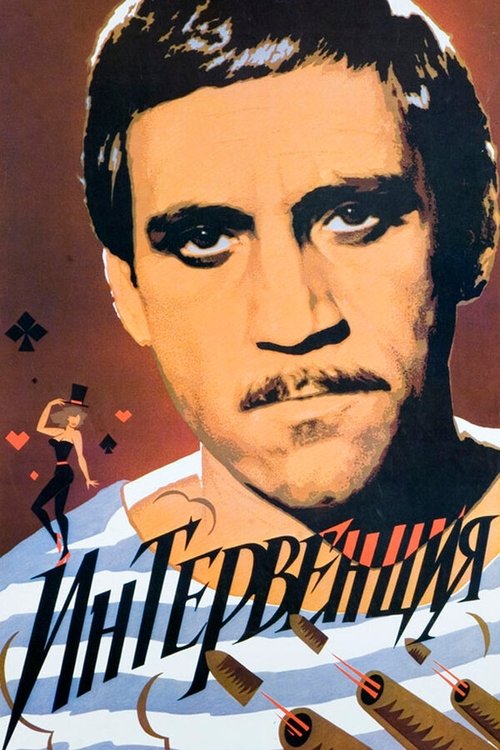
The movie is set during the last days of a foreign intervention against Soviet Russia. Police are searching everywhere for a Bolshevik named Brodsky but cannot find him. Meanwhile, a man named Michel Voronov serves as a teacher to a rich woman's son, Zhen'ka.
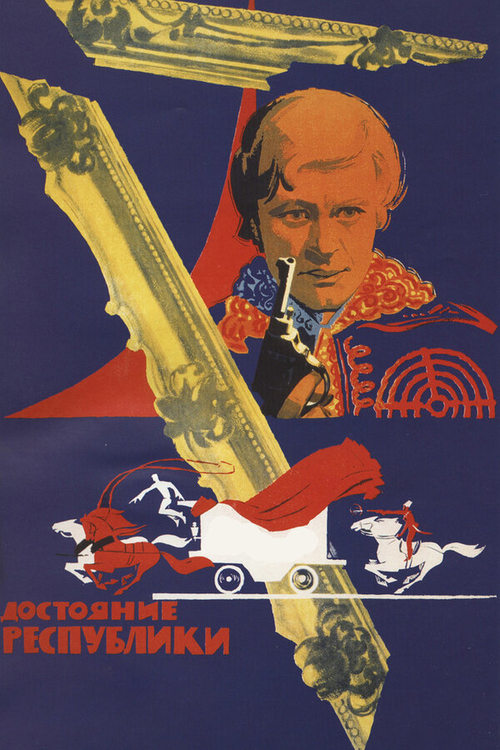
Spring of 1918. Tarakanov, managing the estate of Prince Tikhvinsky, with the help of a former court fencing teacher Marquess and a street kid Keshka, is stealing a collection of paintings and sculptures from the abandoned estate owners. Hoping to transport her abroad, criminals wander with a circus troupe, and in their wake goes a tireless criminal investigator — Makar Ovchinnikov.
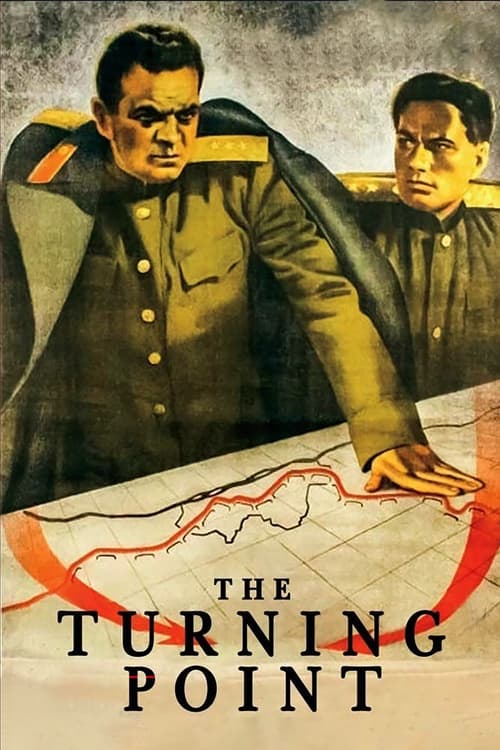
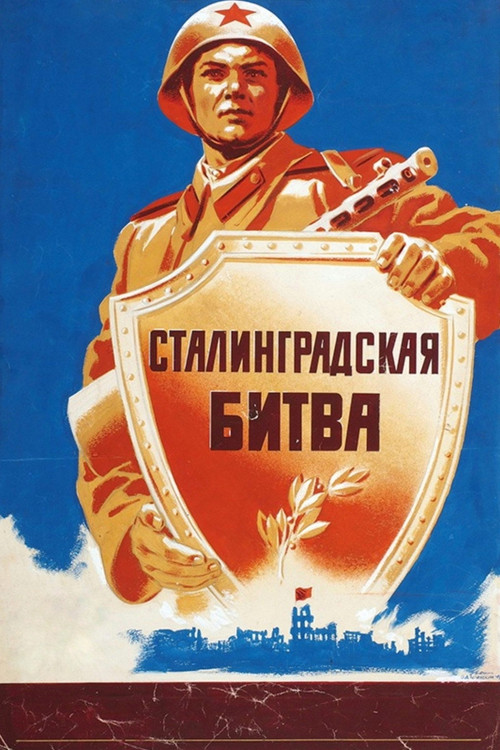
The film tells the story of those who took part in the Battle of Stalingrad in 1942, which became a turning point in the Great Patriotic War. For five months, the city resisted the Nazi offensive. Surrendering Stalingrad to the enemy would have meant losing the war, but holding on to the city seemed almost impossible.
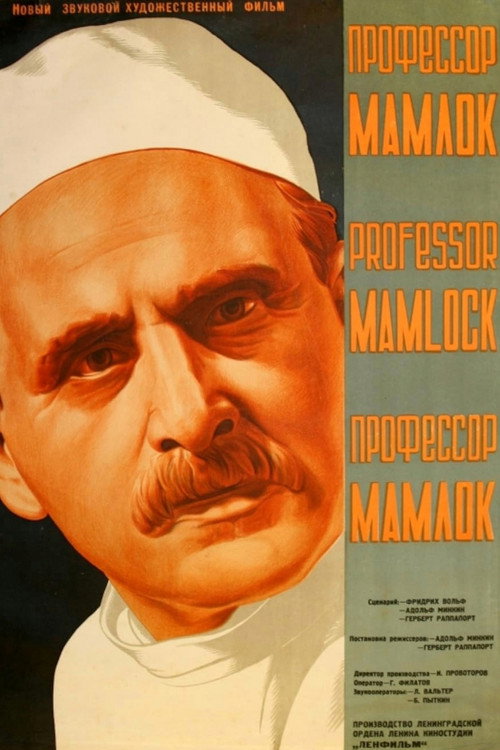
Based on a play by a German-Jewish exile in Moscow, Friedrich Wolf, and directed by an Austrian-Jewish exile in Moscow, Herbert Rappaport, the film tells with the story of an apolitical humanitarian Jewish doctor and his politically-aware, fascism-resisting son, an intern, as their lives become entangled with the Nazis’ rise to power in 1930s Germany, where they live and practice. Things come to a head when the Nazi organization takes control of their hospital, and place a rabid antisemitic physician in charge over Mamlock and his staff.
A 1949 two-part Soviet epic war film about the Battle of Stalingrad.
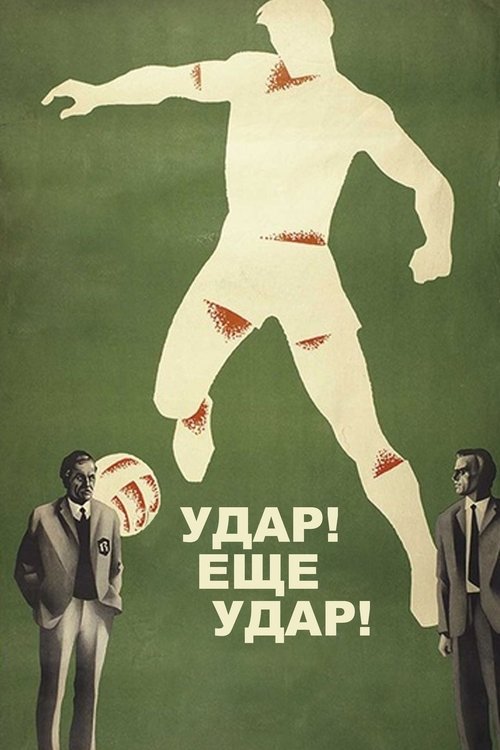
A drama about football coaches and players.
No description available.
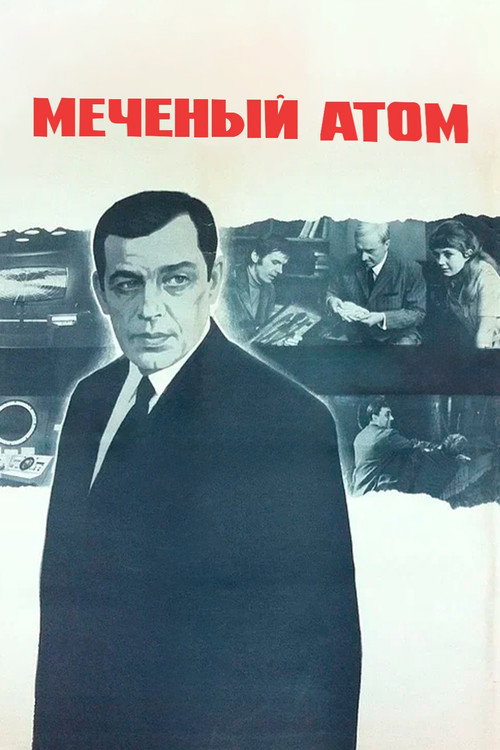
KGB agents are organizing the disinformation campaign for a western spy.
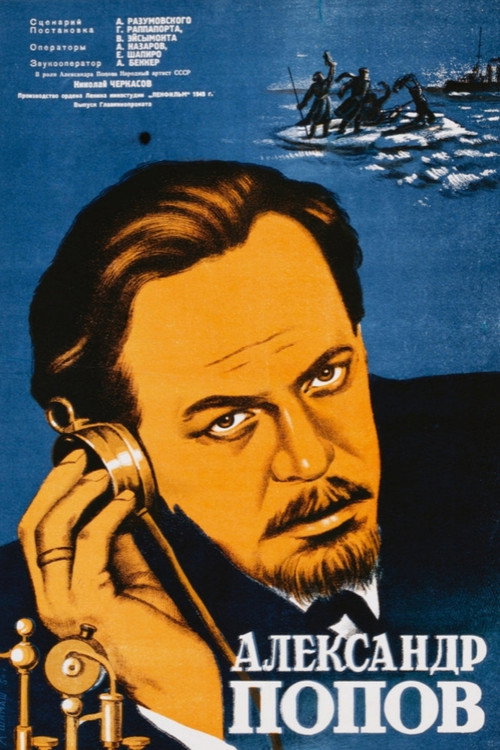
A biographical film about the life and work of the outstanding physicist-electrical engineer, inventor of radio communications Alexander Semenovich Popov.
The local doctor Yelizaveta Maksimovna is a beautiful woman and a wonderful sympathetic person. She is lonely, although she is cared for by a confident and promising colleague. Yelizaveta Maksimovna has one patient, a manly, full-energy ship builder Yershov, chained to the bed with a paralysis of both legs. All doctors recommend him rest, and Elizaveta Maksimovna advises to work and not feel sorry for herself. Yershov with all his heart falls in love with his doctor, and she loves him, but she does not dare to say her feelings. Ershov thinks that he has no hopes, but...
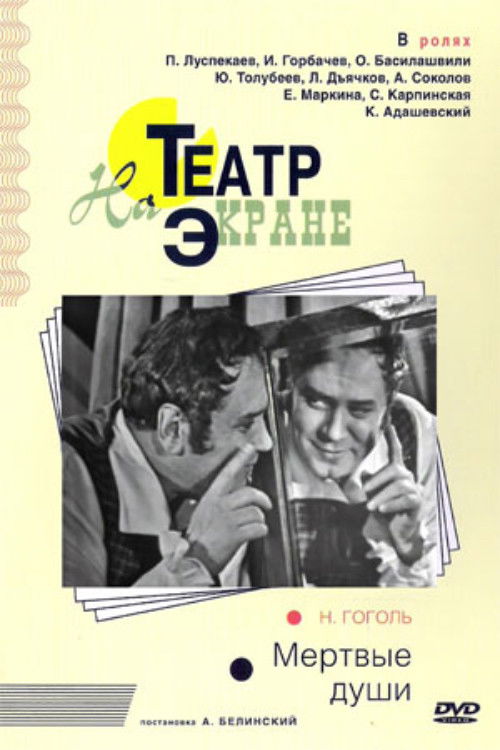
In "Dead Souls" Gogol posed the most pressing and painful questions of modern life. The very title of the poem had enormous revealing power; it carried, according to Herzen, “something terrifying”, “he could not name it otherwise; not the revisionists - dead souls, but all these Nozdryovs. Manilovs and all those like them are dead souls, and we meet them at every step..."
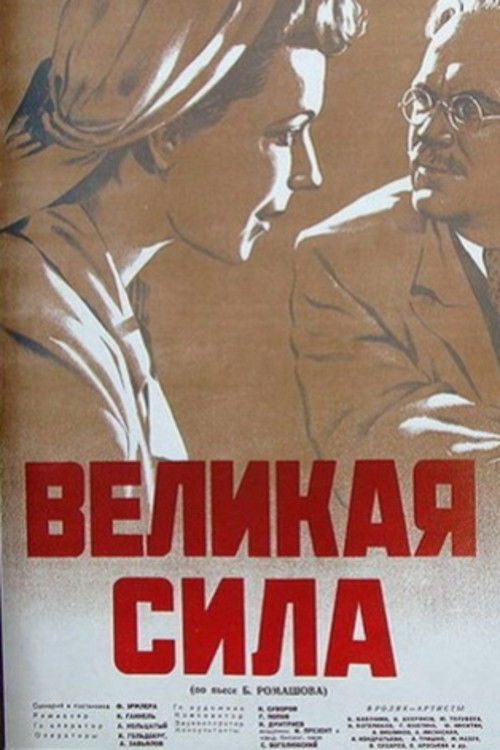
Professor Lavrov, a student and follower of Michurin, is trying to refute the discoveries of the theory of heredity and is successfully working on developing a new breed of chickens with high egg production and productivity. The brave experimenter is supported by the Central Committee of the CPSU in the person of Comrade, who arrived at the experimental poultry farm.
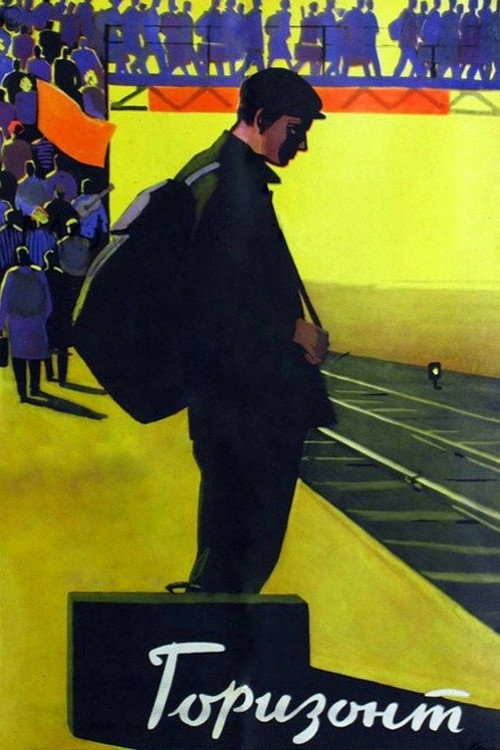
Twelve graduates of the tenth "A" arrive to the virgin lands. Freed from childhood illusions, yesterday's schoolchildren get used to the unsettled life, to hard work on combines, tractors, on the threshing floor. Soon other difficulties are discovered.
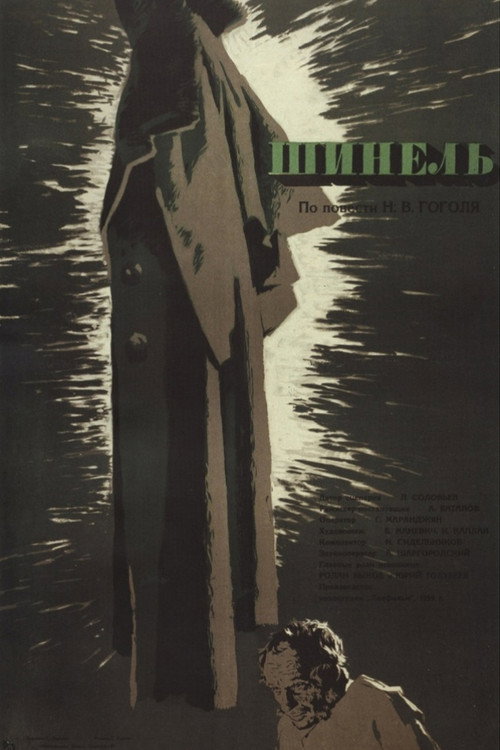
A story about a government clerk who has his precious new overcoat stolen. No-one seems willing to help him retrieve his prized possession, a fact that continues to concern him even when he is beyond the grave.
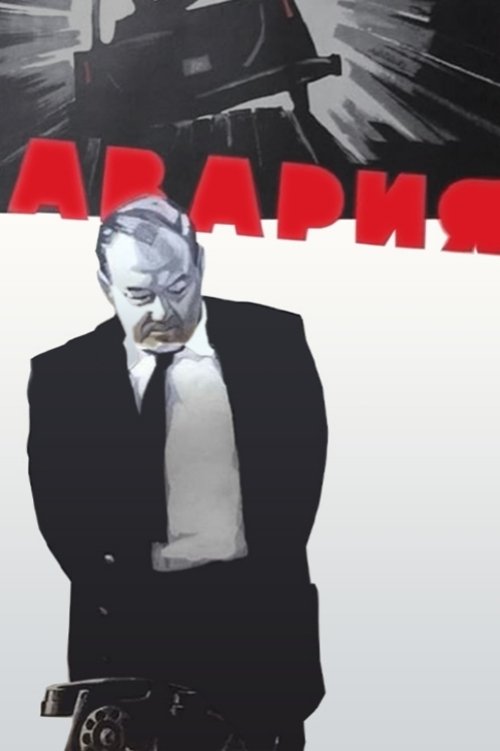
Driver Panachuk, who took «left» passengers, is in a hurry to Gorsk. Panachuk tells the policeman who stopped him that he saw a murdered doctor in a crashed «Moskvich» car on the way.
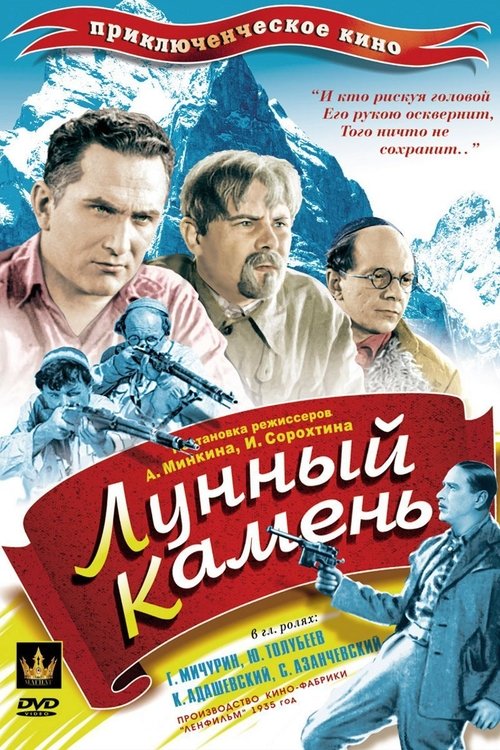
Geological expedition is looking for a rare element in Pamir mountains.