
Tata Amaral
Directing
Biography
Márcia Lellis de Souza Amaral, known as Tata Amaral (São Paulo, September 19, 1960), is a Brazilian filmmaker.
Known For

No description available.
Antonia

Sunday. Classic game on the brazilian championship. Rossi’s family organize themselves in front of TV. Eunice, his mother, looks trough the window while Borges, his dad, and Cauã, his older brother, watch the football match. Rossi tries to find his place in the house.
Family Affair
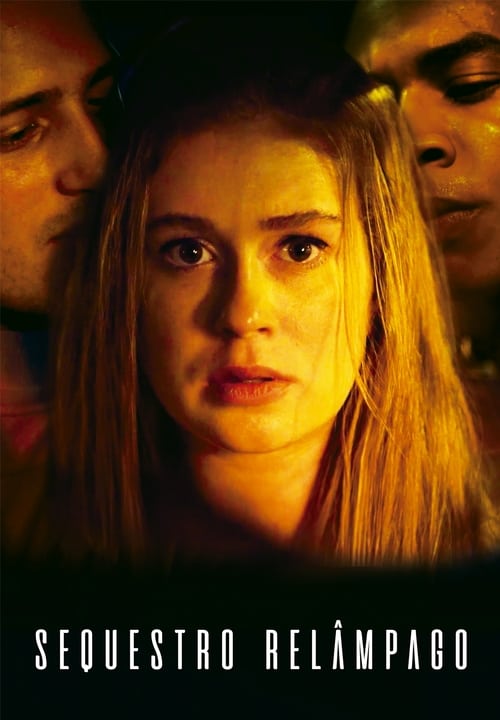
Sao Paulo, Brazil. Isabel, a 25-year-old girl, is kidnapped. The first ATM the criminals try to withdraw money from is broken. It's almost 10:00pm. The kidnappers realize they will not be able to get to the next one on time. What was meant to be an express kidnapping becomes an all-night imprisonment.
Express Kidnapping
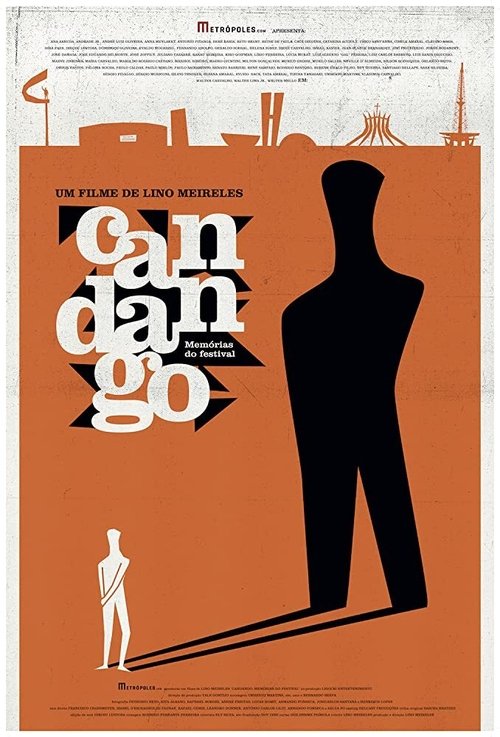
In 1965, a year after the military coup in Brazil, an oasis of freedom opened in the country's capital. The Brasília Film Festival: a landmark of cultural and political resistance. Its story is that of Brazilian cinema itself.
Candango: Memoirs from a Festival
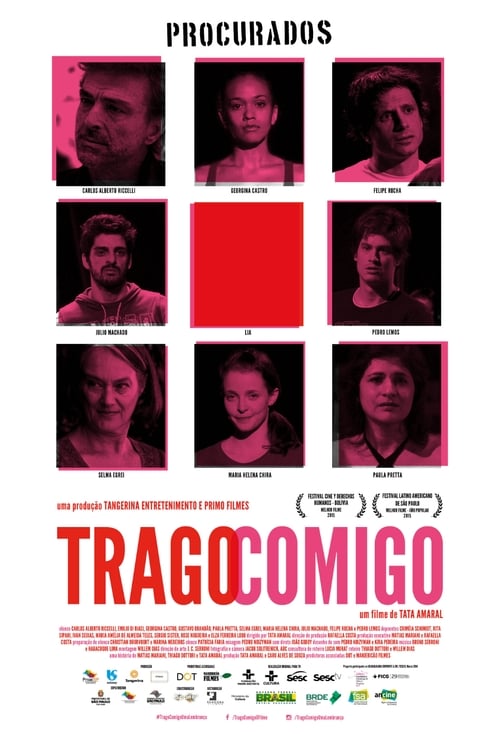
Telmo is a retired theater director that realizes he doesn't remember the time he spent kept in jail during the military dictatorship in Brazil. He decides to stage a play and, with threads of memory, he improvises the lines with his young cast. Telmo dives into his own history and ends up revealing for himself what, being so painful, he'd rather forget.
Bring It Inside

Determined to escape their poverty-stricken lives, four talented young women living on the outskirts of Sao Paulo, Brazil, form an all-female rap group but find their road to success is riddled with sexism, racism, and violence. One by one, they succumb to their grim realities...until they discover that out of struggle comes strength, and out of strength, the courage to continue on.
Antônia
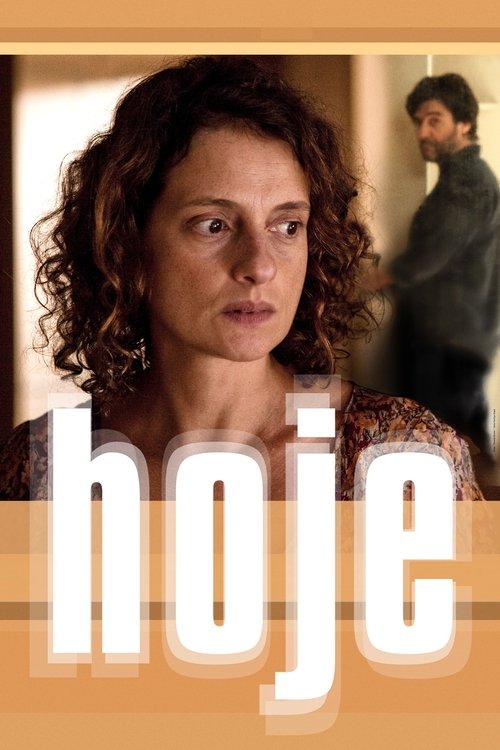
Former political activist receives compensation from the Brazilian government for the disappearance of her husband, victim of the repression triggered by the Brazilian military dictatorship. With the money, she can buy her an apartment and free herself from this dreadful condition she lived for decades. At the moment of moving to the new home, however, a visit arises that forces her to review her entire life.
Hoje
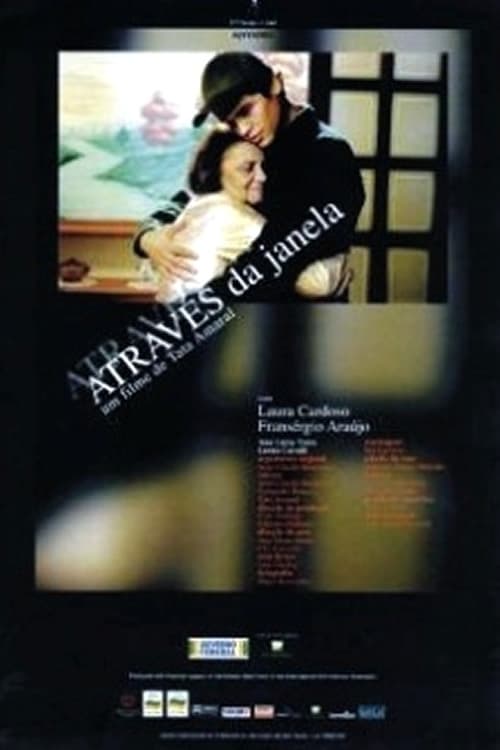
Selma, a retired nurse, is an extremely loving mother for his son Raimundo, in an almost incestuous relationship. One day, she becomes aware of some changes in her son's behavior. At first, she thinks it may be some girlfriend. But soon she learns it's something else.
Através da Janela
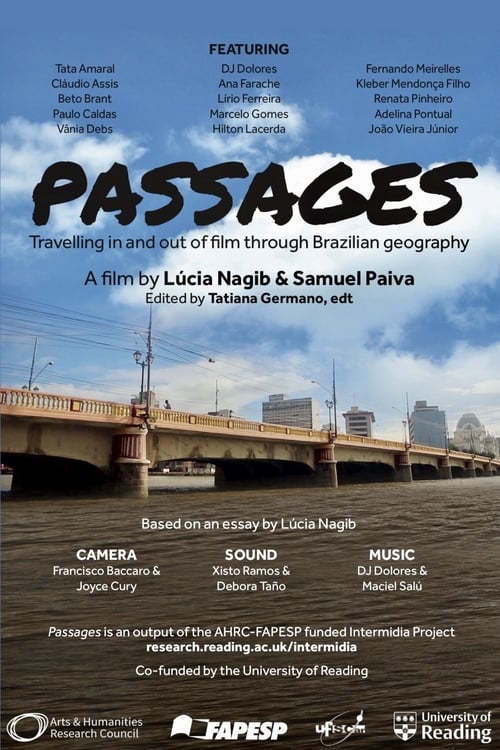
Passages showcases Brazilian films in which the utilisation of artforms and media such as literature, painting, theatre, music, photography, radio and television, functions as a 'passage' to political and social reality.
Passages: Travelling In and Out of Film Through Brazilian Geography
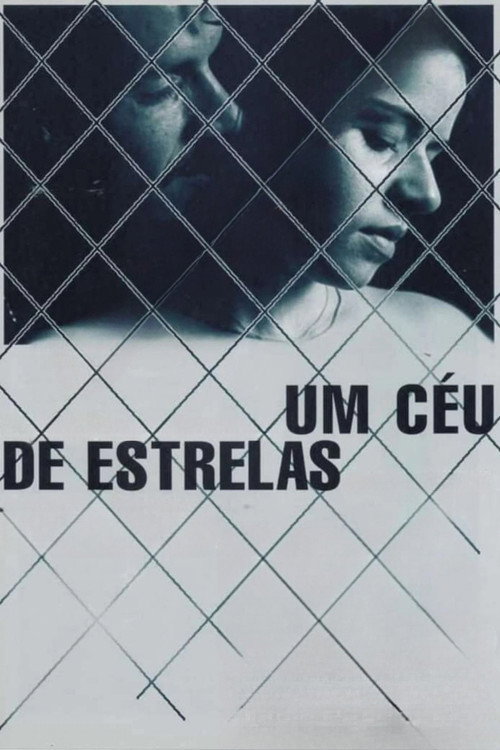
A woman ready to move away from Brazil is kidnapped by her jealous ex-lover.
A Starry Sky

No description available.
Ensaiar é Preciso...

This program from the Brazilian Historical Panorama series proposes a reflection on the 60s in Brazil based on its audiovisual memory. With excerpts from texts and opinions by Augusto Boal, Lygia Clark and Torquato Neto, among others, scenes from movies and newspaper headlines, the documentary allows the 1960s to speak for itself.
About the 60's
No description available.
Poema: Cidade

The daily routine of a streetwise office boy, waiting in long lines, having to deal with some fishy situations, listening to music, and meeting people.
Viver a Vida

No description available.
Paixão XX

Jacob, Mairun and João are 6 years old and are making their carnival costumes for the school party. Ana does not participate in the activity because she believes that carnival is a sin. This situation causes surprise among her little friends who start a conversation about their different religious backgrounds.
Carnaval dos Deuses

Milu, a 6-year-old girl, is on vacation. This does not mean fun, because she has to stay alone at home while her mother works. Tulio, a mysterious boy, invites her to play some games. Their fantasies gradually take over the reality that surrounds them.
O Mundo de Ulim e Oilut
It's Friday night. Pedro and Anastácia are at home, like millions of other couples in São Paulo. Locked away in the living room of their apartment, Pedro and Anastácia's relationship finds an opportunity to reveal its degree of wear and tear. História Familiar portrays the banality of everyday life and contemporary emotional malaise.
História Familiar
An old man is tired of celebrating his birthday.