Sophie Averty
Editing
Known For

No description available.
La Ligne Bleue
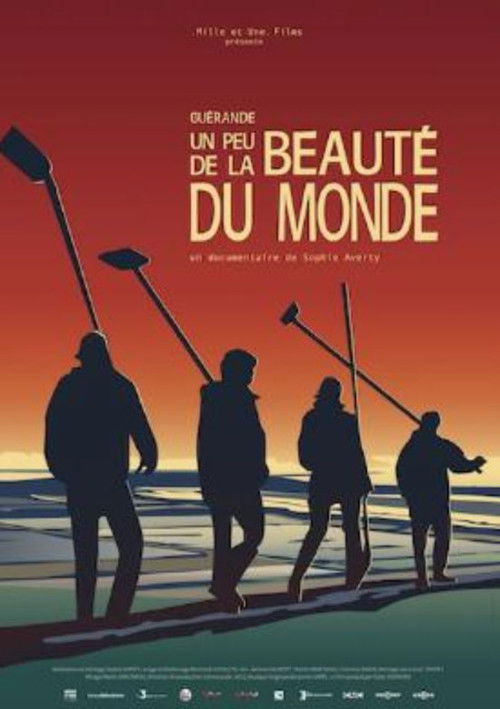
1971. In the salt marshes of Guérande, farmers and neo-ruralists unite to oppose a bypass project. It is the beginning of a long struggle in which the underdogs will ultimately prevail. They will go on to collectively invent an alternative model to preserve this magical place, which is also their workplace.
Guérande, un peu de la beauté du monde
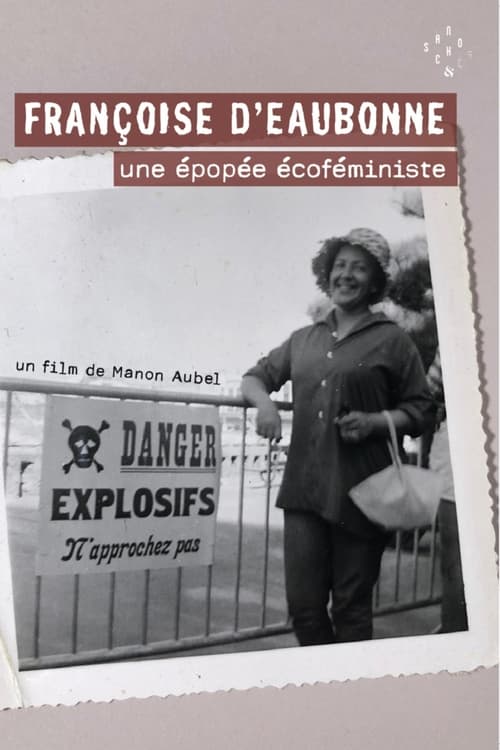
In the 1970s, Françoise d'Eaubonne stood out in the French intellectual landscape. At 50, she has already won several literary prizes and published around forty novels and essays, but is resuming her militant fight with renewed vigor. She is the first to define ecofeminism, denouncing the common oppression of women and the planet as a consequence of patriarchy. She participated in the actions of the MLF (Women's Liberation Movement), in the creation of the FHAR (Homosexual Revolutionary Action Front) and theorized counter-violence, going so far as to sabotage the construction site of the Fessenheim nuclear power plant. This film presents unpublished documents for the first time. Drawing freely from the manuscripts and photographic archives that she bequeathed to the Memory Institute for Contemporary Publishing, her relatives and researchers, historians and publishers comment on the resonance of her feminist and ecological heritage.
Françoise d'Eaubonne: une épopée écoféministe
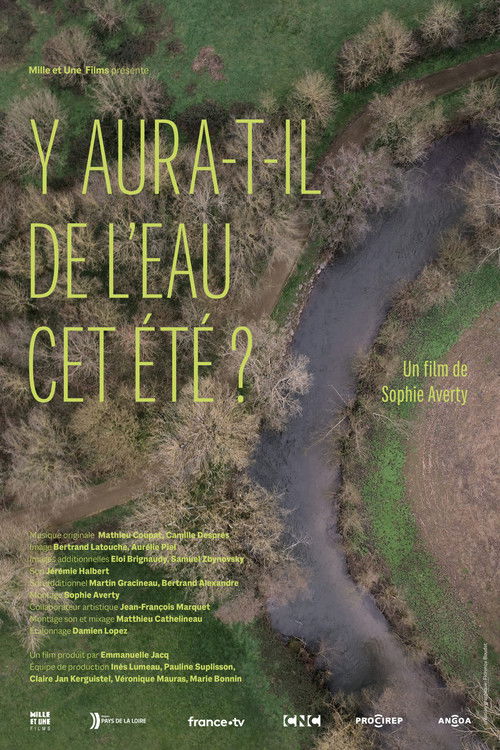
Through encounters with a hydrologist, a farmer, and citizens mobilized around the Marais Poitevin, the director helps us understand the effects—on biodiversity and the state of rivers—of substitution reservoirs, also known as megabassins. For several years, Anne-Morwenn, David, Patrick, Yann, and others have been fighting for fair water sharing and devising ways to convince as many people as possible that it is time to change the agricultural model.
Y aura-t-il de l’eau cet été ?
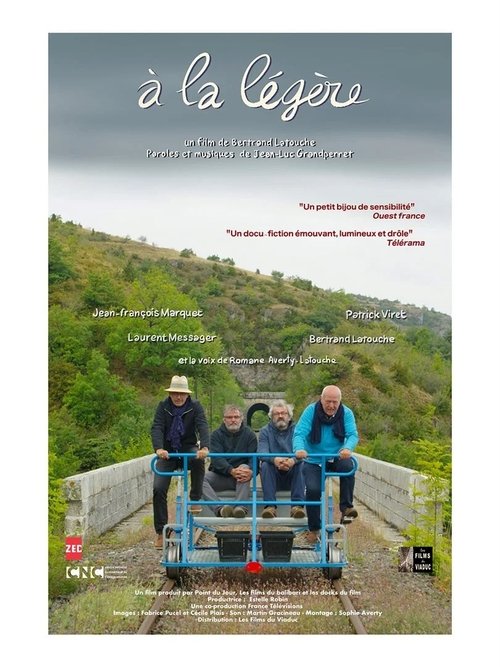
No description available.
À la légère
No description available.