Oliver Elmes
Art
Known For

The adventures of The Doctor, a time-traveling humanoid alien known as a Time Lord. He explores the universe in his TARDIS, a sentient time-traveling spaceship. Its exterior appears as a blue British police box, which was a common sight in Britain in 1963 when the series first aired. Along with a succession of companions, The Doctor faces a variety of foes while working to save civilizations, help ordinary people, and right many wrongs.
Doctor Who

The TARDIS arrives on the planet Terra Alpha, where the Seventh Doctor and Ace discover a society in which sadness is against the law - a law enforced zealously by the brightly uniformed Happiness Patrol. The planet is ruled by Helen A with the aid of her companion, Joseph C, and her carnivorous pet Stigorax, Fifi.
Doctor Who: The Happiness Patrol
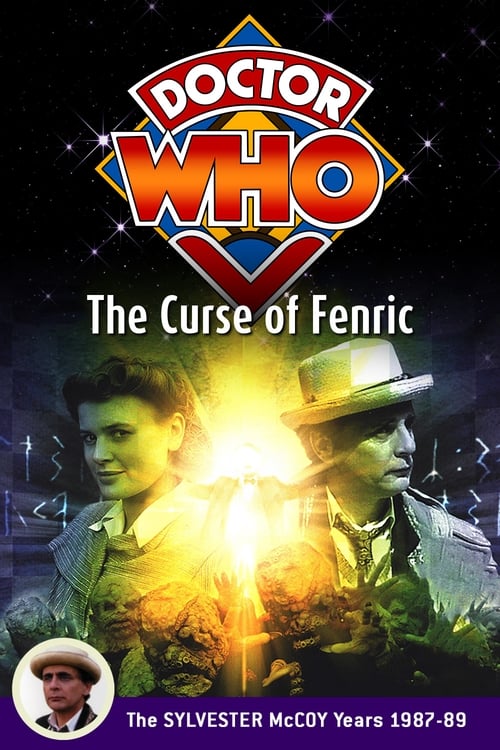
The Doctor and Ace arrive at a secret military base during World War II, where an ancient evil from the Doctor's past prepares to make his final deadly move. As hideous vampires rise from the sea and Russian commandoes begin to close in, they are confronted not only with a mystery from the distant past but also a terrifying vision of mankind's future...
Doctor Who: The Curse of Fenric
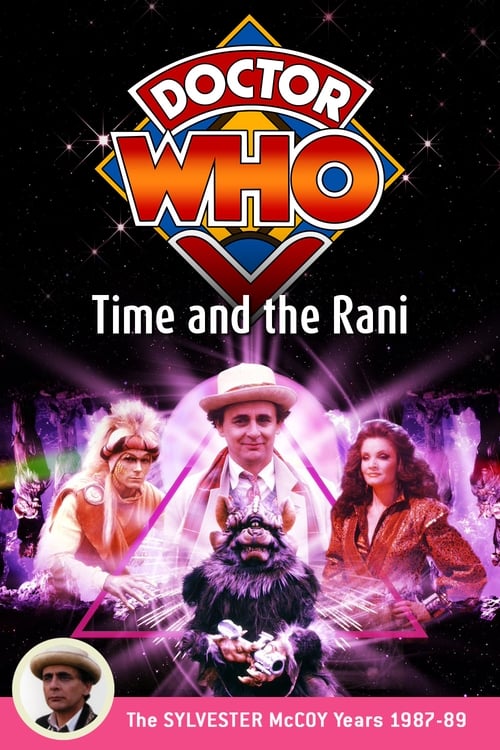
The Rani has returned with another malicious scientific scheme. Taking advantage of the post-regenerative trauma the recently regenerated and unstable Doctor is going through, she hopes to achieve control of an approaching asteroid composed entirely of strange matter. Can the Doctor figure out he is being used for the Rani's evil experiment, and what is behind the door the Rani won't allow him past?
Doctor Who: Time and the Rani
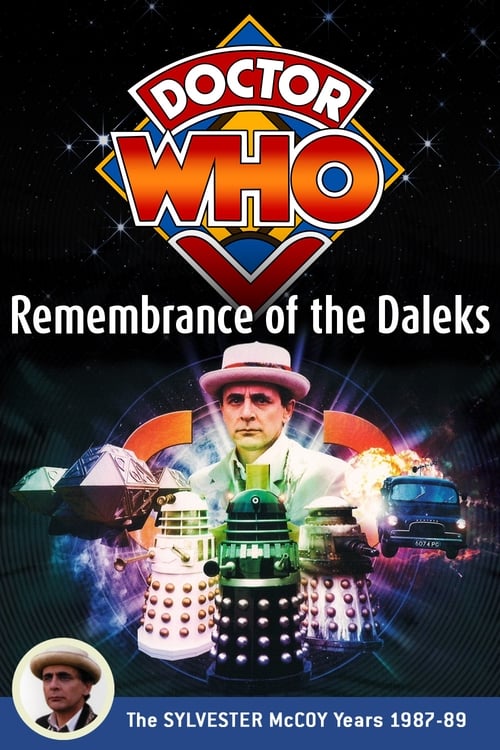
London, 1963: The Doctor returns to the place where it all began — alongside his latest companion, Ace, with unfinished business. Not for the first time, unusual events are unfolding at Coal Hill School. At 76 Totter's Lane, the Doctor discovers that his oldest foes — the Daleks — are on the trail of stolen Time Lord technology that he left on Earth long ago. The Daleks are planning to perfect their own time-travel capability, in order to unleash themselves across the whole of time and space.
Doctor Who: Remembrance of the Daleks

The Doctor and Ace head for the Psychic Circus on the planet Segonax, where they meet a disparate group of performers and visitors, including a self-centred explorer named Captain Cook, his companion Mags and a biker known as Nord.
Doctor Who: The Greatest Show in the Galaxy

The Doctor and Mel go for a holiday trip to Shangri-La aboard a Nostalgia Tours bus, only to get dragged into the battle against genocide of their fellow passenger Delta, a Chimeron Queen fleeing from the Bannermen who wish to make her species extinct.
Doctor Who: Delta and the Bannermen

Ace returns to Perivale to visit her friends, only to find they have been abducted to an alien planet by a race called the Cheetah People who were shown the way to Earth by the Master. The Doctor must find a way off the planet before they all succumb to its savage influence.
Doctor Who: Survival

The arrival of a mysterious comet heralds impending danger from enemies both old and new. As Ace helps the Doctor defend Earth, she is confronted with a dangerous question..."Doctor Who?"
Doctor Who: Silver Nemesis
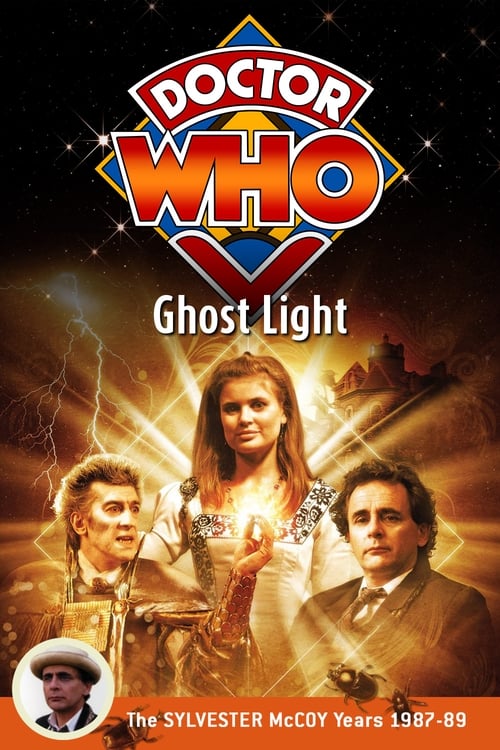
The Doctor takes Ace on an initiative test to a strange Victorian old house where she is forced to confront her darkest fears.
Doctor Who: Ghost Light
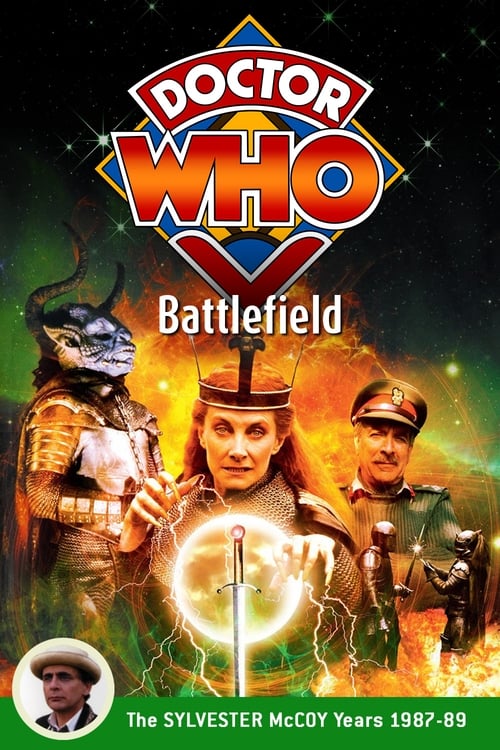
Knights from a parallel universe arrive on Earth to find the legendary sword Excalibur. Only the Doctor and Ace, with the assistance of Brigadier Lethbridge-Stewart, can save the Earth from total catastrophe.
Doctor Who: Battlefield

As trouble brews on the space trading colony of Iceworld, the Doctor and Mel encounter their sometimes-ally Sabalom Glitz and a new friend who goes by the name "Ace".
Doctor Who: Dragonfire

During the mid-1980s, senior BBC executives had doubts about whether Doctor Who should continue. In 1987, the programme was given one final chance...
The Last Chance Saloon

For five years now, the children of Northern Ireland's most troubled areas have grown up on the battlefield of guerrilla warfare. What is the effect on their growing minds? This is a casebook of children who live in the fear of sudden death, who believe they hate, some of whom are trained and prepared to kill. The story is told through their songs, their games, their paintings. It's told in their words, and the words of adults mostly concerned with children - parents, teachers, doctors and the Army for whom the children are becoming a tragic, insuperable problem. When the Troubles stop, will the troubles end for these children? We don' know the answers, because there has never been a war, never a casebook quite like this one. (Radio Times, 1974)