Directing
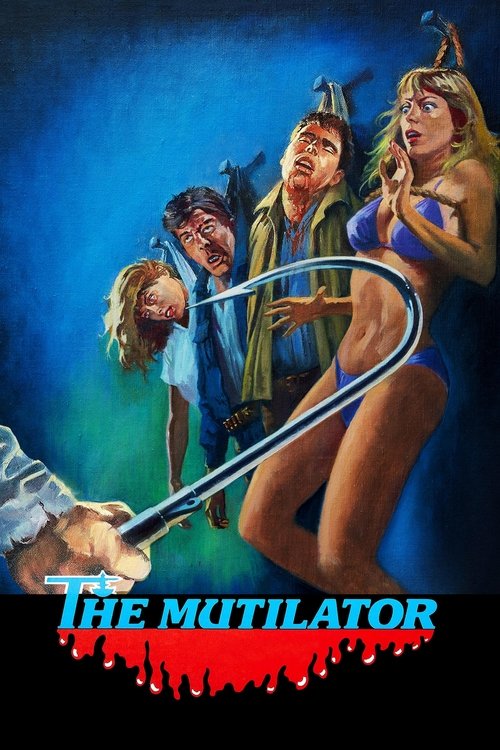
As a child, Ed was cleaning his father’s hunting rifles - a surprise birthday treat for the old man - when one of them went off, hitting and killing his mother. On seeing the bloodshed, his father flew into a murderous rage - Ed just barely escaped with his life. Now in his teens, he returns home; he doesn’t expect to find his father, still there, waiting for a chance to settle the score . . .
Campaign promises of hope and change were met by a cratering economy, two never-ending wars, an epidemic of gun violence, and a surging partisan divide. In this 4-part series the president's inner circle, Congressional leaders, and journalists reflect on Barack Obama's historic two terms and the tightrope he walked as the country’s first African-American President.
A countercultural icon, Hoffman is remembered as one of the greatest radicals of the civil rights and anti-war movements of the sixties. In this film, which documents the first interview he gave in 1980 when he decided to reveal his identity after spending seven years in hiding, he traces the evolution of political activism in America. "My name is Abbie... orphan of America."
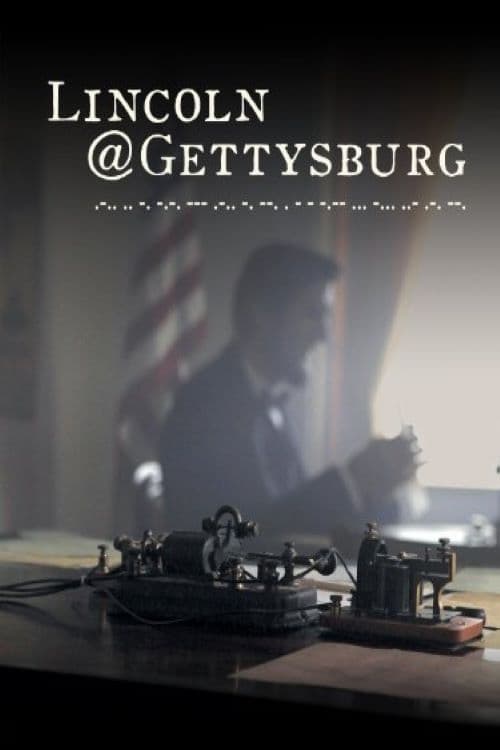
An examination of how President Abraham Lincoln used contemporary telecommunications to his maximum advantage in the American Civil War.
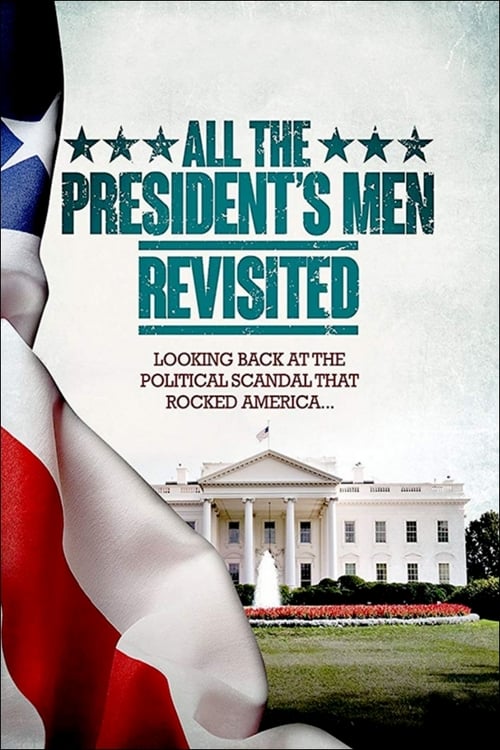
The Watergate case was the original game changer of America politics. How has Watergate changed the Presidency? What effect has the scandal had on our political leaders? And has hope and optimism forever been replaced in our national dialogue by doubt and cynicism? In 1973, Watergate's most pivotal year, reporters Bob Woodward and Carl Bernstein doggedly investigated the scandal exposing the long, twisted trail of cover-ups and lies.
Historians, veterans, politicians, and anti-war leaders discuss the history of the military draft in the United States through the Vietnam War, and examine the consequences of its replacement with an all-volunteer professional force currently comprising less than one-half of one percent of the population.
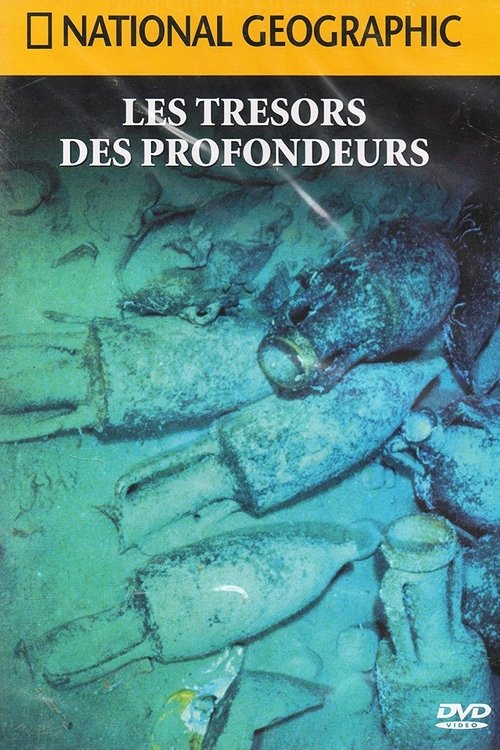
In the abyss of the ocean lies a world of mysteries and sunken treasures. But the laws governing the seas are not enough to end the debate over the right to claim possession of these Roman ships, Spanish galleons, and centuries-old luxury ropemakers. Follow Dr. Robert Ballard and his team of specialists as they embark on a remarkable underwater expedition in the Mediterranean Sea to discover and study ancient shipwrecks.
Farmers and parents of young children, who live in the Harrisburg, Pa., area, discuss their fears of radioactive contamination from the Three Mile Island nuclear reactor accident in 1979. Scientists and physicians also expound on the lethal dangers of nuclear power and the risks in containment processes.
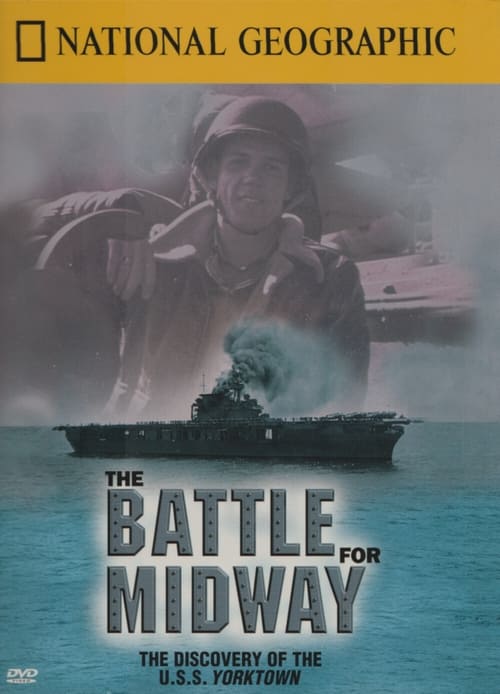
National Geographic follows underwater explorer Bob Ballard as he searches for the aircraft carrier sunk during the Battle of Midway.
A portrait of several Vietnam War veterans living "off the grid." Upon returning home from the war, these men found themselves unable to exist in normal society due to the lasting psychological scars from Vietnam, and, subsequently, chose to live a life of solitude and survival in the American wilderness.
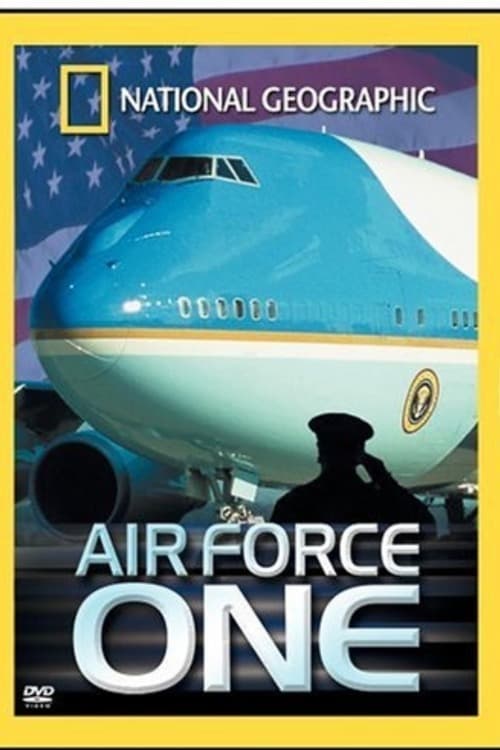
National Geographic takes you on an exclusive tour inside Air Force One, part luxury hotel, part super-secret military command post. From its beginnings with President Roosevelt making a secret wartime flight in 1943 - to the historic flight that returned President Kennedy's body to Washington after his assassination - to the closing months of the Clinton administration, Air Force One takes you through the history of the world's most powerful plane. Features exclusive interviews with Presidents George W. Bush, William Jefferson Clinton, George H. W. Bush, and Jimmy Carter.
For decades the wreck of the liner RMS Titanic had eluded those seeking to locate her grave site. Many failed until Dr. Robert Ballard turned a dream into reality in 1985 when he found her remains over 12000' beneath the North Atlantic Ocean. Dr. Ballard tells how his missions to two lost submarines from the Cold War helped him find the debris trail of the Titanic that she left across the sea bed. Interspersed with this intriguing once-Top Secret mission is the story of Ballard's 2004 trip back to Titanic to document the ensuing effects of visitors and salvagers since his last trip in 1986. Understanding that the Titanic and her remains belong to everyone, Dr. Ballard returns with the National Oceanic and Atmospheric Administration (NOAA) to help make his vision of a museum - a museum available to all - become a reality. A companion to Return to Titanic. - Written by Glenn C. Reimer
Through interviews with Manhattan Project scientists and newly declassified archival footage, this documentary examines the life of physicist J. Robert Oppenheimer and his leadership of the Manhattan Project. The film traces the development and testing of the first atomic bomb and follows Oppenheimer’s later opposition to nuclear proliferation during the early years of the Cold War.
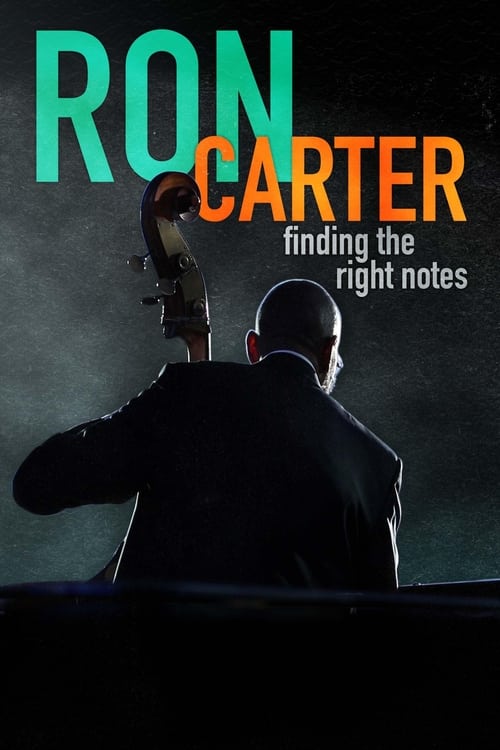
The life and career of jazz musician Ron Carter, the most recorded bassist in history, featuring original concert footage and insights from jazz icons.
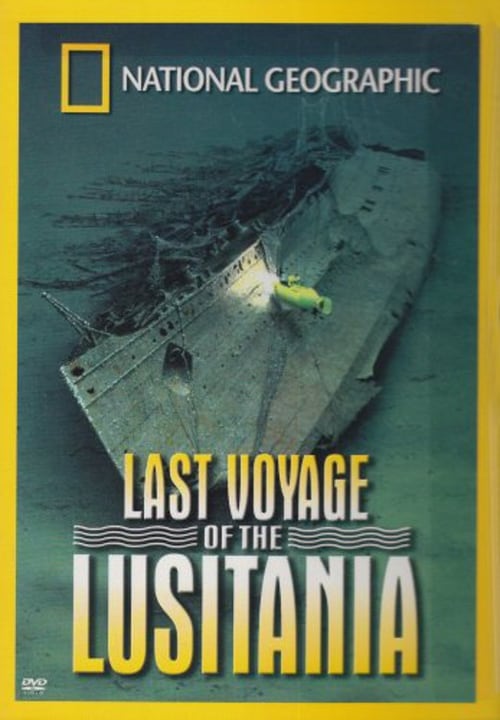
Why did Germany torpedo the Lusitania, a civilian vessel? And why did such an enormous ship sink so fast? Now, take a high-tech plunge beneath the Irish Channel and relive on of the century's most mysterious maritime tragedies: The date is May 7, 1915, just nine months into World War I. A German U-boat torpedoes the Lusitania — one of than largest and fastest luxury liners in the world. Of the 1,959 people aboard, including millionaire Alfred Vanderbilt, nearly two-thirds will die. Many are trapped inside as the great ship sinks in just eighteen minutes.
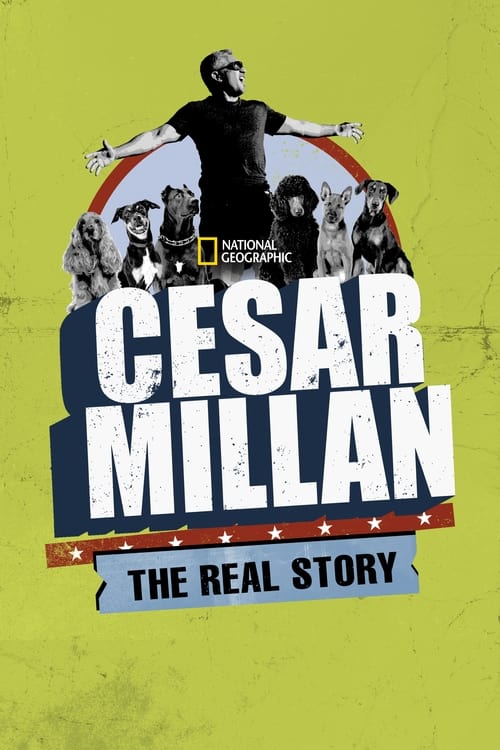
Follow Cesar Millans rise from impoverished illegal immigrant to celebrity dog trainer to international superstar. Join Cesar as he embarks on his live world speaking tour, films his new television series in Spain and leads thousands of dogs and owners on a Pack Walk in Washington, D.C. Cesar reflects on his humble past, his family life and his ever-evolving philosophy, which inspires people to improve their relationships with their dogs while becoming the pack leader of their own lives.
This poignant documentary, narrated by award-winning actress Stockard Channing, profiles the firemen of Rescue 3, who used strength and solidarity to prevail against unbearable pain and loss during the terrorist attacks of September 11, 2001.
The workers in a Coca-Cola bottling subsidiary plant in Guatemala attempt to unionize.
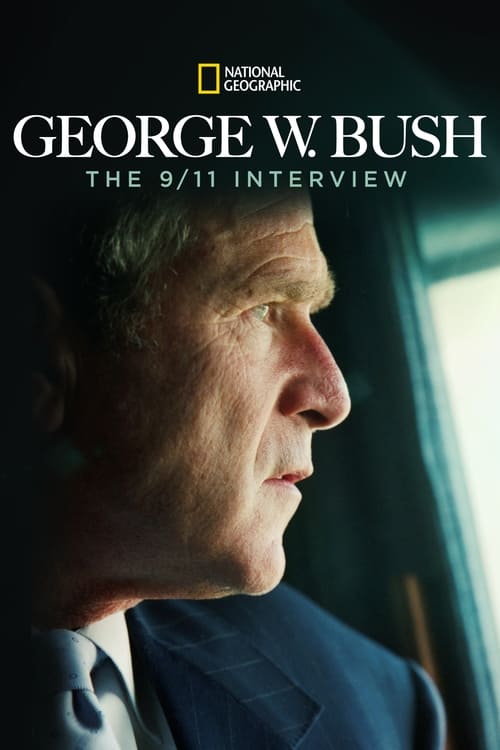
In the National Geographic Channel special, “George W. Bush: The 9-11 Interview,” the former President talks about the chaotic moments after the attacks and the reasoning behind decisions he made that day. Bush reflects on being told about the attacks while visiting schoolchildren in Florida and the difficulty in getting accurate information in what he calls “the fog of war.” He also talks about returning to the White House to address Americans in the hours after the terrorist attacks. Fearing a possible psychological boost for al-Qaeda, Bush said he, quote, “damn sure wasn’t going to give it from a bunker in Nebraska.” The former President recalls the emotional visit to Ground Zero just three days after the World Trade Center Towers were destroyed. He describes “a palpable bloodlust” among workers in the ruins who were encouraging him to retaliate against those behind the attacks.
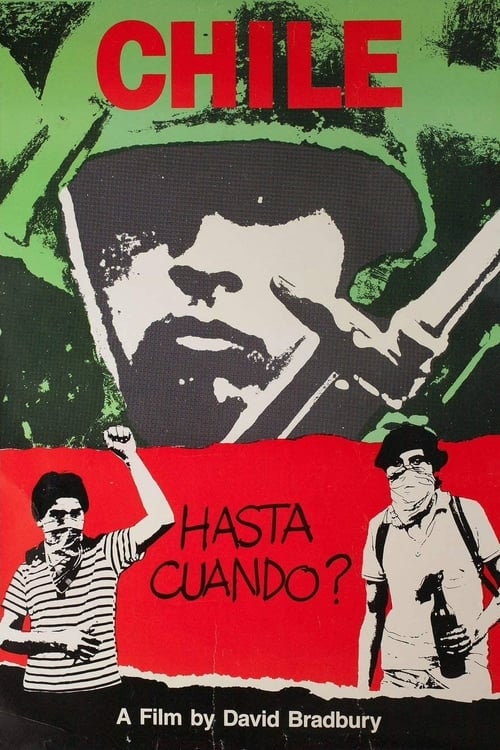
A portrait of a brutal Pinochet military dictatorship made during a three month visit to Chile in 1985 by David Bradbury. The footage reveals a country torn with civil strife and political unrest; military intimidation of the population; indiscriminate arrests: murder torture and disappearances were facts of Chilean life.