Acting
Polizeiruf 110 is a long-running German language detective television series. The first episode was broadcast 27 June 1971 in the German Democratic Republic, and after the dissolution of Fernsehen der DDR the series was picked up by ARD. It was originally created as a counterpart to the West German series Tatort, and quickly became a public favorite.
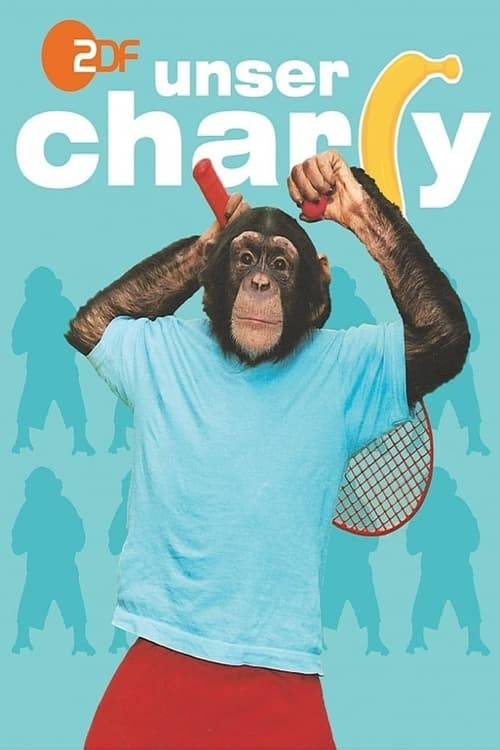
The exciting stories about the cheeky chimpanzee Charly, who finds a new home with a Berlin vet family.
No description available.
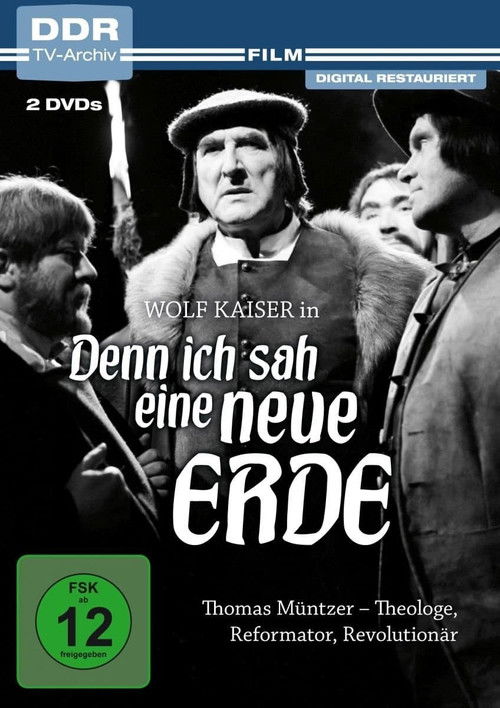
Four-part miniseries about the theologian Thomas Müntzer, who became a revolutionary and opponent of Luther during the Peasant War in 1525.
Eight space cargo-ships disappear without a trace within three days, and the orbit station "Margot" has suddenly fallen silent. It’s down to science officer Maria Scholl to find out what happened to them.
After the death of her husband, an elderly widow rediscovers her vitality and romance when she falls in love with a fellow nursing home resident.
12-year-old Thomas takes rowing lessons and grows rather fond of his teacher. He idolizes his trainer – and when the boy discovers that the person he felt such a love for lied to him in order to sleep with his mother – his heart is broken. It's hard for him to understand why his trainer would prefer to be intimate with his mother than to be with him.
Inge Herold is in her mid-thirties. She is divorced and lives with her 15-year-old son. She works as a psychologist and social worker and is involved with a married man. Suddenly, Inge finds out she may have breast cancer, which would mean an operation the very next day. The 24 hours before the planned surgery puts her under enormous psychological pressure and she begins to reevaluate her life. With heightened awareness of matters of everyday life, she realizes that what she previously considered meaningful, was actually void of any real meaning.
Feuerdrachen is a German television series.
A farmer receives land from the king and discovers a buried golden mortar. He decides to give it to the king out of gratitude, but his clever daughter warns him that the king will surely want him to bring a corresponding pestle as well. When the king throws the farmer into jail for fraud, he bemoans the fact that he did not listen to his daughter.
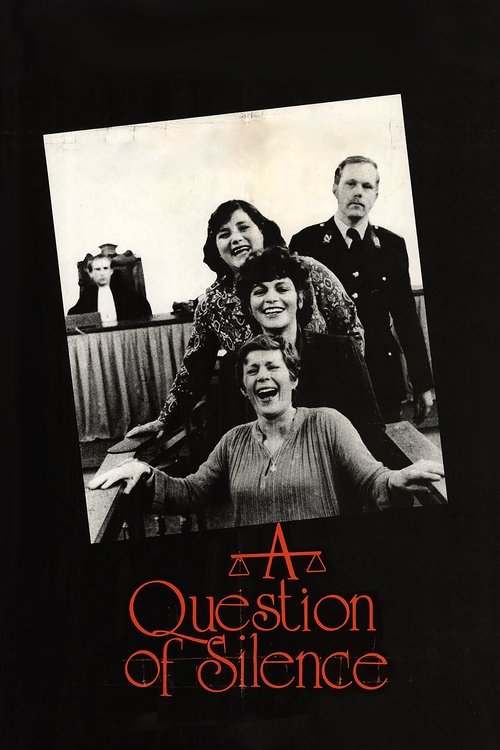
When three women with no previous acquaintance kill a male shopkeeper in the middle of the day, the female psychiatrist assigned to the case sets out to understand why.
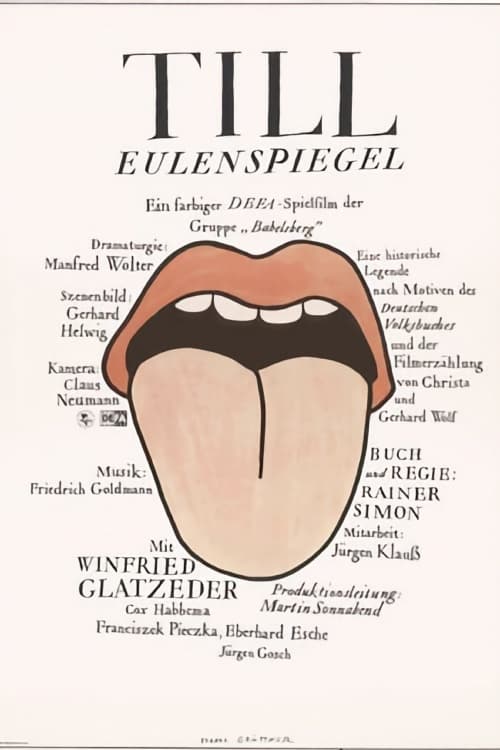
In medieval Germany, poor and witty Till Eulenspiegel fools and cheats citizens, churchmen, and landlords. Although in most cases he uses his wit for personal well-being, he often helps the poor and weak. Eventually, he gains an influential but also dangerous position as royal fool at the court of the emperor.
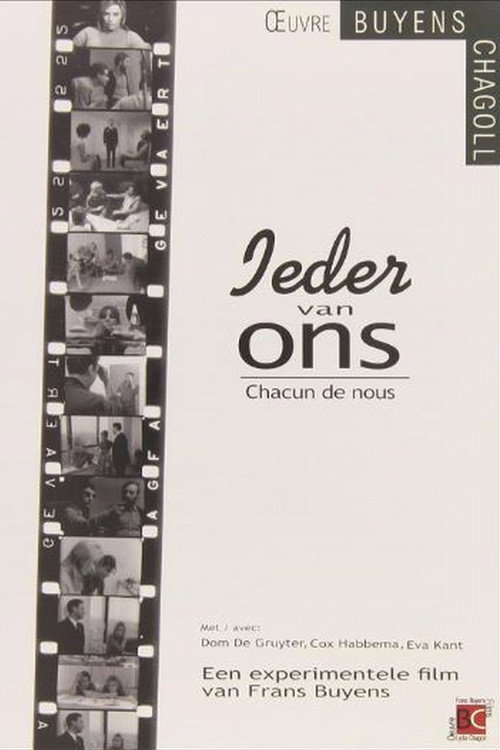
The deeply socially engaged documentary filmmaker Frans Buyens had long dreamed of making the transition to fiction filmmaking. The experimental Ieder van Ons was a first attempt in that direction. In essence, it was an inquiry film shot in a cinéma vérité style about appearance and reality in social commitment. With Ieder van Ons, Buyens wanted to jolt the viewer’s conscience and make them aware of the duty to face the truth and to act accordingly. To achieve this, he combined a fictional plot with documentary scenes. On the one hand, the film contains acted sequences about the awakening conscience of a ruthless political figure; on the other hand, Buyens himself appears before the camera to introduce several actors, their characters, and the situations in which they are about to become involved.
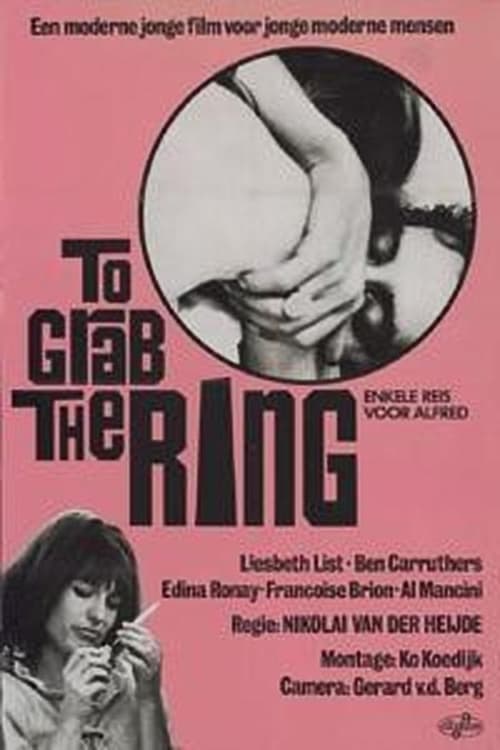
This film takes a decidedly satirical look at the inner workings of the gangster underworld. Alfred Lowell is a washed-up actor sent to London to take care of some mob business. Alfred's mind is not on his job, as he prefers to probe his past for the reasons why he has failed as a thespian. He entertains thoughts of suicide, but his involvement in the gang prevents him from ending his life.
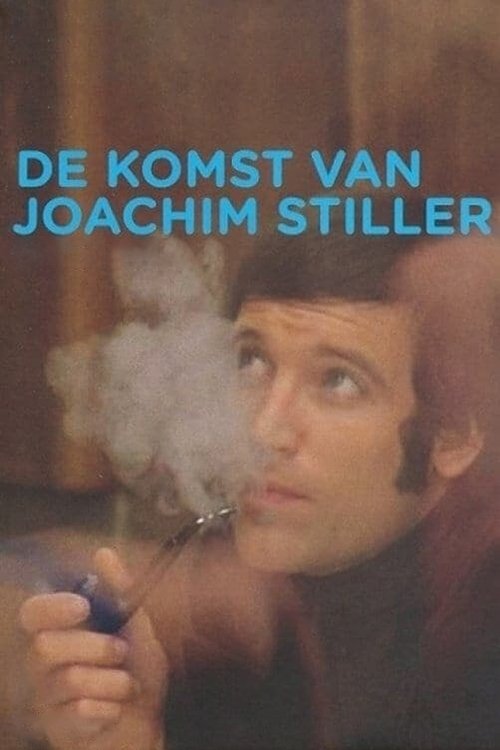
An Antwerp journalist finds his daily life increasingly disrupted by unexplained phenomena, such as an authentic letter from 1919 that refers to an event taking place at a much later date. Because these disturbances are consistently linked to the name “Joachim Stiller,” the journalist becomes obsessed with it. The resolution, which is closely tied to his traumatic experiences from the Second World War, takes place with a psychiatrist—and later at an abandoned railway station in an Antwerp suburb. Interwoven with this is a subplot about an Antwerp art dealer who believes he can become rich through a new form of painting. To achieve this, he takes a mentally disabled artist hostage. The narrative also follows various romantic entanglements involving the journalist, which ultimately lead to his happy experience of fatherhood.
Documentary that looks back at 35 years of Dutch cinema, with Paul Verhoeven and others.
Nervous poet wrestles with everyday utensils. His clumsy movements also cause trouble in bed.