James Dean
Acting
Biography
James Byron Dean (February 8, 1931 – September 30, 1955) was an American actor. He is remembered as a cultural icon of teenage disillusionment and social estrangement, as expressed in the title of his most celebrated film, Rebel Without a Cause (1955), in which he starred as troubled teenager Jim Stark. The other two roles that defined his stardom were loner Cal Trask in East of Eden (1955) and surly ranch hand Jett Rink in Giant (1956). After his death in a car crash on September 30, 1955, Dean became the first actor to receive a posthumous Academy Award nomination for Best Actor for his role in East of Eden. Upon receiving a second nomination for his role in Giant the following year, Dean became the only actor to have had two posthumous acting nominations. In 1999, the American Film Institute ranked him the 18th best male movie star of Golden Age Hollywood in AFI's 100 Years...100 Stars list.
Known For

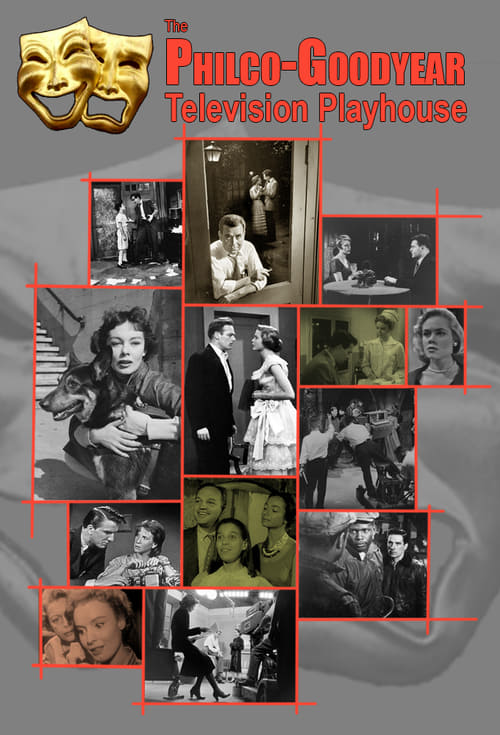
The Philco Television Playhouse is an American anthology series that was broadcast live on NBC from 1948 to 1955. Produced by Fred Coe, the series was sponsored by Philco. It was one of the most respected dramatic shows of the Golden Age of Television, winning a 1954 Peabody Award and receiving eight Emmy nominations between 1951 and 1956.
The Philco Television Playhouse

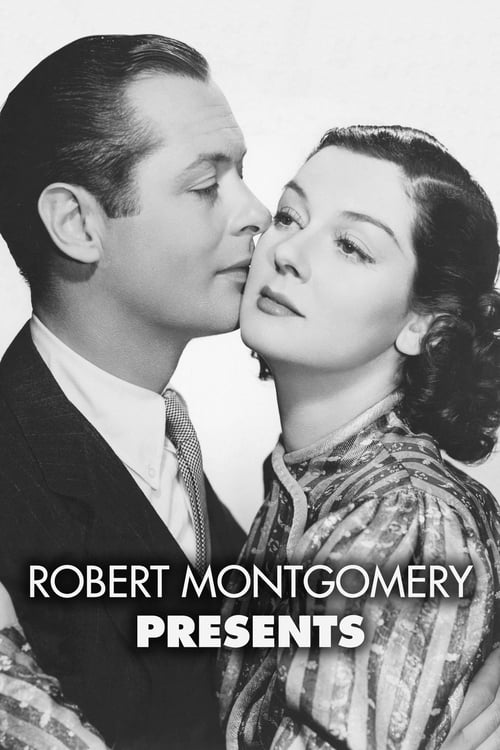
Robert Montgomery Presents is an American dramatic television series which was produced by NBC from January 30, 1950 until June 24, 1957. The live show had several sponsors during its seven-year run, and the title was altered to feature the sponsor, usually Lucky Strike cigarettes, for example, Robert Montgomery Presents Your Lucky Strike Theater, ....The Johnson's Wax Program, and so on.
Robert Montgomery Presents

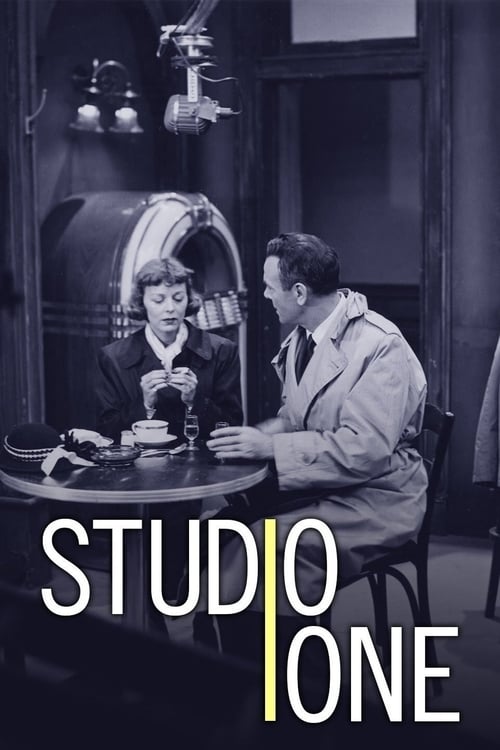
An American radio–television anthology series, created in 1947 by Canadian director Fletcher Markle, who came to CBS from the CBC. Studio One, presented by Westinghouse, was one of the first of the anthology TV programs. The episodes were often abridged remakes of movies from years gone by and many future well-known television and movie actors appeared in the productions.
Studio One

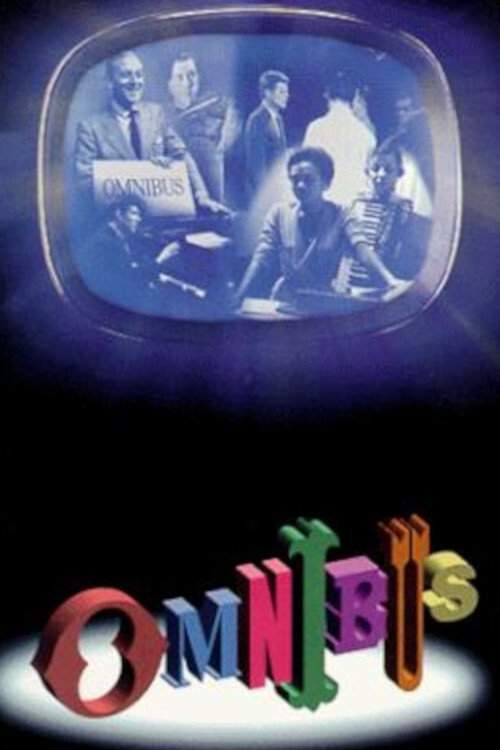
Omnibus is an American, commercially sponsored, educational television series.
Omnibus

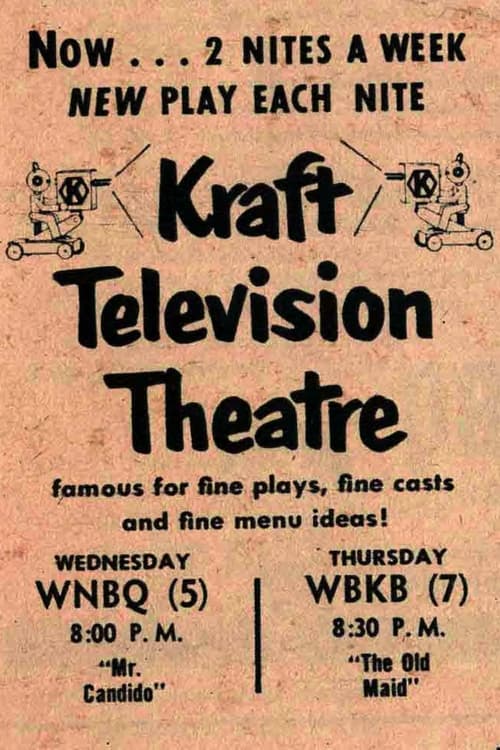
Kraft Television Theater is an American, well-received anthology series presenting live television dramas.
Kraft Television Theatre

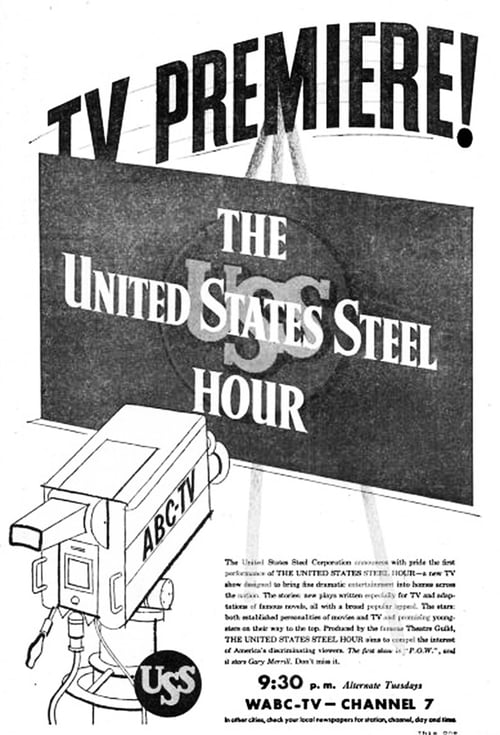
The United States Steel Hour is an anthology series which brought hour-long dramas to television from 1953 to 1963. The television series and the radio program that preceded it were both sponsored by the United States Steel Corporation.
The United States Steel Hour

Tales of Tomorrow is an American anthology science fiction series that was performed and broadcast live on ABC from 1951 to 1953. The series covered such stories as Frankenstein, starring Lon Chaney, Jr., 20,000 Leagues Under the Sea starring Thomas Mitchell as Captain Nemo, and many others featuring such performers as Boris Karloff, Brian Keith, Lee J. Cobb, Rod Steiger, Bruce Cabot, Franchot Tone, Gene Lockhart, Walter Abel, Leslie Nielsen, and Paul Newman. The series had many similarities to the later Twilight Zone which also covered one of the same stories, "What You Need". In total it ran for eighty-five 30-minute episodes.
Tales of Tomorrow
Lux Video Theatre is an American anthology series that was produced from 1950 until 1959. The series presented both comedy and drama in original teleplays, as well as abridged adaptations of films and plays.
Lux Video Theatre

Armstrong Circle Theatre is an American anthology drama television series which ran from 1950 to 1957 on NBC, and then until 1963 on CBS. It alternated weekly with The U.S. Steel Hour.
Armstrong Circle Theatre

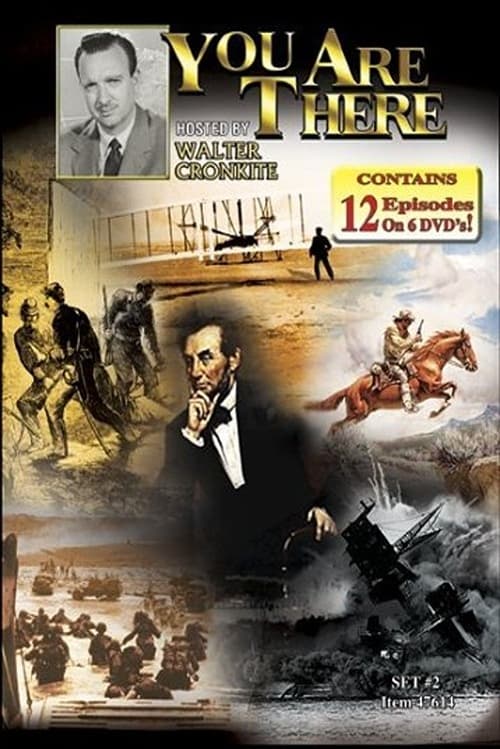
You Are There is an American historical educational television and radio series broadcast over the CBS Radio and CBS Television networks.
You Are There

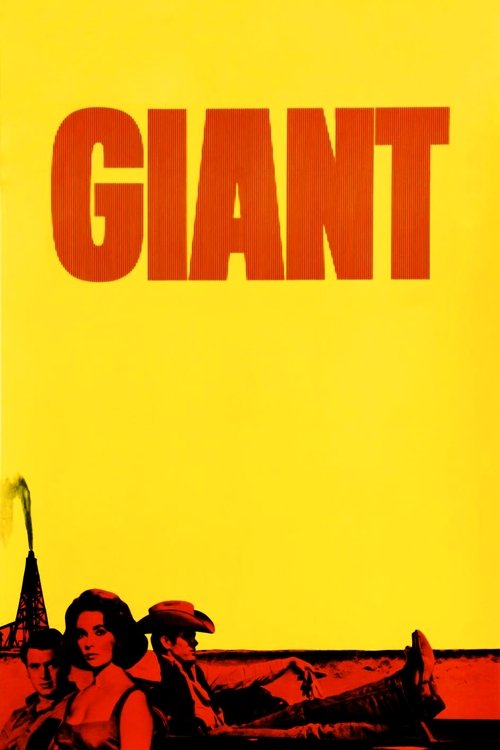
Wealthy rancher Bick Benedict and dirt-poor cowboy Jett Rink both woo Leslie Lynnton, a beautiful young woman from Maryland who is new to Texas. She marries Benedict, but she is shocked by the racial bigotry of the White Texans against the local people of Mexican descent. Rink discovers oil on a small plot of land, and while he uses his vast, new wealth to buy all the land surrounding the Benedict ranch, the Benedict's disagreement over prejudice fuels conflict that runs across generations.
Giant

Long-running anthology program sponsored by Hallmark Cards. Beginning in 1951 and continuing into 2019, the series received 80 Emmy Awards, 24 Christopher Awards, 11 Peabody Awards, 9 Golden Globes, and 4 Humanitas Prizes. Early seasons were a weekly live drama, eventually transitioning to videotaped and then filmed productions broadcast as occasional specials.
Hallmark Hall of Fame

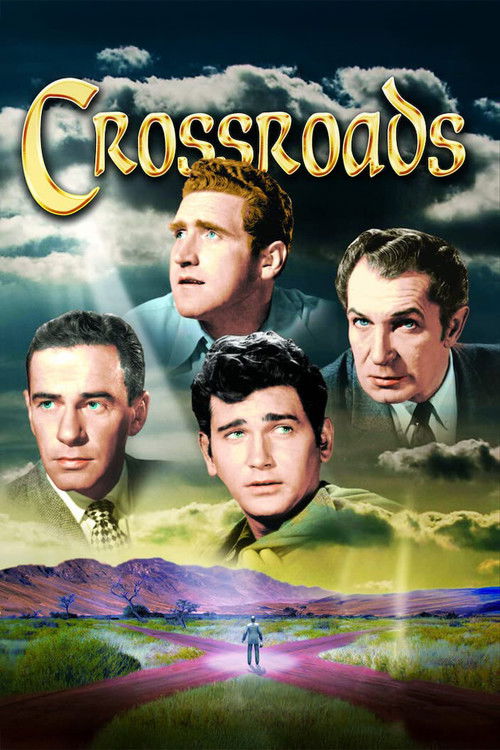
An anthology series based on the activities of clergymen from different denominations.
Crossroads

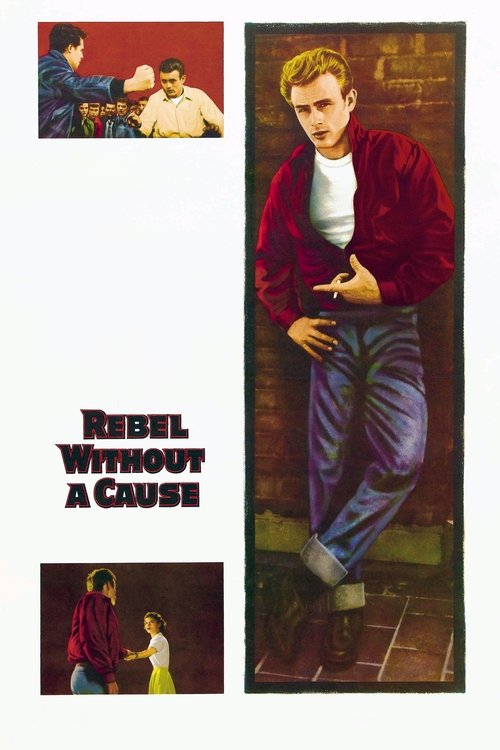
After moving to a new town, troublemaking teen Jim Stark is supposed to have a clean slate, although being the new kid in town brings its own problems. While searching for some stability, Stark forms a bond with a disturbed classmate, Plato, and falls for local girl Judy. However, Judy is the girlfriend of neighborhood tough, Buzz. When Buzz violently confronts Jim and challenges him to a drag race, the new kid's real troubles begin.
Rebel Without a Cause

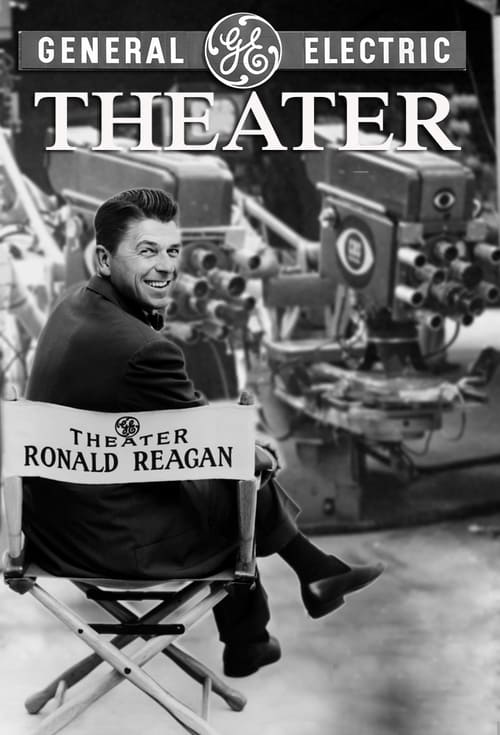
General Electric Theater is an American anthology series hosted by Ronald Reagan that was broadcast on CBS radio and television. The series was sponsored by General Electric's Department of Public Relations.
General Electric Theater

Schlitz Playhouse of Stars is an anthology series that was telecast from 1951 until 1959 on CBS. Offering both comedies and drama, the series was sponsored by the Joseph Schlitz Brewing Company. The title was shortened to Schlitz Playhouse, beginning with the fall 1957 season.
Schlitz Playhouse of Stars

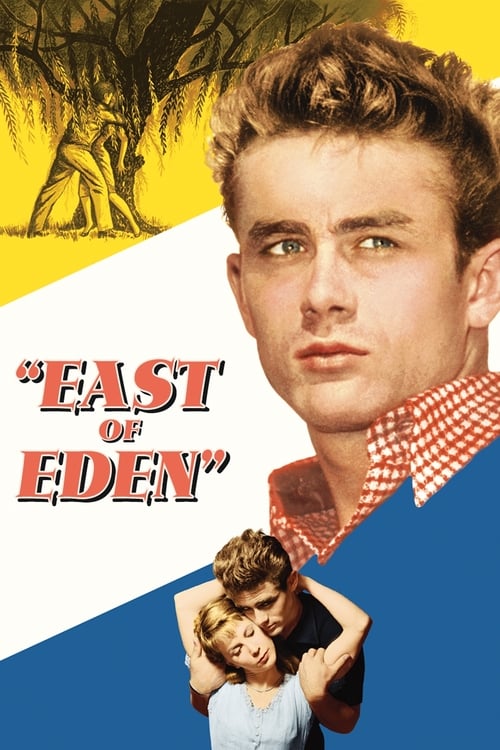
In the Salinas Valley in and around World War I, Cal Trask feels he must compete against overwhelming odds with his brother for the love of their father. Cal is frustrated at every turn, from his reaction to the war, how to get ahead in business and in life, and how to relate to his estranged mother.
East of Eden

Based on a popular radio series, each show tells a different reporter's Big Story, a true story selected from newspapers across the United States. Comments from the actual reporter open and close each show but the permanent narrator drives the plot line and a featured actor dramatizes the reporter's role.
The Big Story

New York City newspaper The Day is in trouble. Even though editor Ed Hutcheson has worked hard running the paper, its circulation has been steadily declining. Now the publisher's widow wants to sell the paper, which will most likely mean its end. Hutcheson's only hope is to finish his exposé on a dangerous gangster before the sale is finalized.
Deadline - U.S.A.

When a 1920s millionaire tests the fiber of his Vermont family, a young lady and her boyfriend feel the repercussions.