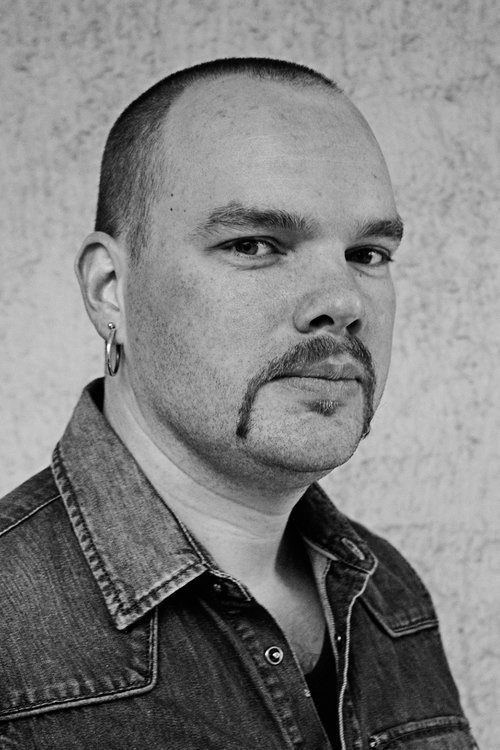
Johannes Binotto
Directing
Biography
Johannes Binotto, *1977, is researcher and senior lecturer in cultural and media studies, regular contributor to the film magazine Filmbulletin, and on the editorial board of RISS. Zeitschrift für Psychoanalyse. He teaches film theory and history at the Lucerne School of Art and Design and English and American literature and culture as senior lecturer at the English Department of the University of Zurich. He has written his PhD on the psychoanalytic uncanny as space in arts, literature and film. His two current research projects are a study on film technology and the unconscious, and a project on video essays in academic research and teaching.
Known For
Not having bitten anyone at the age of 25 makes the young vampire Victor feel quite inadequate. New hope blooms, however, when he meets Sophia, a young doctor.
Bats in the Belly
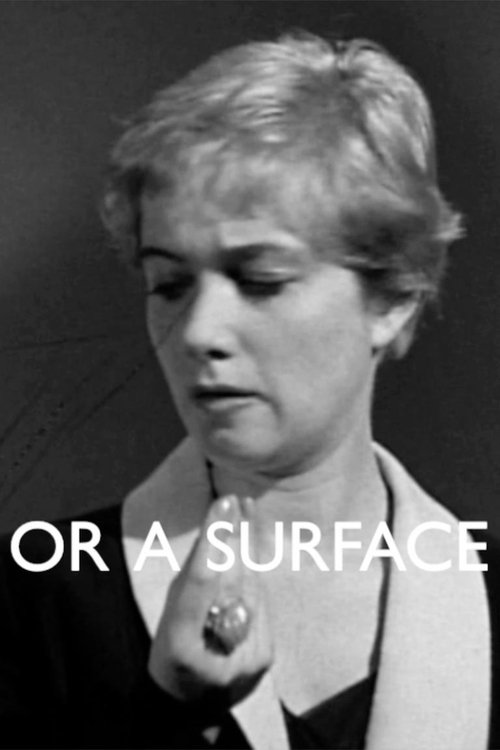
Picking up on Pierre Schaeffer’s musical theory, this video essay looks at the final scene from Robert Aldrich’s Kiss Me Deadly as a source of concrete sound. No additional sounds were used. The stroboscopic audio is nothing but the original soundtrack, dissected and interrupted by clicking manually from frame to frame.
Touching Sound
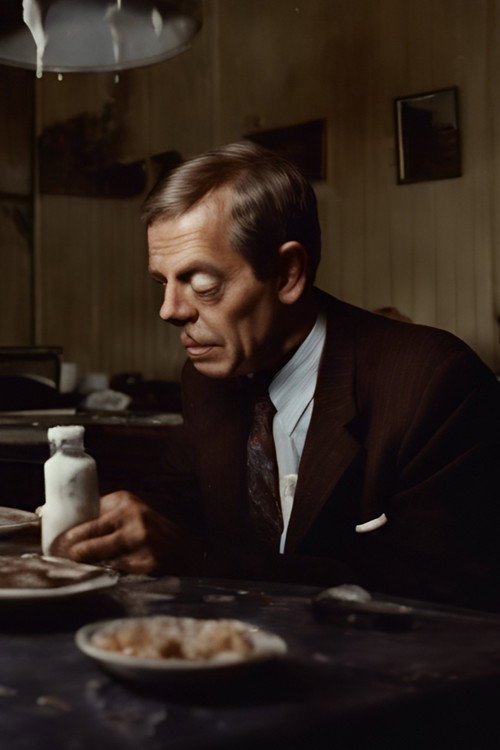
Alfred Hitchcock’s Vertigo is a film about the drive to repeat and reproduce lost things, and the failure to do so. What would it mean to repeat the images of this repetitious film with the help of AI — but as disturbing (failed) dreams rather than an exact replica? We begin to imagine a new film within the one we know. AI gives us back the history of cinema — as an uncanny double.
Not Exactly a Still Life
![capricorn sunset [a constellation]](https://image.tmdb.org/t/p/w500/omh2HsPPpDmsMsCeDTcgUKyhdOK.jpg)
What happens when we scale things? Increasing or reduzing size may seem an innocuous practice which only changes the measurements of an object. But in fact, scaling provokes brutal breaks and uncanny tipping points where things become radically and irrevocably different. This is what the vision machines of film with its variable image sizes always tried to tell us: how things by being scaled can fall apart – a lesson perhaps not only about our perception but also about our fragile world at the verge of tipping points.
capricorn sunset [a constellation]
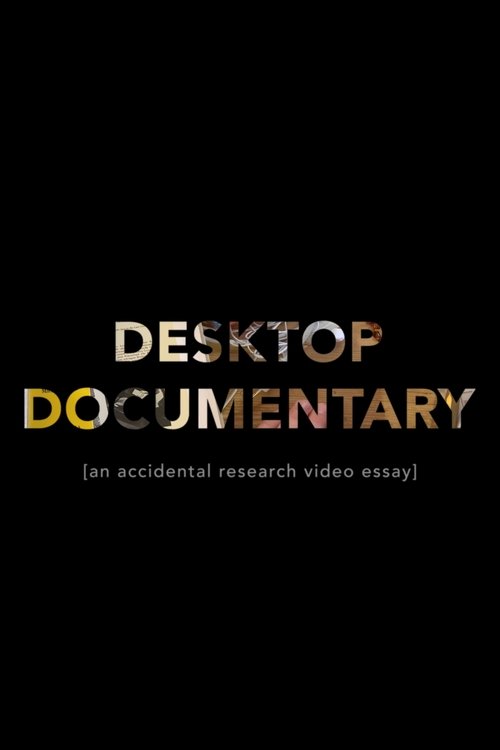
An accidental research video essay on the Desktop as medium.
Desktop Documentary
"Yes, this is the eternal renewal, the incessant rise and fall and fall and rise again. And in me too the wave rises." Virginia Woolf: The Waves. As an homage to film theorist and experimental filmmaker Thierry Kuntzel and his work on waves, and in particular his interactive video installation
vague | wave
The everyday gesture of scratching makes us think our bodies in new and different ways. Scratching dis/connects us with ourselves, with other bodies, human and non-human, with flesh and machines, with our own history and with the history of cinema.
Gestures of Thought: Scratch
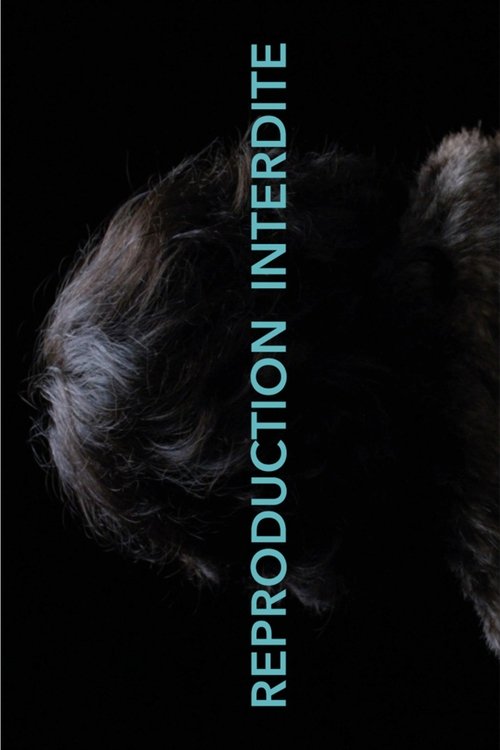
What is there to see when characters turn their back on us? Back views in cinema are experienced as disturbances of their visual regime. But by hiding the faces these images point towards another presence, both familiar and uncanny to us all: there’s an off-space we all carry with us but can never look at without optical help. The part of us, where we become strangers to ourselves.