Acting
No description available.
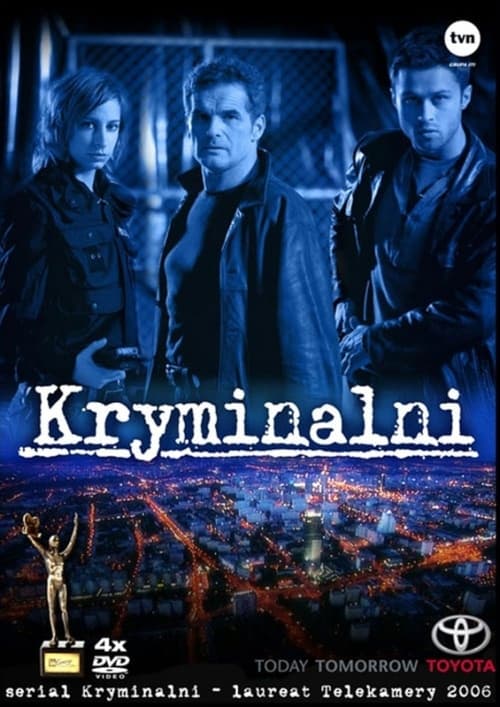
Kryminalni was a Polish crime drama television series that aired on TVN network from September 18, 2004 until May 24, 2008. It ran for 8 seasons and 101 episodes were broadcast in total. It was created by Polish director and screenwriter Piotr Wereśniak and produced by MTL Maxfilm studio. The series followed life and work of police officers from the elite Criminal Terror and Murders Division of the Warsaw Metropolitan Police; the title refers to police officers in the crime section. The three main characters were Adam Zawada, an experienced, tough cup, his younger colleague Marek Brodecki and Barbara Storosz, an ambitious female officer who in the first season joins the team just after graduating. Although none of the main actors had had star status before the series debuted, all three of them rose to prominence and popularity during the 5-year-long run. Many of Poland's best known actors guest starred, usually playing roles of people involved in just one particular investigation. The serial was one of the most popular in Poland: each week it had an audience of 4 million.
Investigating the disappearance of children in a remote Polish town, prosecutor Leopold Bilski must unravel a sinister local legend before it's too late.
The town is shocked with a brutal double murder. The "Courier" hands the case to an experienced journalist - Witold Wanycz. At the same time, he learns about the mysterious suicide of two teenagers. Together with Piotr, a young journalist, they start their own investigation.
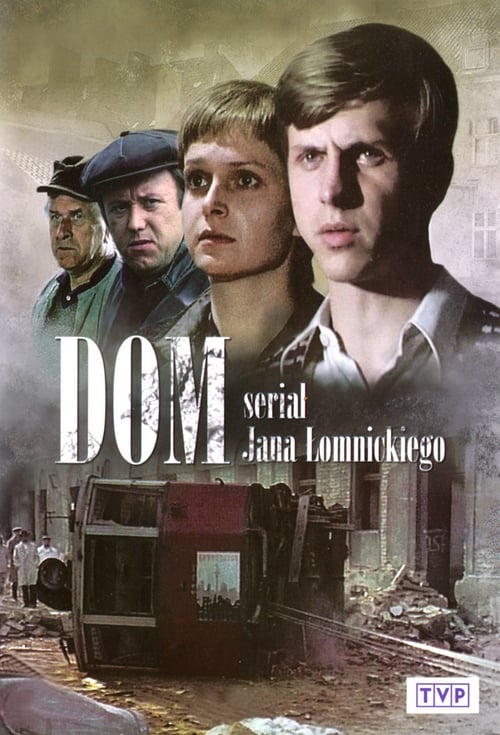
The story of the residents of a tenement house on Złota Street in Warsaw from 1945 to 1980.
When their latest heist goes wrong, three older female burglars evade officials by hiding out in a nursing home — where they uncover a sinister secret.
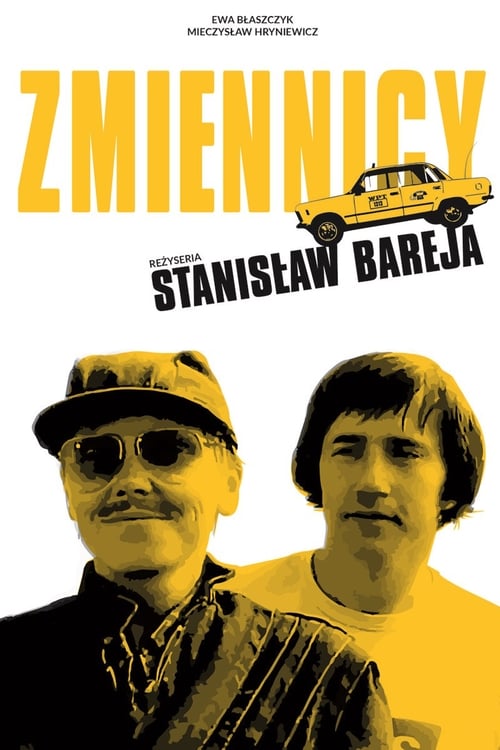
"Zmiennicy" is a grotesque comedy of absurdity and reality that masterfully blends slapstick, satire, and surrealism to expose the absurdities of life under communist rule in the People's Republic of Poland (PRL). The story follows Jacek Żytkiewicz, a taxi driver in Warsaw, and his mysterious new shift partner, Katarzyna Piórecka, who disguises herself as a man to get the job. The series is a comedy of the grotesque, filled with exaggerated characters, nonsensical bureaucracy, and surreal plot twists. It mocks the inefficiencies and contradictions of PRL institutions—from corrupt officials and inept police to bizarre workplace dynamics and social hypocrisy. Underneath the absurdity lies a thriller-like subplot: a drug trafficking operation smuggling heroin from Thailand to West Germany. This storyline, featuring shady sports officials, a Thai student, and a crooked firefighter, adds a layer of intrigue reminiscent of American crime dramas.
A pious 20-year-old juvenile delinquent is sent to work at a sawmill in a small town; on arrival, he dresses up as a priest and accidentally takes over the local parish. The arrival of this young, charismatic preacher is an opportunity for the local community to begin the healing process after a tragedy that happened a year prior.
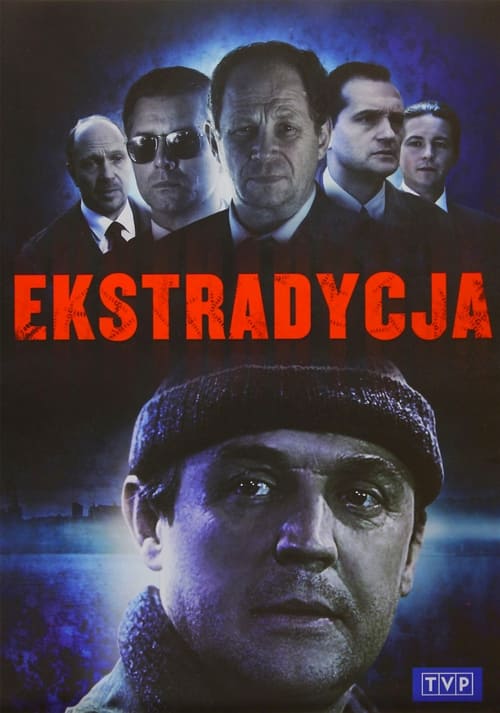
One of the most important action series created during the transition period. It brilliantly and credibly portrays the realities of the 1990s and the work of police officers in a new reality, one in which entirely new criminal groups emerged – drug dealers and warring gangs.
The story of Stanisław Wokulski, a wealthy merchant who falls in love with a haughty aristocrat, Izabela Łęcka. Causing a misalliance in the late nineteenth century Warsaw. Young Wokulski is forced to work as a waiter, while dreaming of a life in science. After taking part in the failed uprising, he is sentenced to exile in Siberia. Upon return to Warsaw, he becomes a salesman. Marrying the late shop owner's widow, he becomes rich, He uses his money set up a partnership with a Russian merchant, met in the exile. The two makes a fortune supplying the Russian army. Wokulski falls in love with Izabela, daughter of the bankrupt aristocrat. In his quest to win her, he ventures theatres and aristocratic salons. To help her financially distressed father, he founds a company with the aristocrats as shareholders. Wokulski ability to make money is respected, but his lack of social rank is often brought. Izabela eventually accepts his affection, but without true devotion or love.
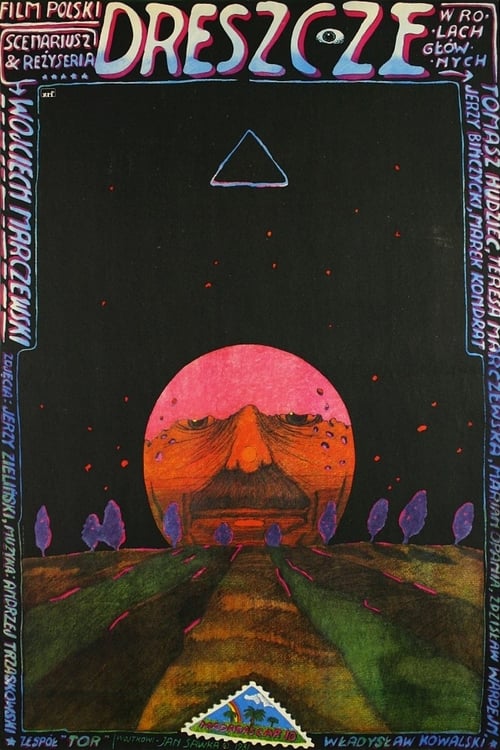
A theatre actor whose health is failing gets admitted to a nursing home. Soon, he starts having nightmares that seemingly become deceptively real. The so-called nightmares were able to make him live in two parallel dimensions.
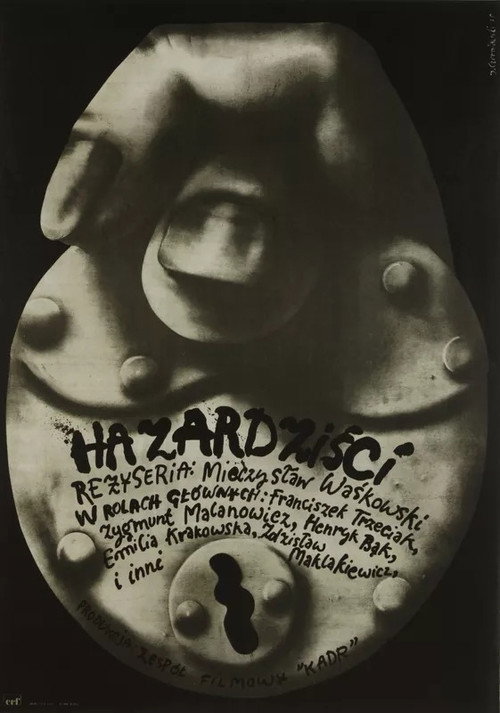
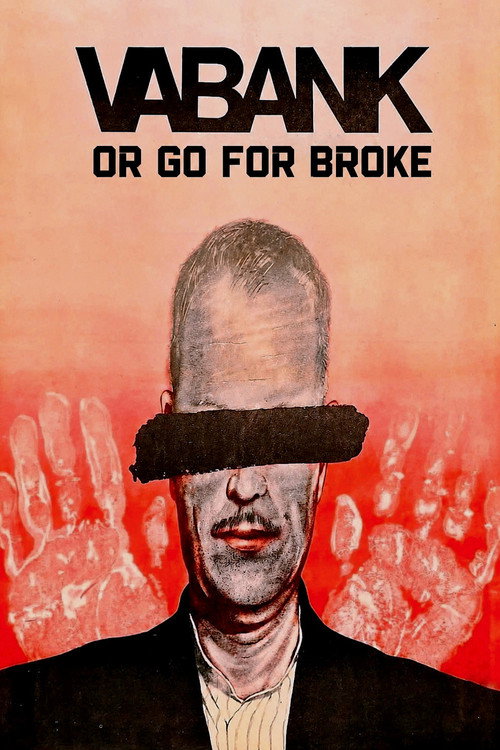
The screenplay is based on an authentic story of a robbery of a branch of the National Bank of Poland in Wolow. The thing took place in 1962, 12 million zlotys were stolen. For some time the perpetrators remained at large. Soon, however, the police came across their trail and the criminals were soon captured. And then the real bomb went off. It turned out that the thieves were not people listed in the police annals or even in contact with the criminal world. All the robbers had a reputation as "respectable citizens", by no means suffering from a lack of cash.
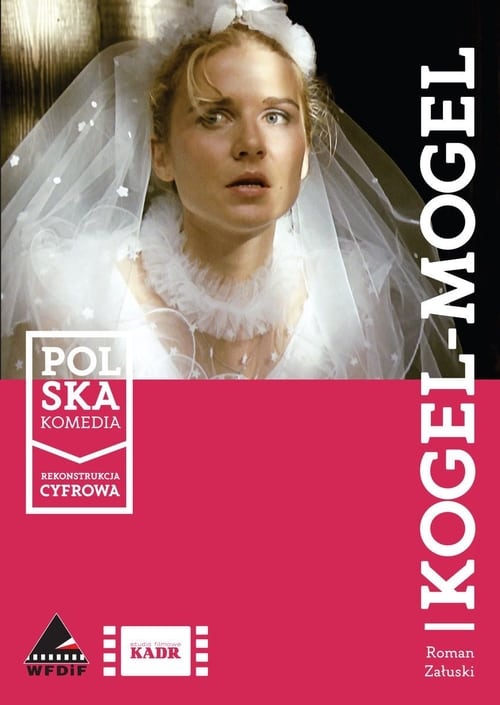
Following the emotions associated with entrance examinations to the faculty of pedagogy, Catherine Solska returns to his native village. And here she will surprise - the family without their knowledge to begin preparations for engagement with a rich neighbor Kolasa. Girl falls into despair, tries to oppose the decision of the parents, but is closed in his room. On visits to her fiance and flees out the window calling mail to the university. Receives misleading information and is convinced that was not accepted to college. Resigned returns home and agrees to the wedding. Meanwhile, on the eve of the wedding the postman brings the notice of acceptance to the university.
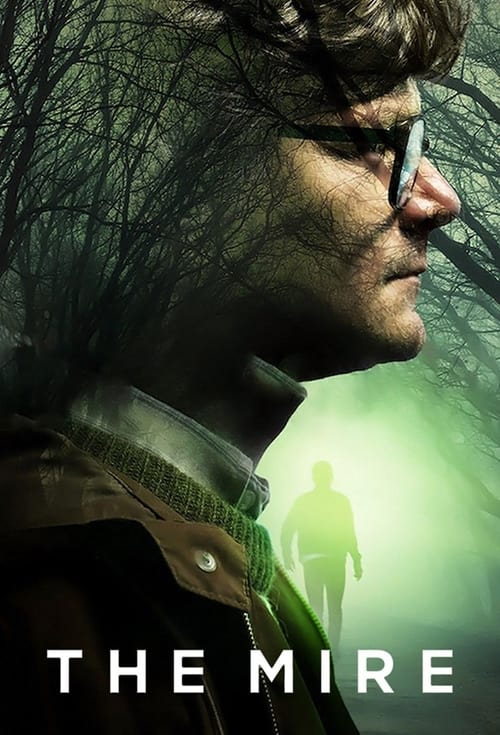
Anthropology professor Michal develops two overwhelming obsessions. The first one is a mummified, 3,000 year-old, perfectly preserved body of a shaman he and his colleagues have recently dragged out of a swamp. The second is an enigmatic student he meets by chance at a railway station.
A boy comes of age under an oppressive, cruel socialist government and watches as it slowly but surely distorts his family, his school and even his own thoughts.
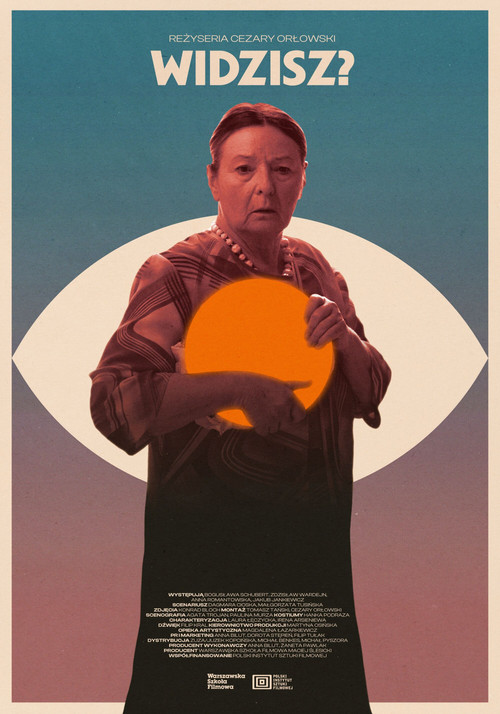
Teresa's peaceful life is turned upside down when a stain on her kitchen window is declared a miracle. As pilgrims flock to the house and her husband, Henryk, blossoms in the spotlight, Teresa feels increasingly invisible. Torn between her faith, societal expectations, and her own desires, she struggles to regain a sense of self in a world that ignores her.
October 1934. Poland. Famous bank robber Kwinto decided to quit his dangerous criminal job, but after his friend's death, he changed his mind and organized a burglary of famous and well protected bank which belonged to his former partner in crime, backstabbing and double-crossing Kramer. Kwinto designs a clever plan not to only rob the Kramer's bank but to make it look like Kramer himself did it.