Madeleine Mills
Acting
Known For
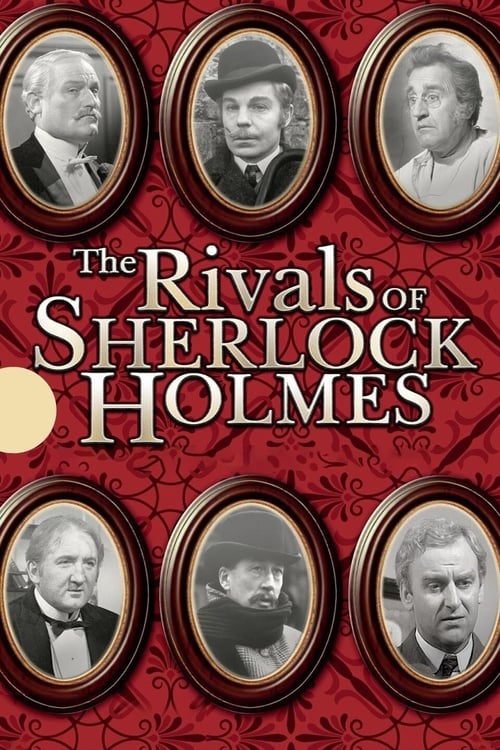
An anthology series produced by Thames Television, comprised of short mystery, suspense or crime adaptations featuring, as the title suggests, detectives who were literary contemporaries of Arthur Conan Doyle's Sherlock Holmes.
The Rivals of Sherlock Holmes
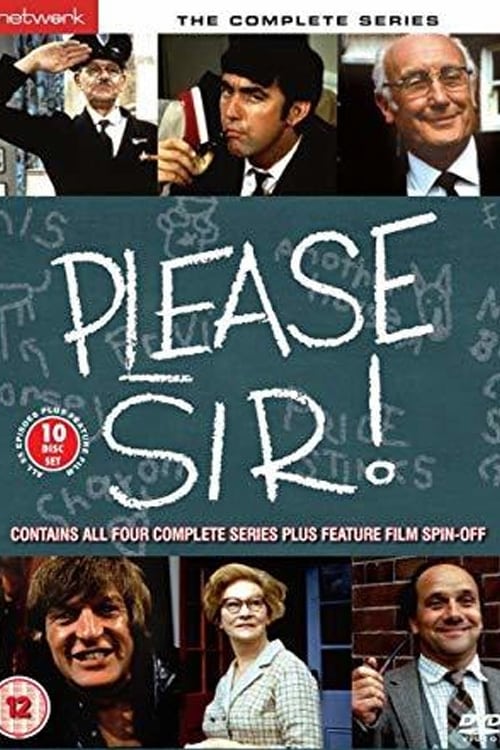
A hapless but caring teacher tries to control his class of unruly kids. The teacher sees much good and potential in his pupils, much to the dismay of his fellow teachers who have lost hope in these kids.
Please Sir!
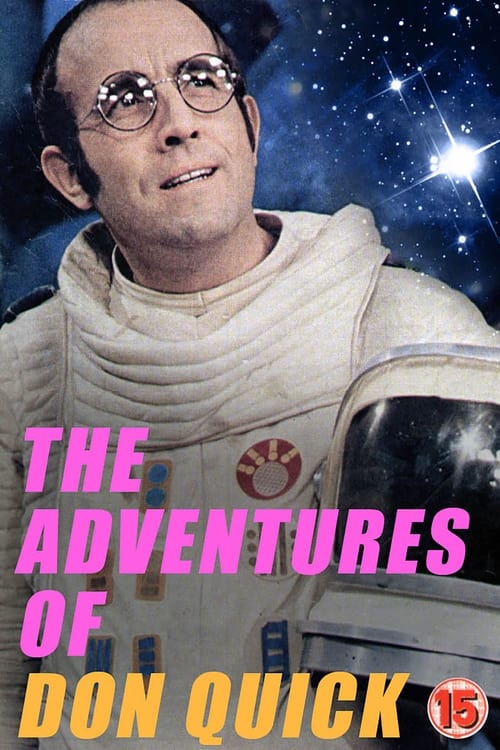
The Adventures of Don Quick is a science fiction comedy television series broadcast from October–December 1970, on ITV. Starring Ian Hendry and Ronald Lacey, six 50 minute episodes were made, shown in a 60 minute time slot. Based on the characters of Don Quixote, astronaut Captain Don Quick and Sergeant Sam Czopanser (i.e. "Sancho Panza") are members of the Intergalactic Maintenance Squad. On each planet they visit, Quick attempts to right imaginary wrongs, often upsetting the inhabitants of whatever society he's in. As of 2008, only the first episode exists, the other five are now missing. A technologically impressive 30 foot model spaceship was built in the studio for the series. However the first three episodes in a primetime slot failed to draw the required ratings so the last three were in a much later slot before the show was cancelled.
The Adventures of Don Quick
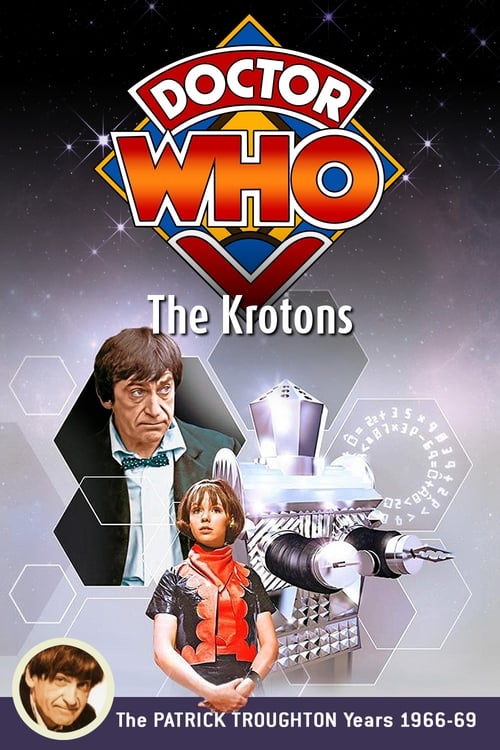
The TARDIS arrives on the unnamed planet of the Gonds, who are ruled and taught in a form of self-perpetuating slavery by the alien Krotons — crystalline beings whose ship, the Dynatrope, crash-landed there thousands of years earlier after being damaged in a space battle. The Krotons are in suspended animation, in a crystalline slurry form, awaiting a time when they can be reconstituted by absorption of mental energy. Periodically, the two most brilliant Gond students are received into the Dynatrope, nominally to become "companions of the Krotons", but in truth to have their mental energy drained, after which they are killed.
Doctor Who: The Krotons
A henpecked trade union leader tries to bully and then bribe a vulnerable housing manager into letting him jump the queue and have a new council flat.