Directing
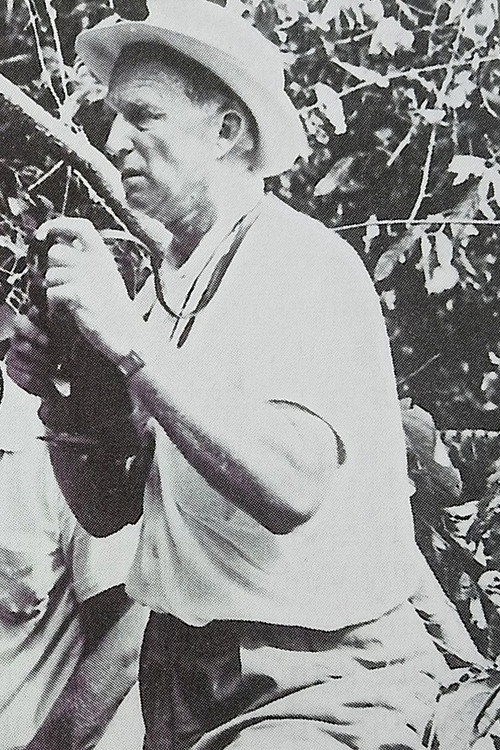
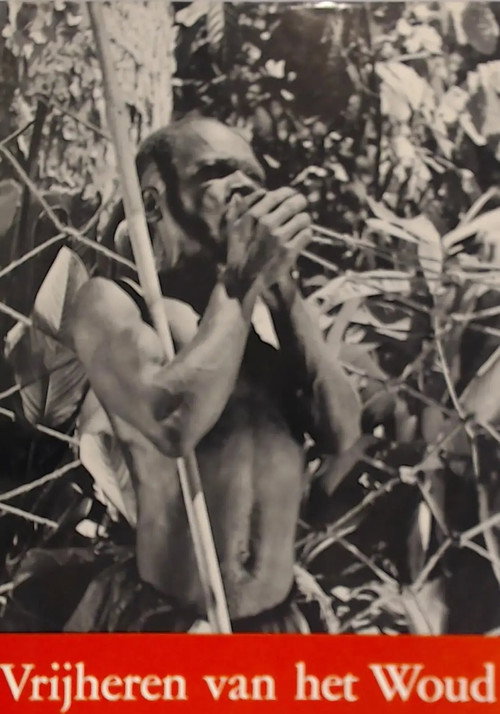
For their film “Vrijheren van het Woud” (Lords of the Forest) uit 1958, Heinz Sielmann and Henry Brandt had collected over 6 kilometers of film footage. In 1968, Henri Storck went through the unused material and turned it into a 90-minute documentary. Once again, it presents a highly realistic and naturalistic portrayal of the fauna, flora, and people of Central Africa. The Dutch version was released with commentary by Pros Verbruggen
In this documentary, filmed entirely in Belgian Congo, the survival challenges of both humans and animals are highlighted. Among other scenes, we see a group of hungry lions on the hunt and a ritual rain dance performed by local women. Dit is de Vlaamse versie van Les Seigneurs de la Forêt.
In 1964, Switzerland presented and looked at itself in a great national Exposition in Lausanne. One of the main attractions was this critical self-portrait in five short movements that deals as much with the nation’s beloved clichés as with its problems.
No description available.
Documentary about the inhabitants, both human and animal, of the Belgian Congo.
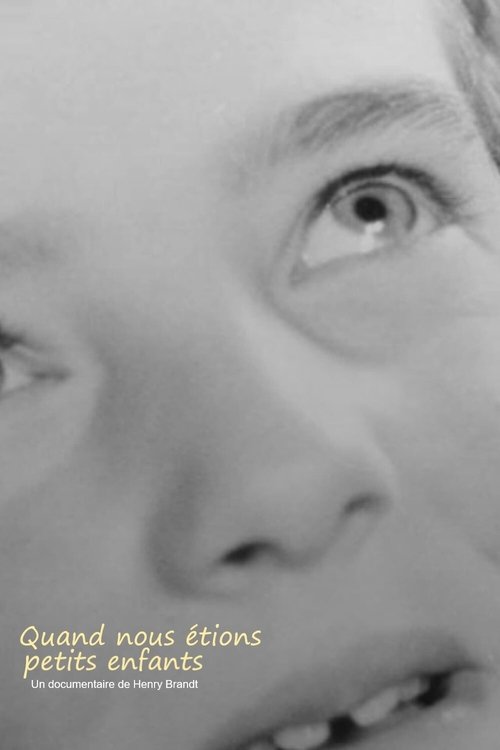
The daily life in the primary school of Taillères, in the La Brévine valley, is filmed over the course of an entire school year, from 1959 to 1960.
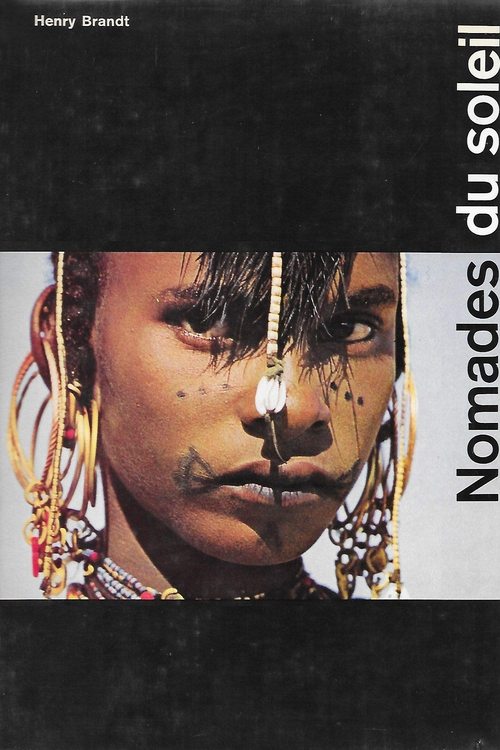
Record of the life of the Peulh Bororo people who live a nomadic life between the Sahara and the Niger River.
Does man serve the machine or vice versa? This question is at the center of this astonishing commissioned film. We meet a man named Albert Bernet, who lives on a remote farm in the Val de Travers. He is passionate about two professions: Farmer and watchmaker. In 1960, he was one of the dying breed of so-called “peasant-watchmakers” – home workers who were slowly but surely being displaced by factory workers. The production of the film was commissioned by the watch company Ebauches S.A. This makes the director all the more daring as he paints a bleak picture of the new work processes in the precision industry.