
Hervé Briaux
Acting
Known For
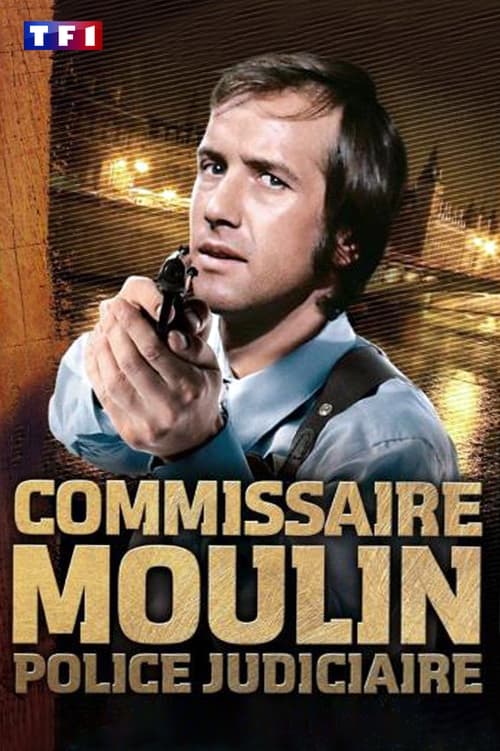
The series follows the adventures of lighthearted Jean-Paul Moulin, a police Commissaire, and his team as they solve crimes.
Police Commissioner Moulin
At a top Paris talent firm, agents scramble to keep their star clients happy—and their business afloat—after an unexpected crisis.
Call My Agent!

No description available.
Ladies of the Law
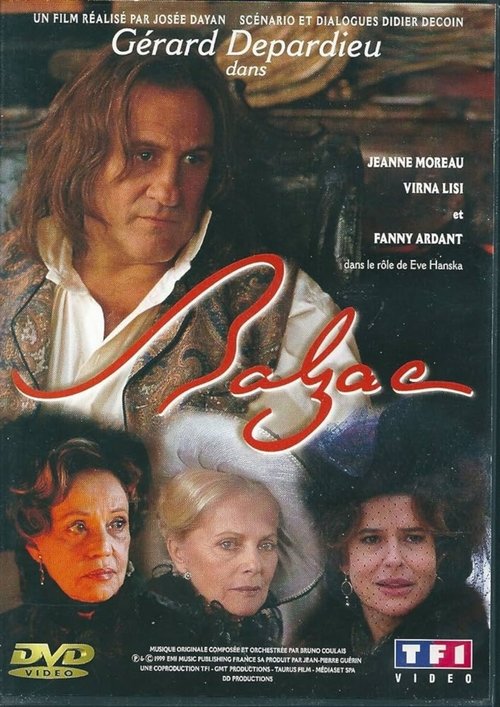
As Balzac prepares to die, his entire past flashes before his eyes. As a young writer, he was driven by the desire to achieve something great. With the support of Laure de Berny, he started printing and publishing without much success, but it was with his pen that he achieved fame, thanks to the constant support of Madame de Berny. Balzac became a writer that readers devoured.
Balzac
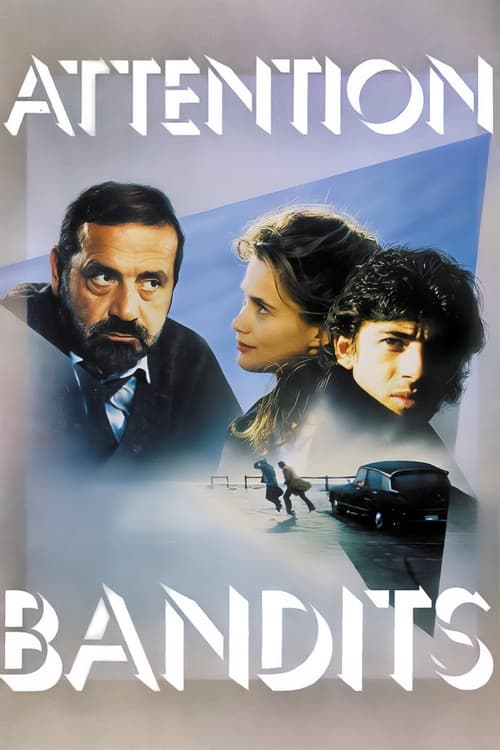
On the day Jean Gabin dies, a kidnaper who also takes a fortune in jewels heisted from Cartiers murders Simon Verini's wife. (Simon was fencing the jewels for a youthful gang who robbed Cartiers; he suspects them of the murder.) He's framed for the theft and spends ten years in prison, writing to his daughter, Marie-Sophie, who's 11 when he's sent away. Released, he reconnects to Marie-Sophie and to the young thieves, seeks revenge, and is quickly arrested again. She doesn't know what to make of her father, retreats to her Swiss fiancé, and is flummoxed when one of the young thieves falls for her. Is resolution possible when crime cuts across families and romance?
Bandits
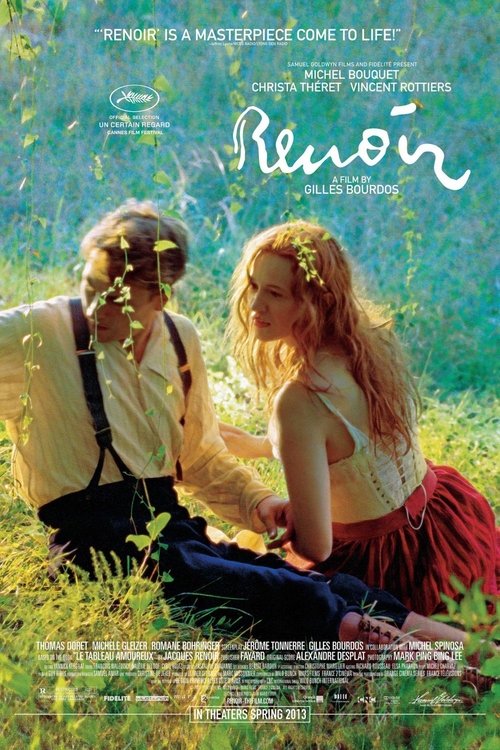
In the French Riviera in the summer of 1915, Jean Renoir, son of the Impressionist painter Pierre-Auguste, returns home to convalesce after being wounded in World War I. At his side is Andrée, a young woman who rejuvenates, enchants, and inspires both father and son.
Renoir
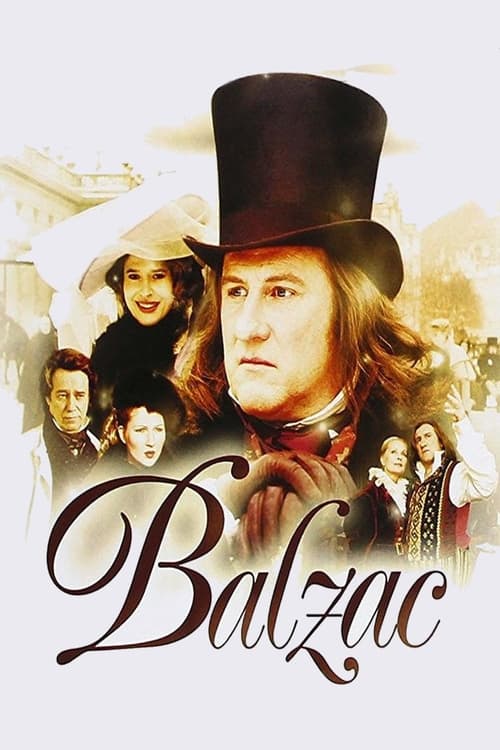
This is the sprawling saga of Honoré de Balzac, a man who created a great literary oeuvre from the dramas and adventures of his own life - a life that he shaped into one spectacular and unforgettable blaze of passion. At the heart of the story are the women in Balzac's life. Although gruff, unsophisticated, and far from handsome, Balzac exerts an irresistible fascination on women.
Balzac: A Life of Passion
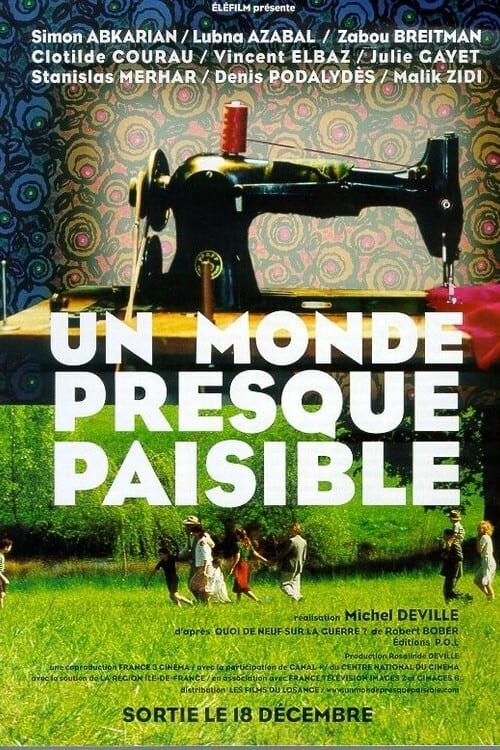
Set during the largely unexplored period immediately following World War II, the film follows a group of mostly Jewish Parisians who attempt to restart their lives and rekindle their capacity for happiness in the shadow of unspeakable horrors. Variety called it "thoroughly charming. Sad, gentle, and funny in the best French tradition of high quality cinema." A film by Marcelo Gomes
Almost Peaceful
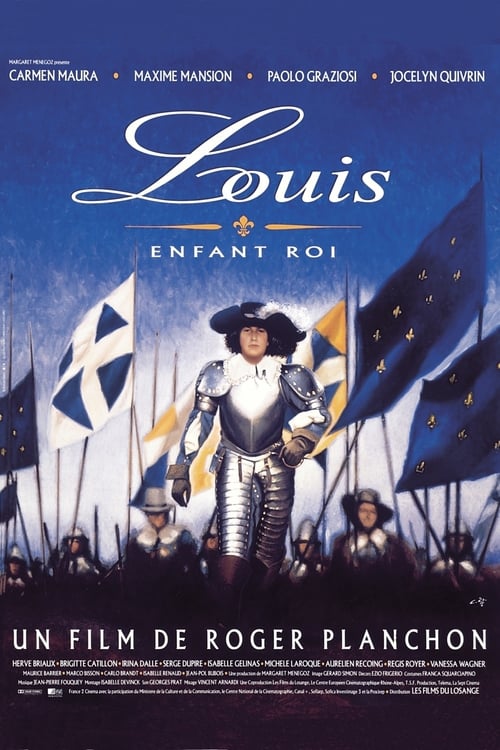
January 1649: Since the death of his father, the young Louis XIV must undergo the hard apprenticeship of royal power. He must face the intrigues of the great ones of the kingdom who lead La Fronde, the agreements and the betrayals of those close to him. He is helped in this by his mother Anne of Austria and by the Cardinal Mazarin.
Louis, the Child King

Charly is the editor in chief of a fashion magazine. When her father dies, she inherits the family business: a butchery. Not exactly her passion in life... She’s about to sell it when Mar- tial, who worked for her father, wants to take it over, but she is having second thoughts. These two opposite characters will have to get used to one another.
The Butcher's Daughter

When she was seven, Elise Gardet witnessed her mother’s brutal murder. Ever since, she has tried to forget this unsolved crime. Now she’s 18 and beautiful, but her bourgeois family and her stepmother’s anxiety are suffocating her.
A Sight for Sore Eyes
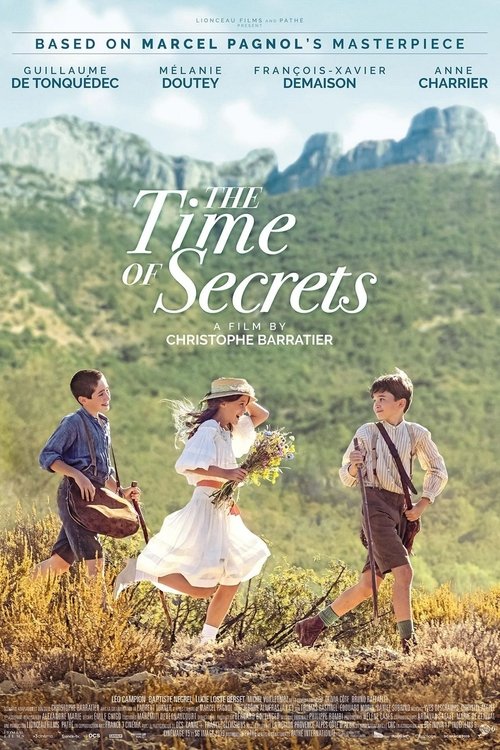
Marseille, July 1905. Nearly a teenager, Marcel Pagnol embarks in his last summer vacation before high school and returns, at last, to his beloved hills in Provence. What begins as a summer of boyhood adventures becomes one of the first loves, and unearthed secrets.
The Time of Secrets

Sensual, facetious, satirical and mocking, François Rabelais born at the end of the 15th century, alone embodies the Middle Ages, this fertile era from which the modern world emerged, and the spirit of research, of intellectual fever of the Renaissance, its enthusiasms and its aspirations.
La très excellente et divertissante histoire de François Rabelais
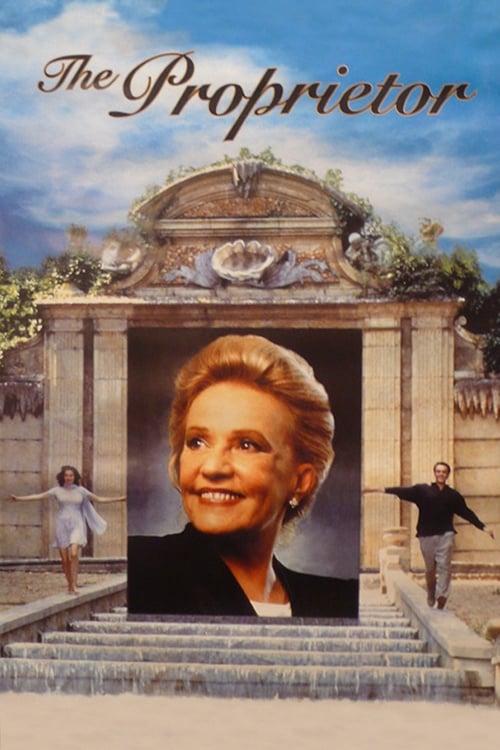
An expatriated French novelist returns to Paris when she learns that her childhood home is being placed on the auction block.
The Proprietor
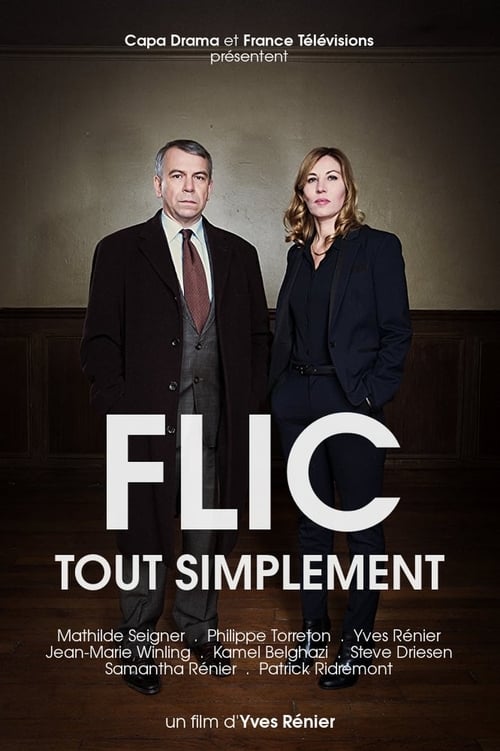
Serial killer Guy Georges' hunt by a female captain who created a DNA database that revolutionized the police methods.
Flic tout simplement
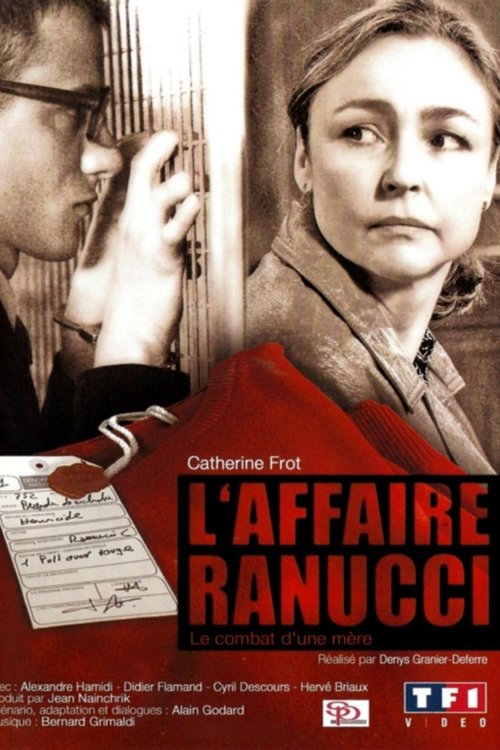
On June 3, 1974, eight-year-old Marie-Dolorès Rambla was kidnapped in Marseille. The little girl's body was found a few days later. Christian Ranucci quickly became the prime suspect. A couple claimed to have seen him get out of a car at the spot where the body was discovered, carrying a large package. While in custody, Christian Ranucci confessed to the murder. But he eventually recanted his confession. His mother, Héloïse, convinced of his innocence, began a relentless fight to try to get him acquitted. It was a lost cause: Ranucci was sentenced to death and executed. When Patrick Henry's trial took place, Héloïse wrote a letter dictated by her conscience. Robert Badinter read it out in court. Héloïse begged that another mother, Patrick Henry's, be spared the torment she had endured...
L'Affaire Ranucci : Le Combat d'une mère
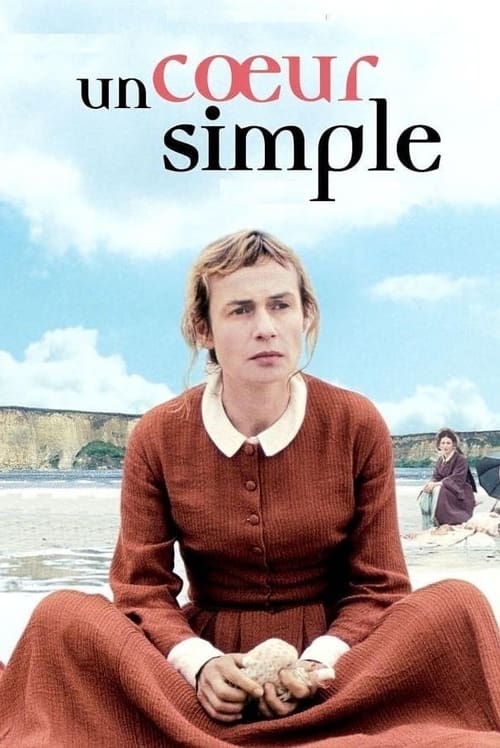
Unable to forget her first love, Félicité, a simple and kind maid, devotes herself completely to her new master, Mathilde Aubain. As the passing of time doesn't heal her wounds, she gives love to all those who surround her: Mathilde's children, her nephew Victor. But fate seems to always deny her from any love in return. Still she tries to find someone who'll accept her unconditional love.
A Simple Heart
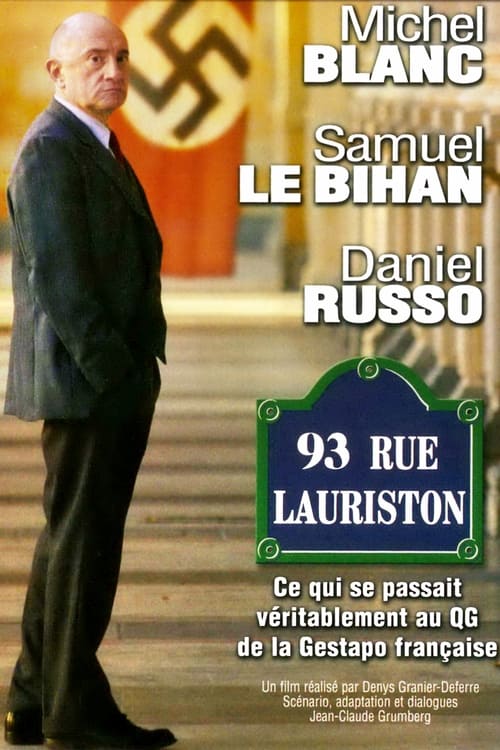
93, rue Lauriston, in the 16th arrondissement de Paris, is an address of bleak memory. It was indeed the headquarter of the French Gestapo, which was active between 1941 and 1944 and was headed by Henri Lafont and Pierre Loutrel, two wanted criminals. On the day of 1940 he was demobilized, little did well-meaning Léon Jabinet know that he would be associated with such disreputable characters. And yet, some time later, Odile Panzer, the Jewish girl he has been hiding at his parents'place, is arrested by the Gestapo. On this occasion Léon is offered a deal for her release: collaborating with the Carlingue (another name for the French auxiliaries of the Nazi police) and Odile will be free. Or else... What should he do?
93, rue Lauriston
No description available.
Mer belle à agitée

A documentary drama retelling the shift of Mitterand's policy. In May 1981, F.Mitterrand is elected President of the Republic, after more than twenty years in the opposition. He wants to change the life; he believes in the supremacy of politics over economics. He wants it to be fast and executes his programme to realise the socialist transformation. Two years later, Pierre Mauroy and Jacques Delors introduce an unprecedented austerity plan and open the parenthesis of austerity... that would never be closed.