
Monica Sorelle
Directing
Biography
Monica Sorelle is a Haitian-American filmmaker and artist born & based in Miami. Her work explores alienation and displacement, and preserves cultural traditions within Miami & the Caribbean with a focus on the African & Latin diasporas that reside there. Monica’s feature directorial debut, Mountains, had its world premiere at Tribeca Festival, where it was awarded a Special Jury Mention in the U.S. Narrative Feature competition, and its international premiere at Toronto International Film Festival. Mountains was nominated for two Film Independent Spirit Awards, with Monica receiving the Someone to Watch Award.
Known For
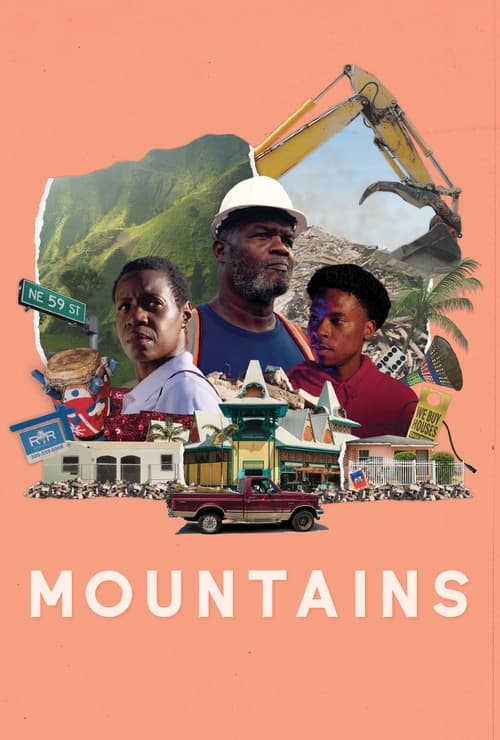
While looking for a new home for his family, a Haitian demolition worker is faced with the realities of redevelopment as he is tasked with dismantling his rapidly gentrifying Miami neighborhood.
Mountains
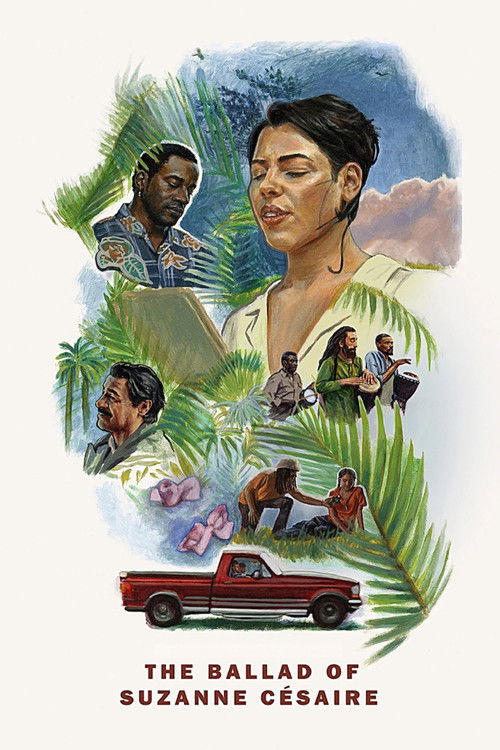
An actress, three months post-partum, reads through fragments of the archive of Suzanne Césaire as she prepares to perform excerpts of the writer's work.
The Ballad of Suzanne Césaire
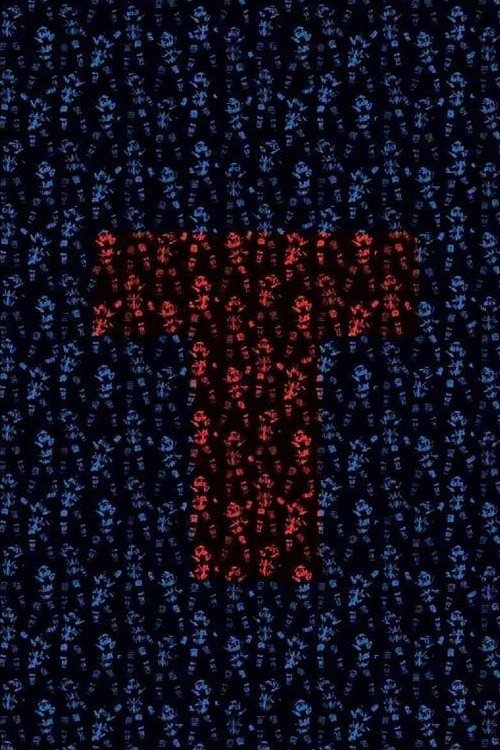
A film crew follows three grieving participants of Miami’s annual T Ball, where folks assemble to model R.I.P. t-shirts and innovative costumes designed in honor of their dead.
T
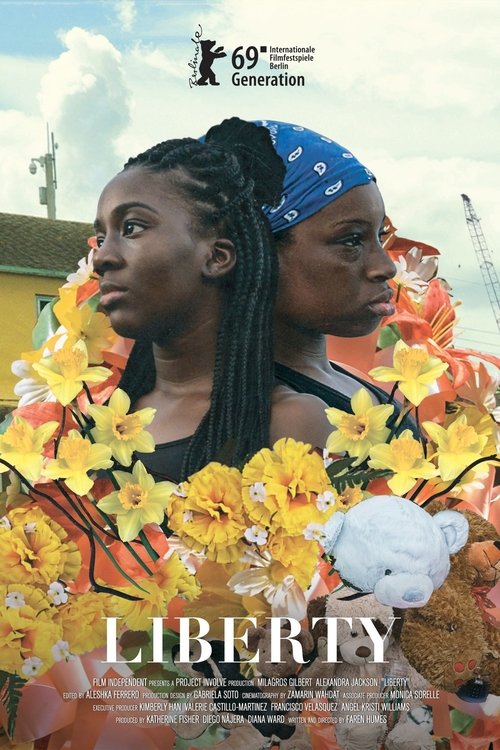
In Miami's Liberty City, members of a black community threatened by gentrification and displacement are trying to return to their everyday lives after the death of a woman. Loggy and Alex’s friendship becomes strained by their different ways of coping with the traumatic event. With great poise and focus, Faren Humes takes a deep look at the lives of the African-American adolescents, tracing the path the two must take if they are to find their way back to one another.
Liberty
A young immigrant single mother dealing with financial insecurity finds it difficult to live up to her son’s expectations of motherhood. On a road trip gone off course, they are forced to confront their strained relationship with each other when they are locked out of their car and stranded in the middle of the Florida Everglades.
Mamá

You Can Always Come Home explores the architecture of the domestic realm through the eyes of young children in Miami by celebrating the ritual, family, love, and culture cultivated in the Black diasporic home.