Kōji Matsuoka
Directing
Known For
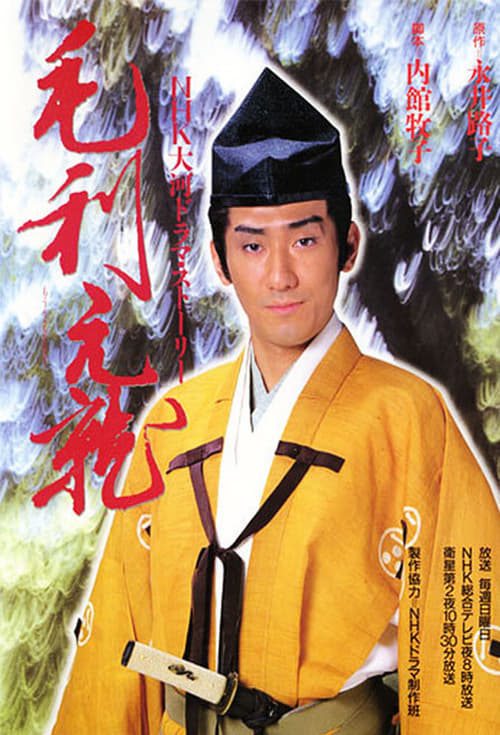
The 36th NHK Taiga Drama is Mori Motonari. This series chronicles the life of Mori Motonari, a warlord of the early 1500s who stood at the vanguard of the Warring States era. All Japanese school textbooks contain the Mitsuya no kyokun, Mori's famous lesson to his three sons that teaches that while one arrow is easily broken, three arrows together cannot be broken. In 1997, 500 years after his birth, NHK dramatizes Motonari's rise from a chief of the region of Aki (now Hiroshima) to a daimyo who rules over ten provinces of the Chugoku region. Motonari was 64 years old and already the patriarch of a powerful dynasty about the time Oda Nobunaga and Takeda Shingen appeared on the scene. And even after his death, the Mori family figured prominently in Japanese history. His grandson Terumoto became a loyal Toyotomi vassal. Defeated at the Battle of Sekigahara, Ieyasu confiscated most of his lands, leaving him only with Suwo and Nagato, later known as Choshu. But 260 years later, the Mori got their ultimate revenge, leading the imperial forces against the Tokugawa in the Meiji Restoration.
Mouri Motonari
No description available.
A Son of the Good Earth
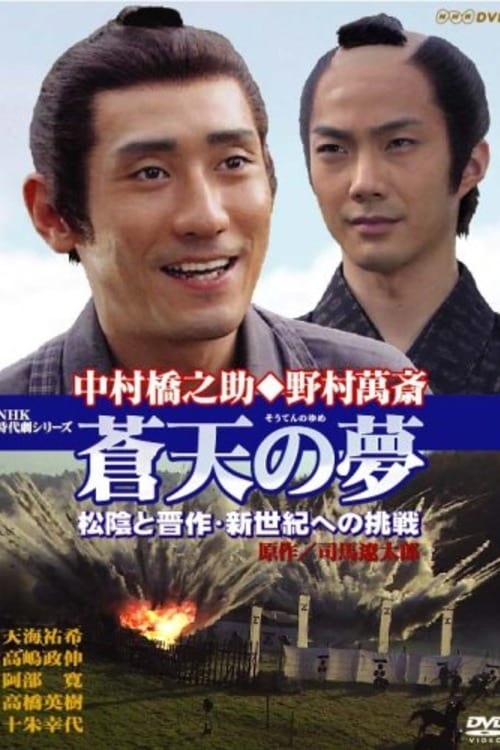
This film is the memoirs of Takasugi Shinsaku about the life of his great teacher Yoshida Shoin. Yoshida Shōin (吉田 松陰, 1830-1859) was one of the most distinguished intellectuals in the closing days of the Tokugawa shogunate. He devoted to developing many Ishin Shishi who made an outstanding contribution to the Meiji Restoration. At least two of his students, Takasugi Shinsaku and Itō Hirobumi later became famous, and virtually all of the survivors of the Sonjuku group became officers in the Meiji Restoration. Takasugi led rifle companies against the shogun's army when it failed to conquer Chōshū in 1864, rapidly leading to the fall of the Tokugawa Shogunate. Ito Hirobumi became Japan's first prime minister. His admirer, Maebara Issei, was later killed rebelling against the Meiji regime. He is now enshrined in Setagayaku-(世田谷区)Tokyo, Japan.