Viktor Riebauer
Acting
Known For
A group of children are trying to solve various mysteries during the summer.
Mysterious Island
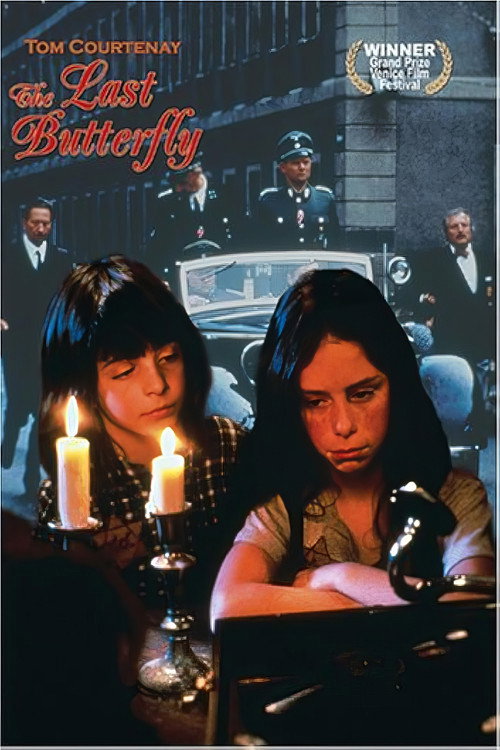
Stage mime Antoine Moreau is compelled by the Gestapo to put on a performance for the children of Terezin, a "model" concentration camp, to convince the Red Cross observers that the camp is truly what it seems. Reluctant at first, Moreau slowly learns the true nature of the camp, including the meaning of the "transports" on which people leave. With a world-class orchestra (made up of people interned in the camp) and a cast of children, Moreau stages a show to end all shows.
The Last Butterfly
No description available.
Zastretý farebný svet

No description available.
Stratená melódia
Piesočná potvorka (lit. The Sand Creature) is a 1985 Czech television miniseries based on Edith Nesbit's 1904 children's novel Five Children and It. The four Majer children—Janka, Braň, Cyril and Vladek—spend holidays together at a cottage, with their aunt Marta, who takes care of them in their parents' absence. One day, the older children decide to dig in an old sandbox and find an ancient wonder: Brontofusika, a prehistoric creature that can grant wishes. So Janka wishes that everyone would be as beautiful as the heroes from a fairy tale. It happens. No one recognizes the children in this disguise, not even their own aunt, which brings a lot of funny but also unpleasant situations. But the magic only works until sunset!
The Sand Creature
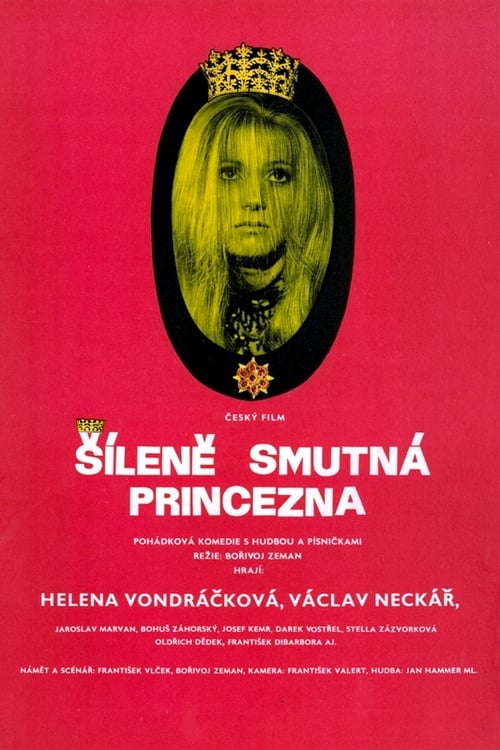
Like a fairy tale, King Henry and King Good-thought decided long ago that their only children should marry and so prevent war arising between their kingdoms ever again. But the young prince is wary of marrying anyone he doesn’t know.
The Terribly Sad Princess

Kastl is a hairdresser but his real passion is his second job as football referee. This job takes all his free time and makes his wife very nervous.
Women Offside
A pair of criminals, an escaped prisoner and a young thief, are about to make a joint, obviously illegal, escape across the border. They escape for a long time, even managing to infiltrate Polish territory. They head for the coast, from where they intend to transport themselves to Sweden. But the Polish security authorities are vigilant.
Zátah
Eight-year old Dominique has a name-day. Her parents have a gift for her, but only give it to her in the evening, when everybody has come home from work. Then she darts out, where her girlfriends are already waiting for her.
When You Have a Holiday Dominique

Jana is forced to live in a foster home and always dreams about family reunion.
Great Sorrow
No description available.
Praha ze soboty na neděli
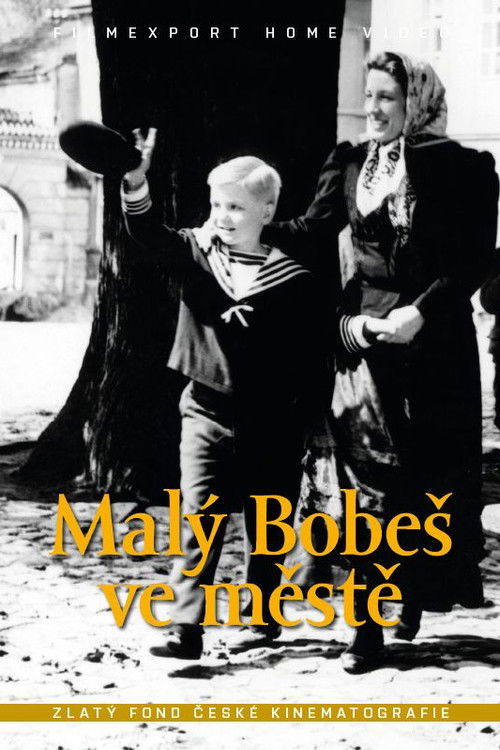
A loose sequel to the film Little Bobes, it catches up with the title child hero in the town where he and his parents have moved. However, the expectations of a better existence are disrupted by the ever worsening social conditions in the 1930s, and living on the periphery of the big city allows even the little boy to see how evil the exploiters of the workers are. This is a graphic demonstration of how ideological features have also very insensitively crept into children's films. When Bobsha's father couldn't find work after an accident, he decided to sell the cottage and move to the city with his family. He lives in a small house on the periphery and the surrounding environment contrasts strongly with his former home. It takes Bobš a long time to get used to it. A loose sequel to the film "Little Bobesh".
Malý Bobeš ve městě
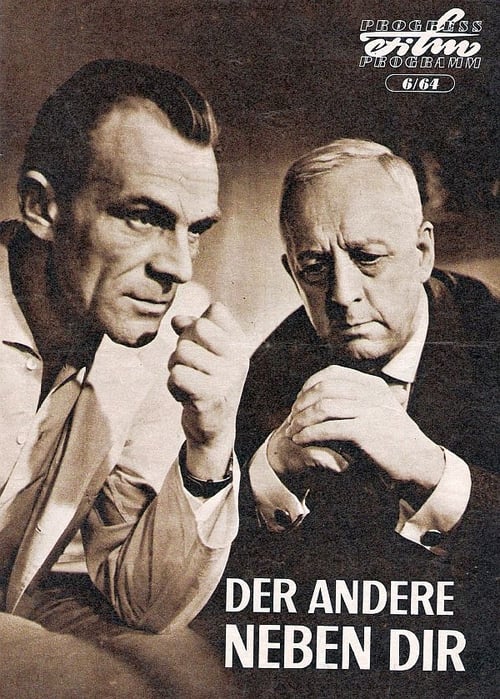
Two doctors, a German and a Czech brain surgeon, meet in a Berlin hospital, unaware of how fatefully they are linked by events from a dark past. A trip to a congress in Prague and an encounter with the wife of his Czech colleague force the German chief surgeon to rethink his previous life. The film deals with the explosive topic of the extent and causes of complicity in the crimes of National Socialism.
Der Andere neben dir
No description available.
Když se čerti rojili
Josef Laufer portrays Egon Erwin Kisch in two daring journalistic adventures: in “Zuřivý reportér,” Kisch goes undercover in a poverty lodging house, uncovers a tattoo’s dark backstory and deciphers a secret telegram hinting at war via the legend of the black rose; in “Lovci senzací,” he pursues sensational leads and exposes hidden truths, proving why he was rightly called “the raging reporter.”
Zuřivý reportér
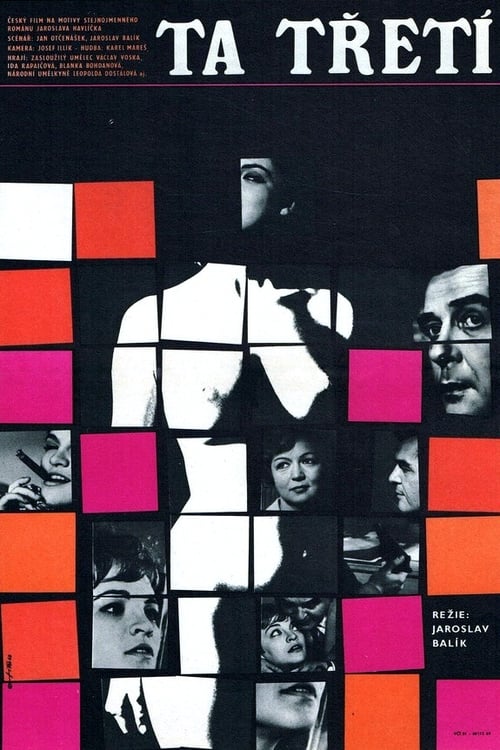
At the funeral of his schoolmate, the nearly-fifty-year old architect Jirí Mánek (Václav Voska) meets his former close acquaintance - physician Jarmila (Blanka Bohdanová). They both are still single. Jarmila has recently returned to Prague after years of work on the frontier. Jirí leaves for a business trip. As a conservationist, he is to grant permission for an adaptation of a Baroque château to office spaces. On the road, a pretty young hitchhiker named Eva (Ida Rapaicová) stops him. Eva is Slovak and her spontaneous behavior enchants Jirí. He thus does not mind making a short detour and takes Eva all the way to the luxurious cottage of her parents. A romance develops between the two people, so different in age and temperament.
Ta třetí
No description available.
Otázka cti
One busy day for a busy woman: worrying about children, the responsible work of a nurse in the centre and housework. In the evening, her husband is due back after a long time.
Deštivý den
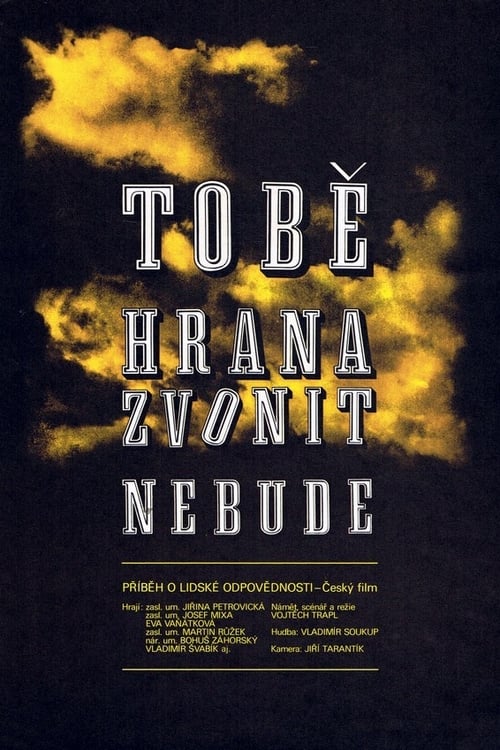
At the end of August, a young woman is chased by an angry mob of hooligans under the windows of a bus because she decides to tear down a poster grossly insulting her husband, the staunch communist and deputy Balcar. She only gets a defence from the prosecutor Ronešová, who decides to convict and prosecute the perpetrators and bystanders of the unfortunate event. The principled Ronešová is oblivious to personal problems and sets out to fight against the relics of a happily extinguished social movement, with the right-wing defence lawyer Kahan being no match for her.
Tobě hrana zvonit nebude
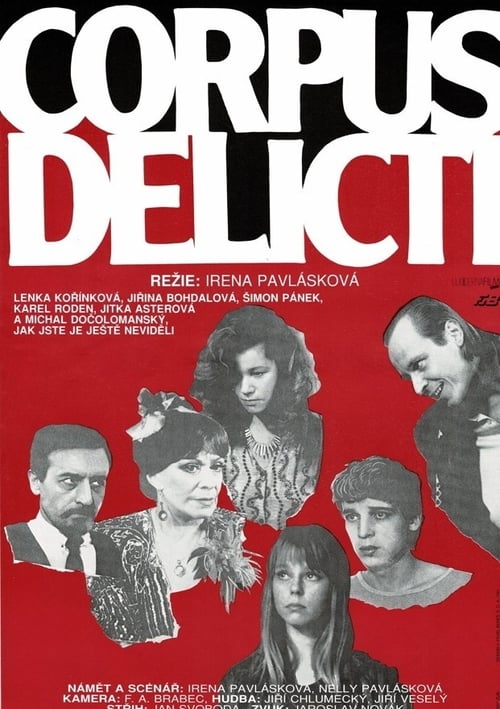
The subject of this film, which takes an analytical look at the life of all of us with an analytical eye, is the evil microbe that has slowly infiltrated the organism of the Czech nation. Through the intertwining fates of three couples, it evokes domestic life before November 1989, burdened by a suffocating atmosphere of unfreedom, and after November, when relatively nothing has changed because people have not changed. The bleak conclusion suggests that the plague epidemic is still ongoing.