Miguel Zeballos
Directing
Known For

An architecture student is obsessed by his girlfriend. When she is invited to go alone to a party sponsored by her company, he becomes paranoid. He arrives at their place unexpectedly and finds a man hidden under their bed. He follows the man trying to find his name and occupation, along a night full of incidents and misunderstandings.
The Bottom of the Sea
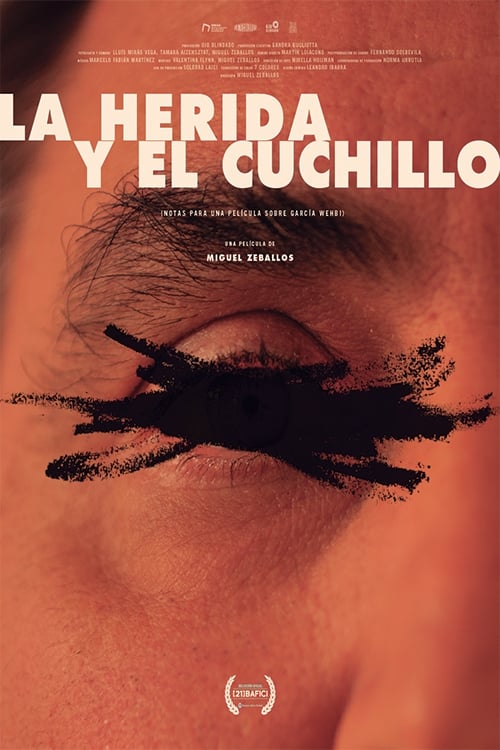
"The wound and the knife" is several things, or at least three: a documentary, a fiction and an essay. A documentary about the creative process of the last 5 years of the artist Emilio García Wehbi, a series of fictional scenes that dialogue with his work and a kind of essay on the body. In this sense, the staging is situated in the fragment, not only in the fragments of Wehbi's works, but also in the fragments of the bodies that make up those works. Thus, a little adrift and with a puzzle structure, in "The wound and the knife" I manifest a constant will to jump into the void, in this way the film denies itself as a closed work, but rather, what what it tries to be is a draft, the single notes that survived my own process.
The Wound and the Knife (Notes for a Film About García Wehbi)
No description available.
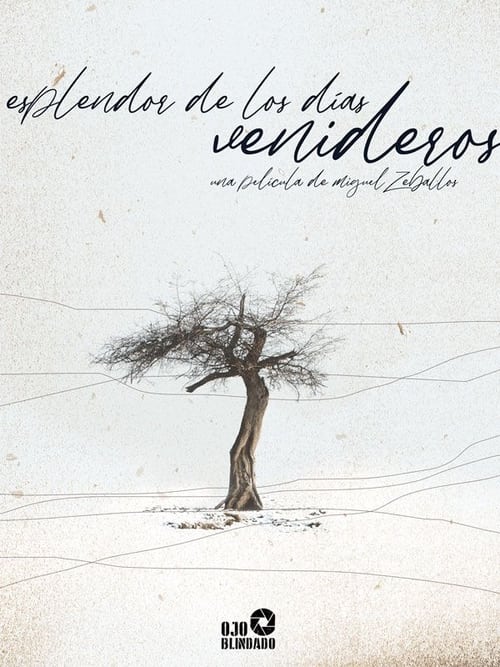
Esplendor de los días venideros

In the 1960s, filmmaker François Thierry began work on a film about his friend, the writer and activist Jean Genet. Throughout the 1970s, the production documented a series of encounters in South America, spanning from Chile to Argentina. However, the film remained unfinished. Fast forward to the present day: Miguel Zeballos takes up the mantle, drawing from Thierry’s discarded footage and concept to embark on a new project. Amidst a wealth of materials, “Jean Genet Ahora” navigates through time with inventive and thought-provoking techniques to craft an energetic portrait of the moment, its creators, and the poet himself.
Jean Genet Ahora
No description available.
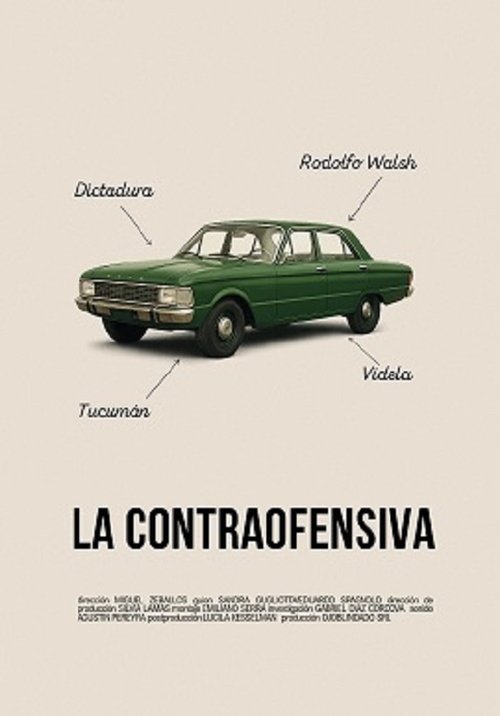
La contraofensiva
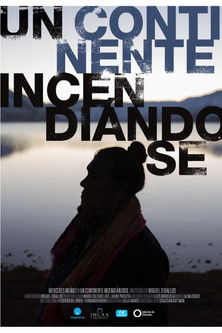
A poetic essay on time and memory, a reflection on emptiness and death, a documentary about a peasant woman, fiction of that documentary, A Continent on Fire is a kind of matryoshka, a film that contains other films inside, infinite films that they try to give the same sensation that a stone falls into the water causes, something like a spiral rumbling in the thunderous silence of a forgotten town in the Patagonian mountain range.
Un continente incendiándose
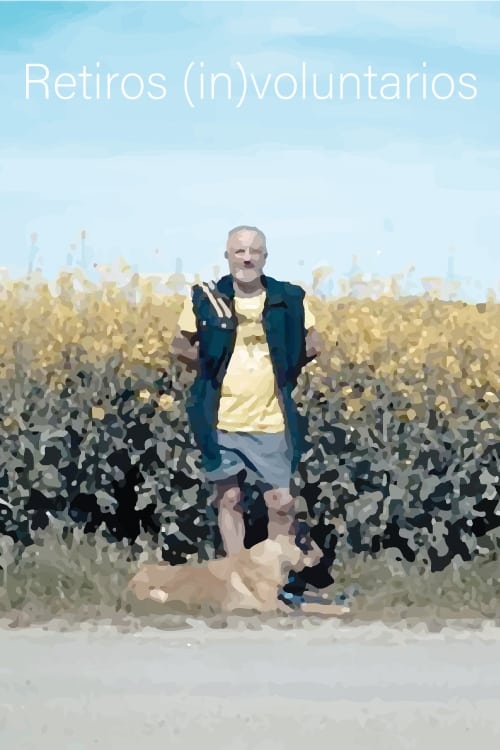
On July 2nd, 2008, at five thirty in the afternoon, a 53-year-old man called Jean-Michel was run over by a train in Saint-Lyé, a town with a population of 3,000 located in the east of France. No one knew whether it was a suicide or an accident. The director investigates around the town, asks different inhabitants what they think of that tragedy. For many people, Jean-Michel had killed himself, after amassing too many worries and problems; the more the voiceover asks, the more mysterious it all gets. But there is a detail from Jean-Michel’s life that connects him to Argentina—he had been an employee at a phone company until a privatization left him without a job. (In)Voluntary Retirements is a documentary that shows how the kinship between Argentina’s politics in the ‘90s and France’s twenty years later damaged the lives of so many people.