Ermanno Olmi
Directing
Biography
Ermanno Olmi (born July 24, 1931 in Bergamo, Lombardy) was a renowned Italian film director. Olmi's films have been described as "humanistic and reflective, portraying everyday people in particular landscapes and locations, while at the same time being charged with social comment and poetic flashes." His films fit into the artistic mold of Italian neorealism, though Olmi argued, in an interview found on the Criterion Edition DVD of his 1961 film, Il Posto, that this was the artistic tradition he was responding against because he used non-actors in authentic locations whereas neorealism, he claimed, used professional actors. However, many neorealist directors also used non-professional actors for secondary and sometimes even primary roles. His films, like most of those considered to be products of the neorealist movement, are shot in long, slow takes, and generally contain some sort of social commentary.
Known For

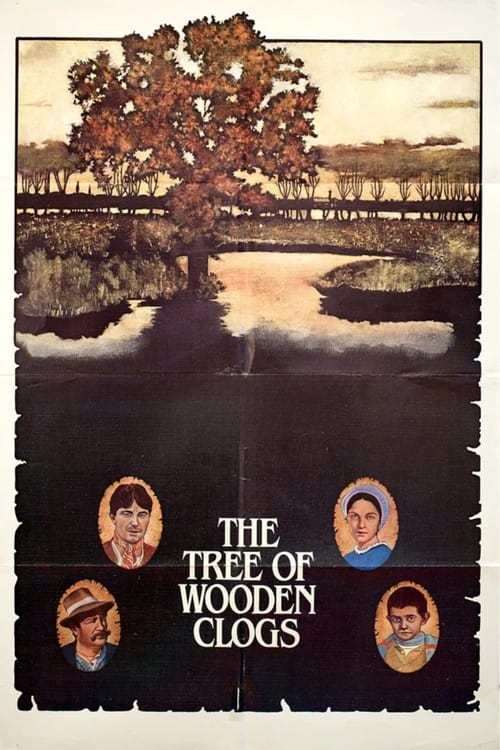
On a turn-of-the-20th-century northern Italian farm, a group of sharecroppers eke out a threadbare existence. A priest advises Batisti and his wife Batistina that their young son Minec should be formally educated, so they sacrifice his help in the fields and send him to school. When Minec's wooden shoe breaks one day, Batisti--in an act of desperation--puts the family's future at risk to replace the clog.
The Tree of Wooden Clogs

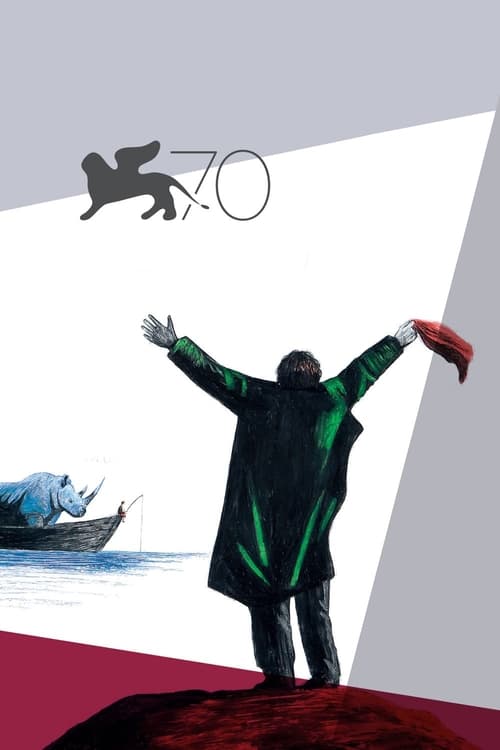
Made for the Venice Film Festival's 70th anniversary, seventy filmmakers made a short film between 60 and 90 seconds long on their interpretation of the future of cinema.
Venice 70: Future Reloaded

A train travels across Italy toward Rome. On board is a professor who daydreams a conversation with a love that never was, a family of Albanian refugees who switch trains and steal a ticket, three brash Scottish soccer fans en route to a match, and a complaining widow traveling to a memorial service for her late husband who's accompanied by a community-service volunteer who's assisting her. Interactions among these Europeans turn on class and nationalism, courtesy and rudeness, and opportunities for kindness.
Tickets

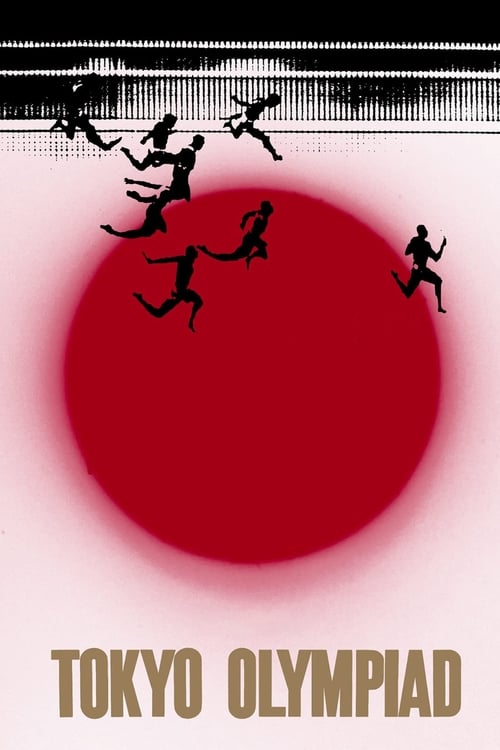
This impressionistic portrait of the 1964 Tokyo Summer Olympics pays as much attention to the crowds and workers as it does to the actual competitive events. Highlights include an epic pole-vaulting match between West Germany and America, and the final marathon race through Tokyo's streets. Two athletes are highlighted: Ethiopian marathon runner Abebe Bikila, who receives his second gold medal, and runner Ahamed Isa from Chad, representing a country younger than he is.
Tokyo Olympiad

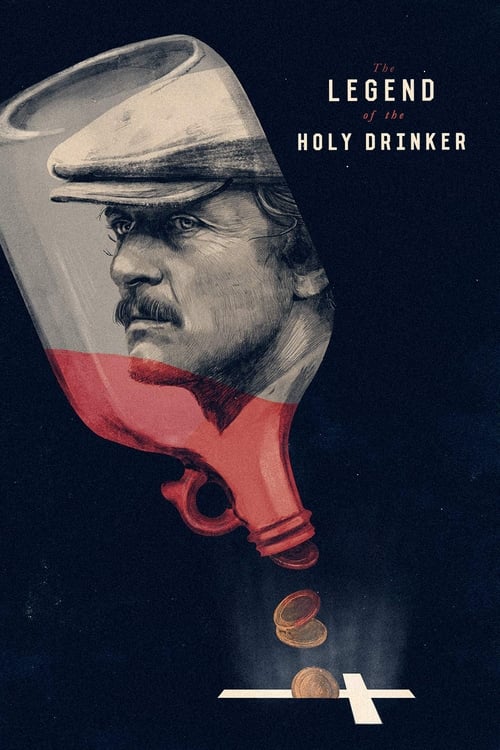
Andreas Kartak, a homeless man living under the bridges of Paris, is lent 200 francs by a stranger as long as he promises to repay it to a local church when he can afford to. Kartak is determined to pay back his debt but circumstances, and his alcoholism, forever intervene.
The Legend of the Holy Drinker

An all-enveloping darkness. Suddenly, a child's voice, frightened, questioning, pierces the darkness... The first flickering rays of light begin to sculpt mysterious shapes out of the darkness... Among them, a very old man. He reassures the child, exhorting him to see the wonders of the earth. And it is with this child's eyes that we will witness the creation of the world.
Genesis: The Creation and the Flood

No description available.
L'ultimo gattopardo - Ritratto di Goffredo Lombardo

A young man has a renewed interest in his girlfriend when he takes a job that separates the two.
The Fiancés

A 1971 three-part miniseries about the birth of the Italian Republic, directed by Sandro Bolchi, Vittorio De Sica, and Ermanno Olmi
Birth of the Republic

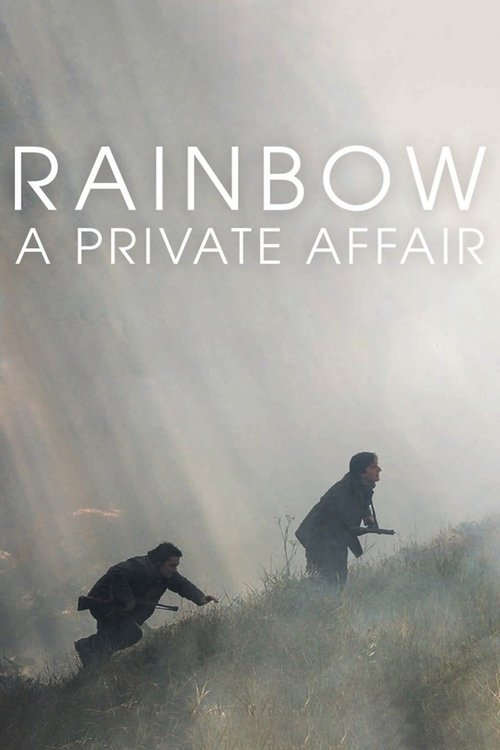
Summer 1943, Piedmont, Italy. Milton loves Fulvia who plays with his love: she only likes the depth of his thought and the letters he writes to her. One year later, Milton has joined the Resistance and fights beside other partisans. He learns during a conversation that Fulvia was secretly in love with his best friend Giorgio, a partisan like him. Milton decides to go find Giorgio in the Langhe region of Italy with all its misty hills...But Giorgio has just been arrested by the Fascists.
Rainbow: A Private Affair

With his family mired in financial troubles, Domenico moves to Milan, Italy, from his small town to get a job in lieu of furthering his education. A lack of options forces him to take a position as a messenger at a big company, where he hopes to receive a promotion soon. There, Domenico meets Antonietta, a young woman in a similar situation as himself. The two form a tentative relationship, but the soulless nature of their jobs threatens to keep them apart.
Il Posto

World War I, Italian north-eastern front after the 1917 bloody battles on the Altipiano. A group of soldiers face the difficulty of war in a story that unfolds in the space of one night. Events follow one after the other without any kind of pattern: the peaceful mountains suddenly become a place where men die. But every story told in this film is a true story.
Greenery Will Bloom Again

Italian maestro Ermanno Olmi tells the tale of the journey of the Magi in this lyrical odyssey. The film focuses on a wise man who interprets his sighting of a comet streaking through the sky as a spiritual message. Joined by two associates, soldiers, villagers and others, the Magi sets out on a journey that tests his beliefs and strength.
Walking, Walking

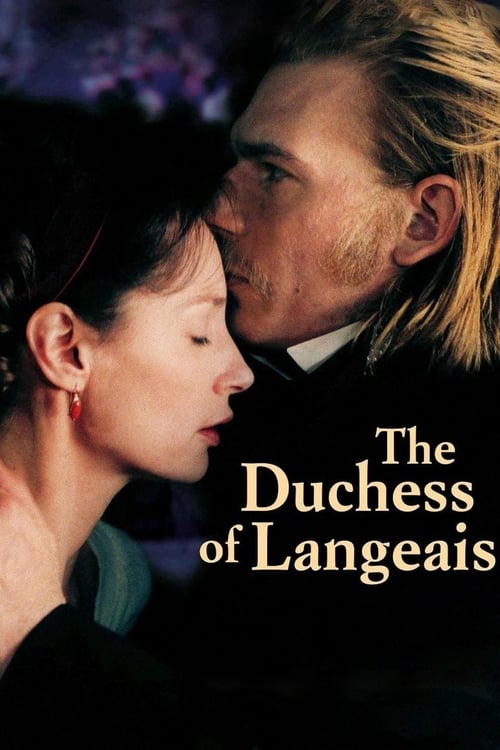
At a Spanish cloister, a celebrated French general of the Napoleonic Wars recognizes the voice of one of the nuns and recalls how, five years ago, she was the Duchess of Langeais, and he her most persistent suitor.
The Duchess of Langeais

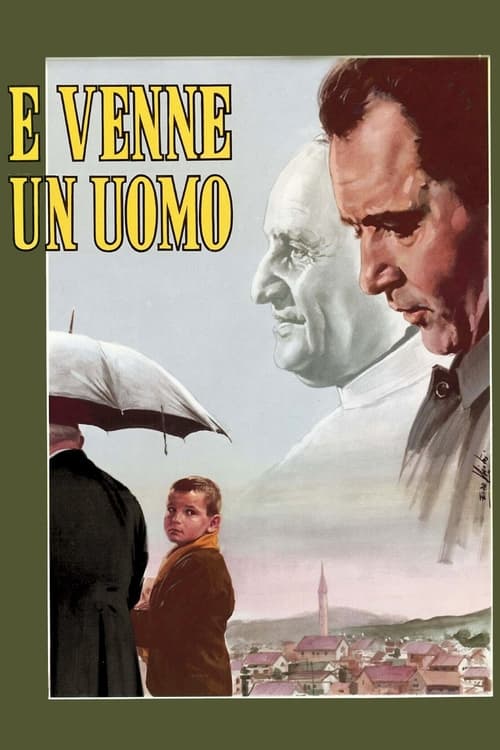
Based on the diary Pope John XXIII kept between the ages of 14 and 18, his lifelong concern for tolerance, the underprivileged, and world peace is told. Rod Steiger, in the central role, acts as "intermediary" between the Pope and the audience, interpreting John's words, thoughts and actions. Steiger visits the actual places in which John lived, recreating the conditions, environment, and forces that affected his development. Through this unusual technique, we are brought close to an extraordinary man - one who's able to win the love of many people of all faiths.
A Man Named John

Promotional omnibus film, made for the 1990 FIFA World Cup in Italy, featuring portraits of 12 Italian cities.
12 Directors for 12 Cities

A young man enters a brothel and sees a staged narration of a Chinese folk tale concerning a female pirate.
Singing Behind Screens

The Lady (or Signora) of the title is a mysterious matron who lives in a crumbling mansion. Six catering trainees are brought to the castle upon its conversion into a resort hotel. They are ordered to prepare a special meal for the old lady, whom none of them have ever seen for more than an instant. As the caterers grow in wisdom and sophistication, we learn that the lady may very well be an urbane ghost rather than a flesh-and-blood entity.
Long Live the Lady!

Two middle-aged men work as caretakers on an isolated dam construction site high in the snow-capped Italian Alps. When one of them leaves for the valley to spend Christmas vacation with his family he is temporarily replaced with an adolescent boy. The other man is both annoyed and intrigued by the boy and his habits: he listens to loud music, sleeps too long in the mornings and doesn't drink any alcohol. They barely speak to one another in the first couple of days. But when an avalanche cuts their small hut from electricity they slowly start growing more fond of each other.
Time Stood Still

In the 18th Century, in Bohemia, a government surveyor meet a priest during a lunch and remained intrigued by him. Years later, in a stony valley, the two men meet again and form a deep friendship.