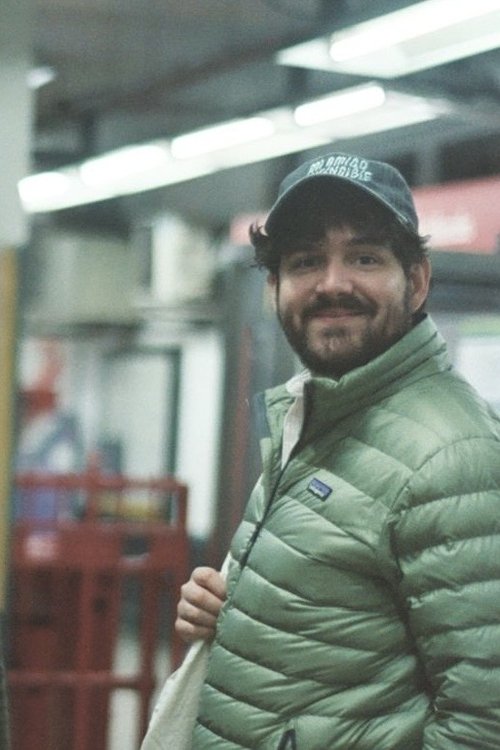
Nicolás Zárate Denis
Directing
Biography
Nicolás Zárate Denis has a degree in Filmmaking from Columbia University of Paraguay. He currently works as a freelance editor, director and cinematographer and a college professor at his alma matter. In 2025, he won first place of the "Premio Lúmina" with his video essay "Misa Agogó". In 2022 he attended the Université d'été of La Fémis (Paris). He has directed several short documentaries, "Palo amargo, jeep, pomelos." (2020) won 1st prize at "Premio Lumière 2020". In 2022 he coordinated the film debate "Ciclo Máscaras" a selection of films around the concept of other masculinities in contemporary cinema. In September 2023 he joined "El Dinosaurio" as a teacher assistant, a film workshop created by director Paz Encina.
Known For

In doubt after a 3 year relationship, Nicolás, searches in his closest friends the meaning of romantic love. Without a clear idea in sight, he turns to his grandmother.
Foraging Love
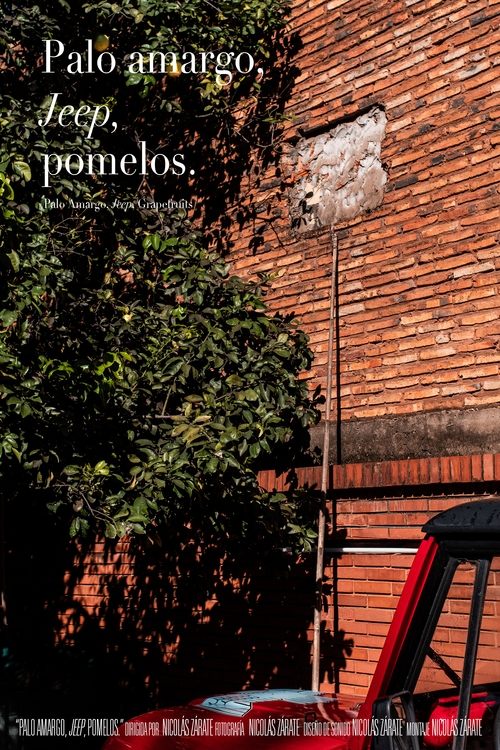
Faced with the global crisis due to the COVID-19 pandemic, the head of a family trusts in the curative and preventive properties of the Palo Amargo tea, but his believes end up reverberating within the family dynamic.
Palo Amargo, Jeep, Grapefruits
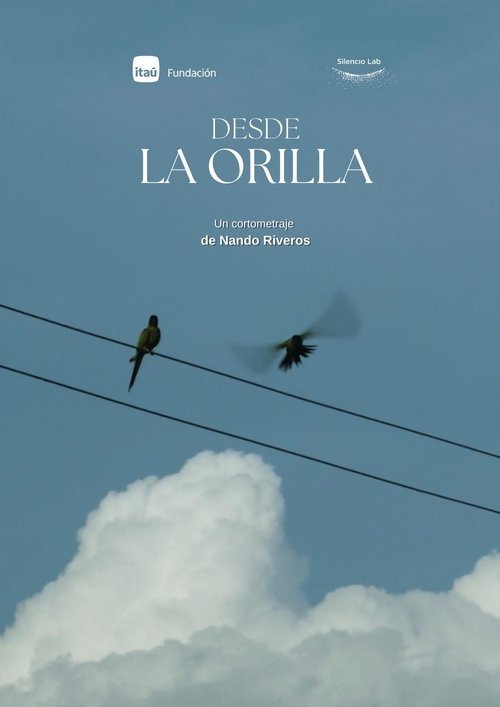
Contemplative piece that portrays the silent bond between a man and the river that watches over him. Set on the banks of the Paraguay River, in the city of Concepción, this poetic short film explores the stillness, memory, and emotional landscape of a place that speaks through water, wind, and waiting.
From the shore

An encounter from night till morning.
Sometimes I See You

In 2019, Nicolás was archiving photographs for J.M. Blanch when he discovered a secluded, uncataloged image depicting an artifact that resembled a ticking time bomb. Intrigued by the photo, Nicolás recorded an interview with Blanch to learn the story behind the mysterious object.
Misa Agogó
No description available.
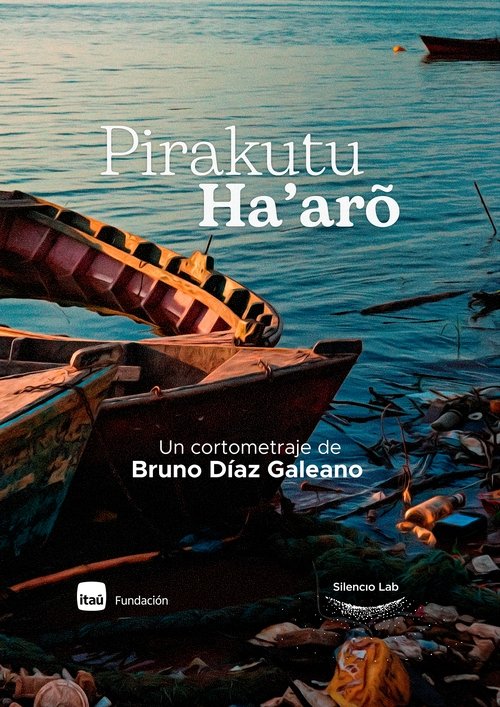
Pirakutu Ha’arõ
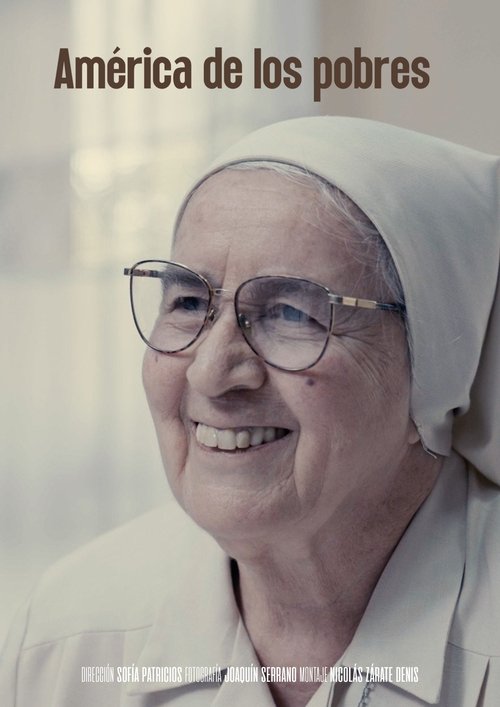
Sister Concepción balances her work at an upscale school with her commitment to helping sick and underprivileged children, while reflecting on a life dedicated to service.
América de los pobres

To know you have to imagine. Perform an act of rhetorical detour to long something that was not known. To know you have to imagine the document. Not every documentary is a record alone without apparent alteration -that there is a camera already implies, after all, the alteration of a system of things-; Perhaps there would be another form of documentary closer to what was imagined, to the possibility of a document that would not exist otherwise.
Home: a Cage
When their closest friend emigrates, two young men embark on a journey together — only to discover that their bond, held together by his absence, is far more fragile and complicated than either dared admit.