FEEL IT.STREAM
Eduardo Escorel

Eduardo Escorel

Editing

Biography

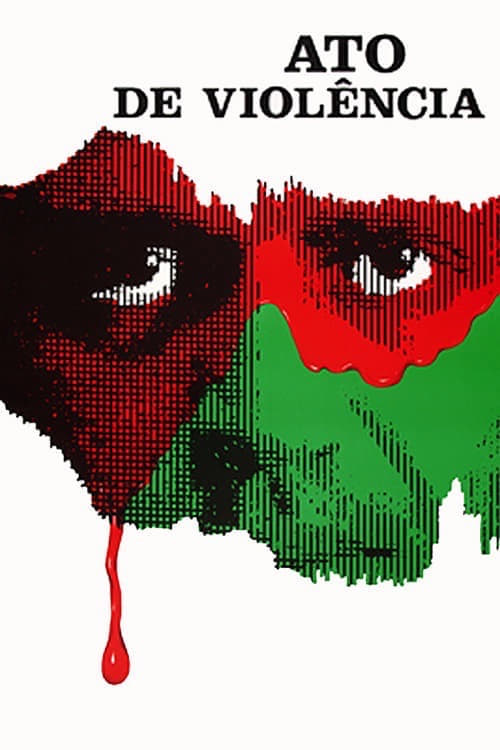
Eduardo Escorel de Morais (born 1945), most known as Eduardo Escorel, is a Brazilian film editor and director. He debuted as an editor on the Joaquim Pedro de Andrade's The Priest and the Girl (1965). With his first feature film, Lição de Amor, he won the Best Director Award at the 1976 Gramado Film Festival. He was also awarded Best Director for his second film, Ato de Violência, this time at the 1980 Brasília Film Festival. He won Best Editing Award for Guerra Conjugal and O Chamado de Deus at the 1974 and 2000 Brasília Film Festival respectively, and for Dois Perdidos numa Noite Suja at the 2002 Gramado Film Festival.

Known For

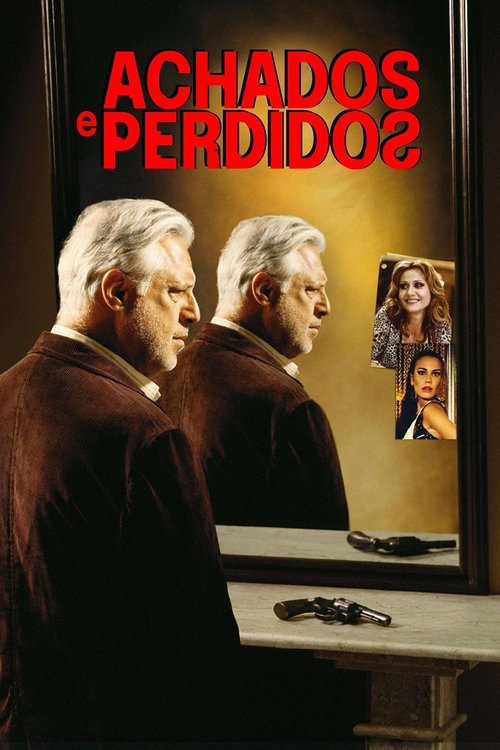
Lost and Found
4.9

A retired cop becomes the prime suspect in the murder of a prostitute.

Lost and Found

2007
Babenco: Tell Me When I Die
7.2

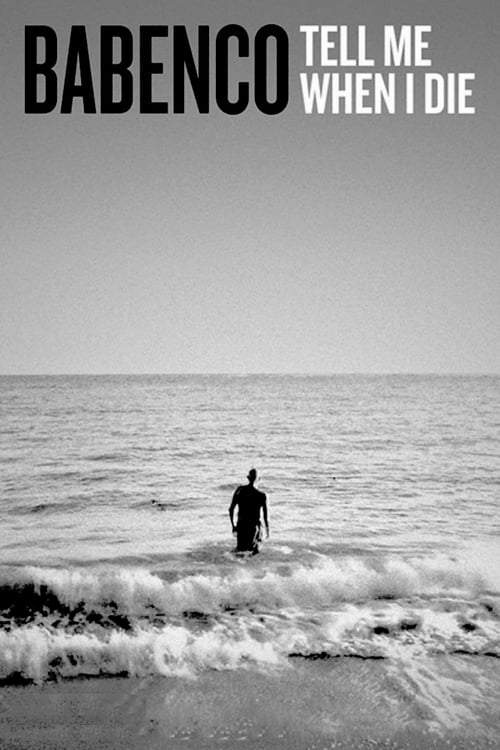
Besieged by cancer and nearing the end, the genius Argentine-Brazilian filmmaker Héctor Babenco (1946-2016) asks Bárbara Paz, his wife, for one last wish: to be the protagonist of his own death.

Babenco: Tell Me When I Die

2020
Antonio das Mortes
6.8

A new incarnation of Cangaceiro bandits, led by Coirana, has risen in the badlands. A blind landowner hires Antônio to wipe out his old nemesis. Yet after besting Coirana and accompanying the dying man to his mountain hideout, Antônio is moved by the plight of the Cangaceiro’s followers. The troubled hitman turns revolutionary, his gun and machete aimed towards his former masters.

Antonio das Mortes

1969
Entranced Earth
7.2

Eldorado, a fictitious country in America, is sparkling with the internal struggle for political power. In the eye of this social convulsion, the jaded journalist Paulo Martins opposes two equally corrupt political candidates: a pseudopopulist and a conservative. In this context, Paulo is torn between the madness of the elite and the blind submission of the masses. But, in this complex tropical reality, nothing really is what it seems to be.

Entranced Earth

1967
Dib
8.0

Documentary that addresses, through the testimony of directors and actors, the work of Dib Lutfi, considered one of the greatest photographers of Brazilian cinema.

Dib

1997
Macunaima
6.9

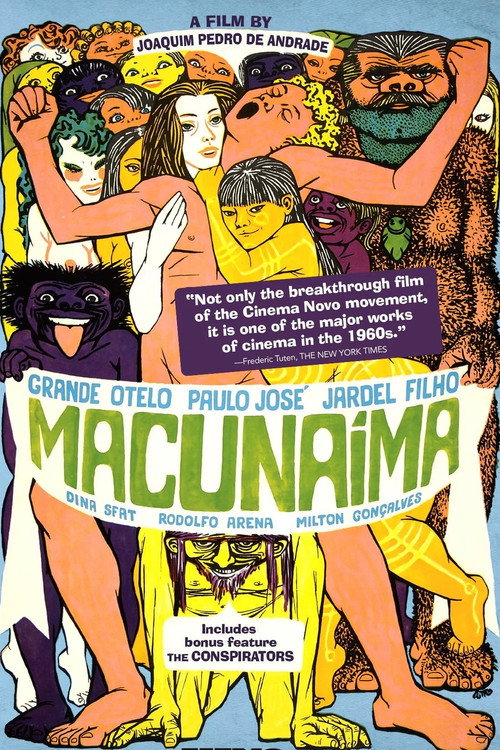
Born a fully grown black man in a village in the Brazilian jungle, Macunaíma later magically transforms into a white man before making an adventure-filled trip to the city of São Paulo. Once there, he becomes something of a dandy, falling in love with Ci, a revolutionary who dies in an accidental bombing. After robbing a ruthless industrialist, Macunaima returns to his village where he finds his newly acquired knowledge and possessions of little use.

Macunaima

1969
The Lion Has Seven Heads
6.0

A white-robed preacher wanders and sermonizes across African lands; European communists and CIA spies conspire out of mutual self-interest to engineer the appointment of an African bourgeois to a puppet government presidency; and a revolutionary group marches in exile.

The Lion Has Seven Heads

1971
O Doce Esporte do Sexo
7.0

Erotic comedy in five segments, starring the same actor, Chico Anysio: O Torneio (The Tournament), A Boca (The Mouth), O Filminho (The Short Film), A Suspeita (The Suspicion) and O Apartamento (The Apartment).

O Doce Esporte do Sexo

1971
They Don't Wear Black Tie
8.2

Otavio is an idealistic union leader trying to organize workers at a factory to resist the company's exploitative practices. His son, Tião, one of the employees, is more of a realist and doesn't want to risk losing his job by striking. This clash of perspectives puts the father and son at odds. Fortunately, Tião's mother, Romana, is on hand to act as a moderator between the two opinionated men.

They Don't Wear Black Tie

1981
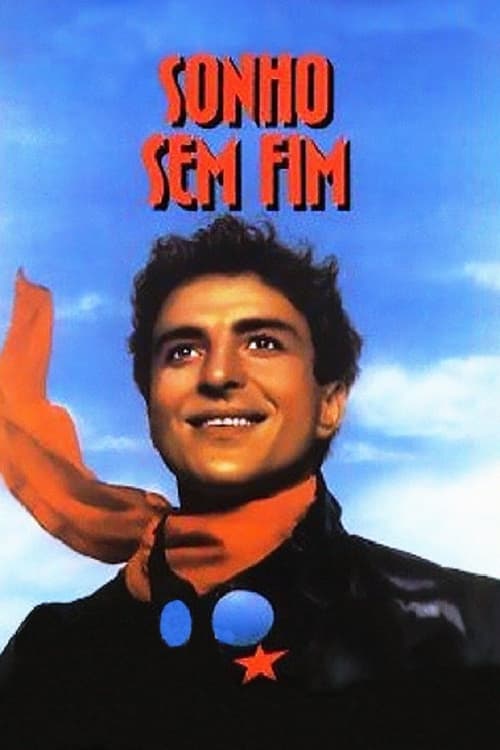
Sonho Sem Fim
7.0

The story of one of Brazilian cinema's pioneers, Eduardo Abelim, from the start of his career, in Rio de Janeiro, until his filming of the 1930 Revolution. To promote his films, Abelim would even perform car stunts, give classes on the occult and offer guidance on mystical matters.

Sonho Sem Fim

1986
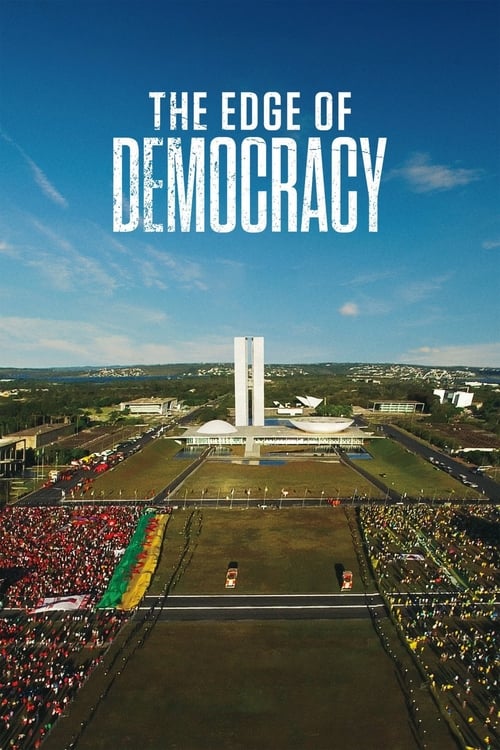
The Edge of Democracy
7.7

A cautionary tale for these times of democracy in crisis—the personal and political fuse to explore one of the most dramatic periods in Brazilian history. With unprecedented access to Presidents Dilma Rousseff and Lula da Silva, we witness their rise and fall and the tragically polarized nation that remains.

The Edge of Democracy

2019
Villa-Lobos: A Life of Passion
6.1

The film tells the story of an intuitive, adventurous man who loved his country and being Brazilian. This man fought to be loyal to himself. His music is a transparent portrait of his genius, intuition, freedom, adventure and passion for Brazil.

Villa-Lobos: A Life of Passion

2000
Cutting Heads
4.8

In a castle, somewhere in the Thirld World, Diaz is delirious, dreaming of the power he had in Eldorado, while oppressing the indians, workers and peasants. He is well aware of the menace his old victims represent, while a miracle-making shepherd fascinates and frightens him. Diaz finds a countrywoman, symbol of purity, and prepares a ceremony in his castle resembling his own funeral.

Cutting Heads

1970
Face to Face
5.5

The story of a civil servant who lives with his elderly mother. Falling in love with a corrupt politician's young and rich daughter, he abandons himself to crazy and violent situations.

Face to Face

1967
The Dare
7.9

Passively facing the repression imposed by military dictatorship in 1960s Brazil, a journalist enters a personal crisis, aggravated by his affair with an industrialist's wife, who doesn't want to leave her home because of her son.

The Dare

1965
The Conspirators
6.9

The real story of the failed attempt of an independence coup by a group of intellectuals and rich men during Brazil's colonial days, from its beginning to the execution of Tiradentes.

The Conspirators

1972
Milagrez
N/A

Documentary on "Antonio das Mortes", Glauber Rocha's 1969 film.

Milagrez

2008
Tropical Paths
5.8

In the island of Paquetá, professor investigates the genital vocation of vegetables and fruits, maintaining sexual relations with a watermelon. In his experiences, he counts on the interlocution of an attentive student.

Tropical Paths

1977
Twenty Years Later
8.4

Eduardo Coutinho was filming a movie with the same name in the Northeast of Brazil, in 1964, when there came the military coup. He had to interrupt the project, and came back to it in 1981, looking for the same places and people, showing what had ocurred since then, and trying to gather a family whose patriarch, a political leader fighting for rights of country people, had been murdered.

Twenty Years Later

1984
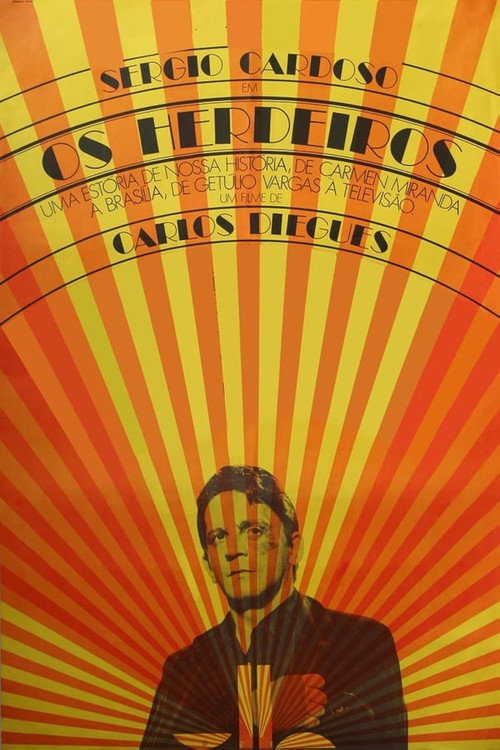
The Heirs
6.4

Jorge, an ambitious journalist, marries into money and betrays colleagues to become a powerful politician during political turmoil in 1946 Brazil.

The Heirs

1970