
Kim Mi-re
Directing
Known For

On August 30th, 1974,a time bomb set by the "Wolf" brigade of the East Asia Anti-Japan Armed Front destroyed the Tokyo Headquarters of Mitsubishi Heavy Industries. "Fangs of the Earth" and "Scorpion" soon followed with more bombings. Unlike other leftist groups at the time that sought to seize the Japanese state to build socialism, the EAAJAF were explicitly opposed to the Japanese nation-state, understanding it as an imperialist power in East Asia and a junior partner to American imperialism. Over 50 years have passed since the Mitsubishi bombing; some EAAJAF members have passed, others are still incarcerated, and some have been recently released. In the intervening years, a group of friends and family members stepped forward to support their incarcerated loved ones, answering questions about how to provide long-term prisoner support for people incarcerated by the state and condemned by society.
Looking for the Wolf: East Asia Anti-Japan Armed Front
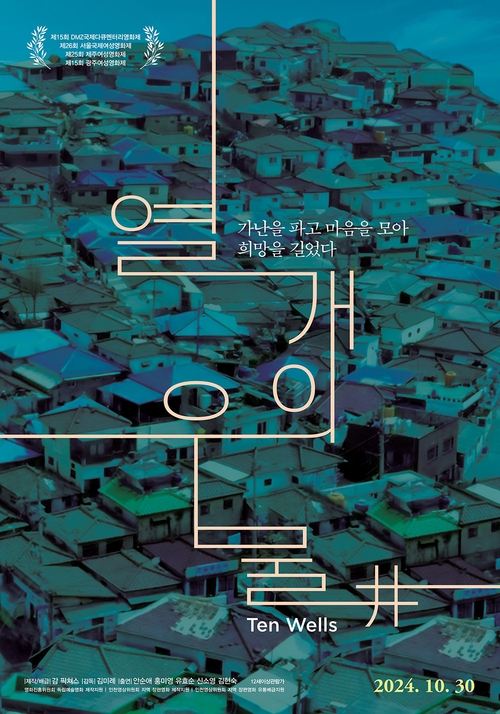
In the 1980s, Kim Hyunsook was an integral part of a collective of young women activists who focused their efforts on fighting urban poverty in some of Incheon's most disadvantaged neighborhoods. These women not only lived in these communities but also worked alongside the urban underprivileged. She introduced me to some of her former colleagues from that era. Thus, I began this film journey by visiting Ahn Soonae, a close confidante and associate of Kim's, whom Kim affectionately described as ‘a foul-mouthed woman with a huge ass.’ Soon after, I had the privilege of meeting other members of the collective, now elderly women in their 60s.
Ten Wells

Working at the super-supermarket Homever occupied the Worldcup Stadium store. It was the first sit-in at a retailer led by women, who were until them leading ordinary lives. The originally-planned 2-day 1-night strike went on for 21 days. During the sit-in, they enjoyed temporary freedom and happiness, free from work and housework. Their struggles became the epitome of struggles of casualised women workers. However, there was no easy solution.
Weabak: Stay Out All Night
No description available.
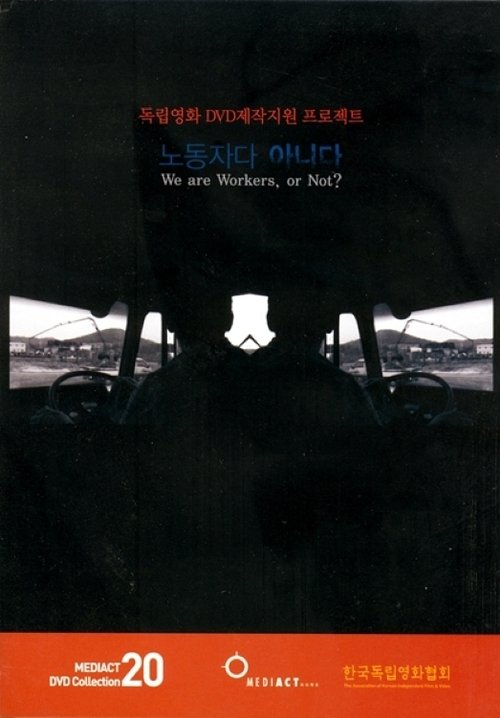
노동자다 아니다
Father had been living an unstable life following after construction sites to work as part-time carpenter. But now, he's old and there aren't any sites who'll hire him. The multi-leveled structure of the construction industry in Korea and Japan is managing the laborers inhumanely. While looking at those who live every day of their lives finding work and always with the uncertainty and pain of unemployment, I'm reminded of my father.
NoGaDa

What are labor movement leaders of the 1980s and ’90s doing today, 20 years later? This film begins with the daily lives of four middle-aged Korea Telecom laborer “ajussis.” They “live,” hanging off of utility poles, making repairs below manholes, eating lonely meals of soup and rice, making sales, and getting on the red-eye train once a week to see their families. They are within us and among our neighbors, quietly living day by day. But the moment they start talking, what they do becomes more than just “living.” That’s because they have all dreamed of a world for laborers, fighting against Korea Telecom’s unfair layoff program, in the past, present and future.