Teri Snelgrove
Production
Known For
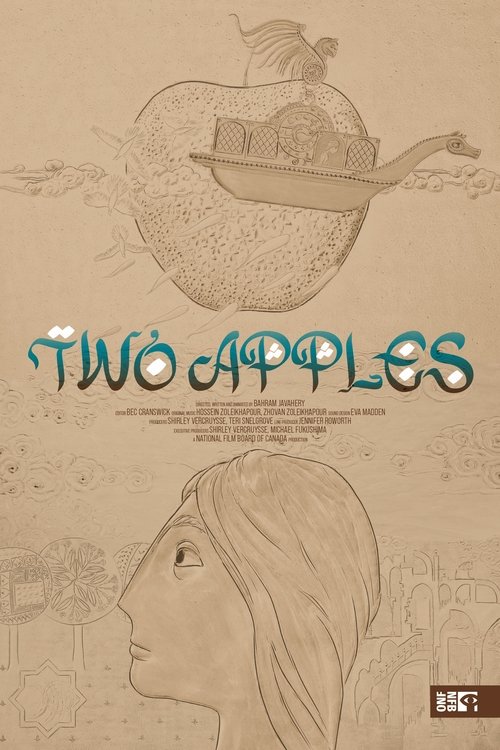
In pursuit of a better future, a young girl decides to emigrate. She leaves her homeland behind along with her belongings and her loved ones. In the new country she realizes the depth of her venture and discovers that the only thing she carries with her from her homeland, is a symbol of love.
Two Apples
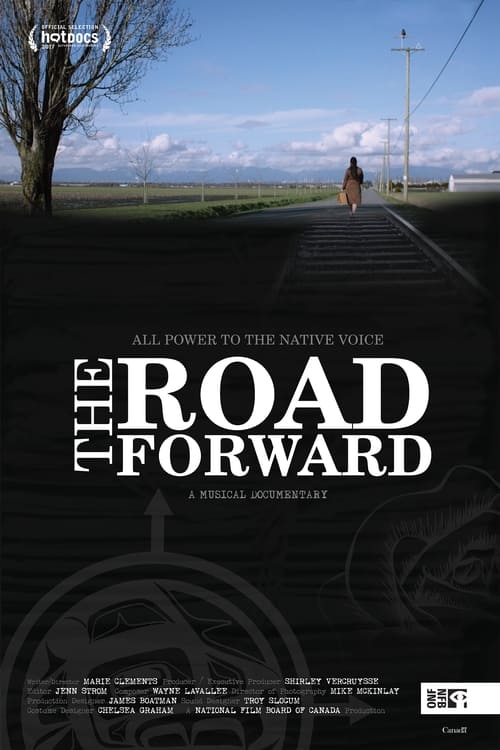
The Road Forward is an electrifying musical documentary that connects a pivotal moment in Canada’s civil rights history—the beginnings of Indian Nationalism in the 1930s—with the powerful momentum of First Nations activism today. Interviews and musical sequences describe how a tiny movement, the Native Brotherhood and Sisterhood, grew to become a successful voice for change across the country. Visually stunning, The Road Forward seamlessly connects past and present through superbly produced story-songs with soaring vocals, blues, rock, and traditional beats.
The Road Forward
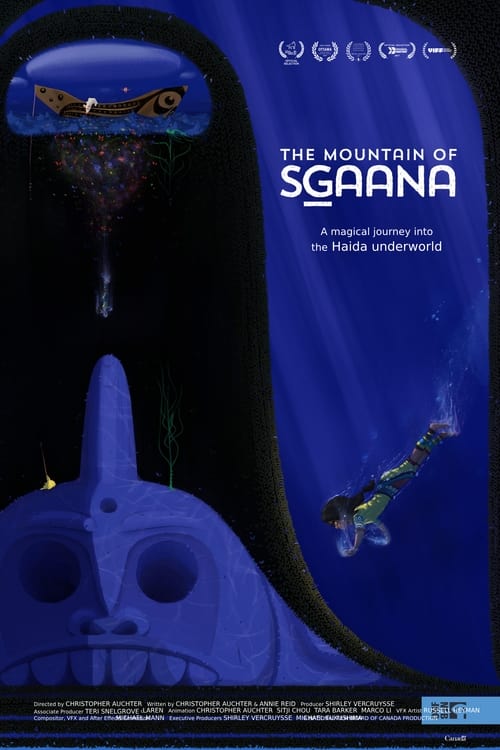
As a young fisherman cruises along a rugged shoreline, a tiny mouse in Haida regalia appears and starts to knit a blanket. A story unfolds on the blanket as it grows longer, illustrating the ancient tale of Haida master sea hunter Naa-Naa-Simgat and his beloved, Kuuga Kuns. When a SGaana (the Haida word for “killer whale”) captures the hunter and drags him down into a supernatural world, the courageous Kuuga Kuns sets off to save him. Will the lovers manage to escape the undersea Mountain of SGaana, or will they, too, become part of the Haida spirit world forever?
The Mountain of SGaana
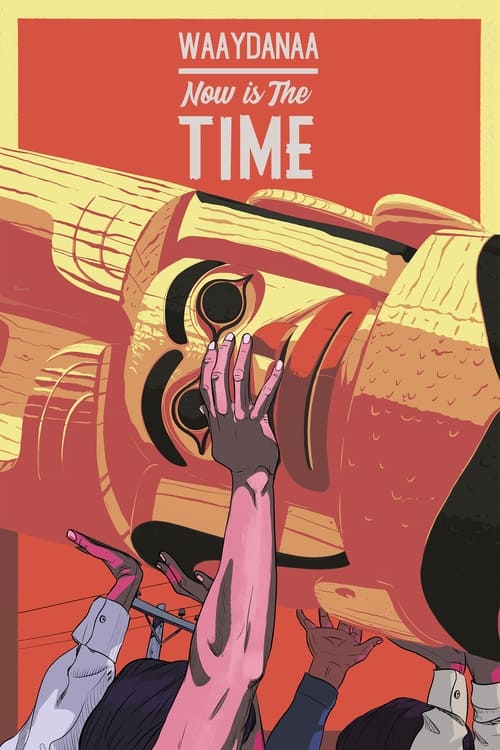
When internationally renowned Haida carver Robert Davidson was only 22 years old, he carved the first new totem pole on British Columbia’s Haida Gwaii in almost a century. On the 50th anniversary of the pole’s raising, Haida filmmaker Christopher Auchter steps easily through history to revisit that day in August 1969, when the entire village of Old Massett gathered to celebrate the event that would signal the rebirth of the Haida spirit.
Now Is the Time
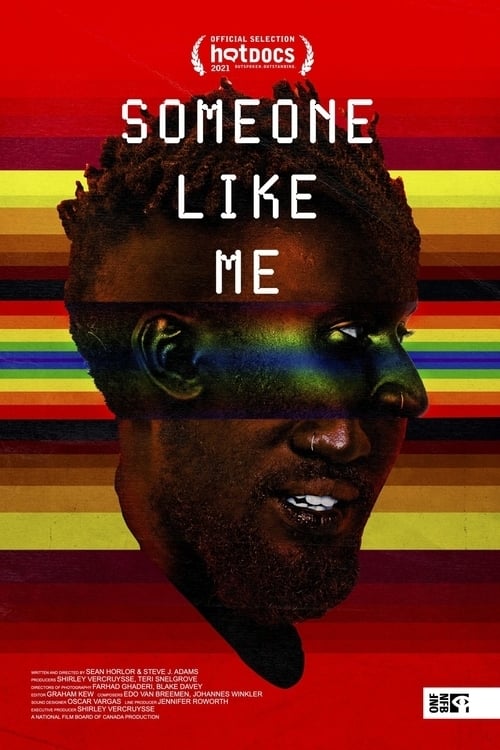
After 11 strangers unite to help a gay youth escape life-threatening violence in Uganda, the unexpected pandemic and conflicting opinions over his best interests test the limits of their commitment and jeopardize his fresh start in Canada.
Someone Like Me
With unprecedented access, this documentary paints an intimate, complex portrait of kids in jail. The film raises difficult yet vital questions about at-risk youth and young offenders, and asks: Should we be doing more to help them?
Kids in Jail
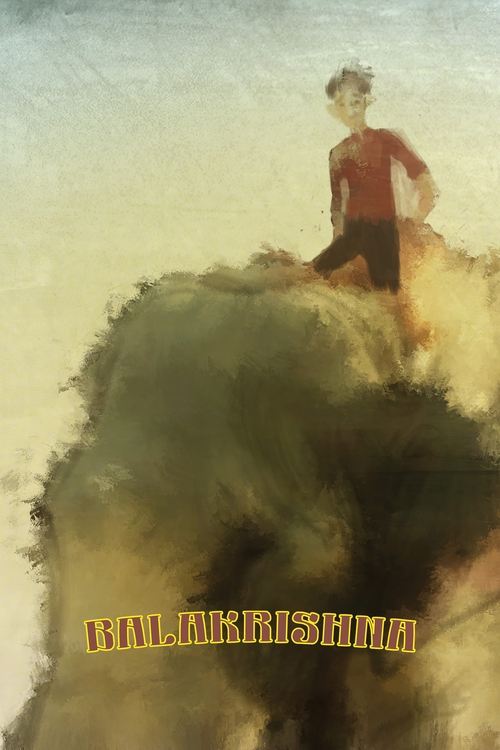
When an extraordinary new resident – Balakrishna, an Indian elephant – arrived in the town of East River, Nova Scotia, in 1967, no one was more in awe of the creature than young Winton Cook, who became inseparable from his mammoth new friend. Using painterly animation, photographs and home-movie treasures, Balakrishna transmits the wistfulness of childhood memories, while evoking themes of friendship and loss, and issues of immigration and elephant conservation.
Balakrishna
The open road presents a point of departure for director lori lozinski to process deep-seated grief. Revisiting the formative experiences that drove her ambition, lozinski examines the influence of her parents in the present light of day.
A Motorcycle Saved My Life
As a young woman journeys to a new country, the promise and possibility of her life spills out like the petals of a flower, unfurling into full and glorious bloom. Julia Kwan’s film Blossom captures a woman's experience, mirrored and reflected in the natural world. As summer opens into spring, mother and daughter build a life together. The taste and texture of each season, whether the ice-cream smell of summer, the crisp birch air of autumn, or the warmth of winter dumplings -- are lovingly rendered in animation, sound and image. Throughout the passage of time, the persistence of love endures, as resolute and unchanging as the cycle of the season.
Blossom
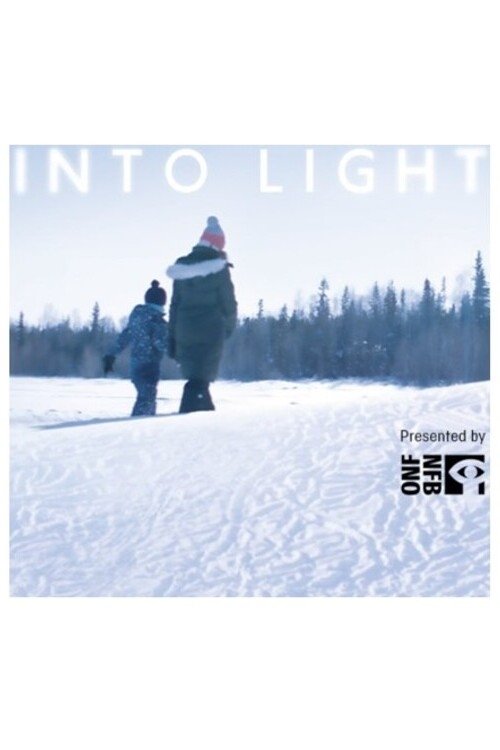
A mother embarks on a journey of acceptance and joy while supporting her child's gender transition in this heartfelt portrayal of single parenting and navigating the complexities surrounding gender and consent.
Into Light
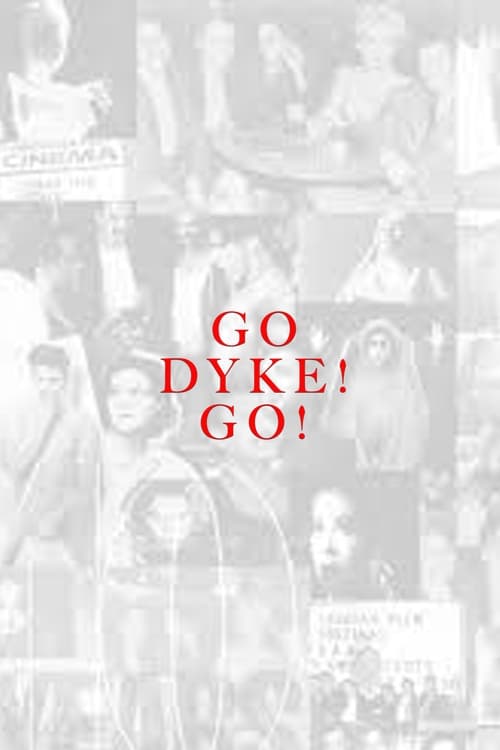
Go Dyke! Go! is a humorous commentary on lesbian relationships in the context of children’s literature. Taking off from the popular children’s book Go Dog! Go! (by P.D. Eastman), this animation paints a sarcastic, pointed and comic picture of queer life in the 90s. Familiar pop imagery and everyday signifiers are a point of entry for a discussion of the patterns of serial monogamy and lesbian representation. Go Dyke! Go! plays with the genre of animation and poses a game of semiotics to deconstruct the tropes of children's books and heterosexism.
Go Dyke! Go!
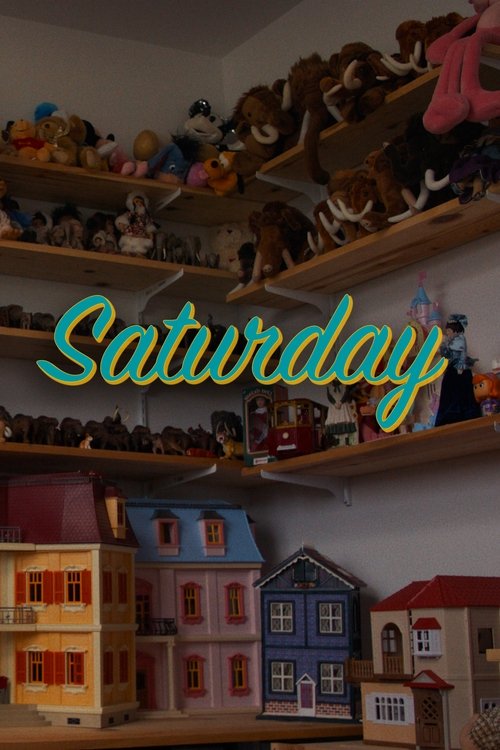
Filmmaker Jessica Hall’s sister Katherine manages her intellectual disability by leading an independent, creative, and joyful life. Every Saturday, Katherine and her mother, Frances, share a cherished routine: thrifting, browsing the hardware store and working side by side on their intricate miniature-house projects. Saturday documents their story, blending present-day moments with intimate home movies that trace their immigration journey and family history. With warmth, creativity and quiet resilience, the film celebrates Katherine’s independence and the powerful bond between mother and daughter.
Saturday
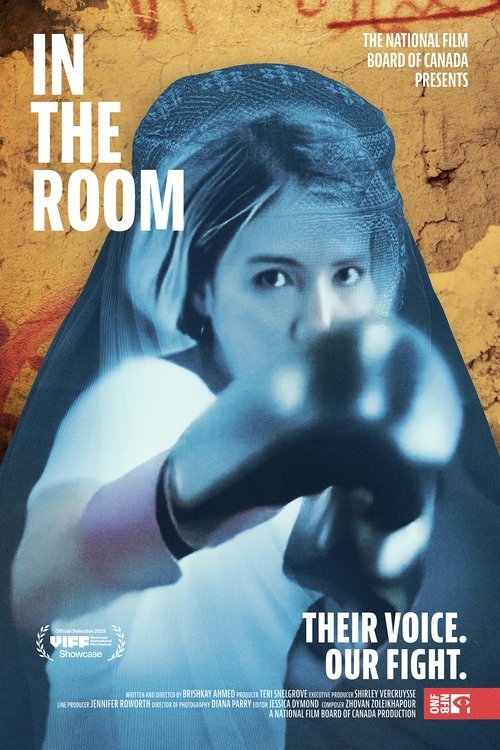
In the face of exile, five Afghan women’s commitment to freedom and equality empowers them to take the world stage and reclaim their homeland. Through a series of honest conversations, these extraordinary rebels reveal the deeply personal history of Afghanistan in all its complexity, beauty and struggle.
In the Room
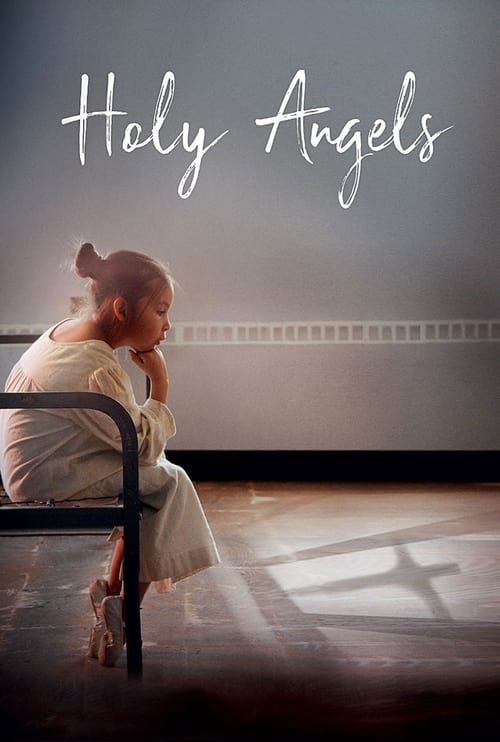
Documentary about the Holy Angels Residential School in Alberta, where hundreds of First Nations children were imprisoned.
Holy Angels
Director Murray Siples' love/hate letter to Vancouver weather captures both the mundane and the thrilling experience of living on the West (wet) Coast. The winter rain colours every aspect of city life, but people cope, wielding umbrellas like swords, clutching coats and hats against the constant deluge.
Cold Fronts
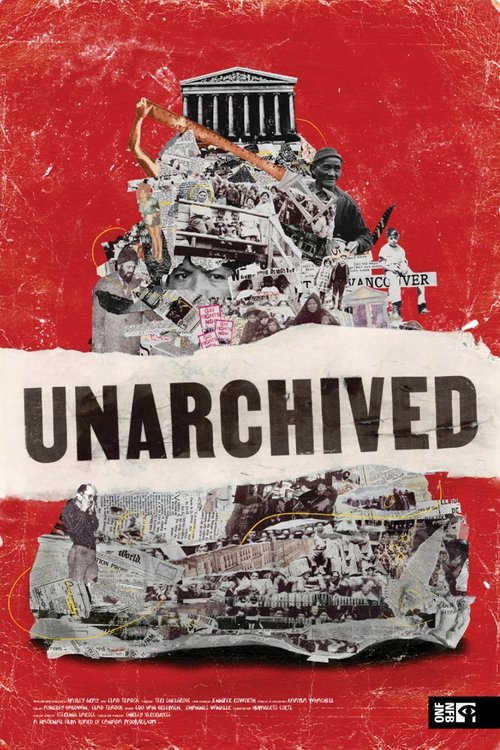
In community archives across British Columbia, local knowledge keepers are hand-fashioning a more inclusive history. Through a collage of personal interviews, archival footage and deeply rooted memories, the past, present and future come together, fighting for a space where everyone is seen and everyone belongs. History is what we all make of it.
Unarchived
Nine artists across the continent document their sensory experiences of lockdown, and the results broke our editing program. What emerges is an absurdist collage that playfully flips the format of a video conference on its head. Filmmakers Alicia Eisen and Sophie Jarvis pose the question: is the human need to make sense of chaos an inherently chaotic pursuit?
Come To Your Senses
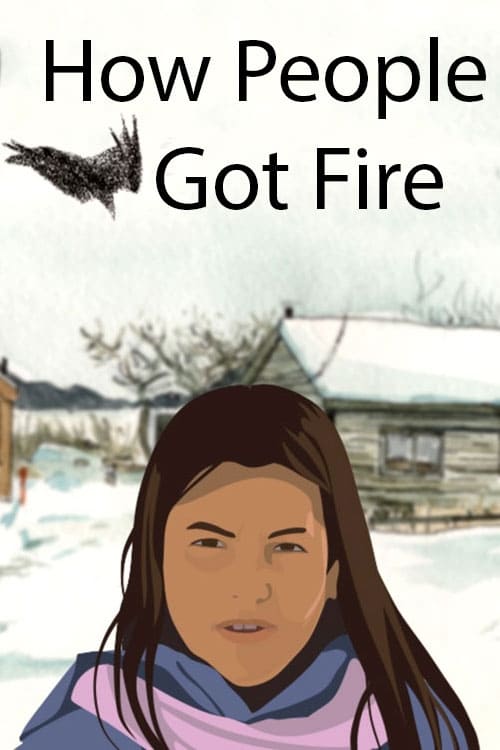
This introspective short animation takes place In the village of Carcross, in the Tagish First Nation. Neighbourhood pillar Grandma Kay tell the local children the tale of how Crow brought fire to people. As the story unfolds, we also meet 12-year-old Tish, an introspective, talented girl who feels drawn to the elder. Here, past and present blend, myth and reality meet, and the metaphor of fire infuses all in a location that lies at the heart of this Native community’s spiritual and cultural memory.
How People Got Fire
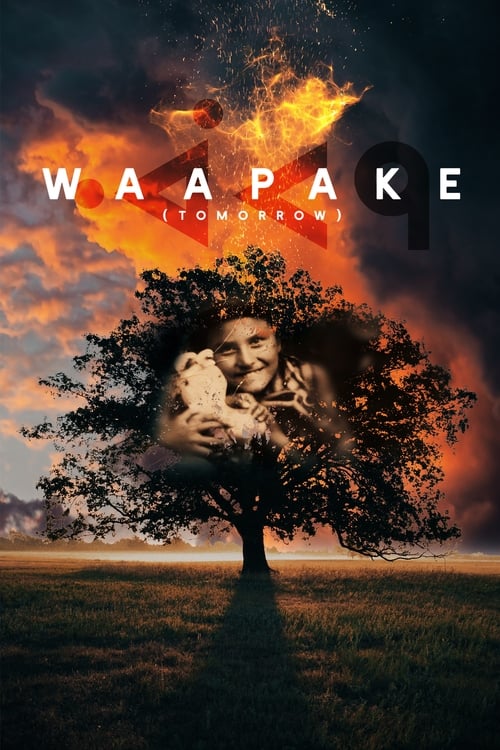
WaaPaKe is a story about resilience, love and transformation. Examined through an Indigenous lens, the stories of residential school Survivor-Warriors and their families offer an understanding of both intergenerational trauma and healing. We are taken to a studio set-up in front of a green screen. Through compassionate, candid conversations, Jules Koostatchin shares interviews with five individuals, family and friends, that all directly or indirectly experienced intergenerational trauma.
WaaPaKe (Tomorrow)
54 Hours is a remarkably vivid account of the 1914 tragedy in which 132 men were stranded on the ice during a severe snowstorm off the coast of Newfoundland. Seventy-eight men froze to death on the ice pack.