Editing
Documentary about an unusual beauty contest in the desolate area of Iceland’s West Fjords where wrinkles and cellulite are a plus.
No description available.
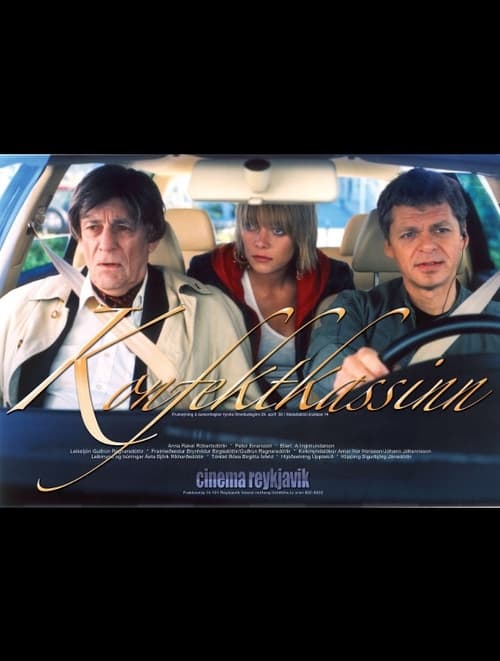
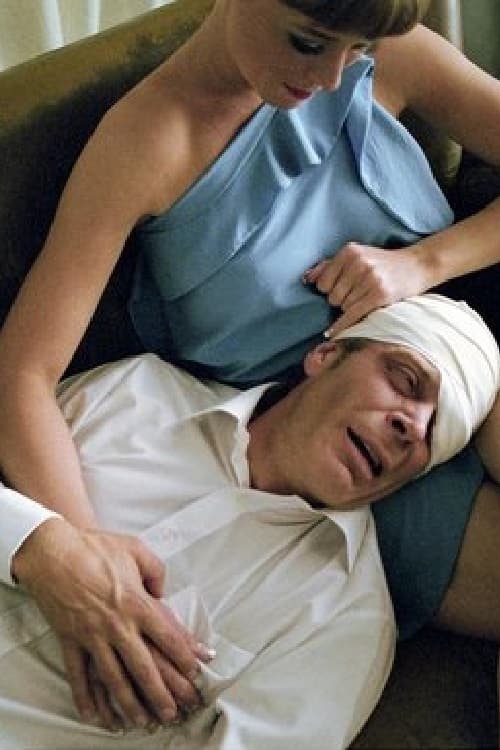
Ragnar, straight out of hospital, orders a taxi-driver around Reykjavik in order to find a three layered chocolate box. He wants to repay a nurse for her good service at the hospital. After each unsuccessful stop at various grocery stores, his daughter, Hrönn, gets increasingly agitated in the back seat of the cab. Tension between father and daughter build to a peak, and it becomes crucial for Hrönn to confront her father for the first time in her life.
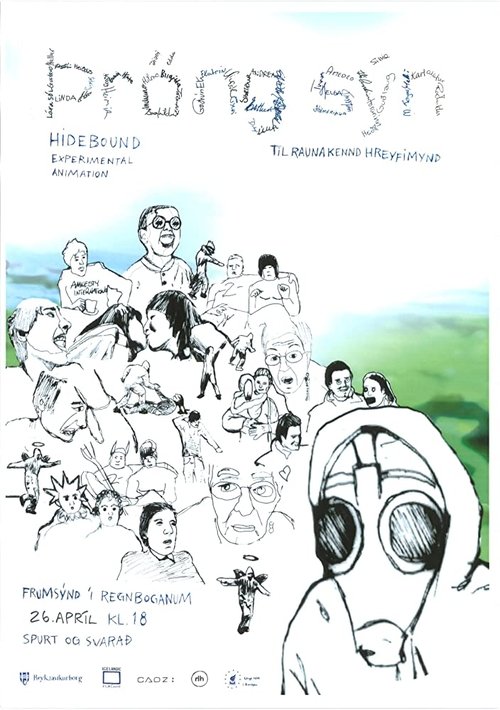
Hidebound tells of Aron, a young man who is concerned about communications and the human situation in today's society. He decides to conduct an experiment and observes the reactions of other people to it. Through this unique experiment or observations we meet several characters that each tells us a different story about how people respond to a new experience and how they behave under pressure.
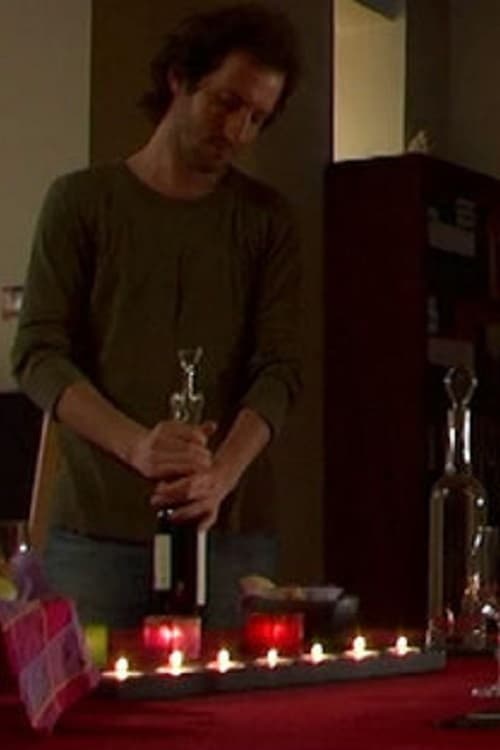
Eric has a romantic candlelight dinner with his girlfriend lined up, but his plans are thrown into turmoil when someone unexpected knocks on his door and is not about to leave.
In the late fifties Iceland was isolated and backwards. Industrialisation had really just begun and the country was taking it’s first steps towards the ultra-modern society we know today. The US military set up a base next to the sleepy fishing village of Keflavik on the south coast turning everything on it’s head. The Americans outnumbered the locals three to one. Culturally it was as if a UFO had landed. The young people were more open to cultural influences than the older generation and this triggered a rock and roll explosion which then swept the rest of the country. It was the birth of Icelandic teenage culture. Because of Iceland’s location right between America and Europe the cultural influences mixed to produce an unique blend.
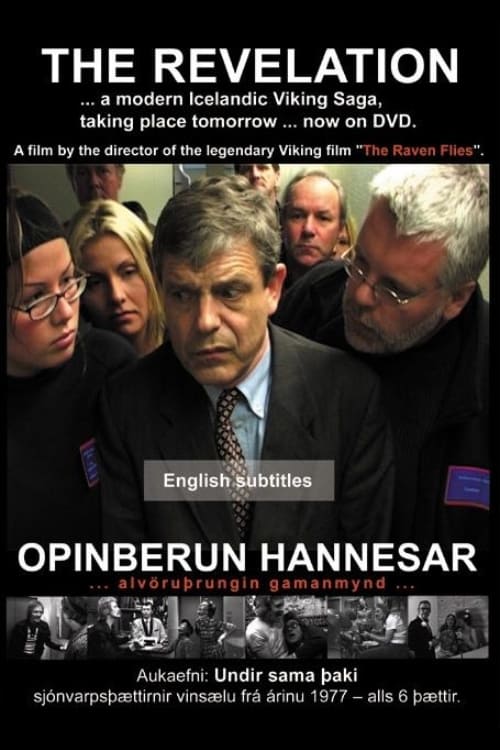
The Icelandic parliament has been presented with a bill which will allow the Institute for State Supervision to create a SuperCode Databank which will centralize all other databanks based on personal ID numbers; with this SuperCode the Institute can follow and monitor everyone’s behavior. Hannes, a middle-aged man who still lives with his aging mother, works at the Institute, and he is the originator of the idea. Hannes has already secretly started working on it on his computer, even though it is uncertain that Parliament will agree to it. Hannes is in love with Stefania, the new secretary in the Institute, and hopes to impress her with his “private” SuperCode Databank. But one day, Hannes’s computer, containing the databank, is stolen. Hannes is afraid of the consequences if it is discovered he has been working on the SuperCode illegally. He starts trying to catch the thief himself only to become a victim of the very systems he has believed in and worked so hard to strengthen.
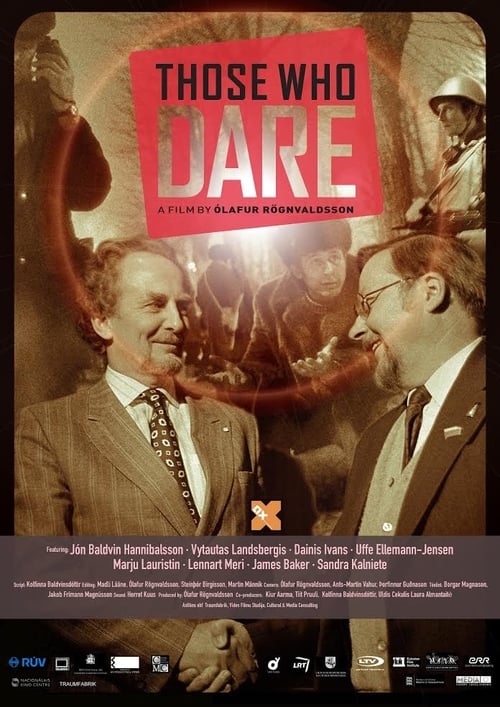
When Mikhail Gorbachev rose to power in 1985, his reform policy sparked an independence movement in Estonia, Latvia and Lithuania. But as cries for help from the Baltic States were met with silence from the international community at large, two small nations – Iceland and Denmark – answered the call, motivated by the personal connections of their foreign ministers, Jón Baldvin Hannibalsson and Uffe Elleman Jensen.
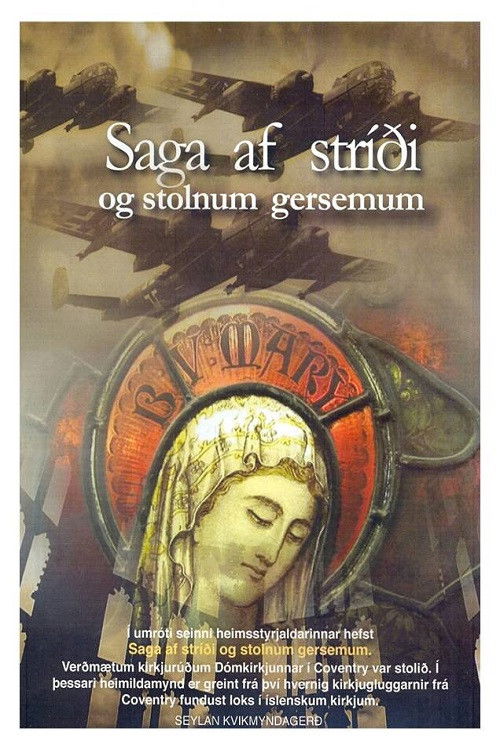
The Stained Glass Windows had been salvaged from Coventry’s medieval cathedral before it was bombed out by German forces but in 1942 they simply disappeared. Much later, it is discovered that they had found their way to Iceland. How did this happen? It is a mystery of conflicting stories, misplaced documents and confusing contradictions.
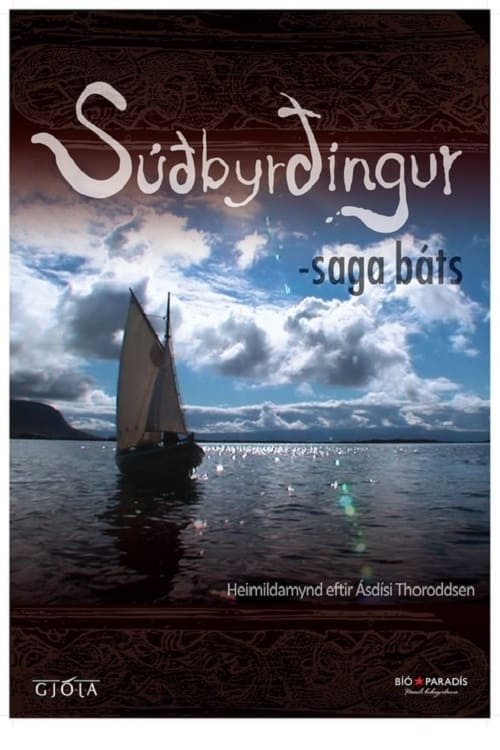
Four experienced boatbuilders join forces in building a clinkboat of the type that was once predominant in the Breidafjord Bay archipelago in the West of Iceland. In this film the history and craft of the North European clinkboat, and its many local variations, is examined with the help of historians and boatbuilders in Iceland and other Nordic countries.
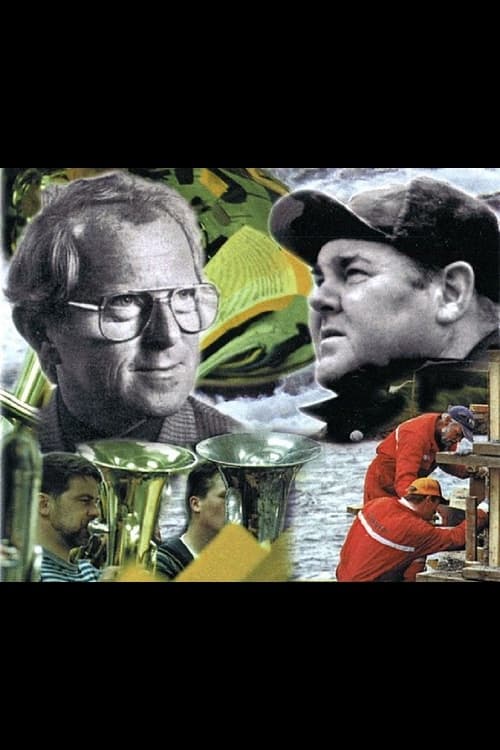
Over the course of a year, we watch the bridge builder Haukur Karlsson and the musician Pál Pamphichler Pálsson at work, including the Eyjafjöll region on the south coast, Hvalfjörður and Skeiðarársandur, and Páll rehearsing the Reykjavík Brass Band for its anniversary concert, conducting the Icelandic Opera Orchestra in Der Fledermaus and having a work of his performed at a large open-air concert in Austria. The film suggests that all there certains themes common to all work, and that these men's occupations are not as different as they may seem to be at first glance.
When the heroine of the film gets what she always hoped for, she becomes miserable and unhappy and really misses what she had.
The film follows the construction of a violin and the communication between the violin maker Hans Jóhannsson and the violinist Sandrine Cantoreggi at Hans' workshop in Luxembourg.
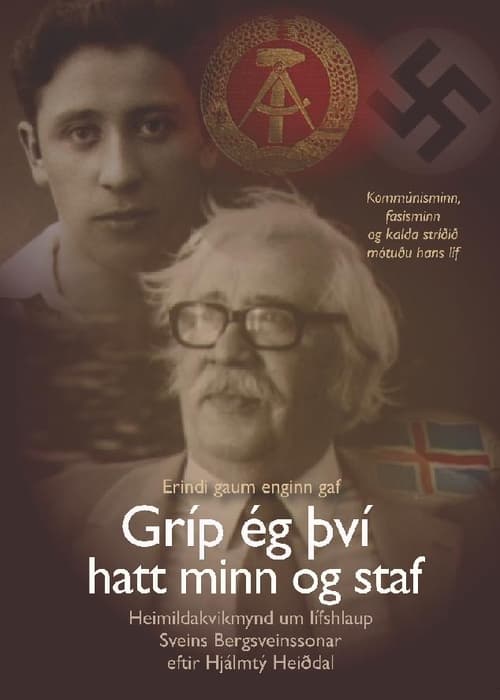
The scholar Sveinn Bergsveinsson, a Communist in the 1930s, was trapped in Berlin by the outbreak of World War II and forced to work for the Nazi propaganda machine. Returning to Iceland, sick with tuberculosis, he found himself branded by both sides of the cold war political divide and barred from academic work. In desperation, he emigrated to East-Germany where he became a respected professor. He always hoped to return home but died in East-Berlin in 1988, a year before the wall came down. He left behind a wealth of documents, photographs, film and voice recordings which form the basis of this narrative.
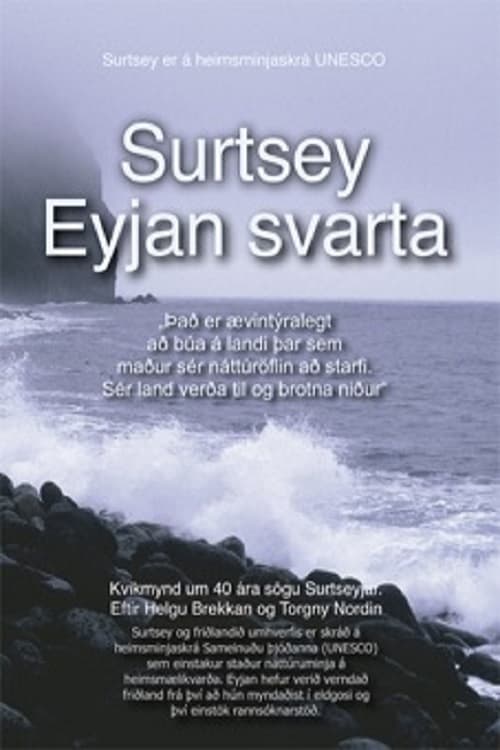
An unexpected submarine eruption south of Iceland created an island, Surtsey, and changed our perception of the Earth. The Black Island is the epic Saga of Surtsey. The film depicts the evolution of life and our fascination and fear of the world´s untamed and still unknown forces. Using unique archive material and new films from visits to the Black Island.
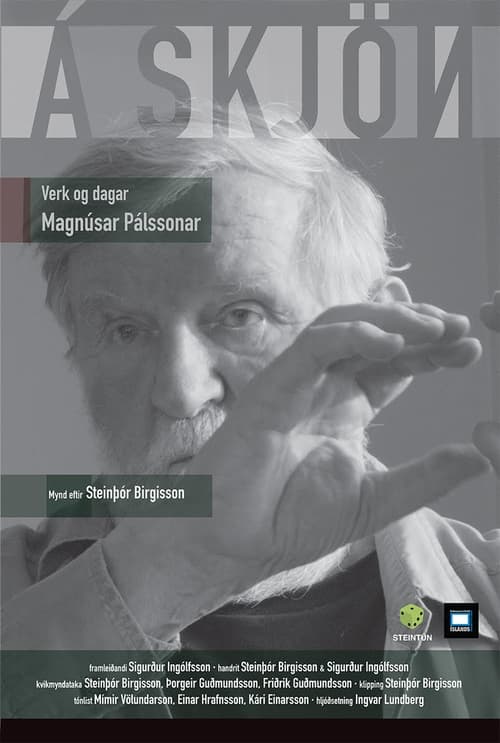
After a career more influential than most in Icelandic contemporary art, at 87, Magnús Pálsson stages his most substantial performances and undertakes a voyage both through his own catalogue and Icelandic autumn landscapes to his cottage, Askew, in Dalir county.
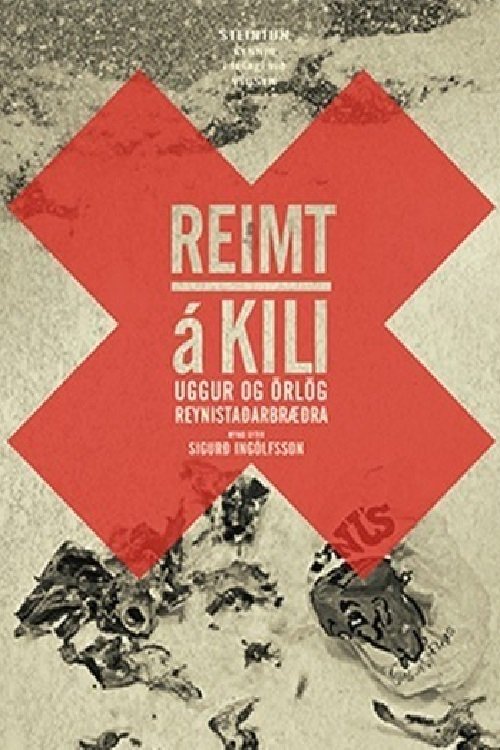
Haunted Trails is a drama documentary about the relationship of Icelanders with history and histories, the relationship of the living with the dead, about the sex life of ghosts and packed lunches. It attempts to capture the quiet joy of making sense of one’s surroundings and heritage, regardless of how bleak, indistinct and mystifying the pretext. What remains, is a vivid image of the Reynistaður brothers’ diet and recurring apprehensions.
Hera and Orri experience a night of adventure in downtown Reykjavik. Excitement and attraction is in the air. In the morning light, the glow from the night before abruptly disappears.