Acting
Polizeiruf 110 is a long-running German language detective television series. The first episode was broadcast 27 June 1971 in the German Democratic Republic, and after the dissolution of Fernsehen der DDR the series was picked up by ARD. It was originally created as a counterpart to the West German series Tatort, and quickly became a public favorite.
No description available.
Der Staatsanwalt hat das Wort was an East German television series.
The show was meant to compete with those on West German television. To this end it was fairly successful even attracting a following in parts of West Germany which could receive Eastern TV. Its production values were high. Apart from song and dance numbers and appearances from East German celebrities, almost every broadcast featured well-known stars from the west, often after their popularity had peaked in their home countries.
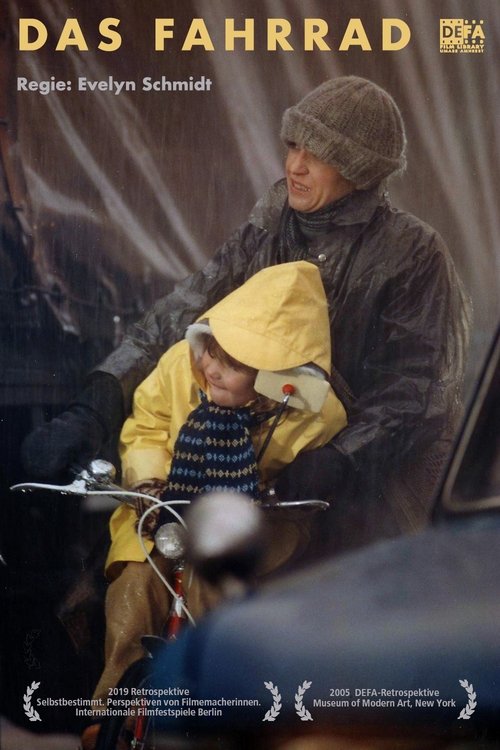
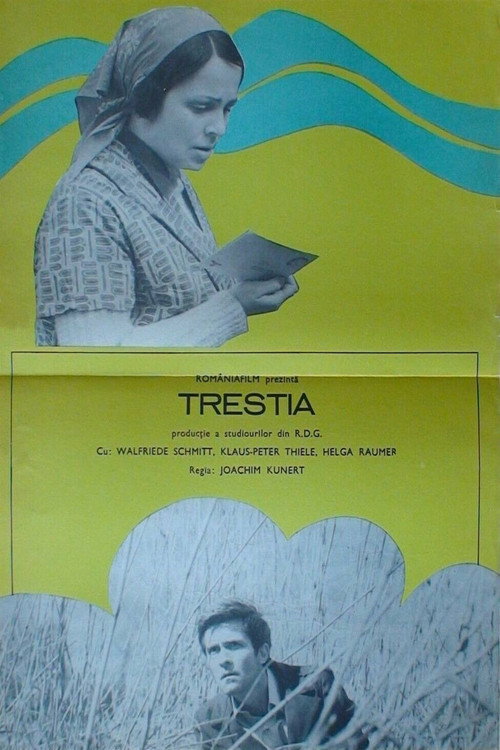
Susanne is a young single mother who lives a somewhat "carefree" lifestyle. After quitting her job, she finds herself in trouble financially and attempts a minor insurance fraud to make ends meet. Despite its rare view of everyday socialism from a woman's perspective, East German officials were critical of this frank portrayal of a less-than-ideal socialist citizen and turned down all invitations for the film to be screened abroad.
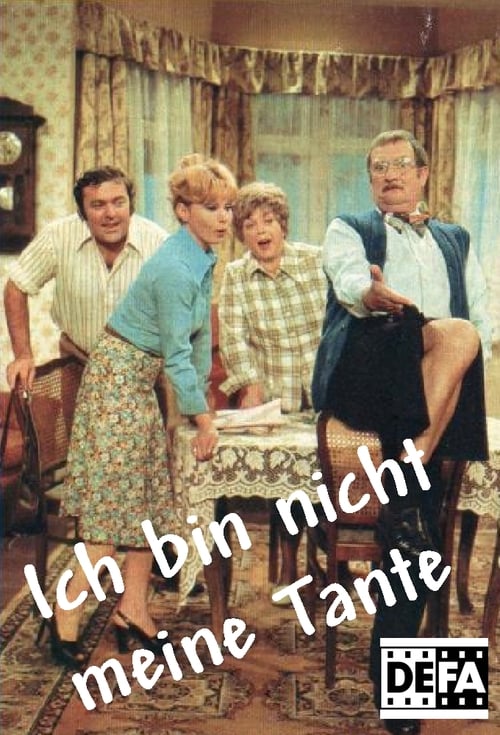
Karla Geisler is a woman with her heart in the right place and a very quick mouth - the tenant on the first floor is practically the good soul of the entire building community. Karla is also the aunt of a 32-year-old single man called Karl, who is not lacking in imagination. Every Wednesday, he invites himself over to Auntie's for coffee and cake so that he can do some geological studies in peace.
The puppet player Sebastian Fußberg moves through the country at the end of the fifties. Despite his age, an unwavering dreamer and idealist. But also a torn person who cannot detach himself from the shadows of his past.
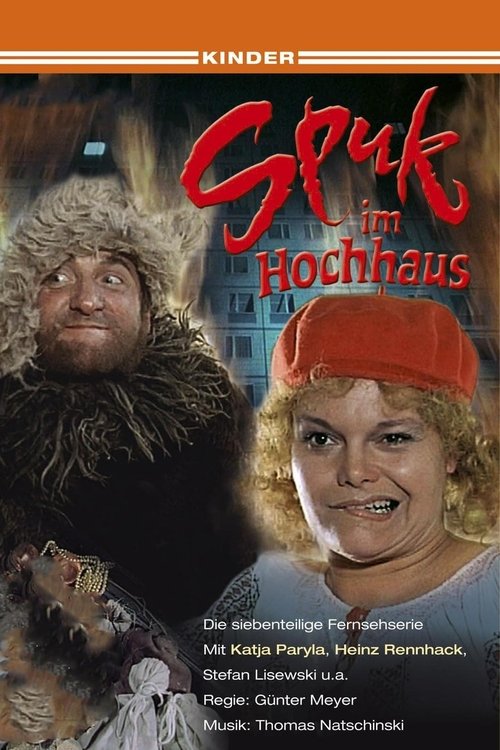
200 years ago, innkeepers Jette and August Deibelschmidt led a rapacious life. Out of greed, they repeatedly got their guests drunk in order to steal from them. When police commissioner Friedrich Wilhelm Licht tried to put them out of action, the house caught fire and all three died. In his last words, he curses the pair of thieves, saying that they will not find peace until they have done seven good deeds after 200 years.
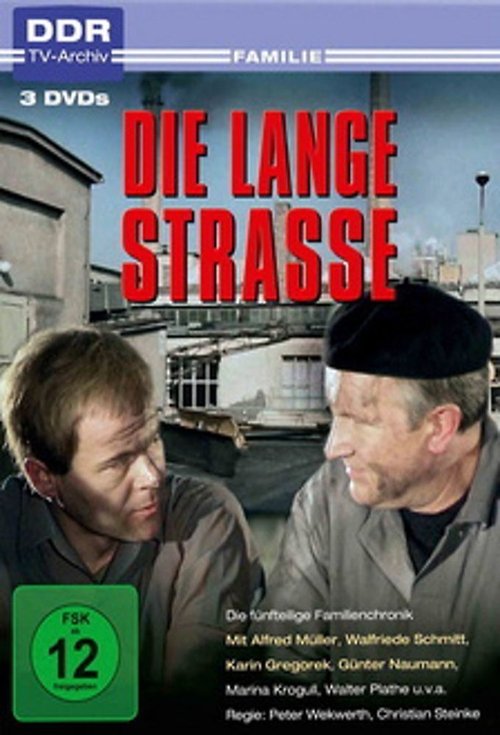
1949. Grafenberg in Brandenburg shortly before the foundation of the GDR. Here lives Michel Hollmann and works in roadmaking. His purpose in life are his wife Lotte and the two children Gerda and Heinz, for whom he is reconstructing a summerhouse into a “nest”. In Grafenberg, his siblings are living as well: His brother Karl, the mayor, and sister-in-law Edith, who works in a textile factory, with their son Jürgen. Edeltraut, his sister, has married the lamp fabricant Berthold Bennert and leads a well-off life. They as well have a son: Harald. Part of the family are further sister Hanna and brother-in-law Hermann, who is a fisherman on one of the local lakes and conducts a tenacious private war against old Stegewald and his presumptive prince-electoral rights. They are living their lives with their large and small conflicts, with different intentions, and yet remain connected always.
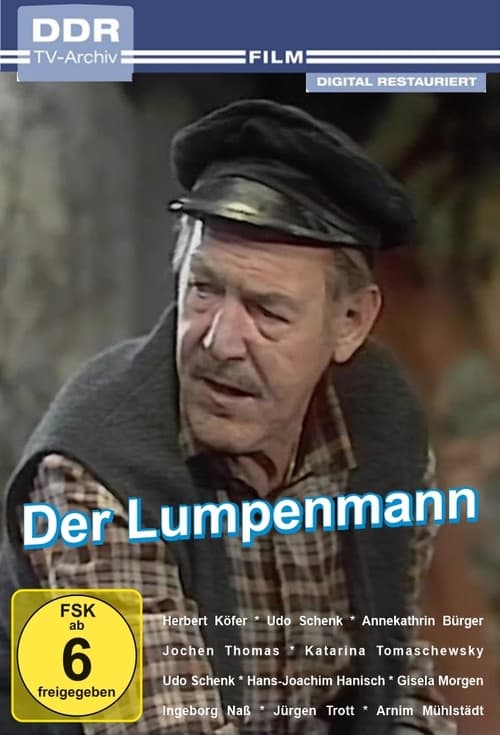
Peter, medical student and son of old materials dealer Richard Müller, wants to get engaged to the daughter of the director of a local construction company. The profession of his father has so far only vaguely hinted out of shame. And so his future in-laws think Richard is working in ministry. When he learns about it, he is initially offended. After all, he lives his profession with body and soul. But then Richard takes advantage of the misunderstanding and pays the bride parents a visit.
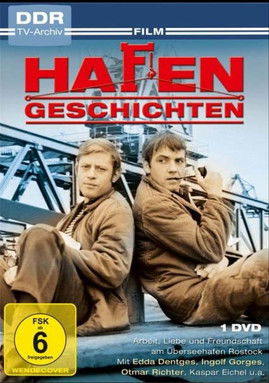
The pretty young crane operator Vera is the only woman in a team of dock workers at the overseas port of Rostock. She has to hold her own against her male colleagues. Fortunately, she has the support of her grandfather, who is the porter at the girls' hostel where Vera lives. Working with the impulsive Norbert, who promptly falls in love with Vera, is particularly tense. She much prefers the sensible and responsible Christian. Who will win her heart?
One day before Christmas, on December 23, the Schmidt family moves into their new apartment in a Berlin high-rise; until then, they lived in tranquil Birkenwalde. Little Sebastian fears that Santa Claus doesn't know about their move and therefore won't be able to bring him his presents. Even if he knows where Bastel and his parents now live, he might not be able to find him because there are several families in this large building with the name Schmidt.
In an enchanted forest, the princely brothers Michael and Andreas get lost and are transformed, by a mountain spirit who jealously guards his underground treasure, into animals until the unlikely event of sincere love from a human. The only persons who may be able to give such love are the local commoner sisters Snow-white and Rose-red, who are kind and helpful by nature and stand to harvest unimagined rewards.
This children's adventure movie is a charming tale of a group of youngsters in Prague who hear that Soviet sailors abandoned their failing ship in the Arctic Sea before it went down, but no one had been able to find the sailors yet. Inspired by the efforts to save the men, the youngsters strike out on their own to help in the rescue attempt.
This story of the miller Florian, who gave all his money to the war against Napoleon, is loosely based on a true story. After the war, Florian's reimbursement is challenged, and he must also pay taxes on his destroyed mill. He resists the tax collectors and takes off to Vienna, where he intends to defend his rights. On the way, he rescues the Duchess of Guastalla from assault. She also wants to go to Vienna, as His Majesty Franz II is trying to contest an heir in her favor. With cunning, luck, and dagger, Florian fights his way through a slew of nobility and their secret police.
The main character Otto, the "best man", is a copy of the illustrious Mister Bean. He takes on an apprenticeship as a building-worker, which makes him a member of a building brigade. At the same time Otto tries to start a love affair, which he handles even clumsier. Never the less Otto makes progress with the lady in question, a single mother, who apparently doesn't mind. Actually he wanted her sister, but a retired Leninist party member changes his mind. This gives him the courage to persevere in his work, albeit with the helping hand of the obligatory retired party member. And behold, in the end Otto invents a new method of building, which saves the brigade many hours of work.
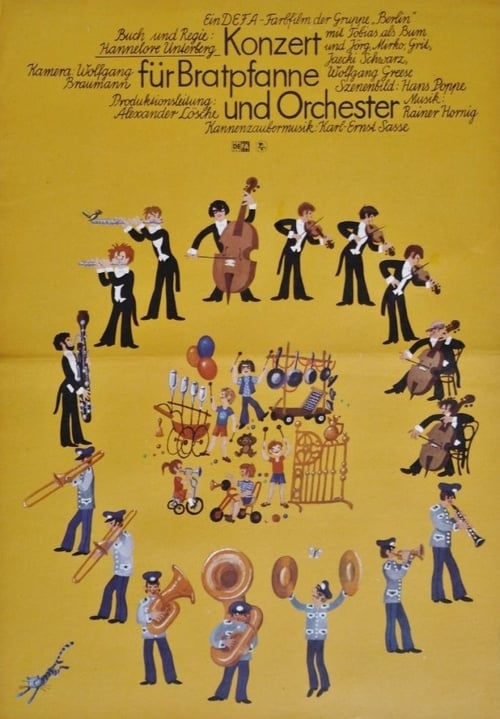
For the "Festival of good ideas" that is to take place in their residential quarter the musically enthusiastic young Bum wants to rehearse a music show along with his friends. With pans, cans, hooters and other junk they make music. Some adults get angry about that. Others like the second-hand dealer Dohlenei and Mr. Kling from the symphony orchestra help the children to make their fantastic idea come true.
Her brothers and fiancé are at war. In 1944, Marta struggles alone with her gardening business. One day, a deserter turns up at her house. What to do? Marta decides to keep Steiner with her. A life-threatening decision: military police scour the village...