Directing
From a peculiar narrative, “Esperanza” builds a subtle and simple allegory about the phenomenon of immigration of people from other South American countries to Brazil, in a relationship that reveals places of approximation, but also historical and dramaturgical spaces that point to the effects of a certain imperialism that surrounds such processes. All this concentrated in the suffocated atmosphere of the protagonist.
No description available.
Guto was born in a colony of Ukrainian immigrants in Paraná. He left his parents' home when he was just 11 years old. The family split up over cultural and religious issues. Thirty years later, he returns to his home village to reconnect with his past.
1970. Beatriz is an 18-year-old student. She is detained by the military dictatorship in Curitiba, Brazil, and tortured for ten days accused of belonging to the subversive student movement and an armed guerrilla that fights against the regime, VAR-Palmares.
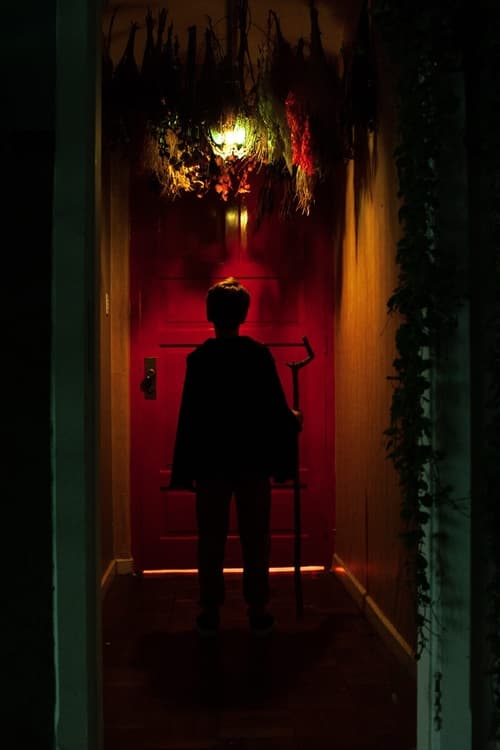
Adam is a lonely boy who tries to play with other kids... However, the only real friend Adam has seems to belong to his imagination.
Boris, a young gamer, is sent to spend a few days in the countryside of Paraná with his grandfather Stanislau, the leader of a Ukrainian community. Their meeting reveals a clash between the digital world and tradition, giving rise to a transformative relationship about family, belonging, and true connection.
Luzia consumes all the sweets from the neighboring baker, Carmen. Friendship evolves into a platonic passion, which brings a new flavor to Luzia's bitter days.
Julieta rides her son's bicycle into the night. Her trip is interrupted by an attempted robbery, but she gets some help from a friend of her son.