Hakim Ahmed Shuja
Writing
Known For
A young woman (Yasmin) brings her husband to an elderly doctor to restore her husband's disfigured face following a horrific accident. The doctor tells her he has given up plastic surgery long back and tells her a tale to prove that true love should overlook physical looks.
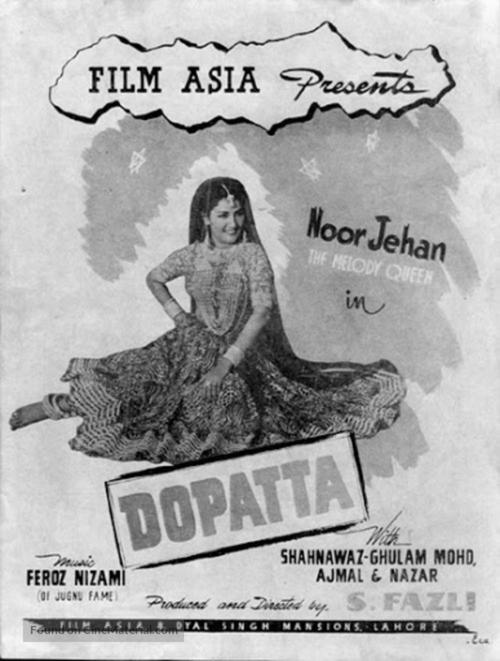
Dupatta
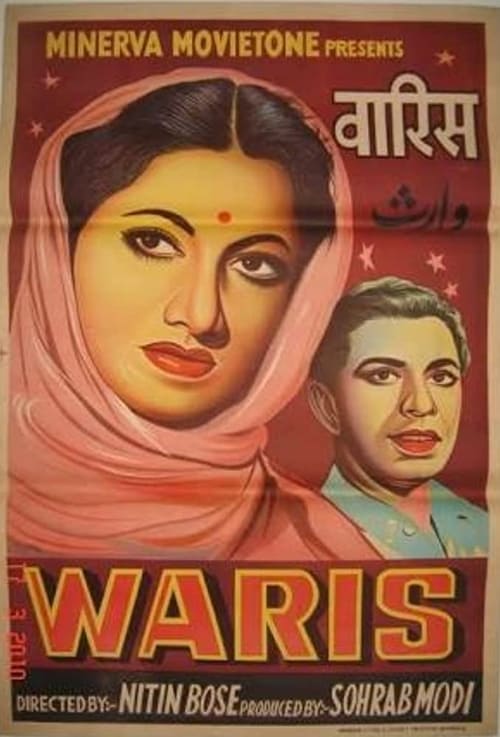
An inheritance melodrama about Kunwar (Mahmood), the son of zamindar Himmat Singh (Sethi). Kunmar marries Shobha (Suraiya) and is disinherited, forcing him to join the army during WW2. When he is reported missing and presumed dead, a repentant Rana invites Shobha to stay with him. However, it is Kanta (Nadira), a young woman betrayed by Rana's villainous secretary Kailash (Yakub), who arrives at the house and his mistaken for Shobha. Masquerading as Shobha, who lives nearby in absolute poverty, Kanta moves in, causing a moral dilemma and generating suspense since she could be caught at any moment.
Waris
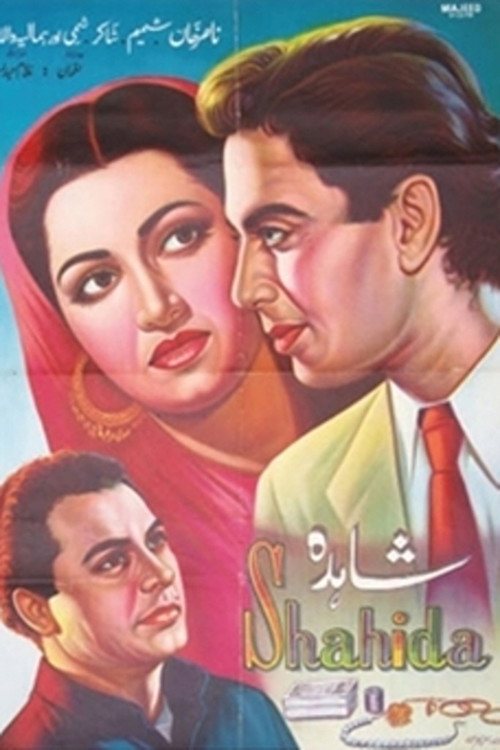
Set in the aftermath of the 1947 Partition, it follows a young woman whose life is disrupted as she migrates to a new country, while longing for her lover Saeed and struggling with separation and emotional distress.