Crew
Presentation of the economic upswing in the GDR, emphasizing the discovery of the process for the production of high-temperature lignite coke and the commissioning of the Lauchhammer large-scale coking plant.
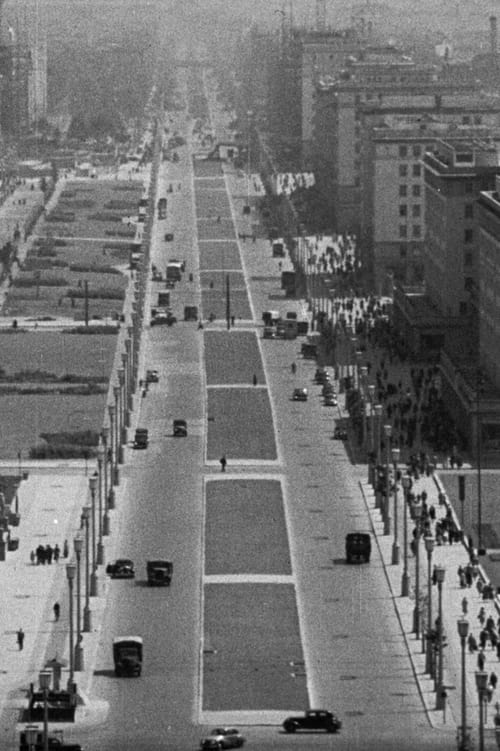
Deocumentary reports on the old Frankfurter Allee, renamed "Stalinallee" in a festive ceremony on December 21, 1949 to mark the 70th anniversary of Stalin's birth. The moving history of the street and the people who lived there from the 16th century to the unification of the KPD and SPD to form the SED in 1946 are shown. In November 1951, the Central Committee of the SED proposed a national reconstruction program for Berlin, which included above all the expansion of Stalinallee with new housing complexes based on the Russian model for the working class. More than 45,000 volunteers came forward to help with the demolition after their daily work in order to drive the construction forward. After a record construction period, the first residents were able to move into their comparatively luxurious apartments on Stalinallee on January 7, 1953. The comments chosen reflect the zeitgeist of the Cold War, with criticism of West Berlin's politics and way of life being voiced above all.
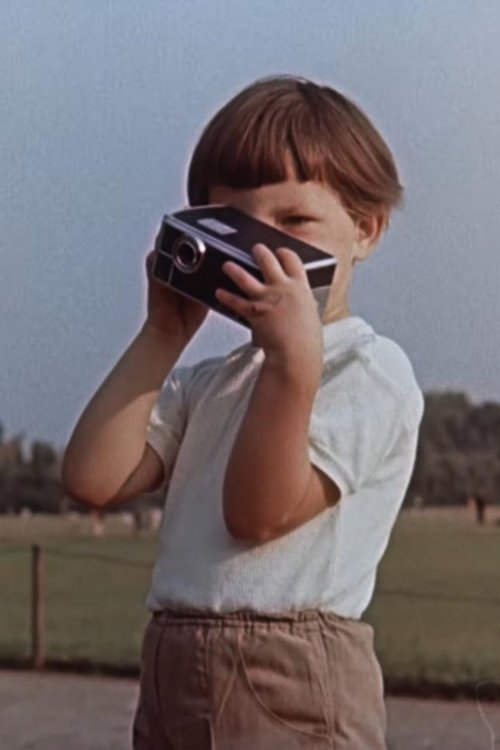
This documentary, intended to inspire new home filmmakers, tells the stories of ordinary people who learned how to make their own films by renting inexpensive AK 8 cameras. A young couple documents their vacation on the Baltic Sea, a garden plot community celebrates a party, and comrades from a sports club even film themselves playing cards underwater. The film's sarcastically humerous commentary on everyday life plays with clichés and taboos.
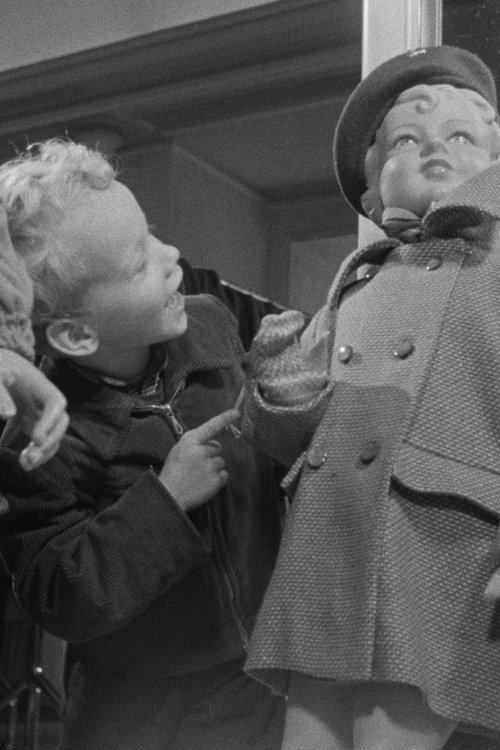
Five-year-old Norbert visits Haus des Kindes in Berlin with his parents. He runs away and visits the whole house on his own. He strolls through the clothing department, past shoes, takes the escalator and elevator up to the children's café, barely escapes an attentive waitress and ends up in the toy department while his parents are looking for him upstairs. Found and punished by his father, Norbert experiences all kinds of adventures in his dream.
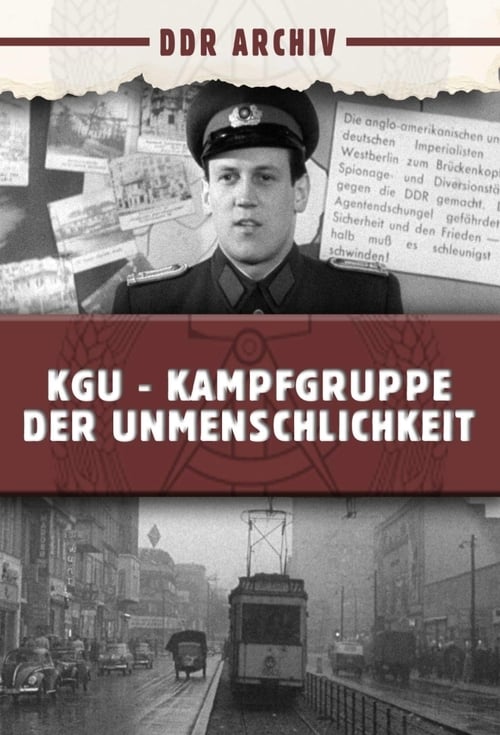
Using documentary material and the testimony of convicted agents, the film attempts to prove that the West Berlin "Kampfgruppe gegen Unmenschlichkeit" was an espionage and sabotage organization. As a militant and anti-communist organization, the KgU supported the resistance against the SED government in the GDR from its founding in 1948 until its dissolution in 1959 and, among other things, founded a tracing service for Western citizens deported to the Soviet occupation zone.