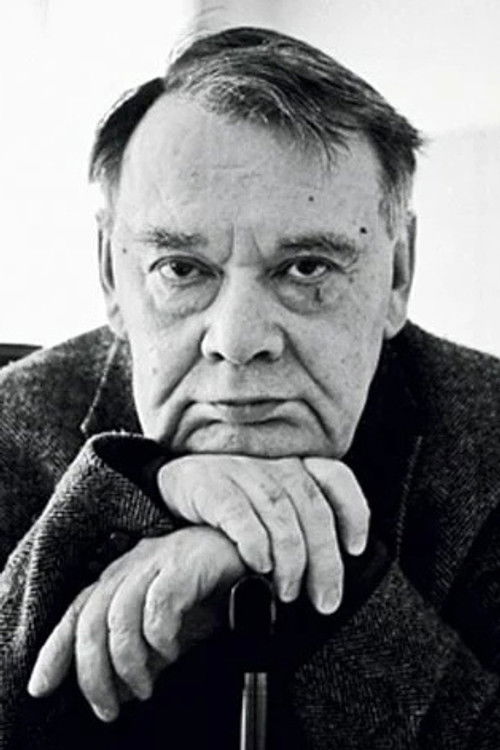
Aleksei German
Directing
Biography
Aleksei Yuryevich German (Алексей Юрьевич Герман, 20 July 1938 – 21 February 2013) was a Soviet and Russian director, screenwriter and producer. He is noted for his stark pessimism, long, serpentine sequence shots, black and white cinematography, overbearing sound design and acute observations of Stalinist Russia.
Known For
No description available.
To Remember
No description available.
Legends of Cinema

A group of scientists is sent to the planet Arkanar to help the local civilization, which is in the Medieval phase of its own history, to find the right path to progress. Their task is a difficult one: they cannot interfere violently and in no case can they kill. The scientist Rumata tries to save the local intellectuals from their punishment and cannot avoid taking a position.
Hard to Be a God

In a desolate world following the nuclear apocalypse, a scholar helps a small group of adults and children survive in the basement of a former museum of history. In his mind, he writes letters to his only son that will never be read and tries to find shreds of hope in his new reality.
Dead Man's Letters
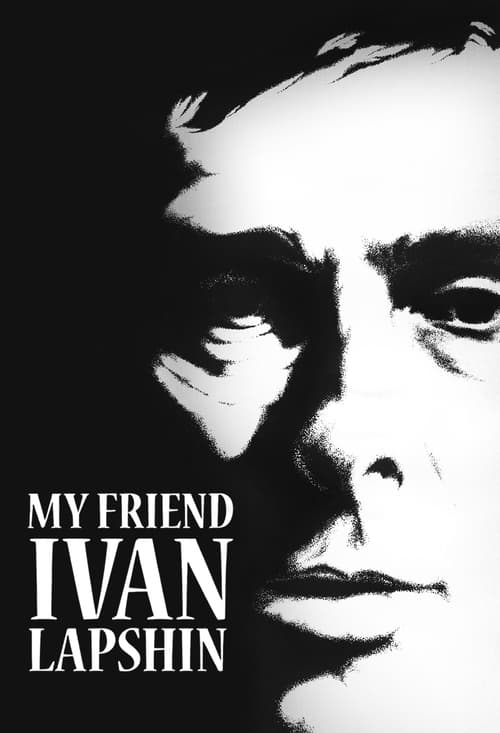
Russian provincial town in the middle of the 1930s Stalin's Great Purge. Ivan Lapshin, the head of the local police, does what he has to do. And he does it well.
My Friend Ivan Lapshin

Military doctor General Klenski is arrested in Stalin's Russia in 1953 during an anti-Semitic political campaign accused of being a participant in so-called "doctors' plot".
Khrustalyov, My Car!
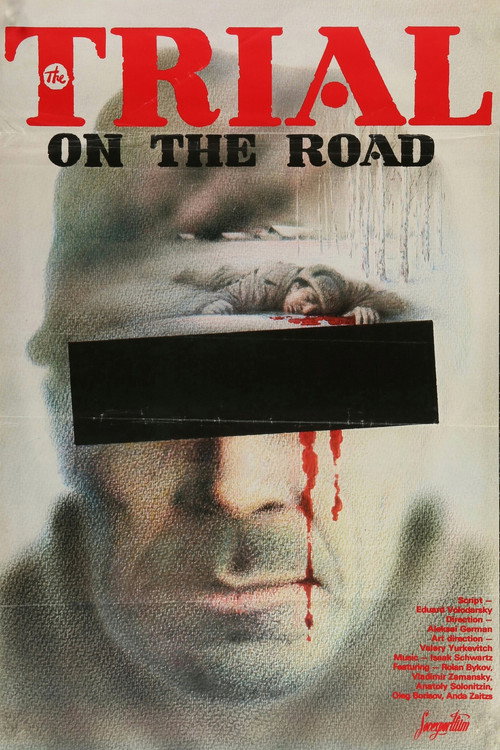
Shot in 1971 but banned until 1986, this distinctly Russian war story takes place in 1942 behind enemy lines. A regiment of partisans captures former Red Army lieutenant Lazarev who is dressed in a German uniform. He’s a Nazi defector and collaborator but now desires to switch back and fight with Russian partisans.
Trial on the Road
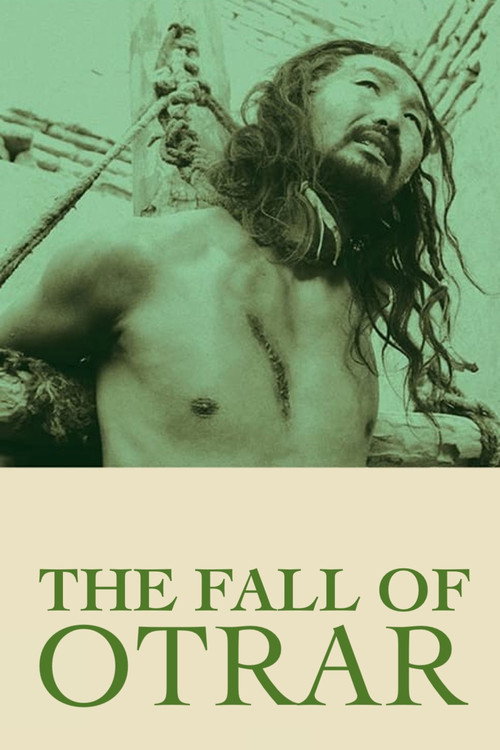
A staggering historical epic about the intrigue and turmoil of the East Asian civilization of Otrar, before its systematic destruction at the hands of Genghis Khan.
The Fall of Otrar
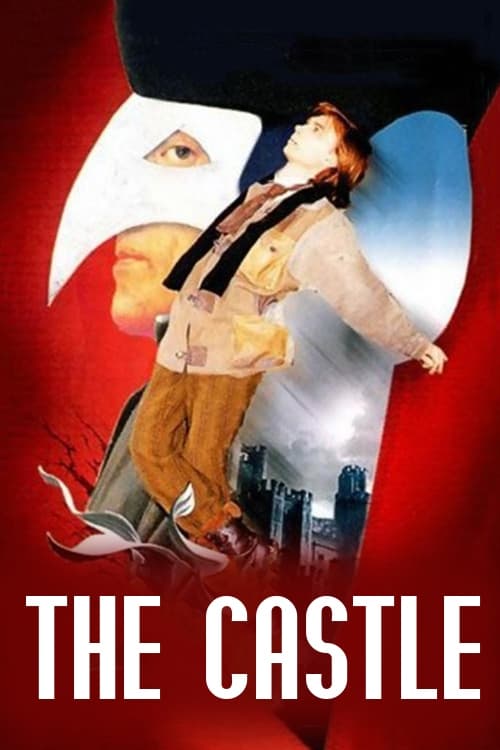
Closely based on Franz Kafka's book "Das Schloß", the movie shares the same action on a land surveyor who is called to a village to do a job that no one seems to have ordered. Once there, he takes up the struggle against bureaucracy emanating from the castle.
The Castle
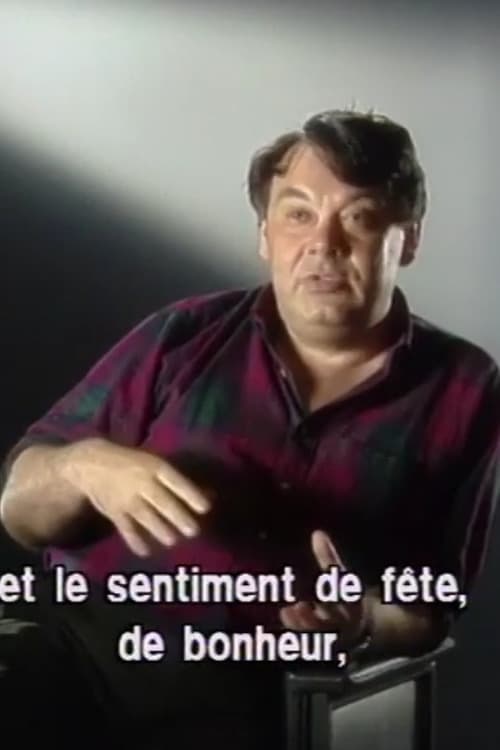
This film was broadcast on La Sept in October 1990 as a part of Hélène Mochiri's Cinéma de poche program devoted to Soviet cinema. The documentary was produced in-house at La Sept and based on an exclusive interview with Alexei Guerman in May of that year. It has not been seen since.
Alexeï Guerman, cinéaste bien interdit

Accountant Sergey Ivanovich is retiring. Finally, he will be able to devote all his free time to his family: he will help his daughter Natalya with the housework, raise his granddaughter, visit his sons who live in different cities... But it turns out that adult children do not need parental care, and Sergei Ivanovich feels uneasy at work...
Sergey Ivanovich Retires
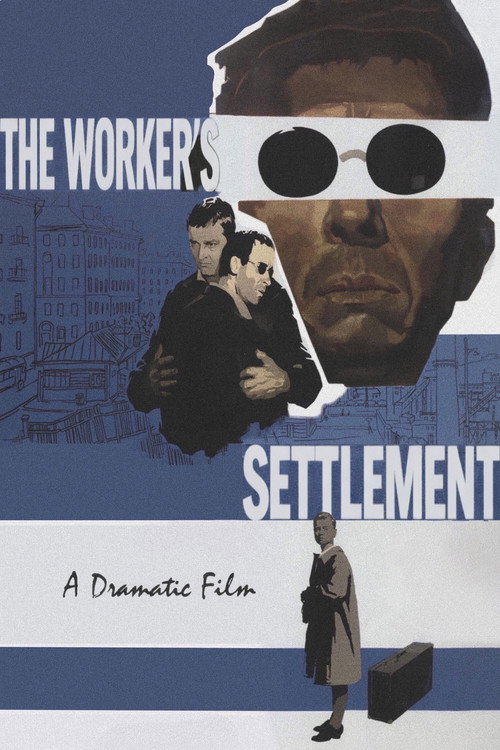
Leonid Pleshcheyev returned from the war blind. Against his will, he became a dependent. He drowns his grief in unrestrained drunkenness, thereby tormenting his wife Mariya and his teenage son Lyonka. Mariya finally decides to take her son and leave for Altai, but the boy runs away and returns to his father. So, together, they eke out a half-miserable existence until Grigoriy Shalagin, Pleshcheyev's longtime friend, returns from the army. It is he who awakens in Leonid the extinct self-esteem and pride of a soldier. Pity aside, he helps him get back to work.
The Worker's Settlement
One of the three films that comprise Arrival of a Train, a collection of shorts made to celebrate the centenary of cinema. Set at the turn of the 20th century, the film follows Trofim, a Russian peasant jealous of his wife for having an affair with his brother. Trofim kills his brother and runs away to St. Petersburg. Then Trofim steps off the train in St. Petersburg, a cameraman who happens to be shooting on the platform captures his arrival.
Trofim
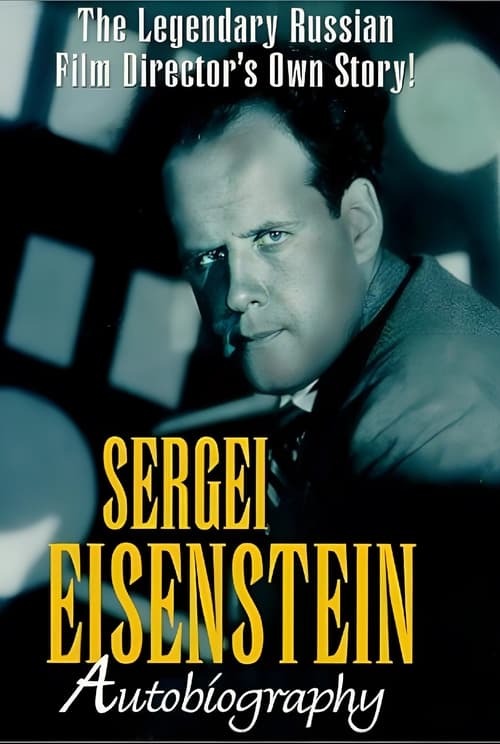
A free film adaptation of the director's memoirs. In form, this is the "stream of consciousness" that attracted Sergei Eisenstein after getting acquainted with the experiments of James Joyce. The outer outline of the film is a long foreign trip of the director, which began in 1929, during which he recalls his past life and considers creative ideas. The film is constructed as a free alternation of reality, dreams, and fantasies. The material for it is fragments from the films of Sergei Eisenstein and his fellow contemporaries, documentary footage depicting the director and his time. The wide coverage of the faces and events reflected in the film shows the special role of Sergei Eisenstein in the culture of the twentieth century…
Sergei Eisenstein: Autobiography
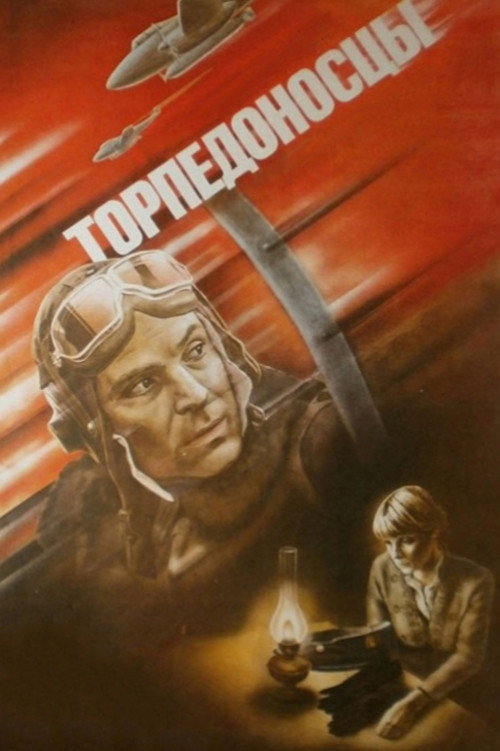
In 1944 a Soviet marine air force unit stationed near Murmansk is fighting off the German bombers attacking the British navy convoys supplying the Soviet Union with war materials under the lend-lease agreement.
Torpedo Bombers

War correspondent Lopatin takes a 20-day-leave from his hard work at the front in 1942. He travels to faraway Tashkent to meet the family of the killed soldier and visit the film set of the screen adaptation of his war-time stories. Lopatin also manages to walk the streets of Tashkent, take part in a factory workers' meeting and have a short-lived love affair. Although with no bombings and fighting, the city dwellers breathe the atmosphere of the ongoing war.
Twenty Days Without War
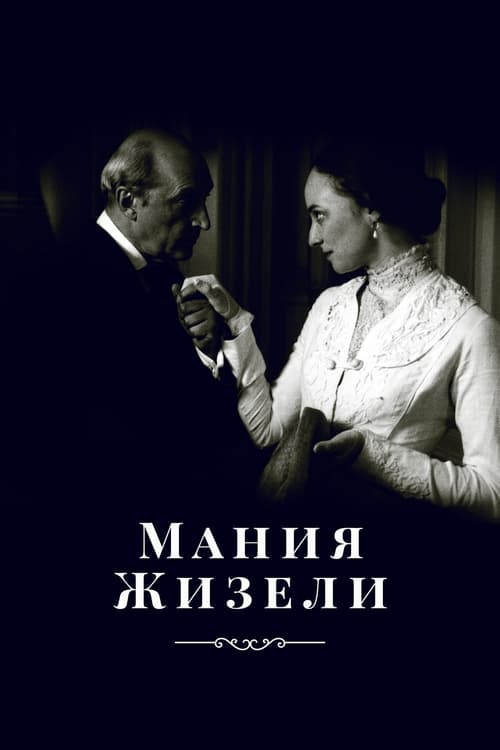
A detective-dramatic chronicle of love adventures of the famous Russian ballerina Olga Spesivtseva, nicknamed by contemporaries Red Giselle. It was Giselle who immortalized her name in 1924. It was "Giselle" that caused the psychic catastrophe in 1942.
Gisele's Mania
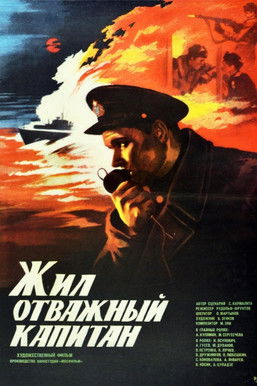
The main character, nineteen-year-old Anastasiy Chizhov, was appointed commander of the Zver patrol ship. Under his leadership, the old fishing vessel becomes a strong fighting unit.
Once Upon a Time There Was a Brave Captain
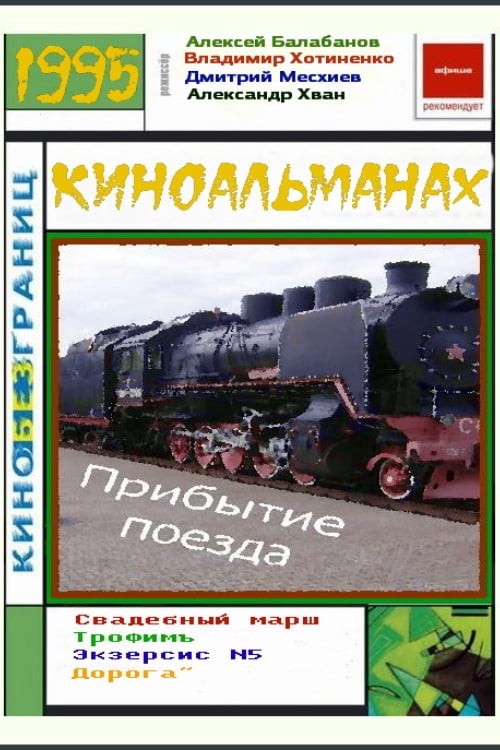
Almanac of five short stories commissioned by ROSKOMKINO to celebrate the 100th anniversary of cinema.
The Arrival of a Train
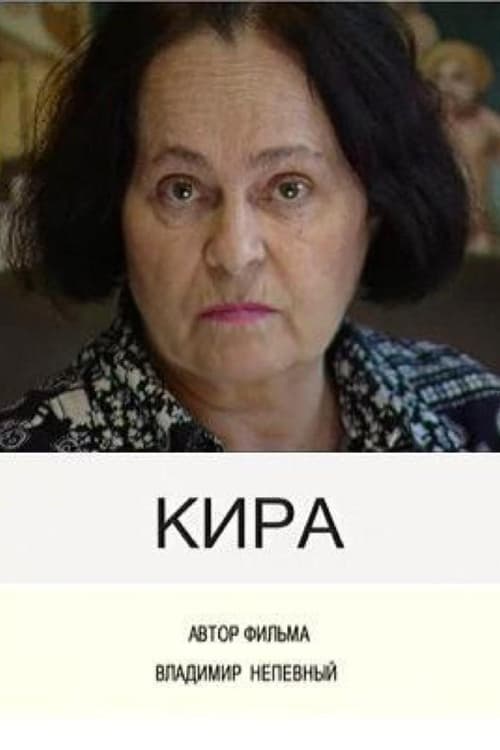
Film about the work of Ukrainian film director Kira Muratova.