Directing
A documentary of Libertarian thought during the Spanish Civil War of 1936. It is told in three parts.
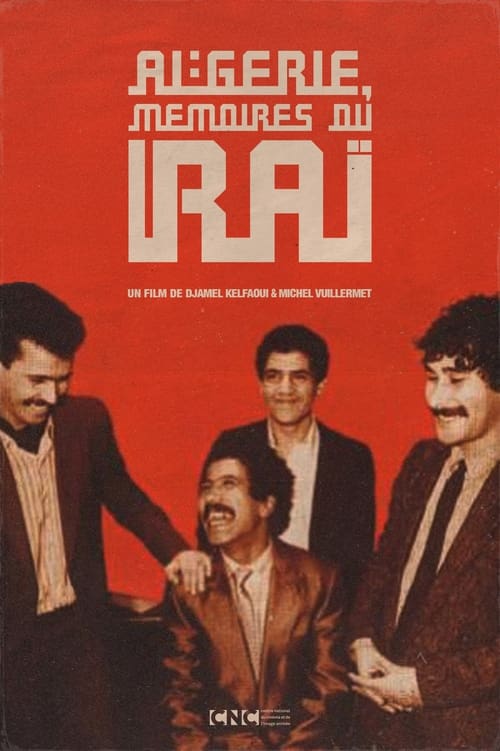
In the 1980s, Algeria experienced a tumultuous social context which reached its peak during the riots of October 88. This wave of protest, with youth as its figurehead, echoed the texts of raï singers. Thirst for freedom, misery of life and the aspirations of youth are among the main themes of their works which will inspire an entire generation. More than music, raï celebrates the Arabic language and becomes a vector of Algerian culture, thus providing the cultural weapons of emerging Algerian nationalism With Cheb Khaled, Cheb Mami and Chaba Fadela as leaders of the movement, raï is also a way of telling and reflecting the essence of Algeria in these difficult times. While the threat weighs on artists in Algeria, their exile allows raï to be exported internationally and thus, to bring the colors of Algeria to life throughout the world.
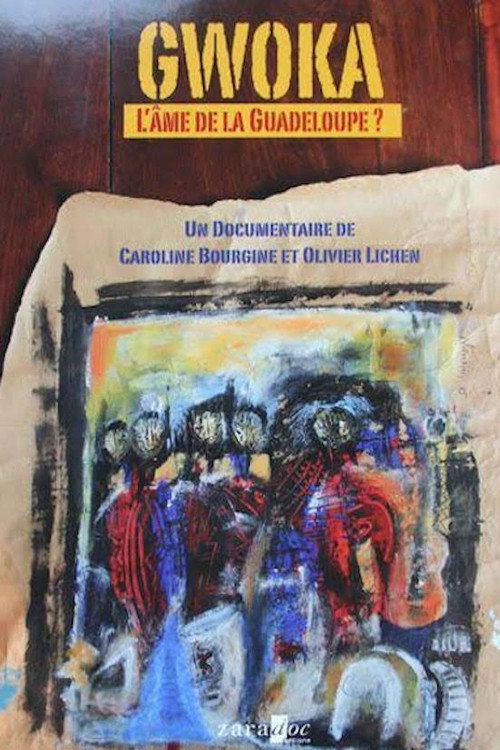
Gwoka drums have resonated in Guadeloupe since the arrival of the first enslaved people. Rooted in the island's rural history and long marginalized, this tradition—encompassing vocals, music, and dance—symbolizes the local population's reclamation of its profound identity. For the first time, a documentary film captures the social and historical dynamics of Gwoka; moving from one "léwoz" gathering to the next and through various encounters, it reveals the art form's power and richness.
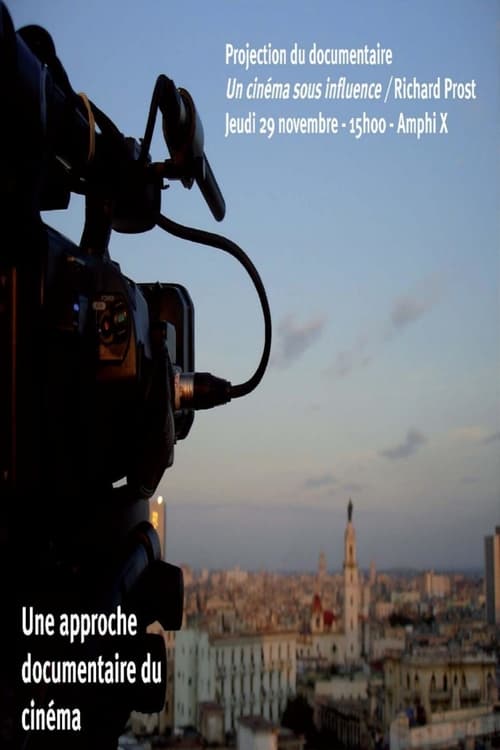
We had to wait until the Spanish “Movida” of the 1980s to see films that did not emanate from Francoist propaganda. But Spain had already experienced a period of cinematic splendor, during the civil war, when the film studios were under the control of the Republicans. By describing the "competition" between Republican and Francoist cinemas of the time, Richard Prost provides a unique vision of the Spanish Civil War.
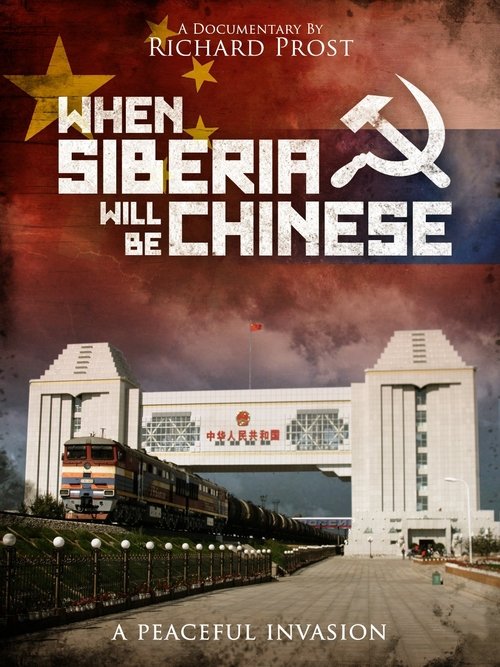
Initially belonging to China, Eastern Siberia became Russian after the defeat of the Middle Kingdom by Nicolas I, in the nineteenth century. Today, as Russia has moved to annex the Crimea will China do the same with Siberia? Some 7 million Russian and 148 million Chinese are living along this border and little by little, the Chinese are crossing over the Amur River to settle on the Russian side. The makings of a peaceful invasion that worries Russian diplomacy.
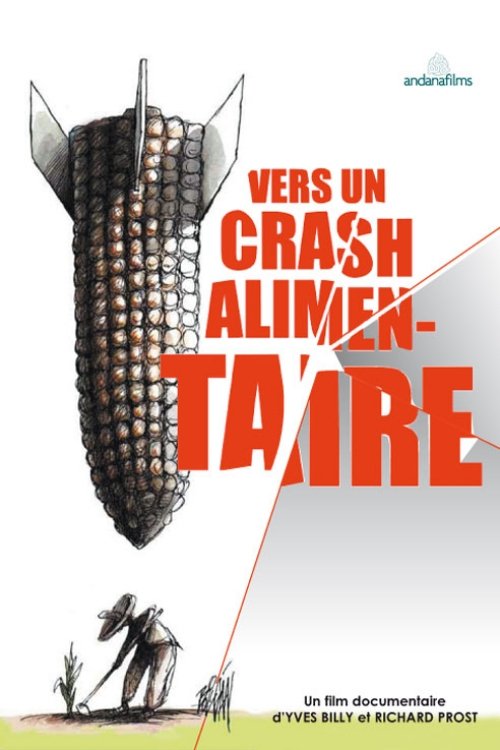
The recent surge in agricultural prices was a wake-up call: never before has the world faced a food crisis on such a scale. But the difficulties have only just begun. Today, 925 million people on the planet suffer from hunger, and their numbers are growing ever faster. In addition to rising commodity prices, the scarcity of water and arable land, and the ravages caused by climate disruption, two recent phenomena have come to the fore: at the very moment when China's demand for cereals accelerated sharply, biofuels began to redraw the map of world agriculture. As for agricultural productivism, which has exhausted the soil and polluted the environment, it has reached its limits...
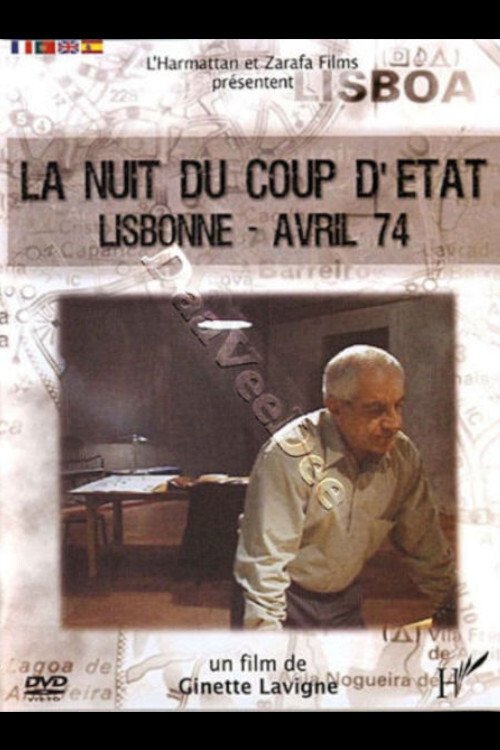
The operational commander of the "Captains Movement", describes and recreates a quarter of century later the crucial 24 hours of April 25, 1974, that would topple the Portuguese government and start a democratic regime in Portugal - since another military coup, May 28, 1926, installed a one-party dictatorship there. The scenes in the claustrophobic operation room are recreated, with him alone and a few voices.