Acting
No description available.
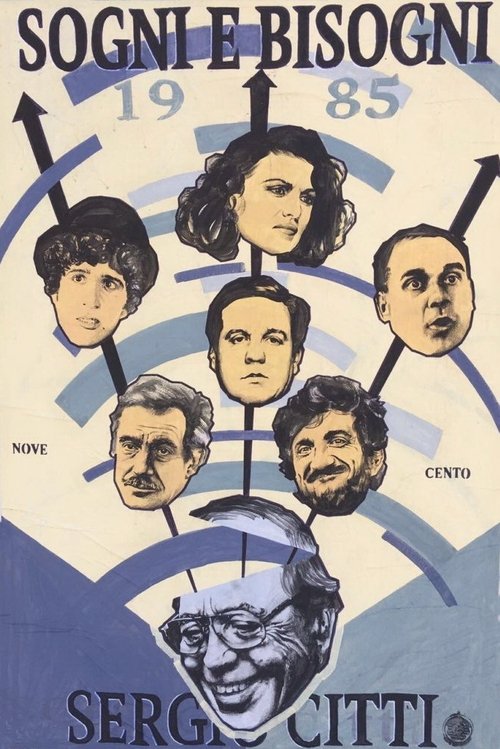
A TV series composed of eleven episodes and a conclusion, it aired in six one-hour programs starting on October 6, 1985. Lasting about half an hour each, the episodes are separated by intermissions starring three characters: Good, Evil, and Destiny. LA MORTE PORTA CONSIGLIO: At her father's deathbed, a daughter asks the man to tell her the winning Lotto numbers once he makes it to the after-life. But the man is offended by the modest funeral he receives and has fun playing pranks on his daughter. IL FATTACCIO: a doorman is paid to show an apartment in which something gruesome happened. Determined to keep the extra work, he invents increasingly grisly stories to keep interested buyers away. LADRI: two thieves in a working-class neighborhood have tragicomic adventures. L’IMBIANCONE: a very shy man enters a shoe store to buy a pair of shoes and seduce the female shop owner.
The charismatic Snaporaz encounters an alluring woman on a train and pursues her through a forest. He ends up at a hotel populated by women gathered for a feminist conference, where he is an unwanted presence. Snaporaz soon discovers he’s entered a phantasmagoric world where women have taken power.
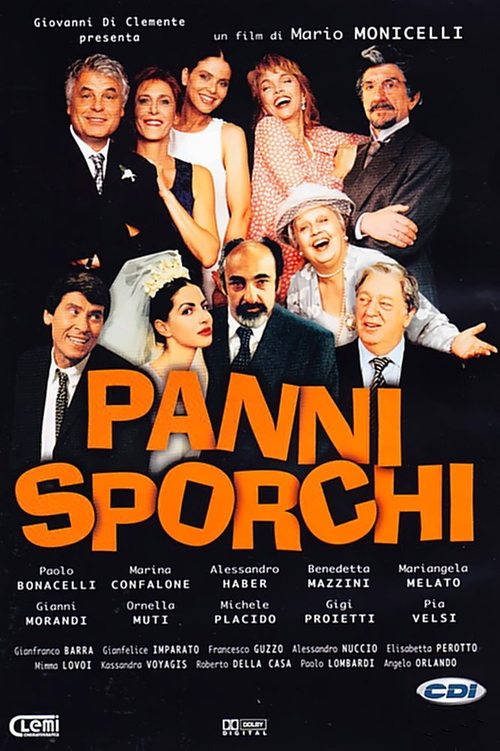
The Razzi family owns a small factory of sweets in Macerata. Their desire to enlarge their business to cope with the new Unified European Market brings to a string of fatal mistakes that will ultimately doom their wealth.
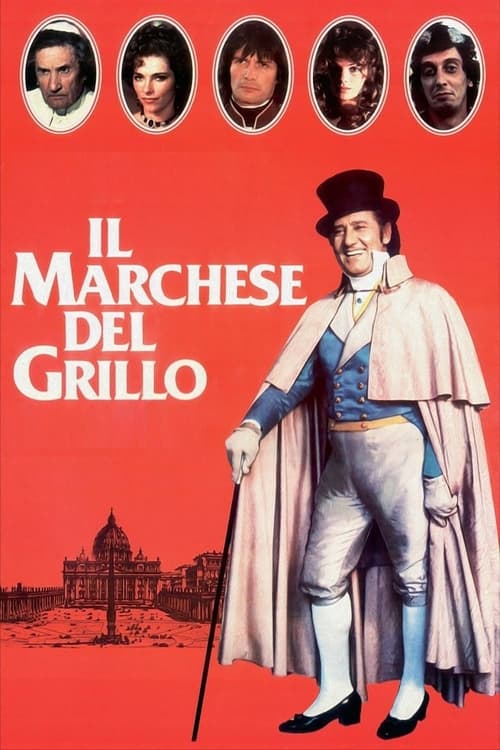
In 18th-century Rome, impish aristocrat Onofrio del Grillo amuses himself by playing pranks on all sorts of people — his reactionary family and fellow nobles, the poors, the French occupiers trying to modernize society, and even the Pope himself.
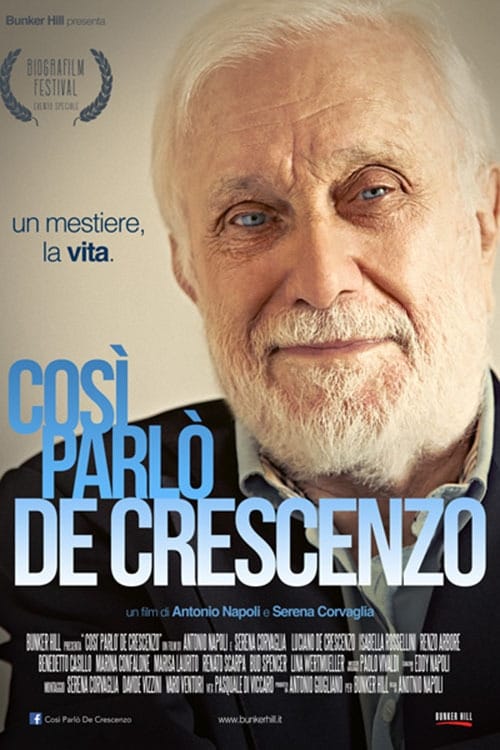
Tracing the journey of a free thinker, engineer, writer, scriptwriter, actor and director through his life and work, Così Parlo De Crescenzo harnesses the energy of a man determined to transform the lives and culture of those around him. Born in Naples, Luciano De Crescenzo graduated in engineering and worked as a programmer for IBM until 1976, when he escaped the routine of his 'corporate prison' and published his first book.
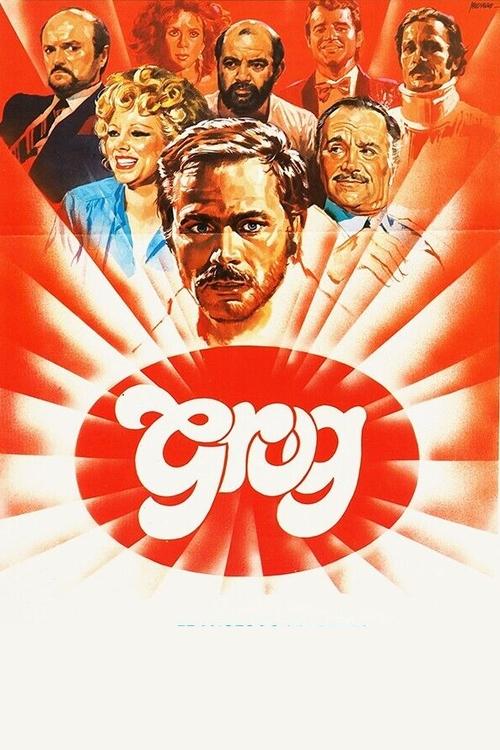
Italian comedy in two episodes starring a house painter who emigrated to Switzerland who pretends to be a millionaire and an employee on holiday in Kenya, the victim of catastrophic misadventures.
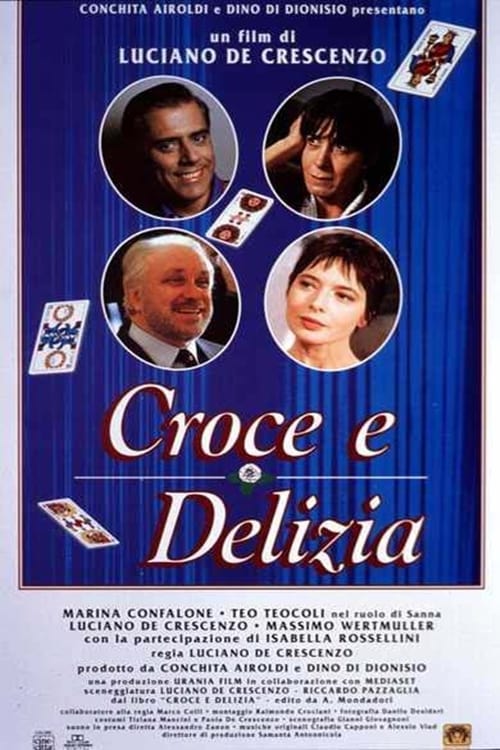
After a 22 years marriage, a couple shows the signs of a crisis. She thinks he has a lover, and it actually seems so, but does the other woman really exist?
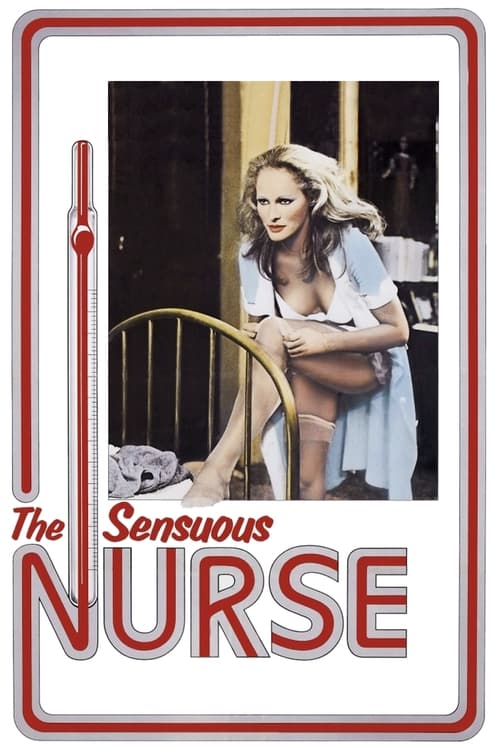
Greedy relatives hire a sensual caregiver to hasten the demise of a wealthy count suffering from a heart condition.
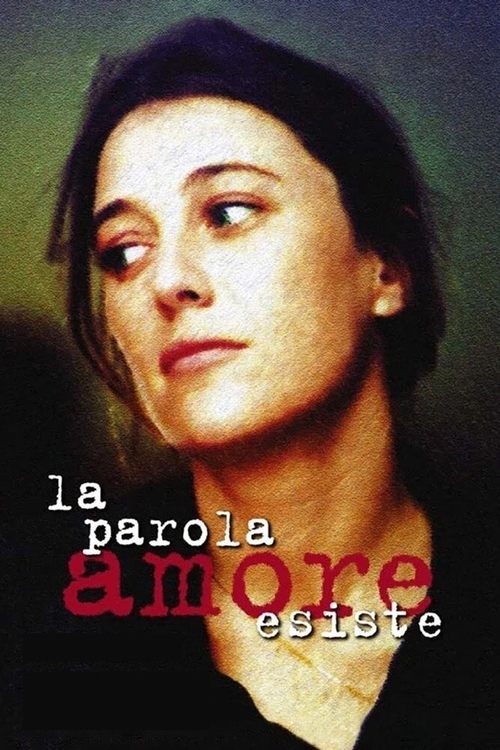
A woman suffering from compulsive-type psychological problems falls for an older divorced neighbour. Will her love be returned? A slow story of confusion and loneliness.
An Italian troupe is busy in Paris filming an adaptation of La Traviata. The dressmaker Rosa, in love with the lead actor, identifies herself with Violetta: thanks to a bad joke and a fake séance, Rosa begins to believe she is her reincarnation. From that moment on, she tries to discover everything she can about her previous life, which slowly becomes closer and closer to her real one.
Two convicts escape from prison and evade the law by taking hostage the middle-class family of a doctor. One of the jailbirds calls the local television station, requesting that they broadcast his demand for a plane so they can escape the country. The television director and his crew show up to film the hostage crisis, and then things get progressively more bizarre and satirical. Not content with the living drama, he directs everyone's actions to make the event more newsworthy.
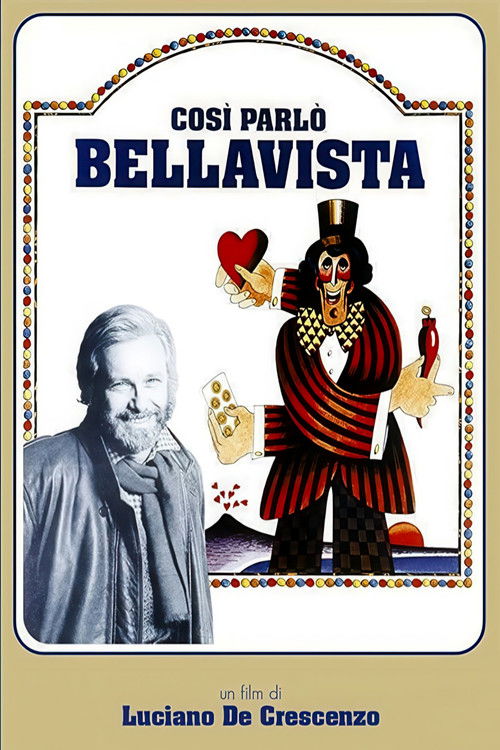
In Naples, Professor Bellavista is a retired man, passionate about the philosophy and thought of Ancient Greece. Every day, in his luxurious apartment, he teaches his lessons of life to the poor-nothing (his friends), who are dazzled by his reasoning. One day, however, the quiet life of the building of Bellavista will be disturbed by the arrival of a director of Milan. Between Naples and Milan there contrast, because the Neapolitans are accustomed to enjoy a quiet life, always based on the "philosophy of pleasure and delay", while the northern Italians are very strict and punctual.
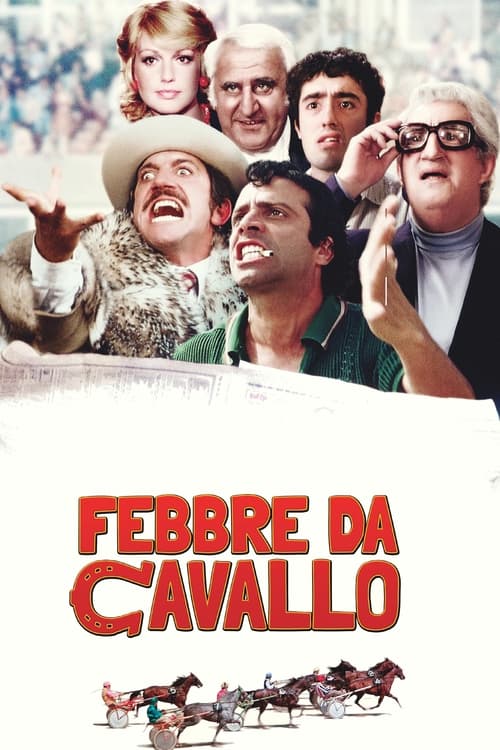
Bruno Fioretti, known as "Mandrake", is an inveterate gambler who never misses a day at the horse racing track in Rome. He is doubly unlucky: he bets too much on one horse, and his wife is sleeping with his best friend because Mandrake is always at the track. Penniless and cuckolded, Mandrake decides to make one last bet.
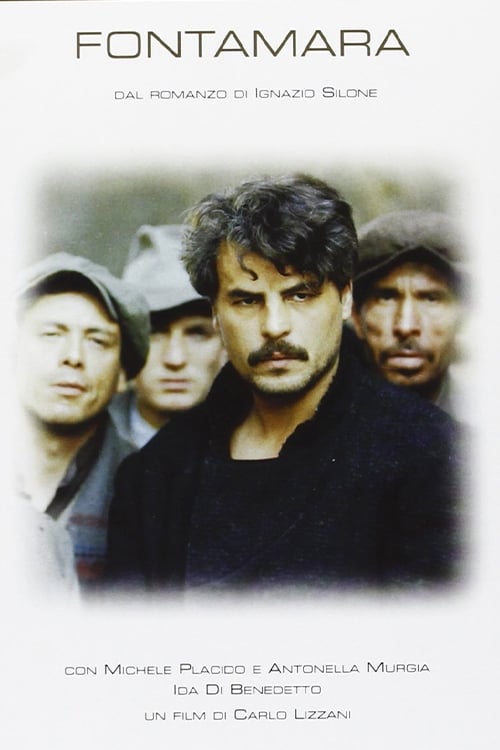
Fontamara is a village in the Marsica, forgotten by all but God and its inhabitants are called 'cafoni' (boors). Berardo Viola wants to marry Elvira but only after gaining enough money to buy some land and in order to reach his aim he has the idea of going to a great city. When Maria Grazia is raped by the fascists, Berardo and Antonio decide to leave Fontamara and go to Rome. Here they are swindled by a lawyer and afterwards they are invited by an antifascist to a restaurant where they are arrested by the police because of some subversive papers they had.
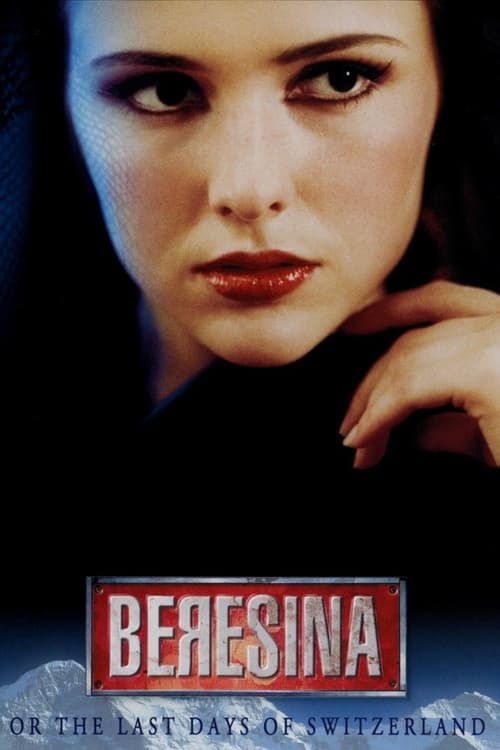
A naive girl's love for Switzerland is put to the test in this satiric comedy. Irina is a woman from Russia who all her life has always been fascinated by Switzerland and longs to live there some day, though her notion of Swiss life has more to do with Heidi and old movies set in the Alps than reality.
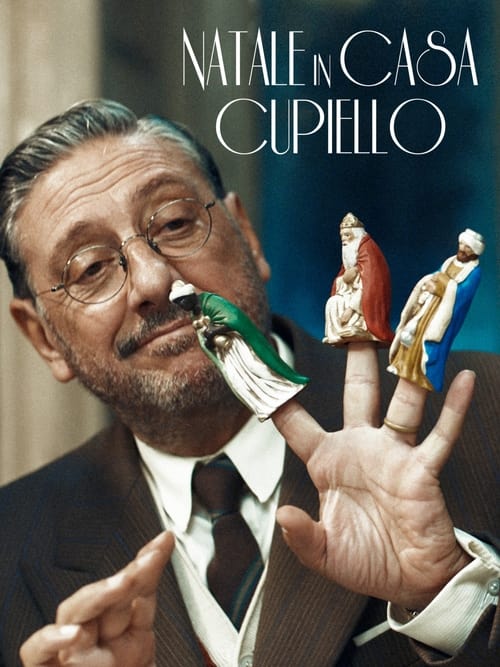
Based on the tragicomedy written by Edoardo de Filippo in 1931, Christmas at the Cupiello's captures a life episode of a middle-class Italian family around Christmas. Shot in Neapolitan language, the movie has a whimsical charm.