Camera
Tatort is a long-running German/Austrian/Swiss crime television series set in various parts of these countries. The show is broadcast on the channels of ARD in Germany, ORF in Austria and SF1 in Switzerland.
No description available.
Stach is a wayward teen living in squalor on the outskirts of Nazi-occupied Warsaw. Guided by an avuncular Communist organizer, he is introduced to the underground resistance—and to the beautiful Dorota. Soon he is engaged in dangerous efforts to fight oppression and indignity, maturing as he assumes responsibility for others’ lives.
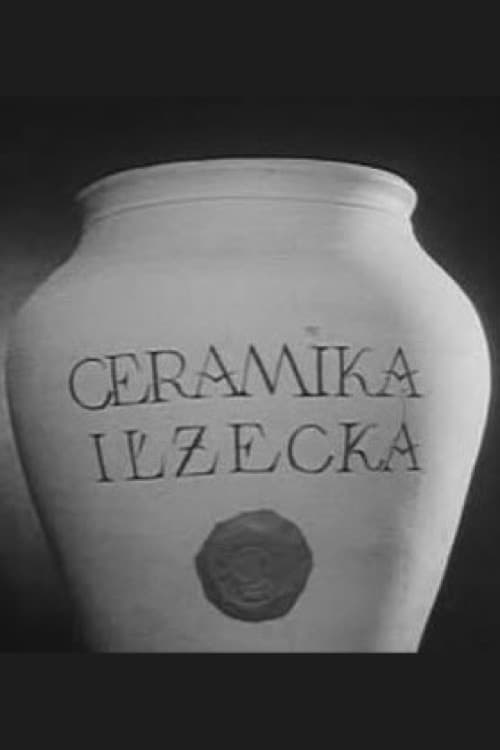
Andrzej Wajda's first movie looks at the pottery in the town of Iłża, Poland. Much of it shows the actual process of creating all the objects out of clay.
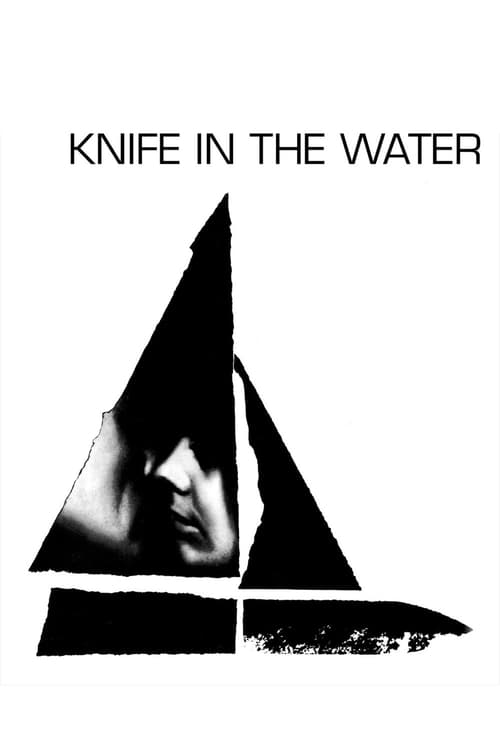
On their way to an afternoon on the lake, husband and wife Andrzej and Krystyna nearly run over a young hitchhiker. Inviting the young man onto the boat with them, Andrzej begins to subtly torment him; the hitchhiker responds by making overtures toward Krystyna. When the hitchhiker is accidentally knocked overboard, the husband's panic results in unexpected consequences.
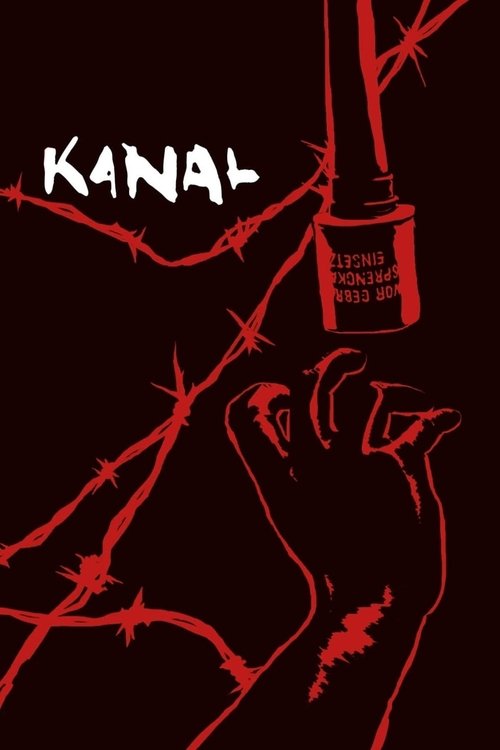
In the last few days of the Warsaw Uprising during World War II, a modest group of Resistance members remains. The band must take refuge in the sewers under the orders of leader Zadra, but it's only a matter of time before they will have to emerge. However, when they try, they are met only with intense hostility from the Nazis. Despite their attempts stay resolute through immense mental strain, it becomes increasingly apparent that they may be doomed.
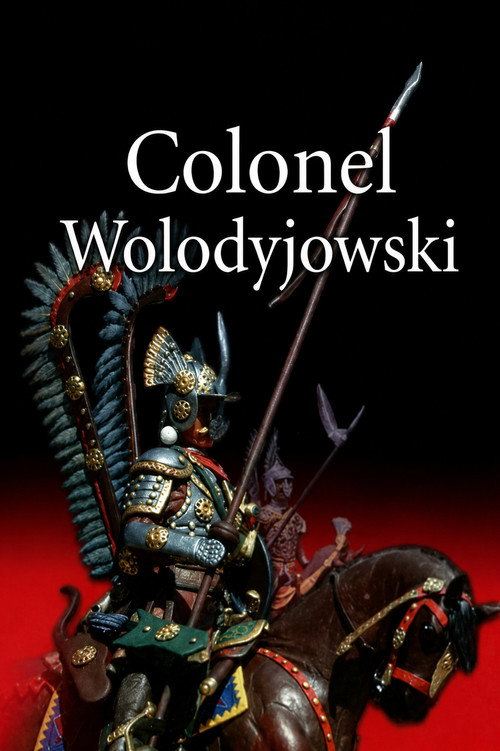
In 1668 Polish colonel Michał Wołodyjowski, who recently retired to a monastery, is recalled to active duty and takes charge of Poland's eastern frontier defenses against invading Tatar hordes and Ottoman armies.
This two-part drama examines the fate of the generation of Austrians which came of age after World War II. The first part, "Arcadia," depicts the generational gap between 1950s teenagers and their parents, while the second part, "Injuries," shows this same group of characters twenty years later as they have grown up to become dysfunctional and suicidal adults. Regarded as the most significant of Michael Haneke’s early works, "Lemmings" contains incipient treatments of many of the themes he would later elaborate on in his theatrical features.
In 1939, Charlotte Salomon leaves Berlin to seek refuge at her grandparents' villa in the south of France. A little later, war breaks out, and Charlotte must, besides forgetting all she left behind, deal with her grandmother's depression, and her mother's suicide. To fight despair, Charlotte starts to paint, producing over one thousand images. "Is my life real, or is it theater?" This is the title she gives her body of work, which highlights her former life in Berlin. She finds herself though her art, but in 1943 is deported to Germany and Auschwitz.
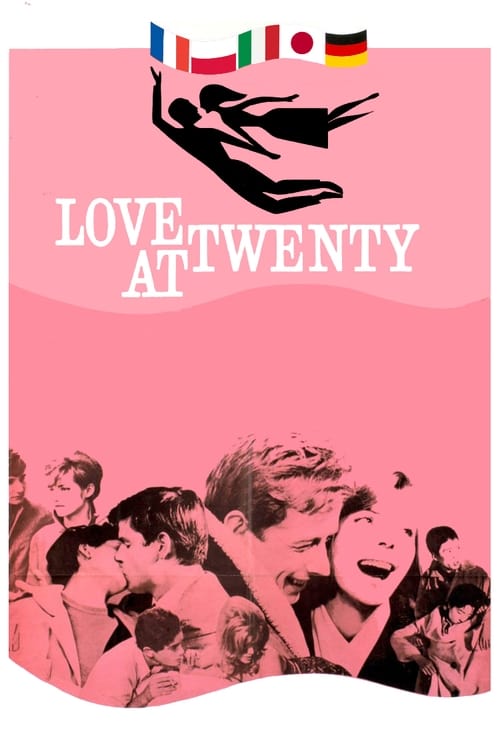
Love at Twenty unites five directors from five different countries to present their different perspectives on what love really is at the age of 20. The episodes are united with the score of Georges Delerue and still photos of Henri Cartier-Bresson.
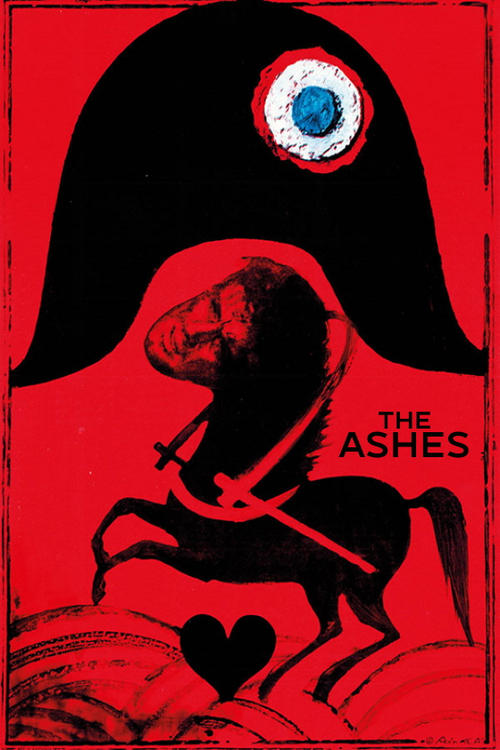
Set in the time of Napoleon wars, shows how the wars swept over the unfortunate Polish country at the beginning of the XIX-th century. Story revolves around the Polish legion under command of General Dabrowski, who then fought on Napoleon's side with the hopes of Poland's revival.
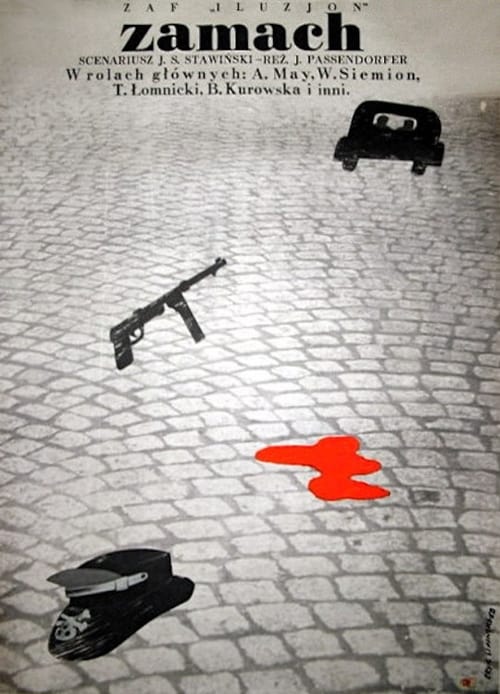
Set in the occupied Warsaw, the film tells the story of the mission carried out by the student underground resistance group to execute the hated SS General Franz Kutchera.
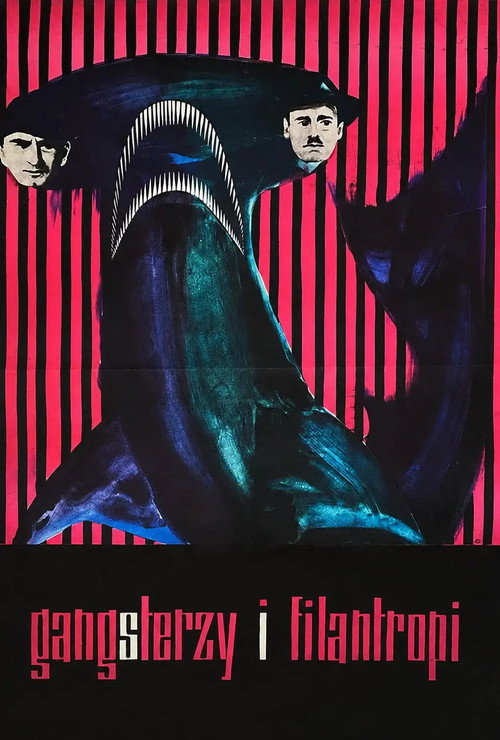
The movie consists of two satirical novels based on the same idea: both the "gangsters" and "philanthropists" end up in the courtroom.
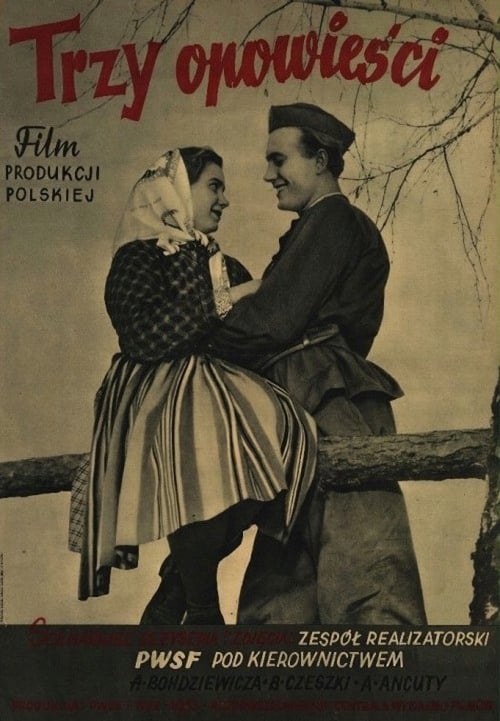
The short stories showing the troubles of youth serving in the "Służba Polsce" organisation.
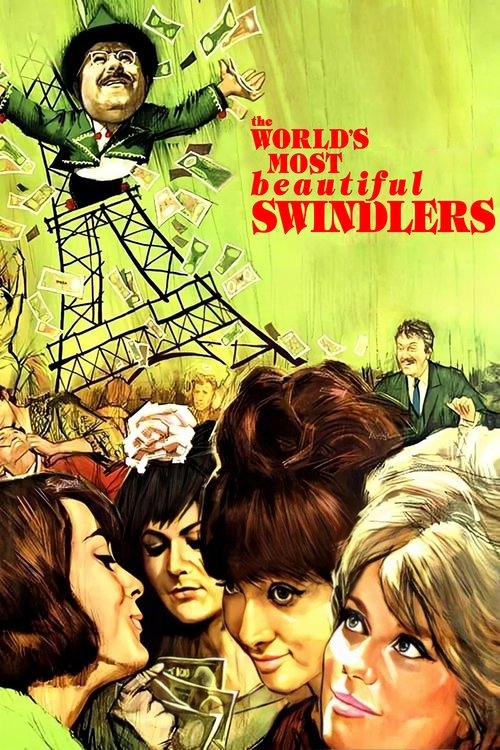
Five swindle stories, taking place in five international cities: Tokyo, Japan ("Fumiko's Five Benefactors" by Hiromichi Horikawa); Amsterdam, The Netherlands ("A River of Diamonds" by Roman Polanski); Naples, Italy ("The Road Map" by Ugo Gregoretti); Paris, France ("The Man Who Sold the Eiffel Tower" by Claude Chabrol); and Marrakesh, Morocco ("The Confidence Man" by Jean-Luc Godard). Godard's segment was not included in the original French cinema release, and Polanski's segment was not included on the 2016 home disc release.
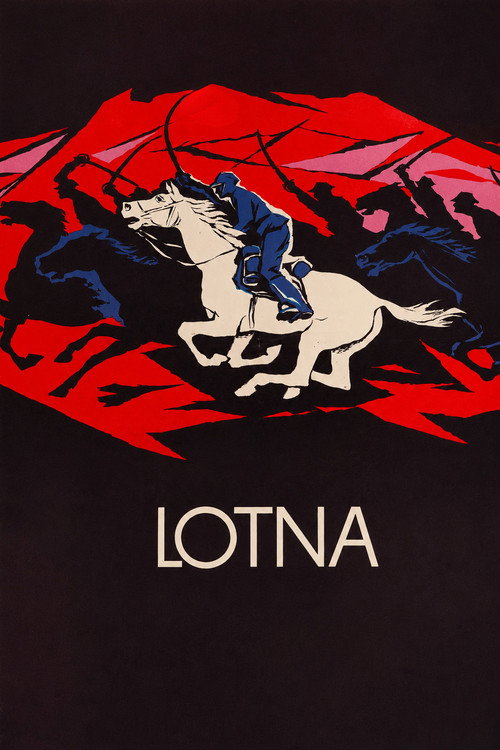
Set in the beginning of World War II, when the Polish cavalry still fought with lances against German troops, the movie is about a white thoroughbred horse that passed through various hands in a military outfit.
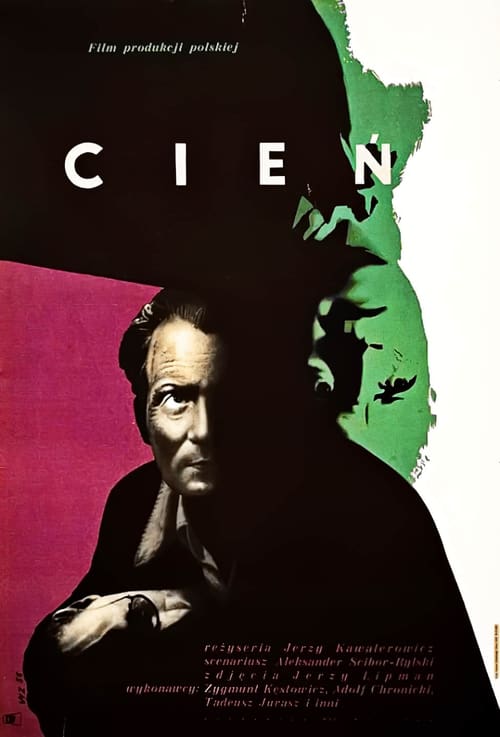
A man has been found dead after having been hurled from a train. As security agents, police and a medical examiner piece together his identity, three accounts emerge: one set during World War II, one in the immediate aftermath of the war, and one in contemporary Poland.
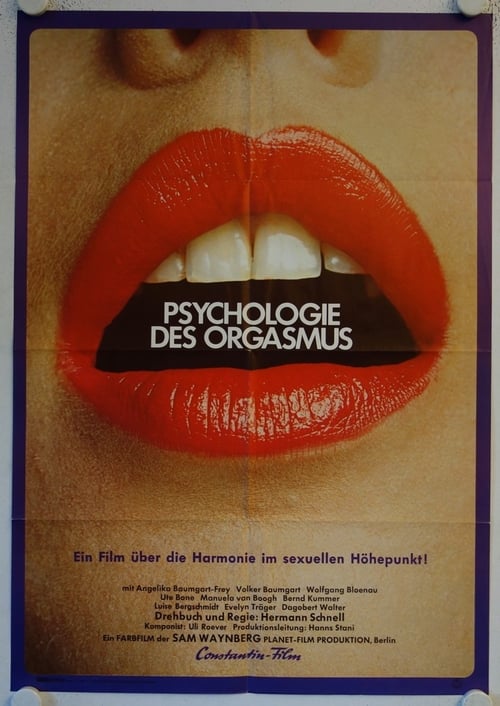
Docu-fiction about young people talking about their sex life.
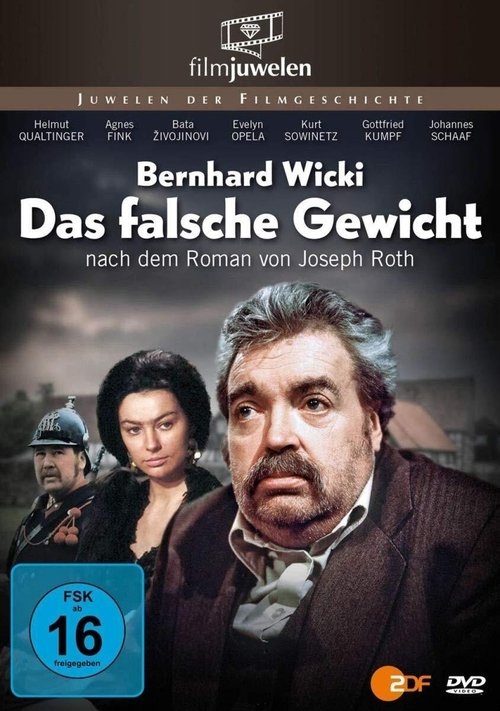
Tells of the tribulations of a middle-aged official of the Austro-Hungarian Bureau of Weights and Measures in fighting the local shopkeepers and traders whose weights are frequently light.
Toward the end of World War II, Kurt Marenke, a farm boy, is separated from his family while fleeing East Prussia. It is not until two years later that he is reunited with his mother and his sister Ella in the small village of Kudenow in Schleswig-Holstein. Their father is dead, and their brother Bruno is missing in Russia. The Marenkes live in the chicken coop of the large-scale farmer Fiete Kock. Other refugees live crammed together in the barn.