Sabina Hánová
Acting
Known For
No description available.
Bylo nás šest
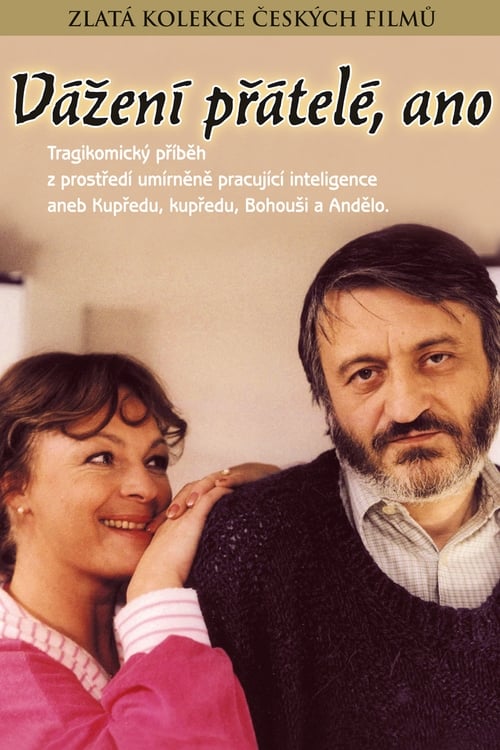
During the change of functions in the Fortuna medical ceramics company, Bohouš Fisher, an independent clerk, became deputy director of the company against his will. As a result, he is forced to make even greater compromises than before. He takes part in unnecessary meetings for which he has to raise money from company funds because of his position, or he jocularly solves a "work" accident of two employees who were engaged in love games instead of work. It's not much better in his private life. He would like to do some meaningful work, like building a stove.
Vážení přátelé, ano
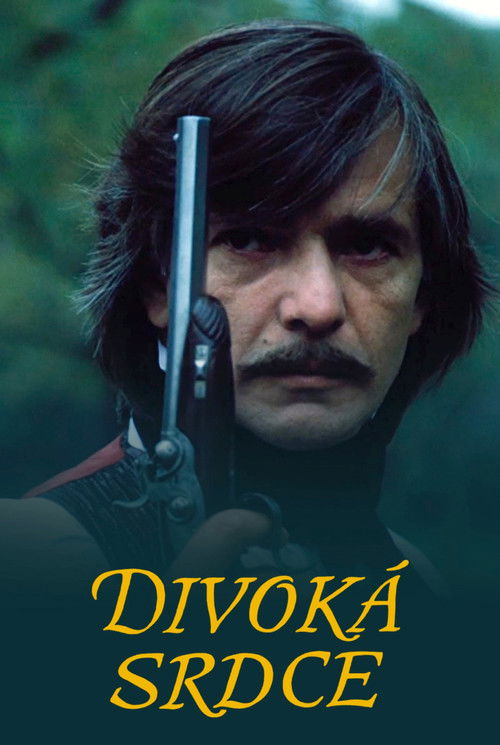
The common theme of the short story film is the famous duels between two important historical figures: Pushkin and Casanova. Pushkin's tragic duel, which ended his life prematurely, is portrayed in connection with the creation of his short story "The Dirty Shot", while Casanova's story is conceived in a rather ironic and humorous way. The point is that the famous seducer never actually seduced, on the contrary, all his life he was in a constant battle with female seductions.
Divoká srdce
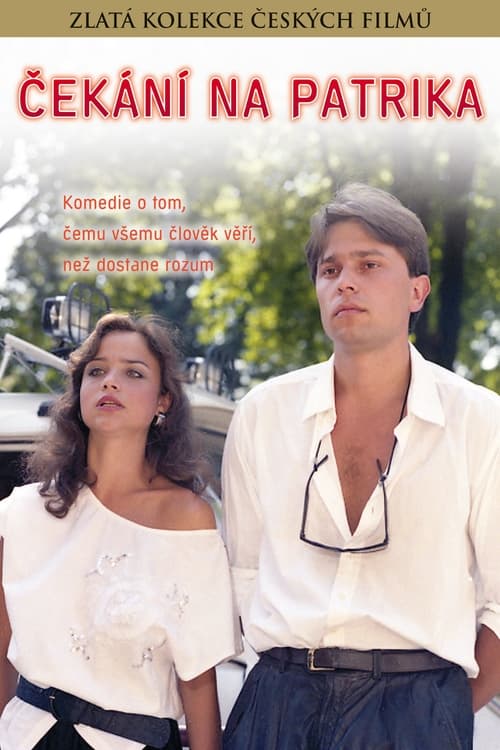
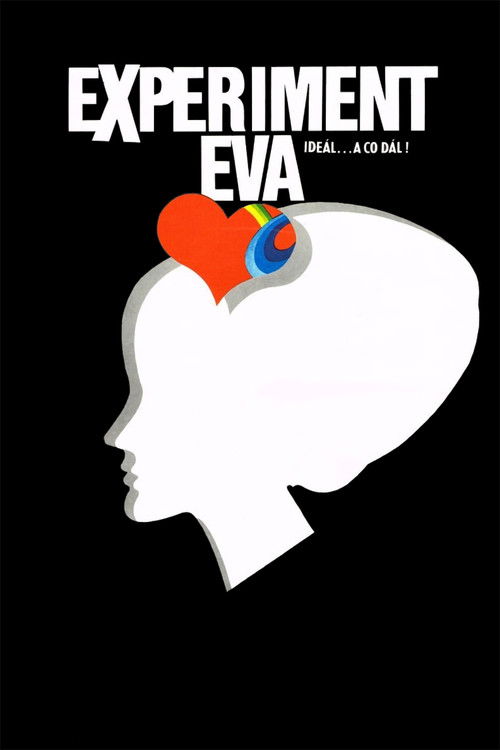
Helenka, a textile industrial student, invents an ideal man who is the envy of all her friends. The dreamy and delusional Helenka resists her complexes with an imaginary lover, her more realistic friend Zuzka would also prefer the dreamy Patrik, but in the end she will probably be happy with the less ideal Honza, and the self-confident vulgar nymphomaniac Sylva flies from one lover to another like a butterfly, finally as she was the only one waiting for her dream Patrick.
Waiting For Patrick
No description available.
Setkání
The hero of the story is a forty-something intellectual, a sensitive composer of classical music. His exclusive profession, his work, which is actually incomprehensible to those around him, and his deep inner passion set him apart from the conformist milieu. Therefore, he tries to search for the "lark's silence" - a new strength, purity, truth, essence and roots of Czechism. However, on his return from the oppressive, alienated big city to his native village, to his former home, to nature, a deep disillusionment awaits him: he discovers that the once idyllic village has lost not only its face, but also any manifestation of spiritual life in its foolish attempt to resemble the city.
Skřivánčí ticho
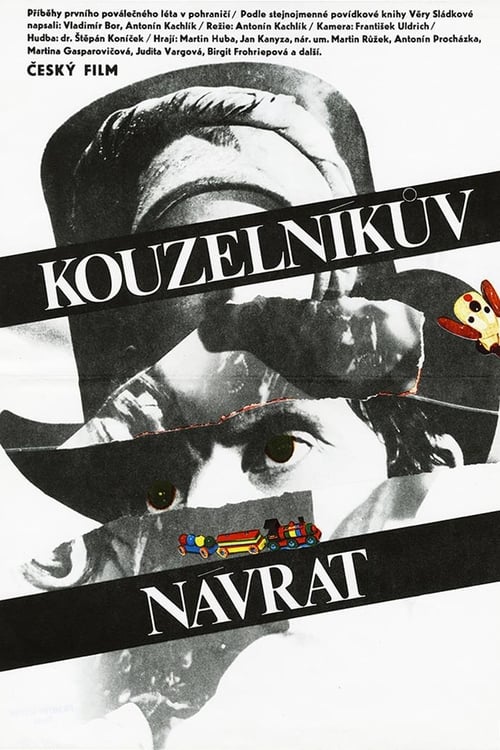
Although the title would suggest it, this film has nothing to do with fairy tales at all: it takes place in the North Moravian border region just after the end of the Second War. It presents a fragmented mosaic of the fates of many people, returnees and immigrants, who tried to start a new life and believed in a happier tomorrow. Although the director Antonín Kachlík tried to give the story a certain credibility, he submits to the ideological demands of the 1980s. North Moravian borderlands in the first post-war year: a disparate and fragmented sequence of episodes depicts the individual fates of returnees and new immigrants. Another title that perhaps did not even need to be created.
Kouzelníkův návrat
In the mid-eighties, screenwriter and director Jaroslav Balík tried to give voice to the problems of an ambitious young woman who decides to get back to work after a few years spent on maternity leave. NFA.CZ