Joseph Volpe
Production
Known For
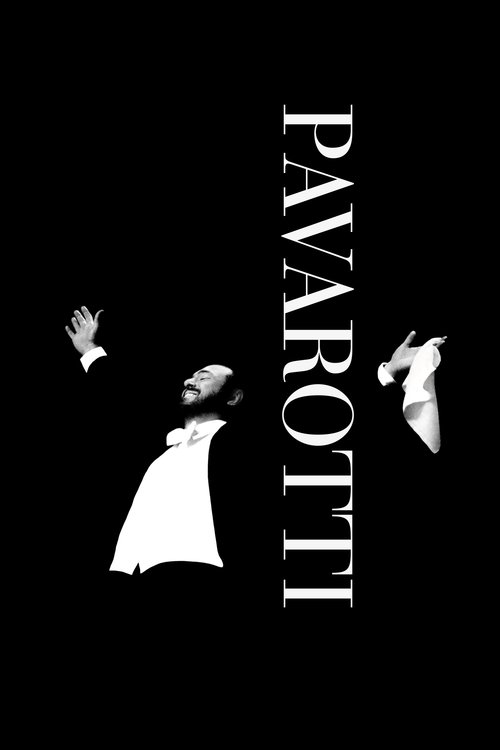
Featuring never-before-seen footage, concert performances and intimate interviews, filmmaker Ron Howard examines the life and career of famed opera tenor Luciano Pavarotti.
Pavarotti
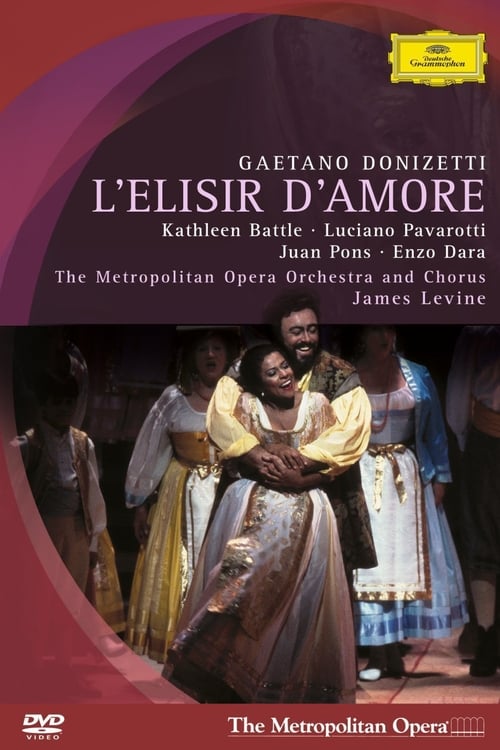
John Copley’s colorful production, with designs by Beni Montresor, was created around the beloved superstar Luciano Pavarotti. As the simple, good-hearted Nemorino, he enchanted audiences with his larger-than-life personality as well as his golden voice. Enzo Dara as the quack Dr. Dulcamara provides the elixir of the title that helps Nemorino win the heart of Adina, the girl of his dreams, sung with youthful energy by Kathleen Battle.
L'Elisir d'Amore
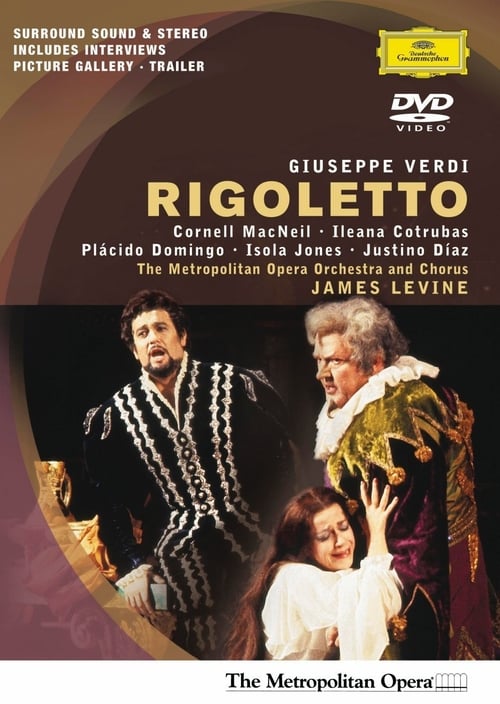
A Victor Hugo play, haunting and scandalous, provided the inspiration for Verdi’s mid-career masterpiece. A vengeful but misguided court jester strives to save his daughter from a duke’s licentious clutches, but can't part with the feeling that a curse looms over all of his actions. In Rigoletto, the composer introduces several of his most iconic arias and duets—as well as an 11th-hour quartet that counts among the finest moments in opera.
Rigoletto
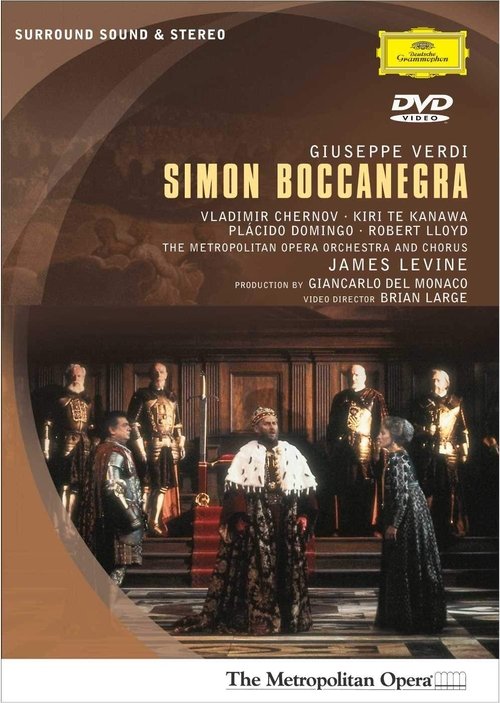
This evocative production by Giancarlo Del Monaco sumptuously captures the look and feel of 14th century Genoa and is a perfect compliment to Verdi’s setting of this story of searing conflict between public duty and private grief. Plácido Domingo is Gabriele Adorno, sworn enemy of the doge of Genoa, Simon Boccanegra (Vladimir Chernov). Gabriele is in love with the beautiful Amelia (Kiri Te Kanawa at her most affecting) who turns out to be none other than the long-lost daughter the doge. James Levine’s authoritative conducting of the Met orchestra and chorus reveals the dark power of Verdi’s score. Performed January 26th, 1995.
Giuseppe Verdi: Simon Boccanegra
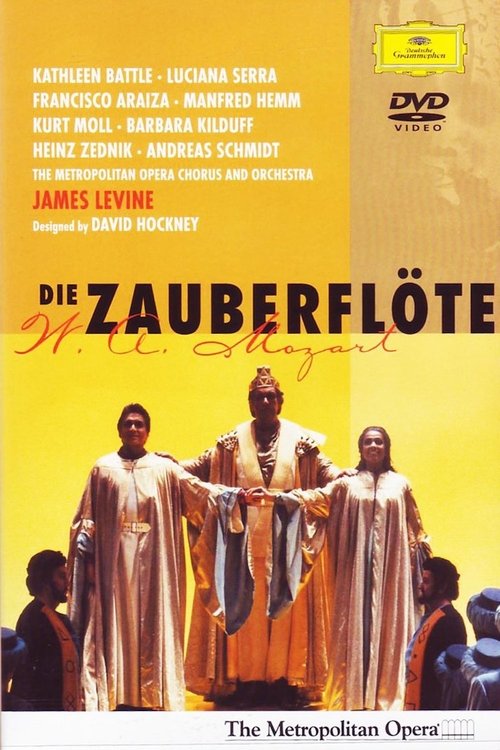
Mozart’s allegorical fairy tale has charmed audiences and inspired artists, for more than 200 years. A few weeks before this telecast, the Met unveiled a new production of the opera featuring the colorful designs of acclaimed artist David Hockney. His bold colors and vivid images enchanted audiences and seemed to inspire the striking cast, led by James Levine’s affectionate conducting. Francisco Araiza is the young prince Tamino, who finds himself in a strange land, forced to undergo mysterious tests so he can rescue, then marry, the woman he loves, Pamina, played by Kathleen Battle. Kurt Moll is the compassionate Sarastro and Luciana Serra is the Queen of the Night.
The Metropolitan Opera: The Magic Flute
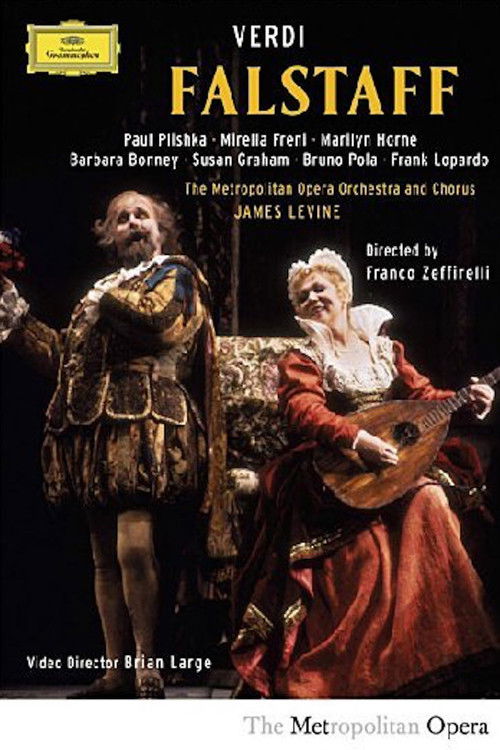
It is to composer and librettist Arrigo Boito and his constant pestering of the octogenarian Verdi that there remained within him one last great comedy fighting to get out that we owe this absolute miracle of an opera. Produced in 1893 as Verdi turned 80 there is much in this masterpiece that can be identified as a modernist neoclassical work. The use of short motifs instead of long arioso melodic lines, the spry and reduced orchestral textures and the lack of a single 'stand and deliver' dramatic declamatory aria all serve to make this more of a 20th century work than an example of 19th century late-Romanticism.
Falstaff
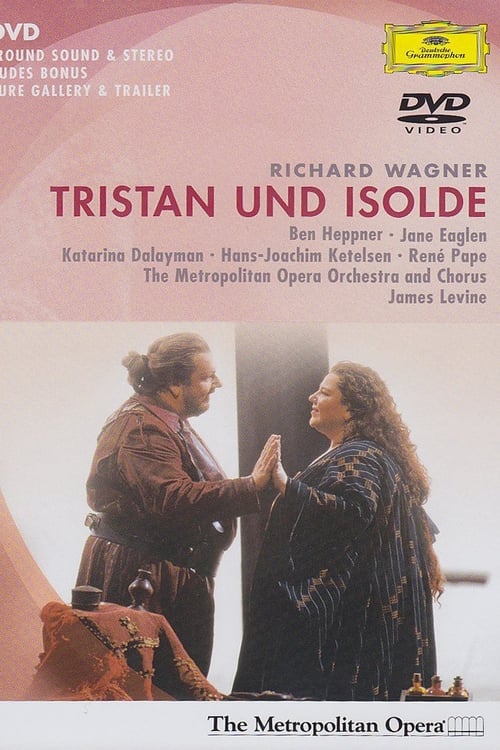
Inspired by Wagner’s own tortured affair with the wife of his patron, this searing masterwork is based on Arthurian legend and tells of an illicit romance between a Breton nobleman and the Irish princess betrothed to his uncle and king. The composer’s larger-than-life sensibilities are on full display throughout the score: Along with intoxicating orchestral music that surges in tandem with the couple’s burgeoning passion and a chord left symbolically unresolved until the last moments of the opera, the opera also features one of the repertory’s most soaring and ecstatic final climaxes, as Isolde surrenders to a love so powerful that she transcends life itself.
Tristan und Isolde
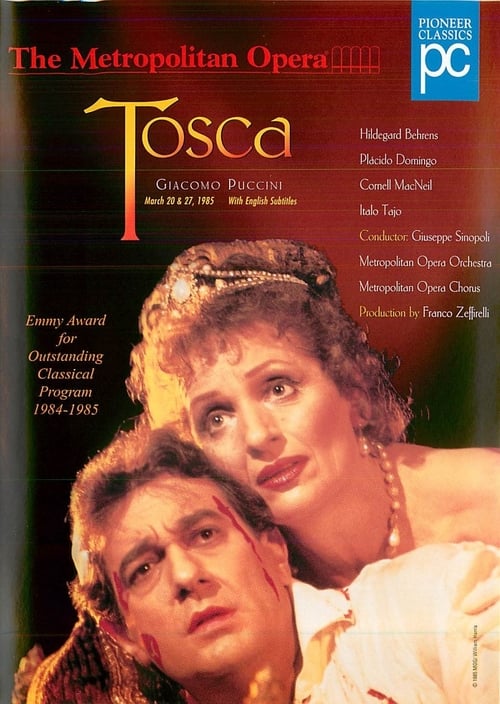
Live Metropolitan Opera performance March, 1985.