Carol Matias
Directing
Known For
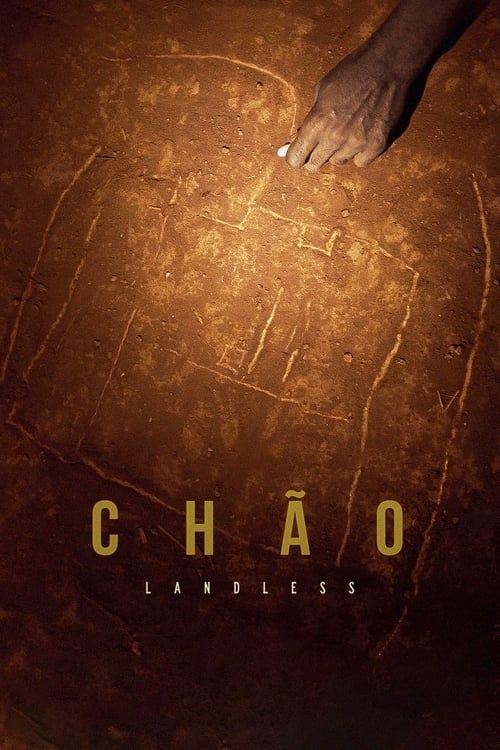
Since 2015, the Landless Workers Movement has been occupying an indebted sugarcane factory's land to press for its redistribution through land reform. Grandma, P.C. and their encamped fellows struggle to conquer a small share of land where they can settle down and live a self-sustainable life, growing agro-ecological crops in a newly knit peasant community they draw in their dreams.
Landless
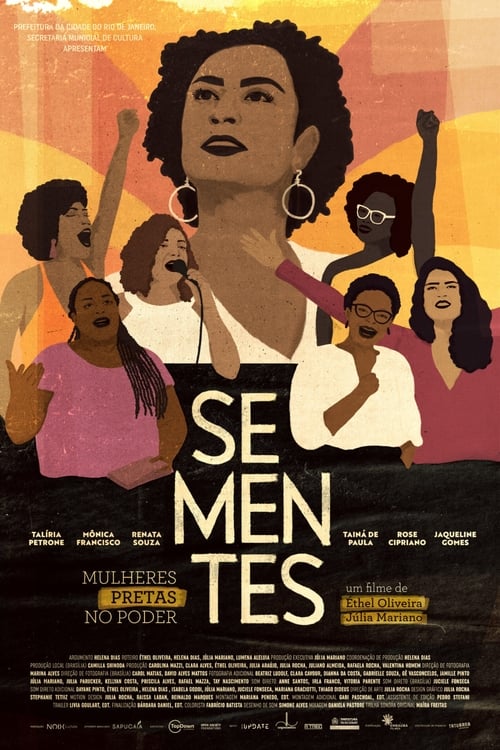
In response to Marielle Franco's execution, the 2018 elections turned into the biggest political upheaval led by black women that Brazil has ever seen, with candidacies in all states. In Rio de Janeiro, Mônica Francisco, Rose Cipriano, Renata Souza, Jaqueline de Jesus, Tainá de Paula and Talíria Petrone applied for the positions of state or federal deputy. The documentary accompanied these women in their campaigns, showing that a new way of doing politics in Brazil is possible, transforming mourning into struggle.
Sementes: Mulheres Pretas no Poder
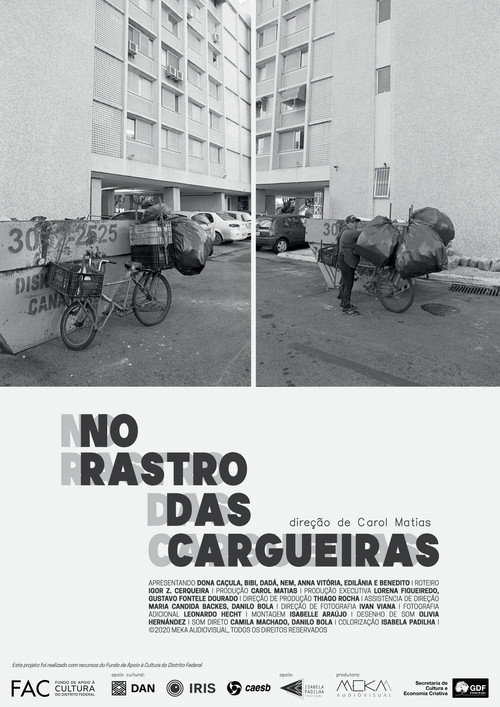
bibi crosses the city balancing piles of metal and plastic on top of his load. these cargo bikes adapted by him and other scavengers from ceará turn brasília’s “rich garbage” into an opportunity for popular, autonomous and clean recycling, trying to pave the way for a better life in the brazilian capital. “no rastro das cargueiras” presents the techniques, landscapes and stories of a group of waste pickers-cyclists in the counterflow of urban consumption and in the struggle for the right to the city.
No Rastro das Cargueiras

Madre brings a poetic and powerful portrait of the story of a Venezuelan refugee mother living in Brasília, the capital of Brazil. Stories converge in a journey marked by sorrow and achievement, homelessness and refuge. The film dives into the nostalgia of the Venezuela that inhabits Ambar’s memories, but which is not the same Venezuela that Brazil knows.