Writing
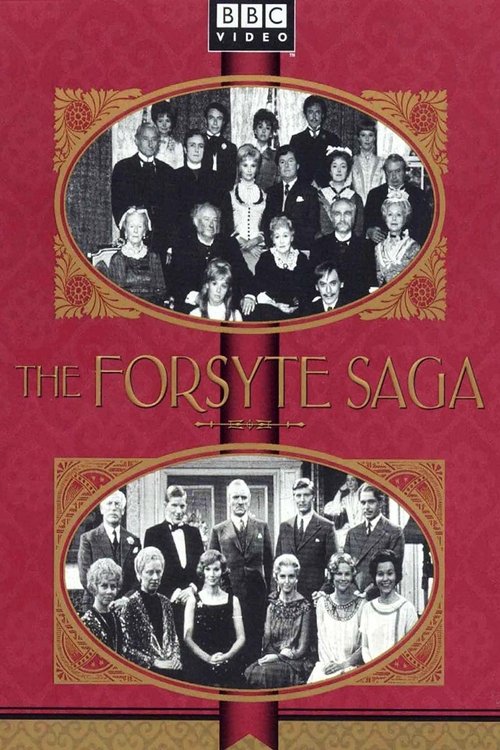
The Forsyte Saga is a 1967 BBC television adaptation of John Galsworthy's series of The Forsyte Saga novels, and its sequel trilogy A Modern Comedy. The series follows the fortunes of the upper middle class Forsyte family, and stars Eric Porter as Soames, Kenneth More as Young Jolyon and Nyree Dawn Porter as Irene. It was adapted for television and produced by Donald Wilson and was originally shown in twenty-six episodes on Saturday evenings between 7 January and 1 July 1967 on BBC2, at a time when only a small proportion of the population had television sets able to receive this channel. It was therefore the repeat on Sunday evenings on BBC1 starting on 8 September 1968 that secured the programme's success with 18 million tuning in for the final episode in 1969. It was shown in the United States on public television and broadcast all over the world, and became the first BBC television series to be sold to the Soviet Union.
Nana is a five-part British television miniseries based on Émile Zola's 1880 novel of the same name about the rise of Nana Coupeau, a young woman from the Parisian slums who becomes a famous actress and high-class prostitute, captivating and ultimately ruining many powerful men during the French Second Empire.
Sinister Street is a 1969 British television miniseries based on Compton Mackenzie's 1913-14 novel of the same name. Dramatised by Ray Lawler, the six-part serial stars Brett Usher, Gillian Hawser, Kate Lansbury, and Jo Kendall. Being the sole televised adaptation produced, all episodes were wiped and are believed to be lost. A psychological coming-of-age drama, two children, Michael Fane and his sister Stella, are born out of wedlock, something considered taboo at the time, but to rich parents.
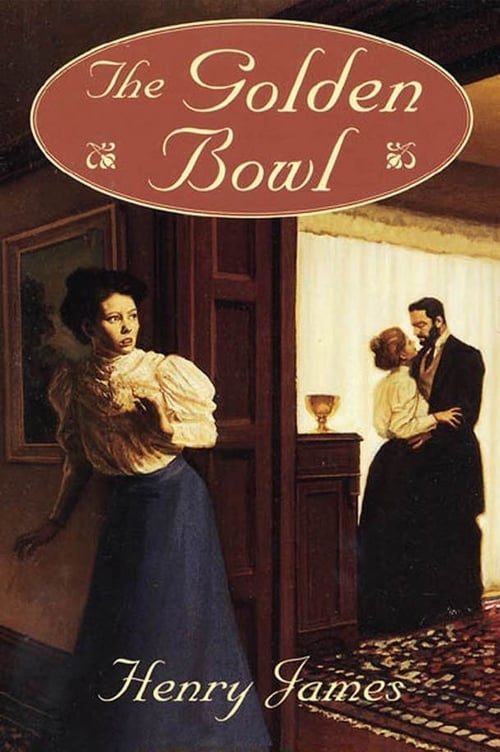
Wealthy American widower Adam Verver and his daughter Maggie live a refined life in Europe, surrounded by art. Maggie marries impoverished Italian Prince Amerigo, while Adam marries Maggie's friend Charlotte Stant. The Prince and Charlotte are having an affair, which Maggie discovers and navigates through a silent, psychological battle of wills, ultimately using her cunning to preserve her marriage and protect her father.
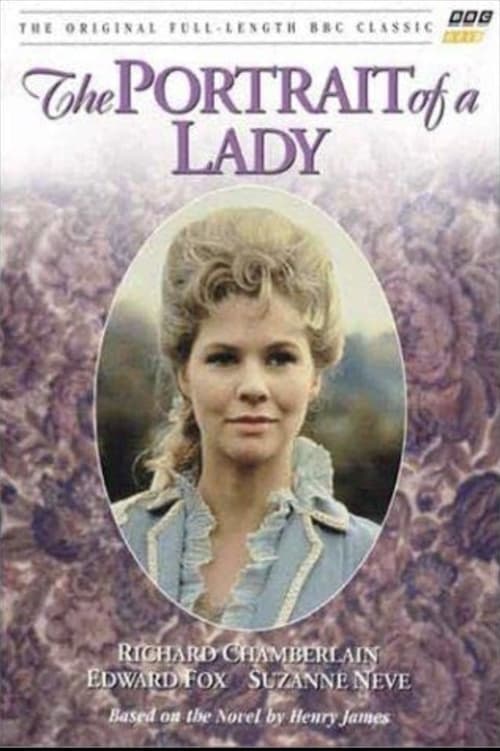
Spirited American heiress Isabel Archer travels to Europe, where she navigates a complex web of relationships, ultimately committing to a fateful marriage to the charming but cruel Gilbert Osmond. This leads to profound disappointment and a tragic realisation of her own choices.
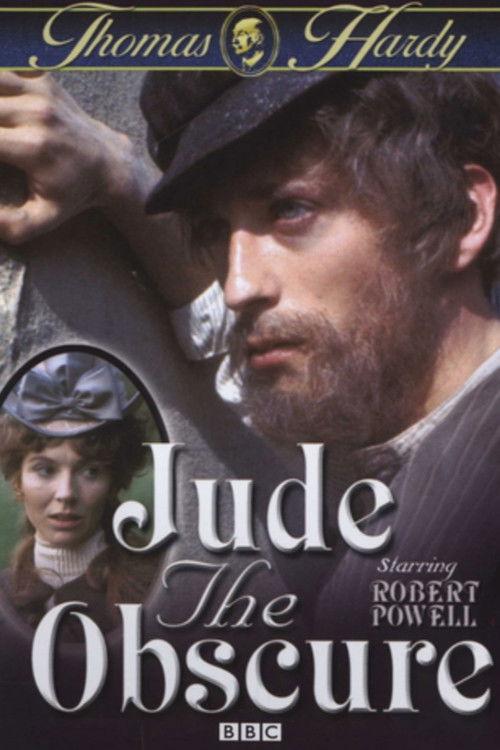
Jude the Obscure is a British television serial directed by Hugh David and dramatised by Harry Green, based on Thomas Hardy's 1895 novel of the same name. Born into poverty, young Jude Fawley refuses to accept his lot in life. As his dreams are shattered one by one, his life gradually descends into tragedy.
Possibly lost adaptation of the 1853 Charlotte Brontë novel of the same name.
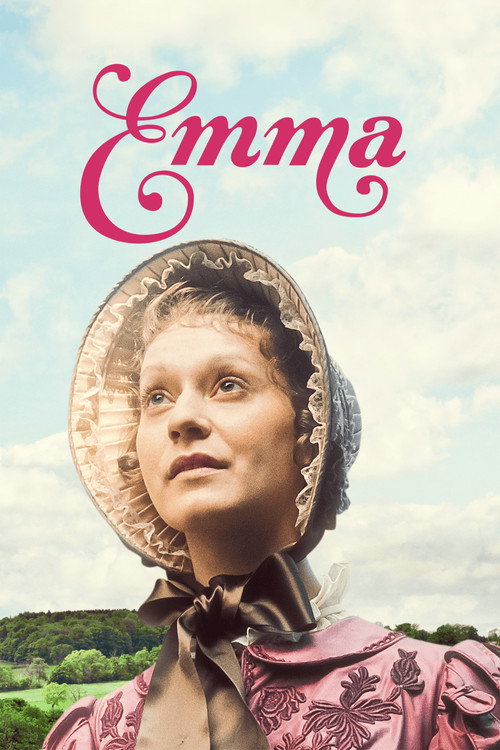
After arranging a friend's marriage, the incorrigible Emma Woodhouse turns her attention to matching Mr. Elton, the local vicar, with Harriet Smith, her new protégé.
Frank Clancy goes from penniless working-class idealist in the 1930s to superstar journalist and editor in the London of the swinging '60s — but at what cost to his integrity?
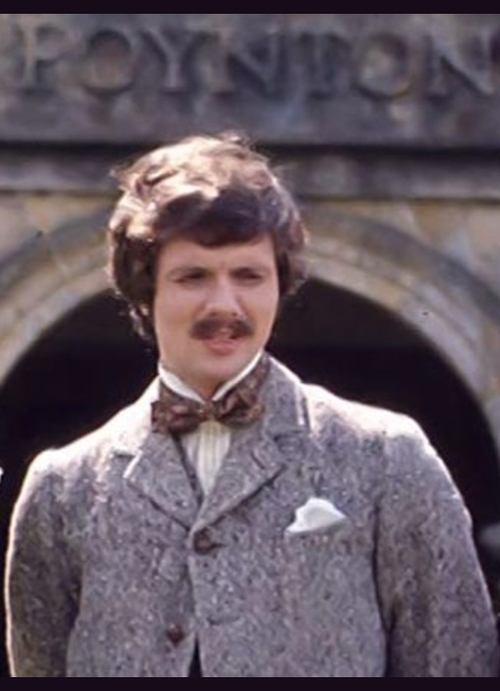
When her husband dies, Mrs Adele Gereth quarrels with her carefree son Owen over the family estate and his desire to marry for love, not money.
Flemish peasant Madeleine Vanderlynden has a farm situated in French Flanders, close to the WWI Front, with some British troops billeted there. Madeleine is determined to track down Georges D’Archeville, son of the local baron who owns the land on which the farm stands, with whom she had an affair before he went off to war.
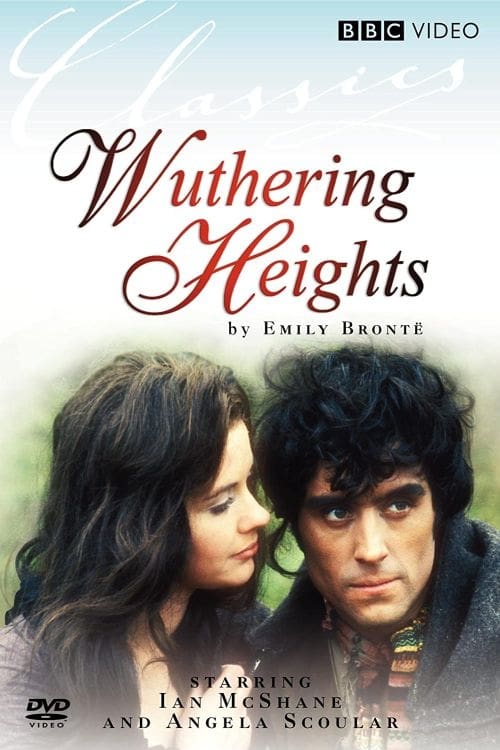
Young orphan Heathcliff is adopted by the wealthy Earnshaw family and moves into their estate, Wuthering Heights. Soon, the new resident falls for his compassionate foster sister, Cathy. The two share a remarkable bond that seems unbreakable until Cathy, feeling the pressure of social convention, suppresses her feelings and marries Edgar Linton, a man of means who befits her stature. Heathcliff vows to win her back.