Visual Effects
No description available.
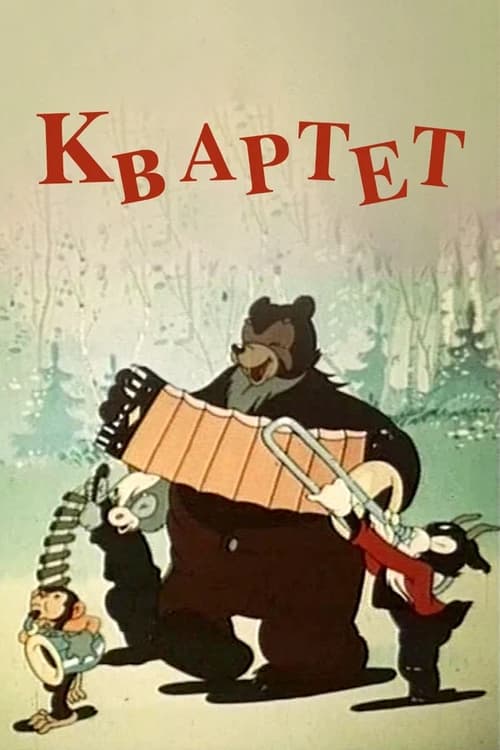
A donkey, a goat, a marmoset and a leering bear arrange a quartet.
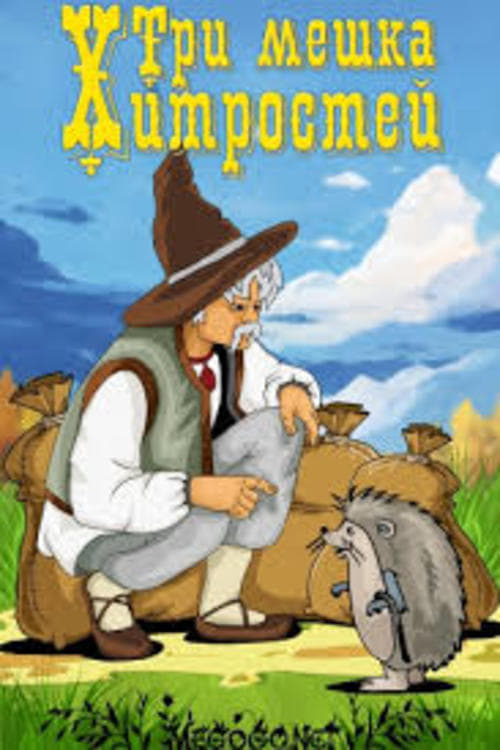
Based on the Chinese folk tale. Long ago, three brothers Liu lived in China. They were so similar that even their own mother discerned them on colored ribbons. The first brother could command fire, the second could drink the sea and return it back, and a third knew the language of birds, animals and fish.
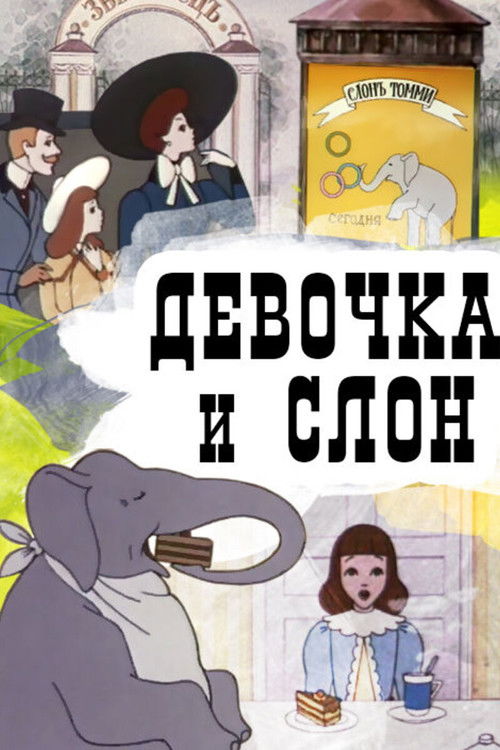
The story about an elephant who could read but not write.
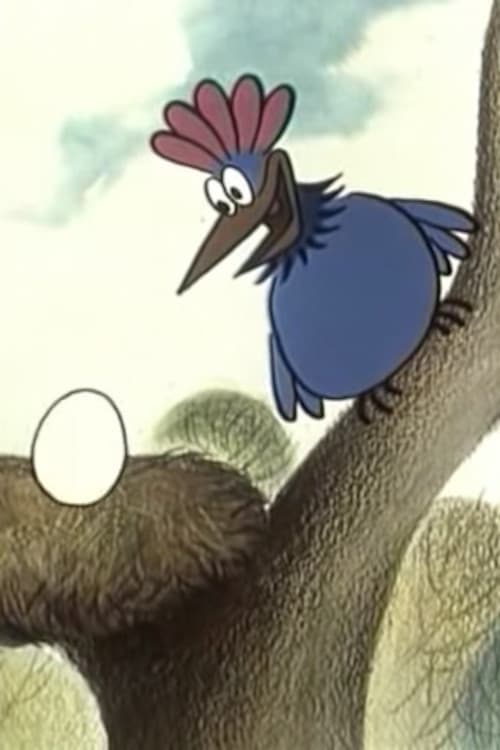
Bordo's simple story of a bird who will do anything to hatch and nurture her own chick.
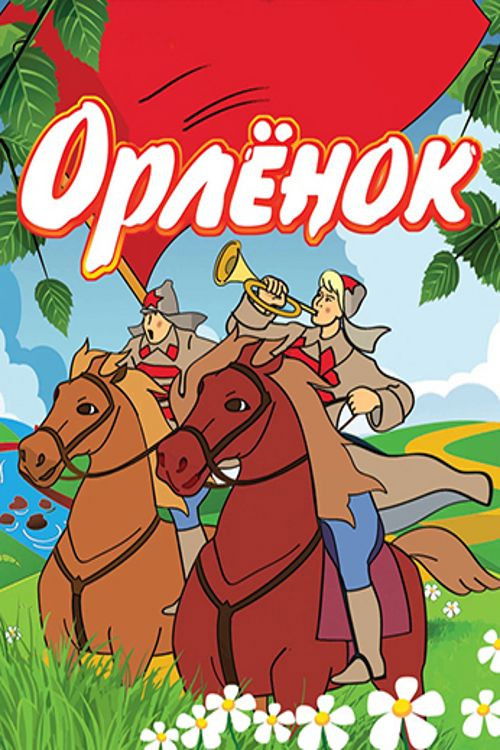
Based on the famous Soviet song "Orlyonok" about a young trumpeter - a hero of the Civil War.
Cartoon based on the Ukrainian fairy tale of the same name by Ivan Franko. A fearsome beast arrived in the forest to impose its order in it and called Ostromysl. His formidable appearance frightened all the forest animals, and even Mikhail Potapych himself. When Ostromysl fell into the river and the paint was washed away by the water, the animals were convinced that it was just an ordinary fox. The rascal was chased out of the forest. The movie ends with Hedgehog's admonition: "Whatever the beast looks like, don't take his word for it!“
Based on the poem by Korney Chukovskiy, about a boy who would not clean himself, so all his belongings ran away from him.
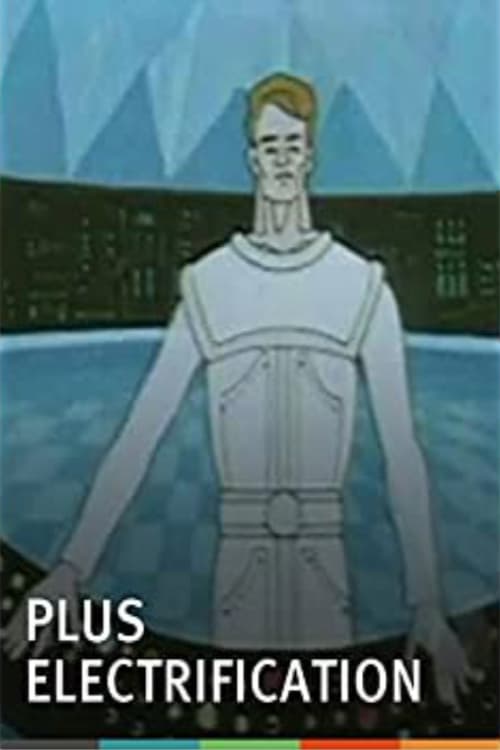
Plus Electrification, 1972, directed by Ivan Aksenchuk. Soyuzmultfilm. Executed with Disney-like animation by one of Soyuzmultfilm's leading directors of films for children. "Plus Electrification" triumphs the USSR's drive to bring electricity to every town and village. It was a tenet of Vladimir Lenin that electrification plus Soviet power [vlast] would lead to Communism. Electricity is shown dramatically uniting the economies of USSR and the Eastern bloc countries through production of consumer goods like Czech crystal and Hungarian buses.
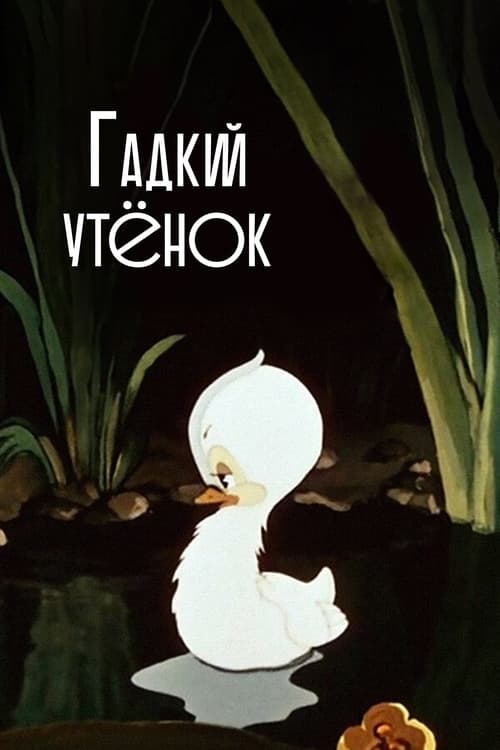
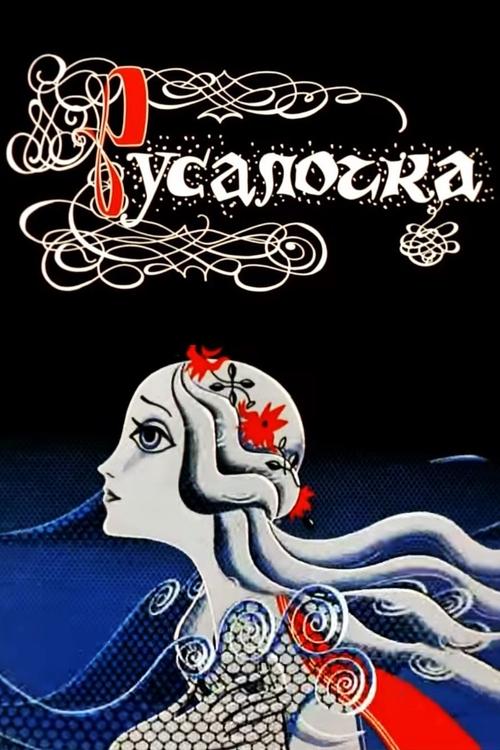
Soviet cartoon adaptation of Hans Christian Andersen's fairy tale.
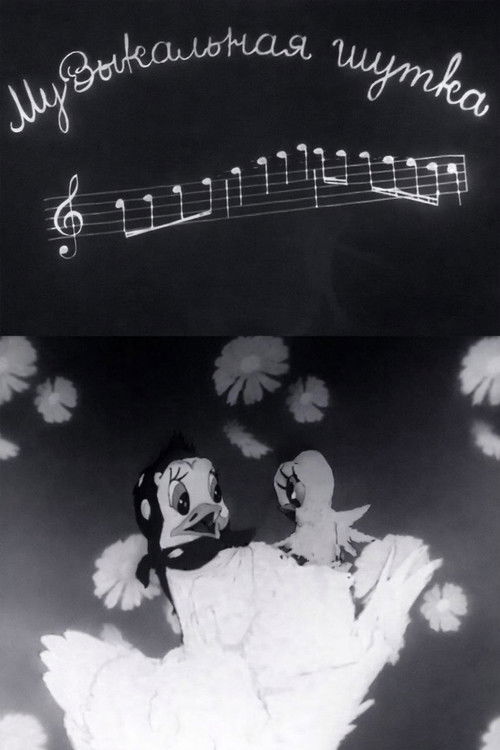
Popular classical melodies are illustrated with images of animated characters.
Rusalochka opens in modern day Copenhagen, Denmark. Several tourists gather around the capital's famous mermaid statue, as a tour guide explains its significance. A fish in the water below the tourists scoffs at their foolishness, and then, proceeds to tell about the doomed love of the mermaid. Upon reaching her 15th birthday, the Little Mermaid is allowed to swim up to the surface above. As soon as she does, however, the Mermaid spots a young prince caught up in a dreadful storm. She admires the man's bravery and decides to save him, declaring that, "The beautiful and the brave should not perish." After the mermaid returns to the ocean, she decides that she wants to become human.
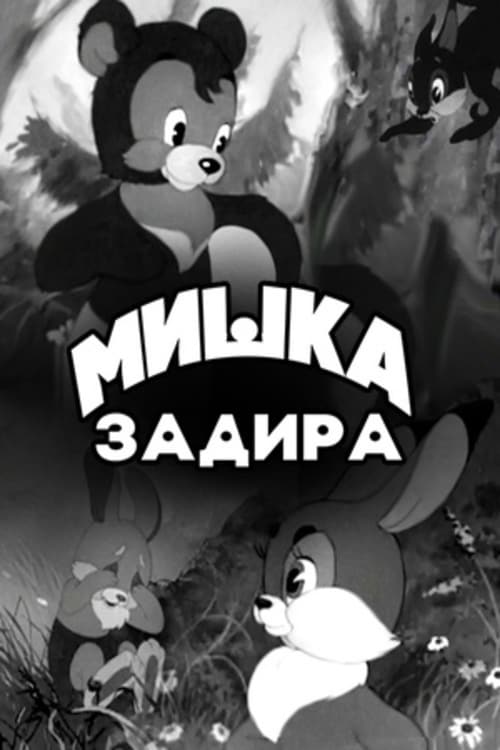
A little bear loves to tease the other animals. But, to his misfortune, he encounters a fierce boar.
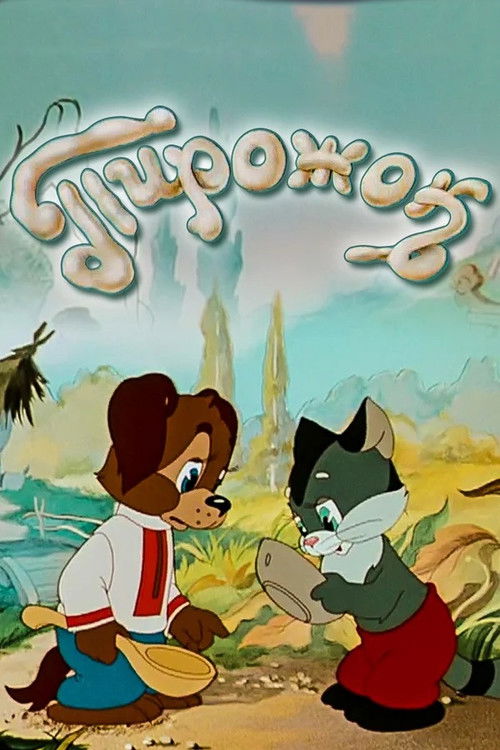
Hardworking chickens left carefree neighbors without a pie - they didn't deserve it.
About an artful Fox who gets caught in snare while stealing grapes, and uses her wits to escape. Based on a Ukrainian folk tale.
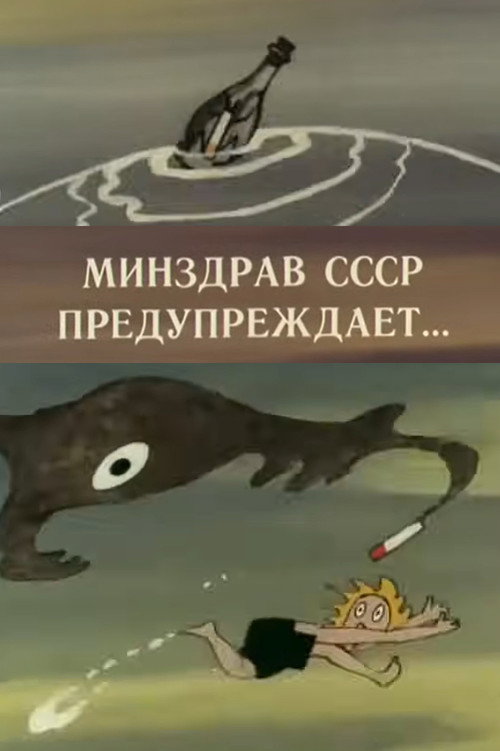
About the dangers of smoking.
About how dolphins saved children who couldn't swim.
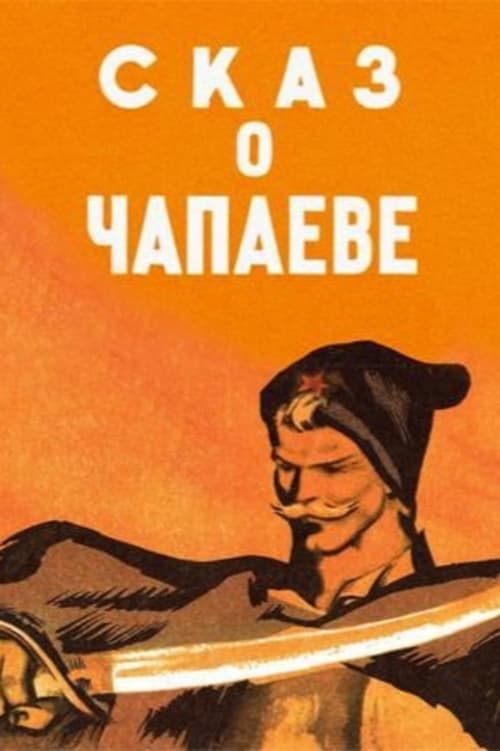
According to legend, Chapaev does not die, but with the help of magical powers, fairy-tale animals and plants, he becomes a real hero.
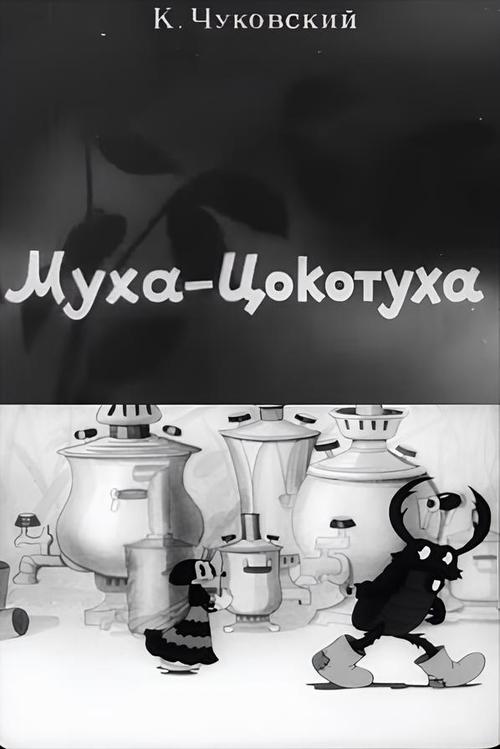
The first cartoon adaptation of Chukovskiy's well-known children's poem about a fly who finds a coin and goes to buy a samovar.
Soviet propaganda cartoon contrasting the alleged lies of capitalism, depicted as a charlatan prophet, with the alleged achievements of the Soviet working people.