Isael Maxakali
Directing
Known For
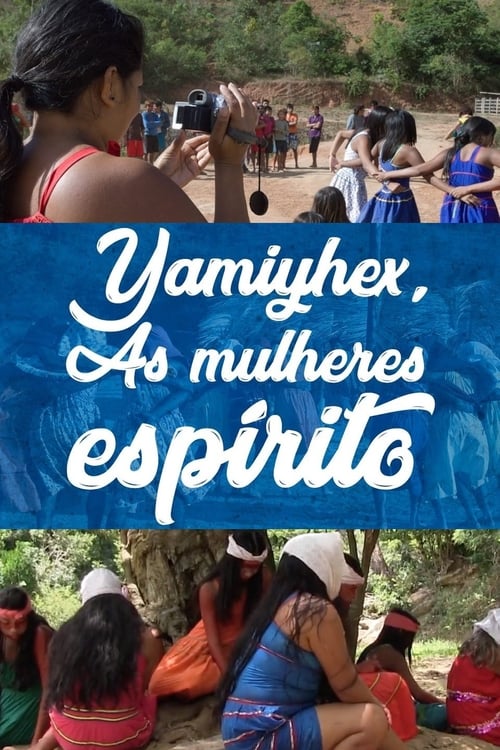
After spending a few months in the Vila Verde Village, the yãmĩyhex (women-spirit) prepare to leave. The filmmakers Sueli and Isael Maxakali register the preparations and the great feast for their farewell. During the feast days, a legion of spirits crosses the village. The yãmĩyhex go away, but they always come back missing their fathers and mothers
Yãmĩyhex, the Women-Spirit
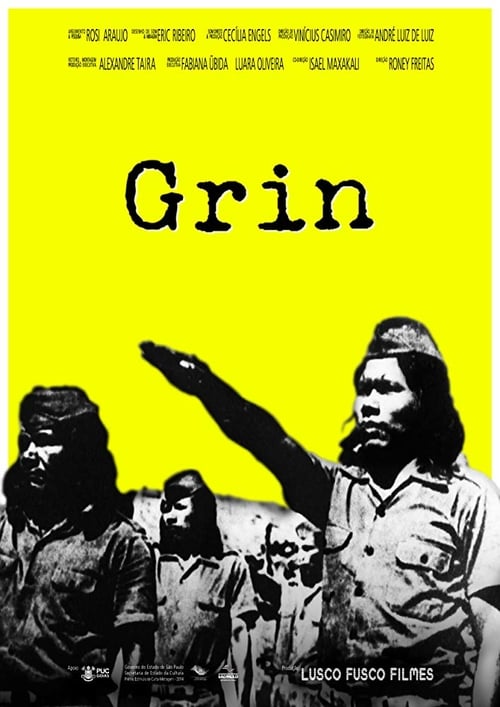
A Maxakali filmmaker brings out memories about the formation of the Indigenous Rural Guard (Grin) during the military dictatorship in Brazil, with reports of violence suffered by their relatives.
GRIN - Rural Indigenous Guard
No description available.
TATAKOX
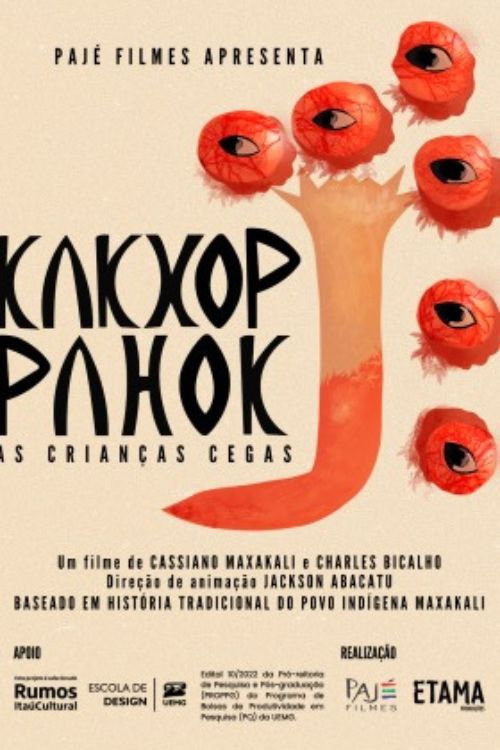
The men of the village went hunting. A long time passed… and they did not return. The women of the village exchanged their children among themselves, so as not to be without husbands, and began to live a new life. However, one day the men returned… Spoken in their language and illustrated by the Maxakali people of Minas Gerais, Kakxop pahok is based on a traditional story of the Maxakali people (Tikmû´ûn). It forms the Hãmnõgnõy Trilogy of indigenous animations with Konãgxeka: the Maxakali flood (2016) and Mãtãnãg, the enchanted one (2019).
Kakxop Pahok: As Crianças Cegas

No description available.
Xupapoynãg

The boys of an Tikmu'un - Maxakali village are initiated by the spirits that live on the ground. From now on they will be able to attend the kuxex (house of religion), socialize, feed and learn from the Yãmiyxop.
Iniciação dos Filhos dos Espíritos da Terra
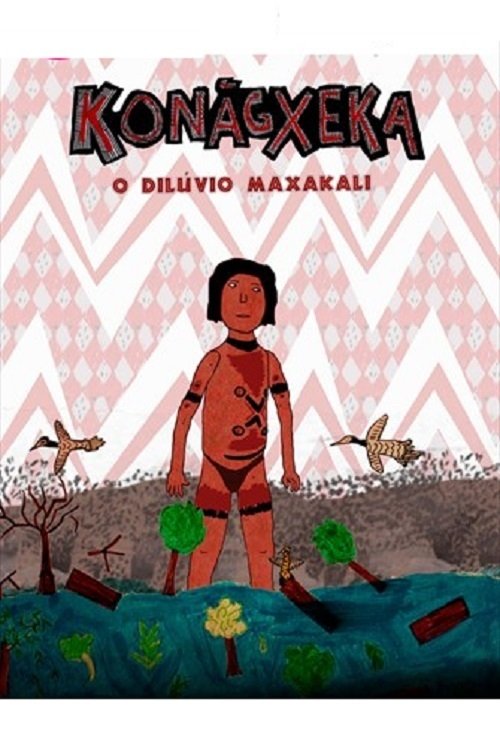
Konãgxeka, in the Maxakali indigenous language, means "big water" - It is the Maxakali version of the flood story, sent by the yãmîy spirits as a punishment for the selfishness and greed of men. The illustrations for the film were made during a workshop held at Aldeia Verde Maxakali, in the municipality of Ladainha, Minas Gerais.
Konãgxeka: O Dilúvio Maxakali
No description available.
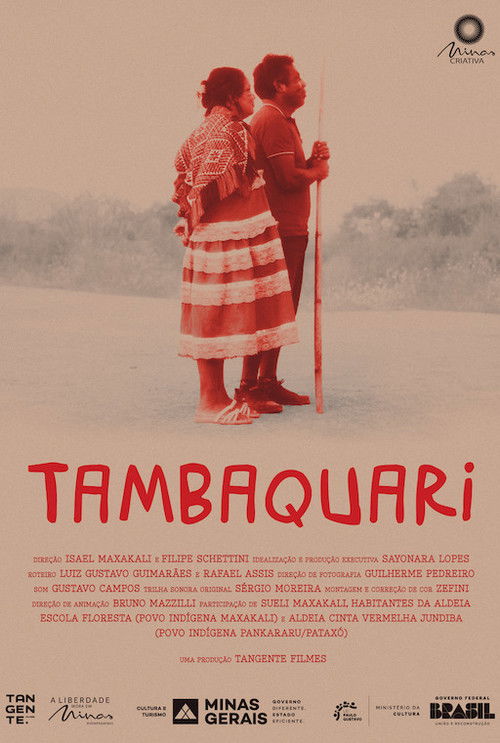
Tambaquari

"Yõg ãtak: My Father, Kaiowá" tells the story of Sueli Maxakali's search for her father, Luis Kaiowá, from whom she was separated during the military dictatorship in Brazil. The film follows the filmmaker's journey to find her father again, as well as the struggles faced by the Tikmũ'ũn and Kaiowá indigenous peoples in defense of their territories and ways of life.
Yõg Ãtak: Meu Pai, Kaiowá
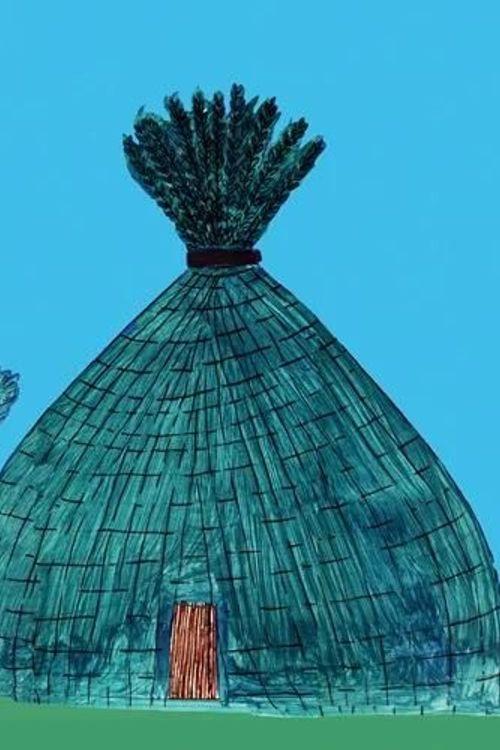
The Maxakali possess a remarkable plastic and sound refinement revealed in drawings, paintings, clothes, songs and poems. These people have hundreds of years of history. He populated a vast territory, which he traveled nomadicly, from the interior of Minas Gerais and Bahia, to the Atlantic. Today, the Maxakali Indians number around 1,200 people who live in Minas Gerais, in a small territory, between the cities of Santa Helena and Bertópolis. They live under a shadow of poverty widely publicized in newspapers and on television. The film searches for what is missing in the news: the richness of its graphics, its language, its everyday life. Ãgtux means “telling stories”
Ãgtux
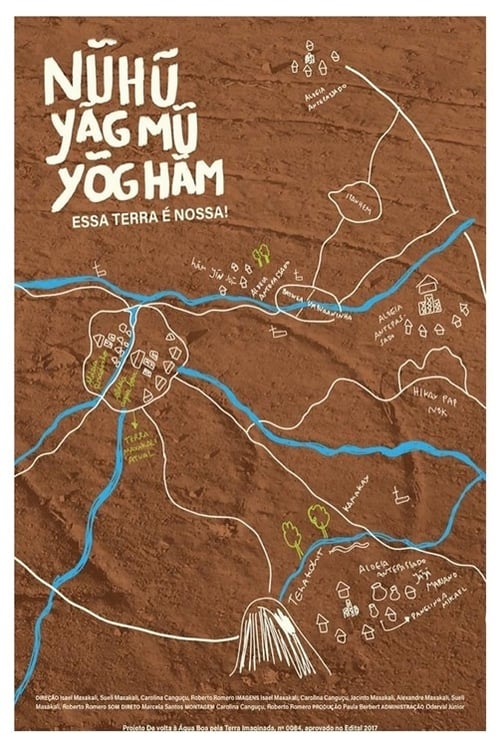
In the past, when white people didn’t exist, we used to hunt with our yãmĩyxop spirits. The whites came, cut down the trees, dried up the rivers and scared the animals away. Today, our tall trees are over, the whites surrounded us and our lands are tiny. But our yãmĩyxop are very strong and taught us the stories and chants from our ancients who walked around here.