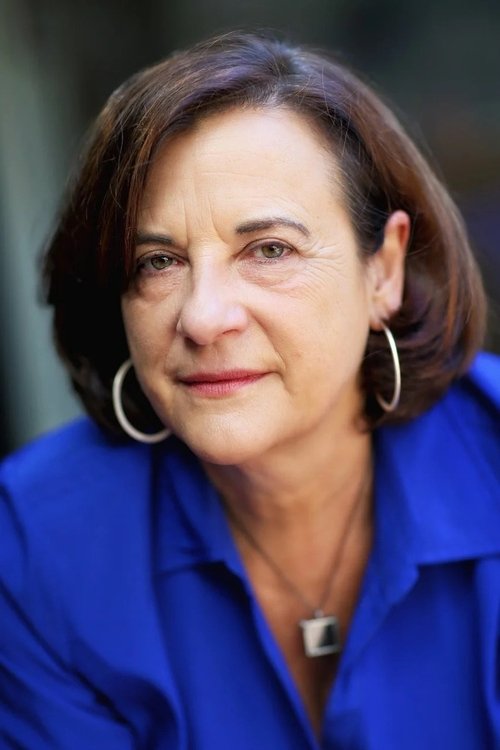
Dawn Logsdon
Directing
Biography
DAWN LOGSDON's career has been dedicated to making films about civic issues and city life, particularly at the neighborhood level. She directed and produced Faubourg Treme: The Untold Story of Black New Orleans (2008) which premiered nationally at the Tribeca International Film Festival. It went on to win the SFIFF Golden Gate Award for Best Documentary and was a PBS Black History Month feature presentation three years in a row. Dawn co-directed and edited Big Joy: The Adventures of James Broughton (2013) and Lindy Boggs: Steel and Velvet (2008). Dawn edited the Sundance Award-winning Paragraph 175 by Rob Epstein & Jeffrey Freidman, Academy Award-nominated Weather Underground by Sam Green, Emmy award-winning Have You Heard from Johannesburg? by Connie Field, the Peabody award-winning The Castro by Peter Stein and the critically-acclaimed feature-length essay films The Joy of Life and The Royal Road by Jenni Olson. Short films Dawn produced and directed include Tomboy, which was exhibited at the Whitney Museum and aired on PBS. Dawn received a BA in Philosophy from UC Berkeley. Her honors include a Soros OSI Media Fellowship, California Arts Council Artist Residency, BAVC Media Maker Award, Djerassi Artist Residency, Louisiana Division of the Arts Fellowship, New Orleans Contemporary Art Center Artist Fellowship, and the New Orleans Arts Council Award.
Known For
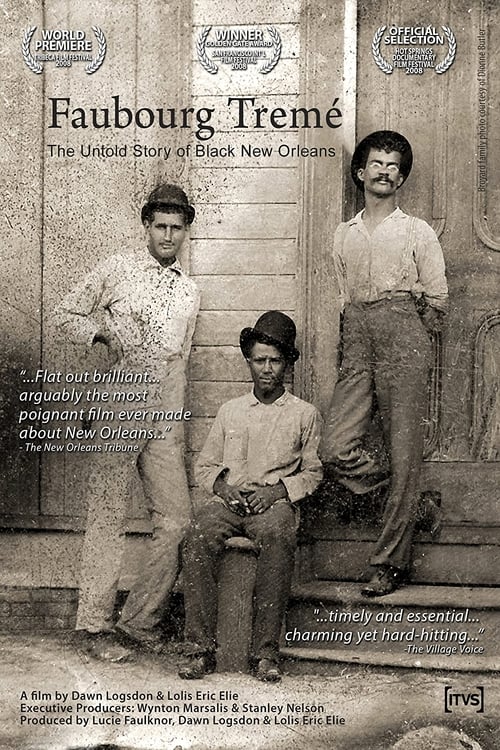
The true story of the neighborhood that inspired David Simon's fictional HBO television series "Tremé", from slave revolts and underground free black antebellum resistance through post-Katrina rebuilding, set to a fabulous soundtrack of New Orleans music through the ages.
Faubourg Tremé: The Untold Story of Black New Orleans
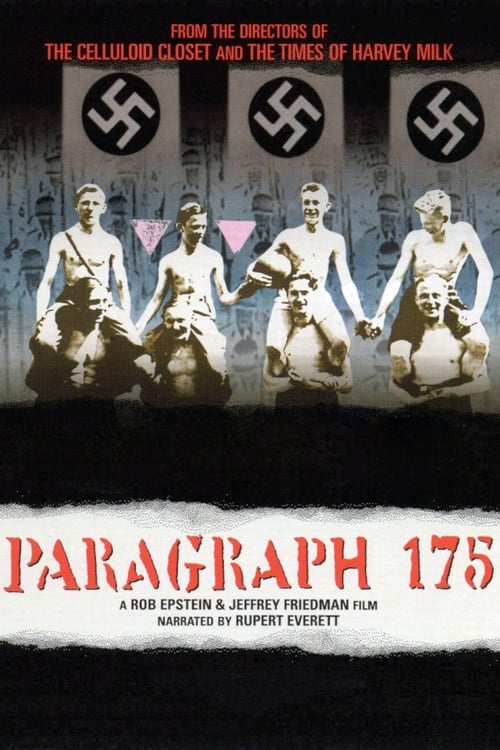
During the Nazi regime, there was widespread persecution of homosexual men, which started in 1871 with the Paragraph 175 of the German Penal Code. Thousands were murdered in concentration camps. This powerful and disturbing documentary, narrated by Rupert Everett, presents for the first time the largely untold testimonies of some of those who survived.
Paragraph 175
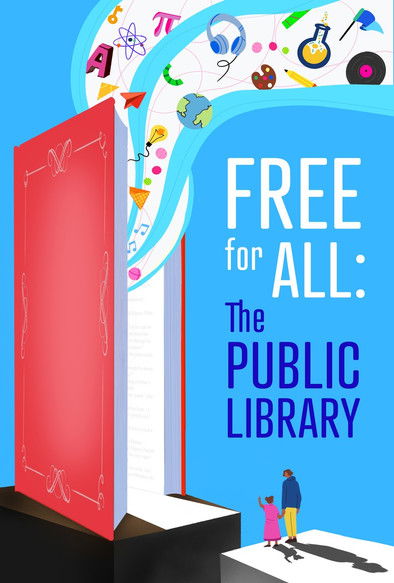
The story of the quiet revolutionaries who made a simple idea of a public library happen. From the pioneering women behind the "Free Library Movement" to today's librarians who service the public despite working in a contentious age of closures and book bans, meet those who created a civic institution where everything is free and the doors are open to all.
Free for All: The Public Library
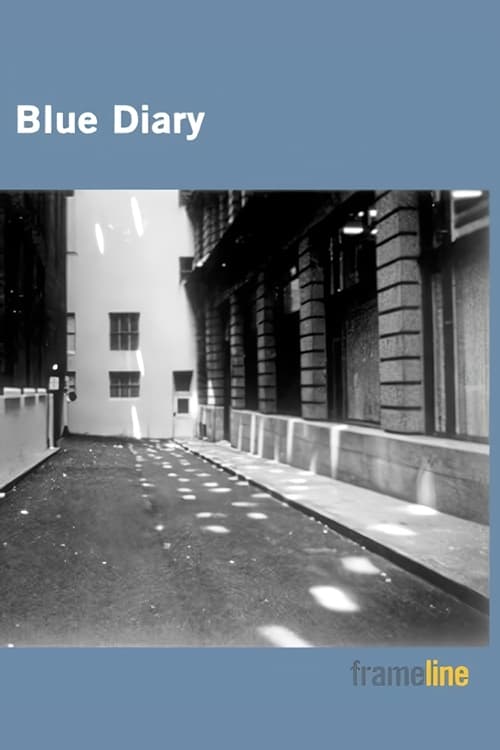
Through voiceover and static San Francisco landscapes this experimental narrative short tells the melancholy story of a butch dyke pining over a one night stand with a straight girl.
Blue Diary
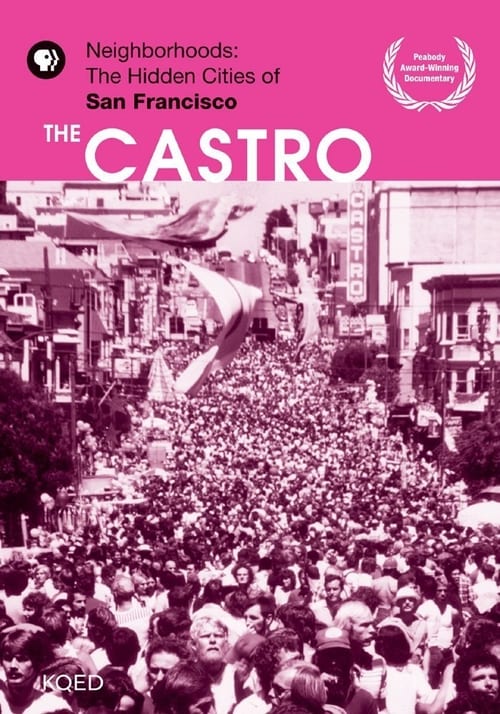
Now known internationally as the world's first "gay hometown," San Francisco's Castro District was a quiet, working-class neighborhood of European immigrants only a few decades ago. In this documentary, the story of the Castro's transformation is told by those who lived it, young and old, straight and gay. It's a tale of social upheaval, exuberant street culture, political assassination, and the inspiring coming-of-age of an entire community an ongoing saga even today.
Neighborhoods: The Hidden Cities of San Francisco - The Castro
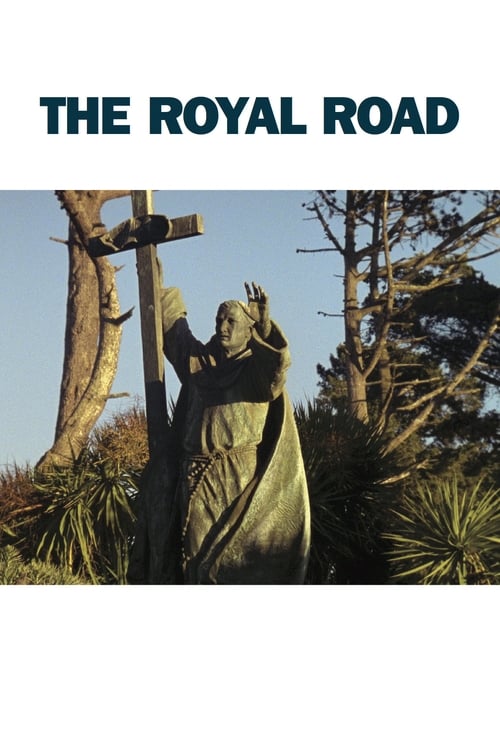
A fascinating and unlikely reinvention story, The Royal Road simultaneously explores cinematic spiritual channeling, the conquest and colonization of Mexico and the American Southwest, fading historical Californian urban landscapes, and the passions found in butch identity to achieve an achingly beautiful and poetic defense of remembering. Probing roads from El Camino Real, to the Boulevard of Broken Dreams, to the road right outside the front door, Olson crafts a deeply intelligent and transcending observation of the human condition that reaches for redemption in the embrace of history, nostalgia, mindfulness, and sheer beauty. If you give yourself over to it, it will crack you wide open.
The Royal Road
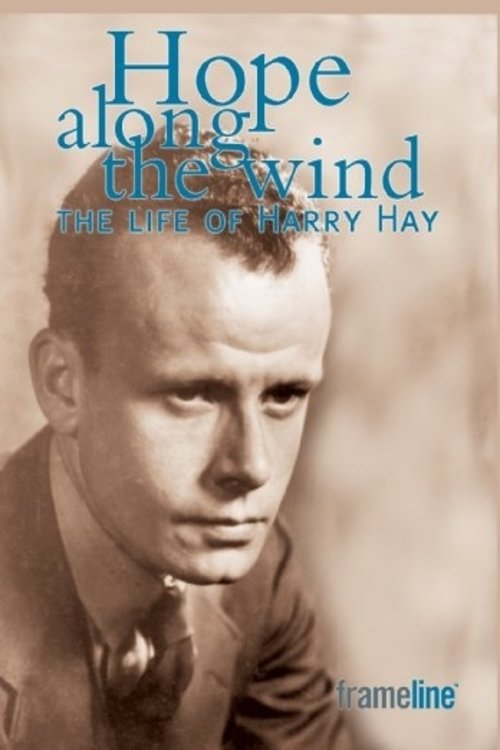
Harry Hay was one of the founding fathers of the gay rights movement, and for more than 50 years was synonymous with the term "gay pride." Director Eric Slade's documentary about Hay looks at both his life and the movement he did so much to define. In 1948, Hay founded the Mattachine Society in Los Angeles; the goal of the organization was to establish a "Golden Brotherhood," one that sought to redefine homosexuality as a normal, healthy way of life. The problem, Hay famously maintained, was not homosexuality itself, but the way it was treated by society. Dramatizations, photographs, archival footage, and interviews with original Mattachine Society members are all incorporated to tell Hay's remarkable story, one whose legacy continues to be felt in the treatment of gays and lesbians in culture today.