Acting
Tatort is a long-running German/Austrian/Swiss crime television series set in various parts of these countries. The show is broadcast on the channels of ARD in Germany, ORF in Austria and SF1 in Switzerland.
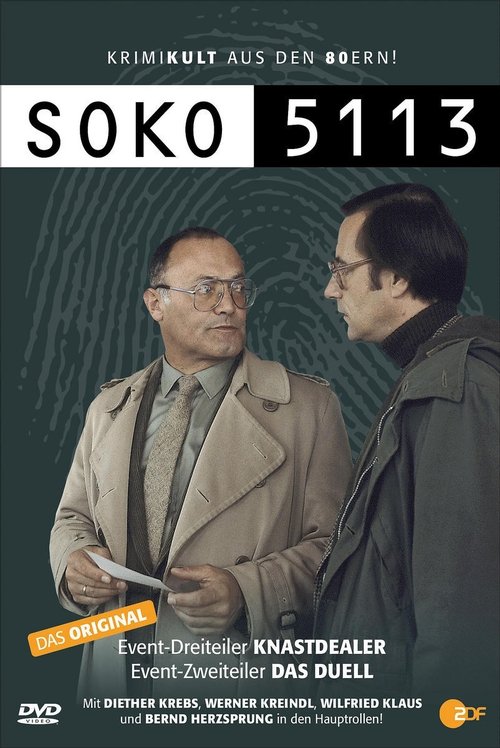
SOKO 5113 is a long-running German police procedural television series. It was first aired in 1978 on 2 January. SOKO is an abbreviation of the term "Sonderkommission" in German.
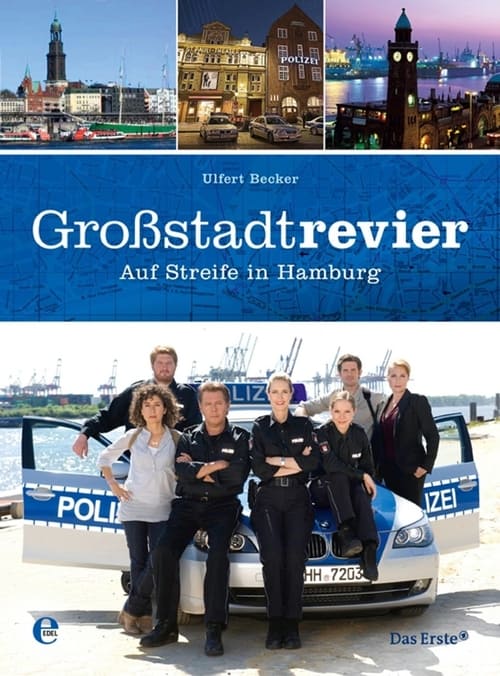
Follow the everyday work of a fictional police station on the Kiez of Hamburg.
Polizeiruf 110 is a long-running German language detective television series. The first episode was broadcast 27 June 1971 in the German Democratic Republic, and after the dissolution of Fernsehen der DDR the series was picked up by ARD. It was originally created as a counterpart to the West German series Tatort, and quickly became a public favorite.
No description available.
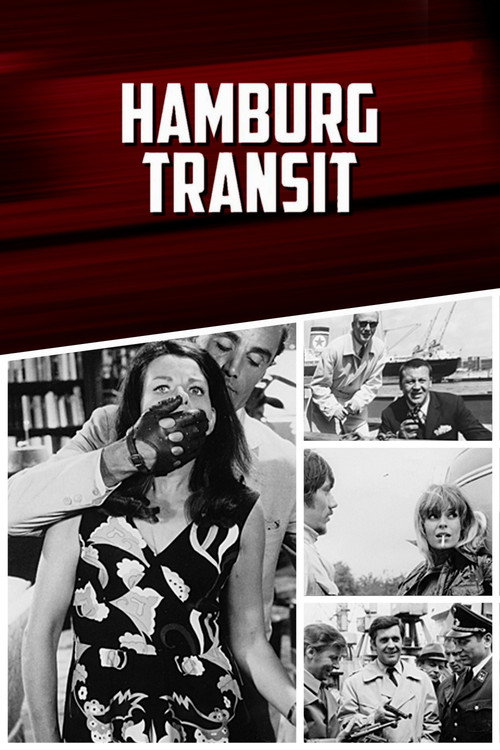
Hamburg Transit was a German crime television series that first aired in 1970. It ran for 52 episodes over four series until 1974. It depicts the officers of the Hamburg CID. It was a successor to the show Polizeifunk ruft which ran between 1966 and 1970.
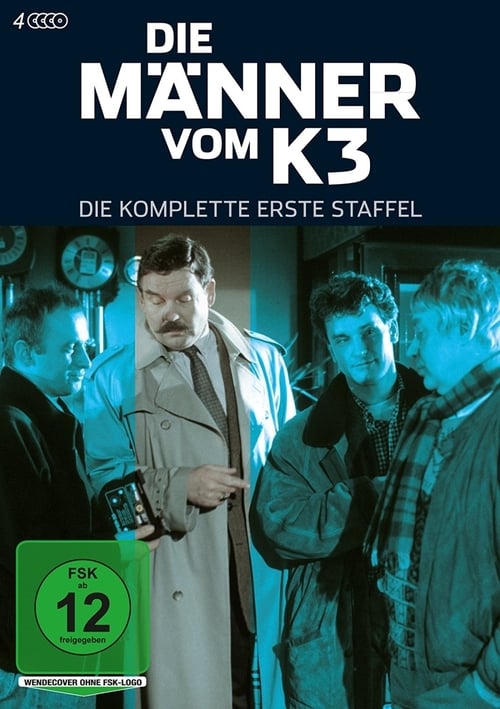
Die Männer vom K3 is a German television series.
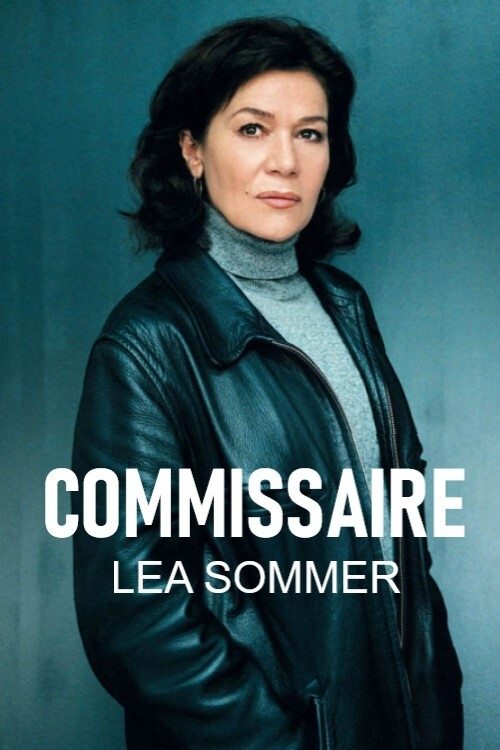
Die Kommissarin is a German police TV series which aired on Das Erste. Its 66 episodes ran from 1994 till 2006. The series, which takes place in Frankfurt am Main, Germany, is notable as being the first, and as yet one of the few commercially successful, German detective series to have a female lead character. The main character is Inspector Lea Sommer, played by Hannelore Elsner. Sommer is divorced with custody of her teenage son, Daniel. She is looking forward to a new relationship with her new boyfriend, Jonathan. Although Lea and Jonathan telephone each other frequently, he has never actually been seen or heard on screen. Sommer was originally paired with Nick Siegel, but in a 1996 episode, Siegel was shot to death by an escaping criminal. His last words were "Lea, ich fühle mich so kalt". Sommer's current partner officer is Jan Orlop. Die Kommissarin airs on the German Language channel German Kino Plus in the United States. In Finland it airs on YLE TV2 under the title Etsivä Lea Sommer.
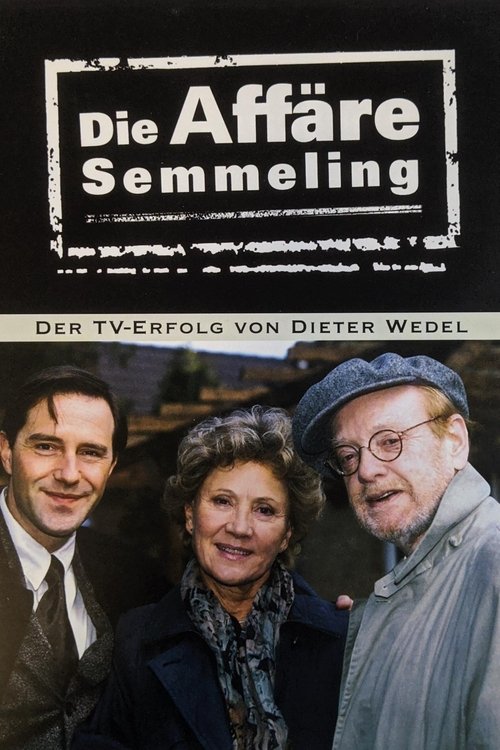
Die Affäre Semmeling was a 2002 German teleplay, broadcast on ZDF. It starred Mario Adorf as Walter 'Beton-Walter' Wegener, Robert Atzorn as Dr. Klaus Hennig, Heinz Hoenig as Axel Ropert, Stefan Kurt as Sigi Semmeling and Heike Makatsch as Silke Semmeling.
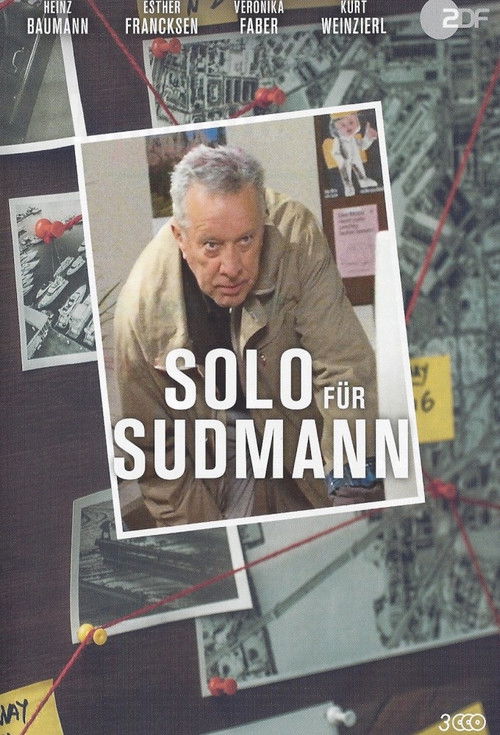
Solo für Sudmann is a German television series.
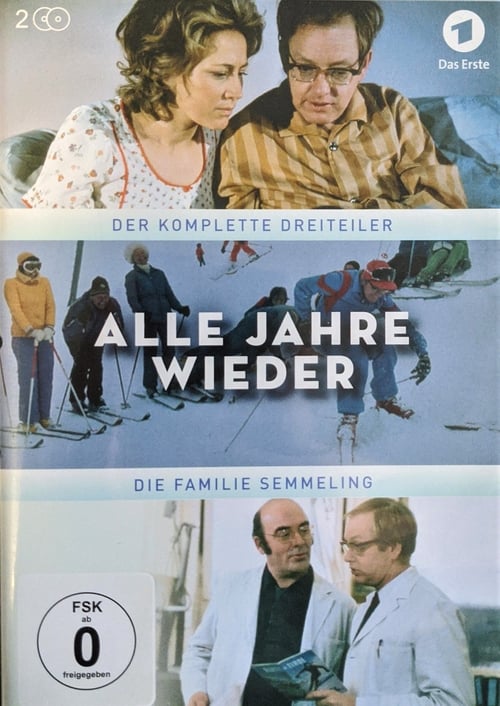
After building their own home, the Semmeling family wants to go on vacation. However, this leads to a few problems.
When Ruth's husband dies in New York, in 2000, she imposes strict Jewish mourning, which puzzles her children. A stranger comes to the house - Ruth's cousin - with a picture of Ruth, age 8, in Berlin, with a woman the cousin says helped Ruth escape. Hannah, Ruth's daughter engaged to a gentile, goes to Berlin to find the woman, Lena Fisher, now 90. Posing as a journalist investigating intermarriage, Hannah interviews Lena who tells the story of a week in 1943 when the Jewish husbands of Aryan women were detained in a building on Rosenstrasse. The women gather daily for word of their husbands. The film goes back and forth to tell Ruth and Lena's story. How will it affect Hannah?
Zoe is spending a few lovely winter days on Sylt with a friend. She's struggling with her studies, her boyfriend Mike, and life in general. To make matters worse, she's now facing an unwanted pregnancy. Just to relieve herself of this overwhelming worry, Zoe calls Hamburg. There she learns that although her pregnancy test is negative, she has also taken an AIDS test, and it is positive. At first Zoe is completely shocked, but then she radically turns her life around. She drops out of her unwanted studies and leaves her (HIV-negative) boyfriend. Instead, she throws herself into love affairs in which she demands absolute honesty. Zoe desperately searches for an answer to the question of what meaning the remaining life of hers can have.
Die schwarzen Brüder is the best-known story of German writer Lisa Tetzner and one of the most widely read children's books in the world.
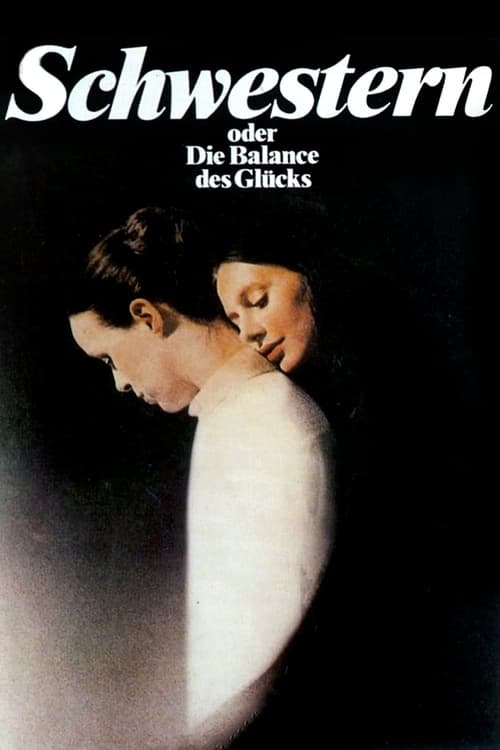
Sisters Maria and Anna live together. Maria is a most proficient executive secretary, encouraging Anna to finish her studies and start a career. Anna broods, threatens to quit university, takes pills, and keeps a diary. When Maria's relationship with Maurice, the son of her boss, starts to lead to love, Anna takes a selfish and drastic step that plummets Maria into solitude. No longer able to connect with Maurice, Maria does establish a relationship with Miriam, a typist at her office who becomes a surrogate younger sister. But Maria is intrusive as well as helpful. Can this or any relationship work out for this talented woman whose past seems to choke her soul?