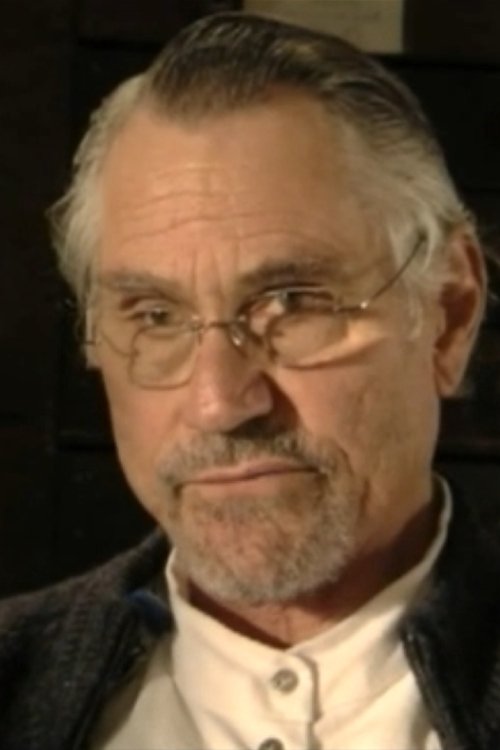
Lawrence Jordan
Directing
Biography
Known principally as a maverick spirit in the world of avant-garde American cinema, Lawrence Jordan played an important role in the late 1950s and early 1960s San Francisco art scene. Jordan has made over seventy experimental films, including a number of fanciful, filmic animations made from collaged cut outs of Victorian engravings. The animations extend dreamlike imagery of collaged landscape into a cinematic realm of transformation and free form symbolism. Jordan seeks to delve into the deep structures and Jungian connotations of the mythological images his films reference. His alchemical approach to imagery creates what he has called the “theater of the mind, which you construct. That is the Underworld... the realm of the imagination. You have to have a place to work with images.” Jordan founded the film department of the San Francisco Art institute in 1969 and taught there for over thirty years. He made his own box assemblages in Cornell ’s lyrically evocative style since the mid-1960s. Many feature ingenious mechanical and kinetic effects. He continues to make films and box collages at his home and studio in Petaluma where he has lived since 1978.
Known For
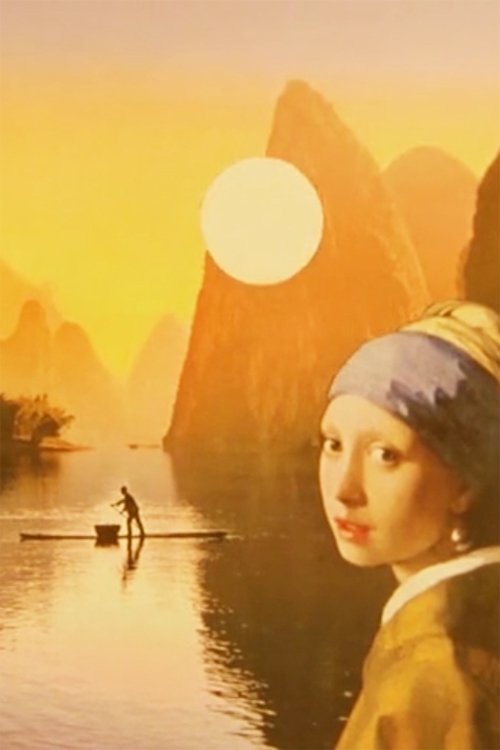
A new and original collage film by Lawrence Jordan.
Oz
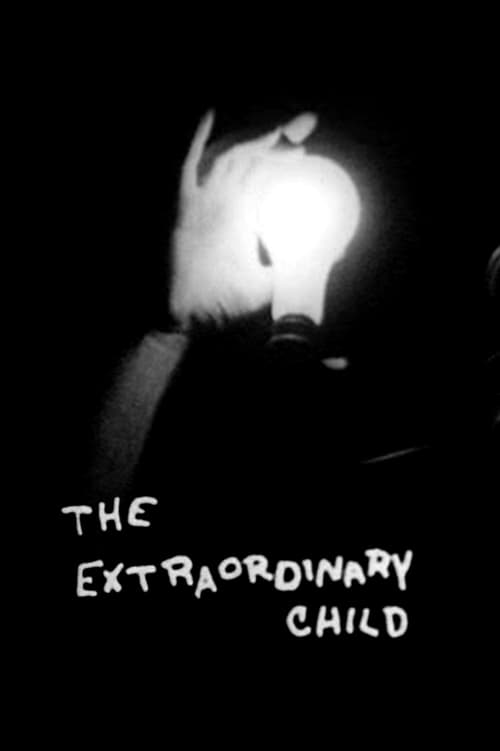
The Extraordinary Child applies his developing style to broad slapstick. His friends from the previous films and the director himself play out a riotous farce about an overgrown baby who steals his father’s cigars. Everyone mugs hilariously. The movie could be taken as another example of the Romantic notion of the artist as a monstrous child or misfit, or a parody of the same rather than the personal confessional statement seen so often in these film movements.
The Extraordinary Child
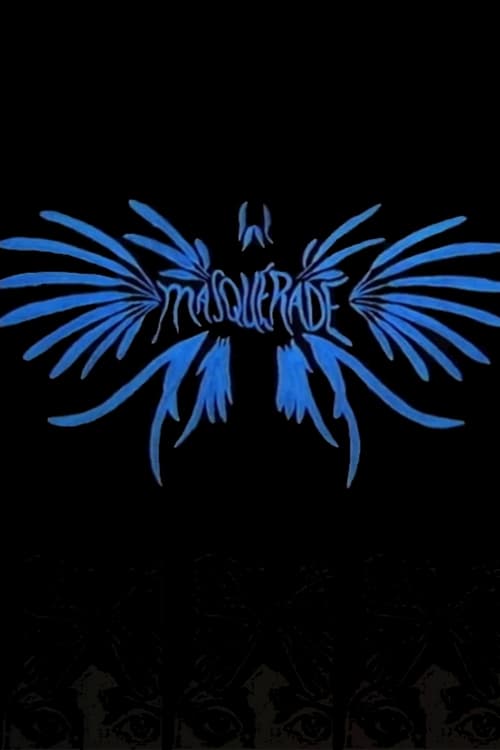
For the first time I am animating hand-painted engraved cut-outs on a full-color background. The film is mood-filled: A duel scene in a snowy forest, obviously the morning after a masquerade ball. Harlequin lies dying, while Red Indian walks away with the wings of victory. The woman between them appears, cat-masked. The mask dissolves away. Her spirit passes into the face of the sun upon the sun upon the sun flower. But Harlequin cannot escape death. The blue world engulfs him.
Masquerade
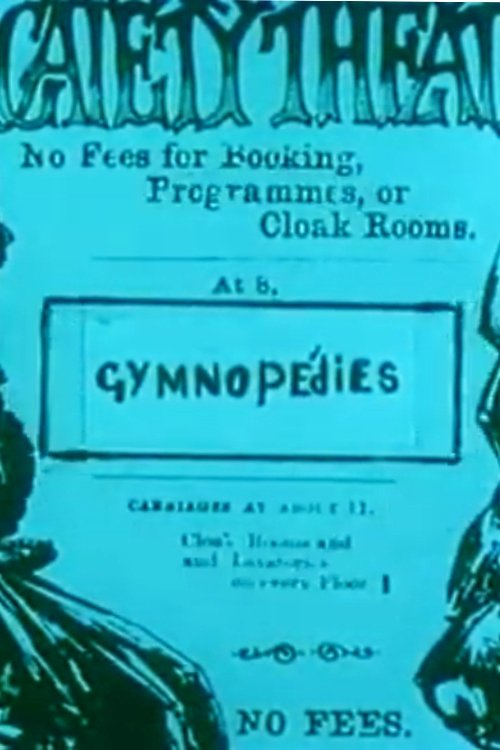
Animation. The theme is Weightlessness. Objects and characters are cut loose from habitual meanings, also from tensions and gravitational limitations. A lyric Eric Satie track accompanies the film. Such a portrait seems necessary from time to time to remind us that equilibrium and harmony are possible, and that we will not dissolve into a jelly if we allow ourselves to relax into them: A horseman rides through the landscape, through the town, but never arrives anywhere in particular. An acrobat swings on a rope above a canal in Venice, and is content just to swing there. Nothing threatens to disturb them. This film is a total contrast to the Kafka-like oddities of Eastern European animation. —Canyon Cinema
Gymnopédies
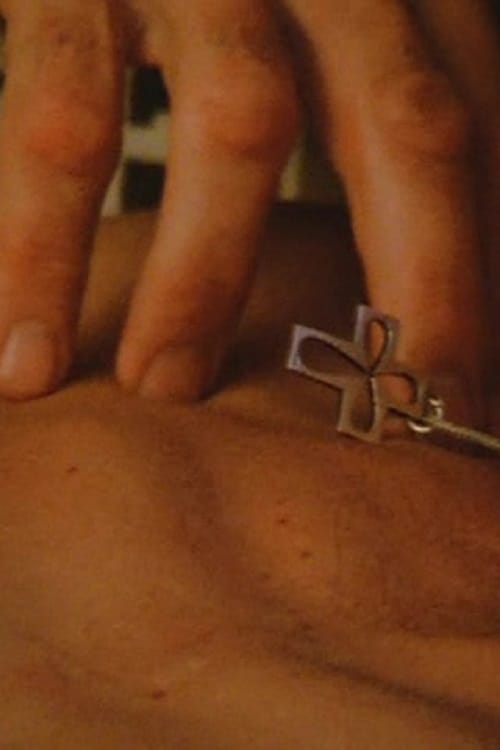
TAPESTRY, part of Lawrence Jordan's "Odyssey" triptych and filmed much later in Jordan's life, is a charged record of his bachelor life after marriage and child-rearing.
Tapestry
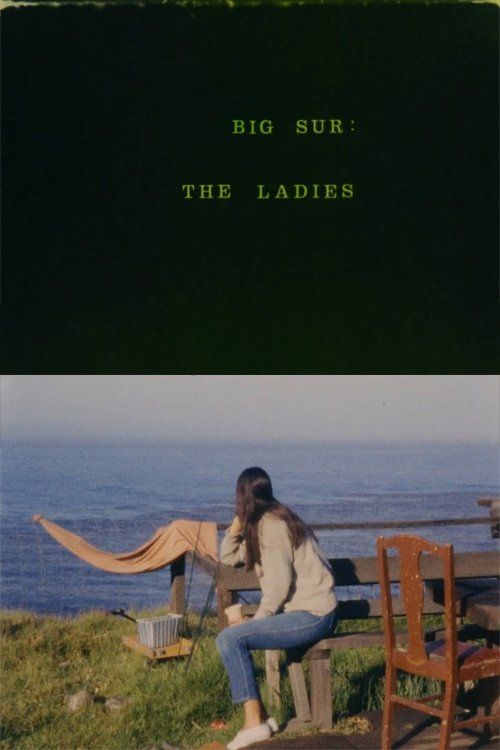
Against the coastline of the Big Sur country the camera catches swiftly shifting fragments of the nude women at the baths, playing the guitar, cutting the hair, sleeping. The camera movement is used to slightly smear the images onto the film emulsion in a manner parallel with the use of broad different medium from music or painting.
Big Sur: The Ladies
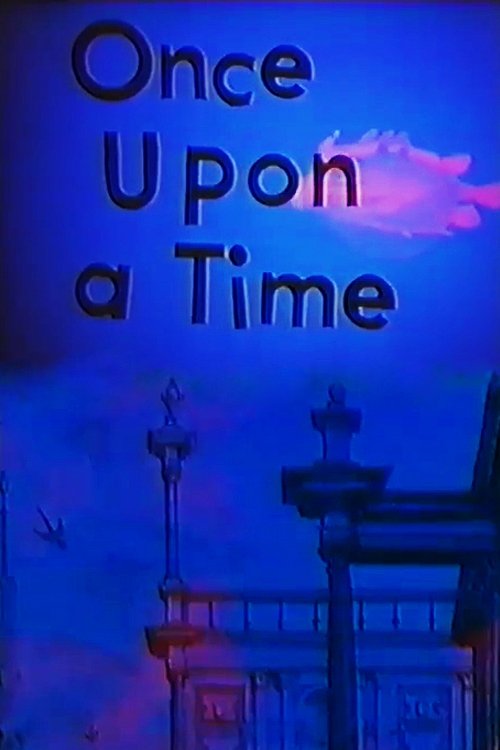
We are first presented a cobweb castle, filled with the haunting doubts of the young protagonist. Spirits appear on the screen and are heard on the soundtrack. Gradually a female guide emerges and escorts the young man into an antechamber to another (and possibly higher) world.
Once Upon a Time
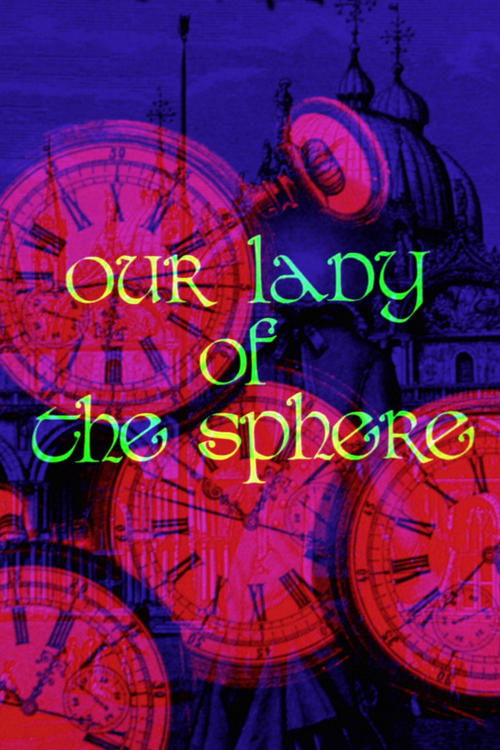
Animation using cutout animation to craft a bizarre science fiction experiment. Moving spheres, such as balloons and bubbles, are superimposed on static backgrounds to suggest travel and discovery.
Our Lady of the Sphere
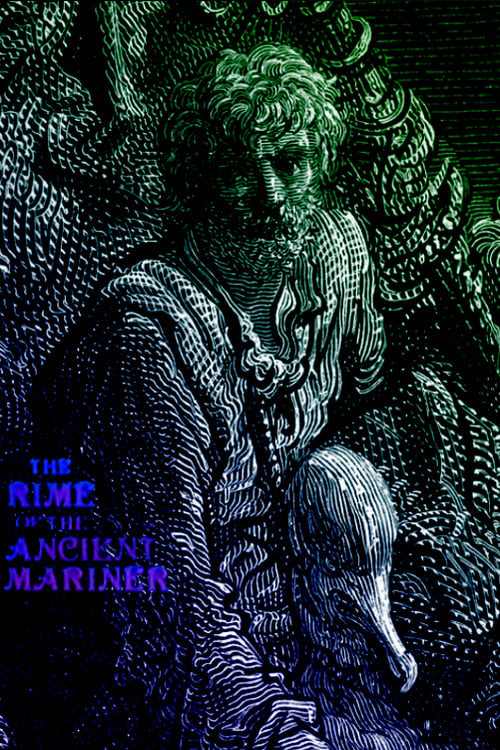
Orson Welles reads the poem especially for this film by Larry Jordan, which is dedicated to the late Wallace Berman, and is made possible by a grant from The National Endowment Of The Arts.
The Rime of the Ancient Mariner
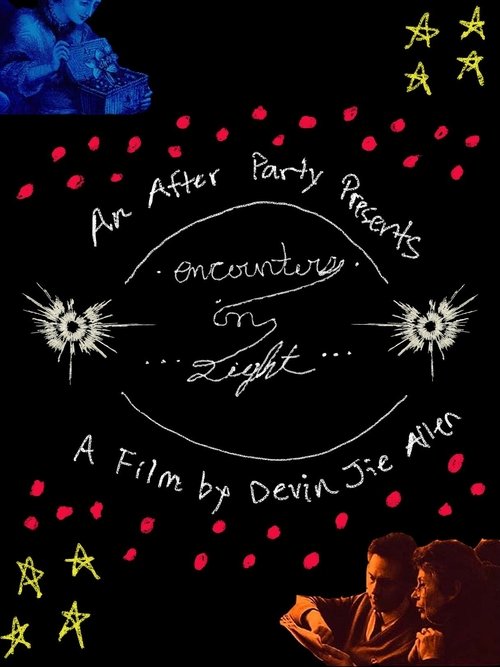
Encounters in Light is the poetic documentation of two artists, friends, and lovers. The film eschews any biographical structure and instead looks at the ways these two artists are bound by time and light. Lawrence Jordan and Joanna McClure have extensive bodies of work between them. The film interweaves Joanna’s poetry, Lawrence’s films, personal interviews, and emotive imagery to produce a sensory engagement with a long lasting friendship and artistic practice. An understanding of mortality is ever present and the film let’s that feeling permeate throughout. How does one relate to years of love, friendship, and art? How does it resonate in the present moment? In the film, there is a sense of boundlessness and understanding that indeed, time dissolves all boundaries until there is only the possibility of light.
Encounters in Light
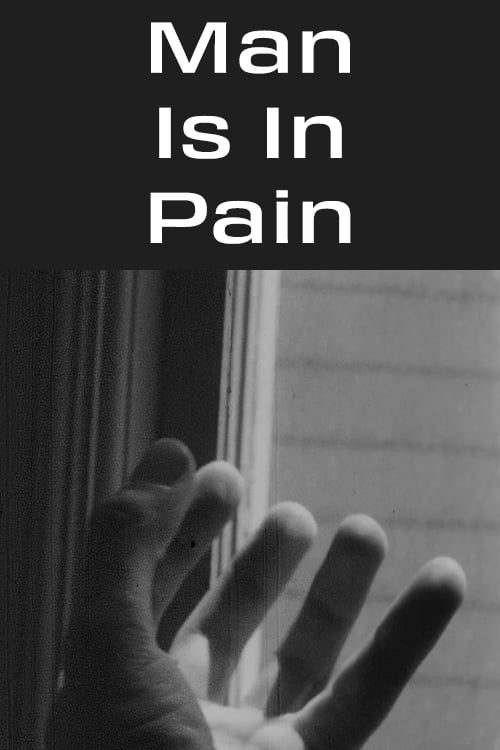
A woman reads Philip Lamantia's poem (from which the film gets its title), which evokes masculine angst as the hand acts out the scenario of the poem.
Man Is in Pain
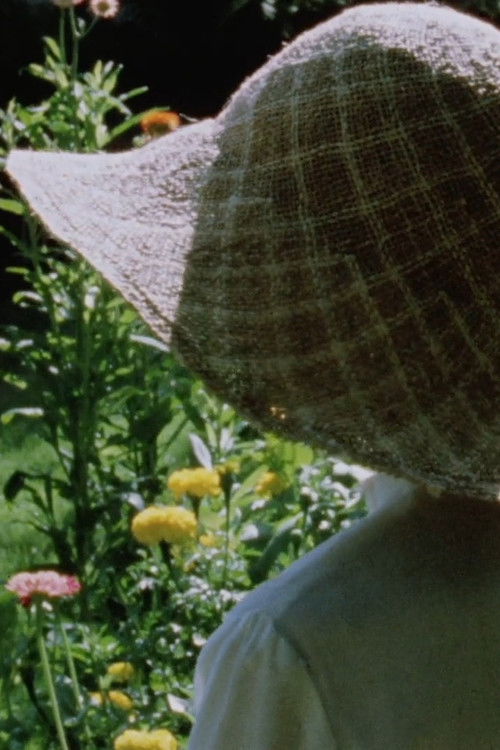
Two distinct idylls: one of summer, one of winter. Accompanied by appropriate music (the sonatas are not silent), each one moves through a period of time and place. Summer takes place in my first primarily annual garden. Joanna McClure is seen moving among the brilliant annual flower colors. Winter is a misty, mood-filled exploration of the Sonoma County hills and small lakes. The time is somewhere around 1985 and is a true document of a part of what was happening in my life at that time (Canyon Cinema)
Silent Sonatas
"After GYMNOPEDIES, I had long wanted to animate a film specifically for a pre-selected piano piece by [Erik] Satie. MOONLIGHT SONATA is that film. It was totally designed for the 'Gnossienne V' and the movements of the animation are timed to the overall rhythms as well as the specific beats of the music." - Lawrence Jordan
Moonlight Sonata
A kinetic collage of superimposed warm, soft-colored 16mm film set to percussive jazz, Lawrence Jordan's PORTRAIT OF SHARON features beat poet Kirby Doyle on a motorcycle and Sharon "Didi" Morill, poet and onetime girlfriend of the saxophonist Gerry Mulligan, blinking her big eyes and sharing her youth with the camera. Landscapes and clouds dance in rhythm, conjuring the contemporary spirit of Jack Kerouac's "On the Road." - Stela Jelincic
Portrait of Sharon
"The strangeness of this film is laced with carefully moulded apocalypses as the filmmaker explores a vision of life beyond death – the Elysian fields of Homer, Dante’s Purgatorio, de Chirico’s stitched plain. A moving single picture. Evolving the structure or script for the film involved a process of controlled hallucination, whereby I sat quietly without moving, looking at the background until the pieces began to move without my inventing things for them to do. I found that, given the chance, they really did have important business to attend to, and my job was to furnish them with the power of motion. I never deviated from this plan." —Canyon Cinema
Hamfat Asar
The Visible Compendium constructs bits of unnamed meanings, fragments of light. Photography is, to me, not about things, but about light. Light is our primary reality when we are at the movies. Light which suggests things, the secondary reality, a construct by the mind.
The Visible Compendium
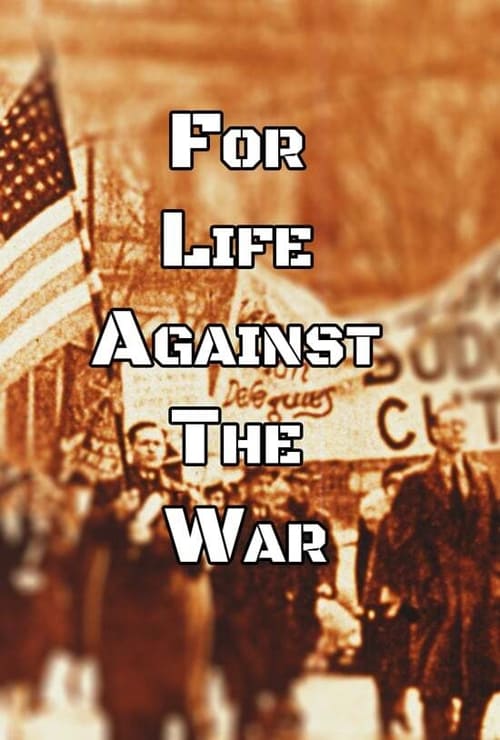
First shown on January 30, 1967, FOR LIFE AGAINST THE WAR was an open-call, collective statement from American independent filmmakers disparate in style and sensibility but united by their opposition to the Vietnam War. Part of the protest festival Week of the Angry Arts, the epic compilation film incorporated minute-long segments which were sent from many corners of the country, spliced together and projected. The original presentation of the works was more of an open forum with no curation or selection, and in 2000 Anthology Film Archives preserved a print featuring around 40 films from over 60 submissions.
For Life, Against the War
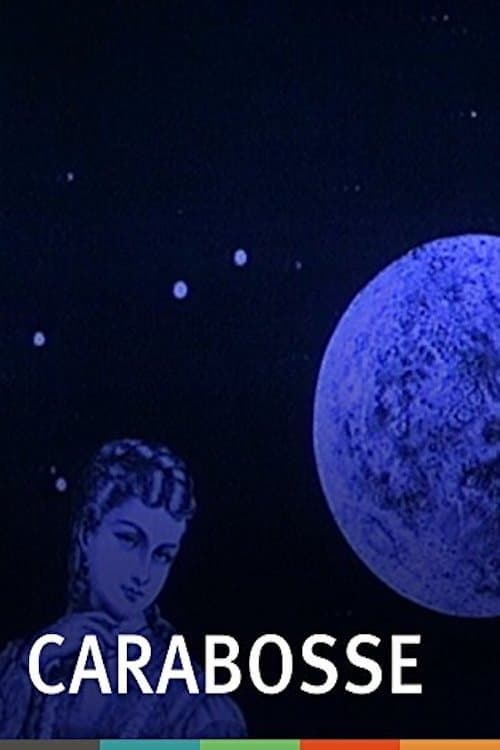
Animation, also of a new order in the recent series of short works. Mostly on black space, the figures in blue perform a very compact and jewel-like opera in surreal form, again to Satie’s piano music. Ideally, the film should be projected on a 30" wide white card sitting on a music stand, center stage of a large auditorium or music hall, with sound from the projector piped into the big speaker system. The film is most effective this way, but can be shown normal-size also
Carabosse
A 'found-footage' film, original too shrunk to print on 16mm, it was made as one of four films for a project called GRAVITY SPELLS, an album of film and new music by John Davis, my collaborator in sound. The title derives from a title in the footage: THESE DRIVING DEMONS START YOUNG, and proceeds to show soap box derby races. I made a soap box racer and drove it in the official derby when I was about nine years old. The footage goes on to show various race cars, races, collisions, road cars racing and strange mobile contraptions, including rocket cars and exploding motorcycles. And of course mad drivers. All in the 1920s.
Driving Demons
Part of a trio of films that also includes ADAGIO and WINTER LIGHT, IN A SUMMER GARDEN "draws much of its power from the way it is constructed and the ways it deals with images... [T]he camera pans and pauses, almost passively looks at the fields of flowers, and then plunges through them, carrying us through space." - Robert Haller